By Andrew Kariuki
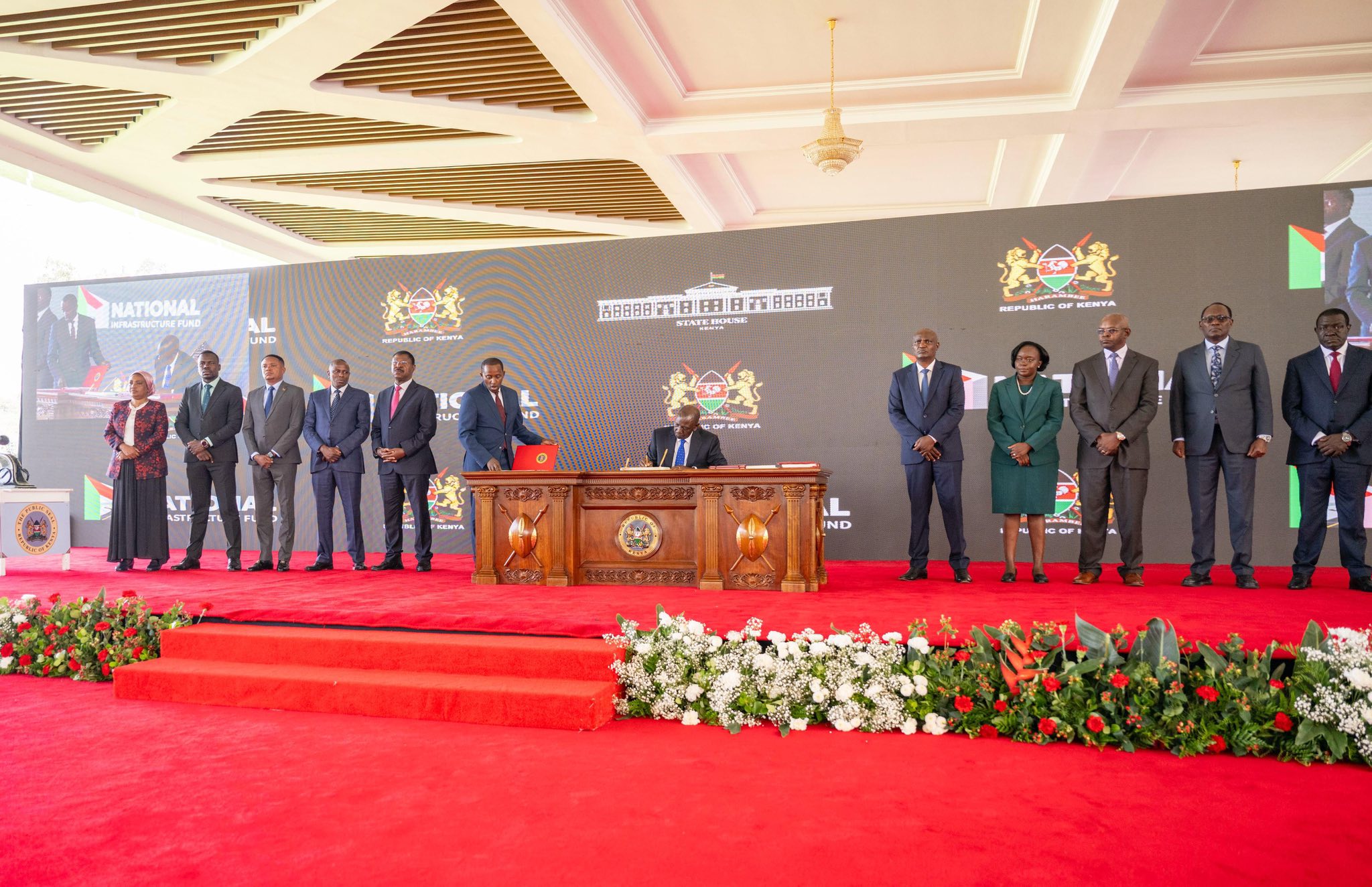
A constitutional petition has been filed at the Milimani High Court seeking to suspend the implementation of the National Infrastructure Fund Act, 2026, with the petitioners arguing that the law is unconstitutional.
The case, filed under a certificate of urgency by Katiba Institute, asks the court to issue conservatory orders restraining the government from operationalising the Act pending the hearing and determination of the petition.
The applicants are also seeking orders to stop the government from channeling proceeds from the privatisation of state assets into the proposed fund.
This includes anticipated revenue from the sale of shares in key entities such as Kenya Pipeline Company and Safaricom.
According to court documents, lawyer Henry Paul Gichana argues that the legislative process leading to the enactment of the law was flawed, particularly due to the alleged exclusion of the Senate.
The petitioners contend that the Senate ought to have been involved because the Act has implications on county finances and its exclusion violates constitutional requirements on bicameral lawmaking.
They further argue that the law undermines Parliament’s oversight role over public finances and sidelines the Controller of Budget, whose constitutional mandate includes approving and supervising public expenditure.
The petition also raises concerns over what the applicants describe as a lack of adequate public participation in the enactment of the law, as well as questions around equitable distribution of resources and whether the legal thresholds for establishing such a public fund were met.
The applicants warn that unless the court intervenes urgently, billions of shillings expected from privatisation could be channelled outside the constitutional framework, potentially leading to irreversible financial and legal consequences.
The matter is expected to be mentioned in court for directions as the High Court considers whether to grant interim conservatory orders halting the implementation of the Act.