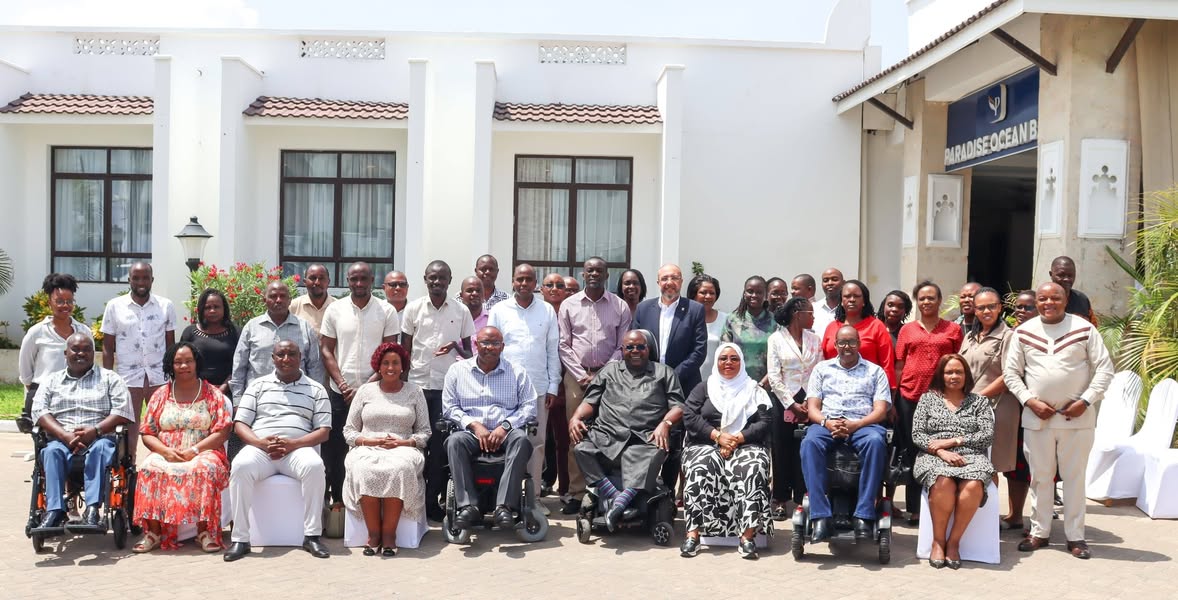
The Kenya Disability Parliamentary Association (KEDIPA), chaired by Hon. Timothy Wanyonyi (Westlands), has concluded a multi-sector engagement with key institutions, signaling a clear shift from policy intent to practical, enforceable action on disability inclusion.
Working alongside the Committee on Social Protection, the Caucus brought together stakeholders to confront lived realities and discuss solutions that directly improve the daily experiences of persons with disabilities.
Legislators in engagement with the Kenya Airports Authority (KAA) stated the unacceptable conditions faced by passengers with disabilities. Members cited distressing accounts, including a wheelchair user left stranded at Moi International Airport due to the absence of personnel and essential boarding equipment.
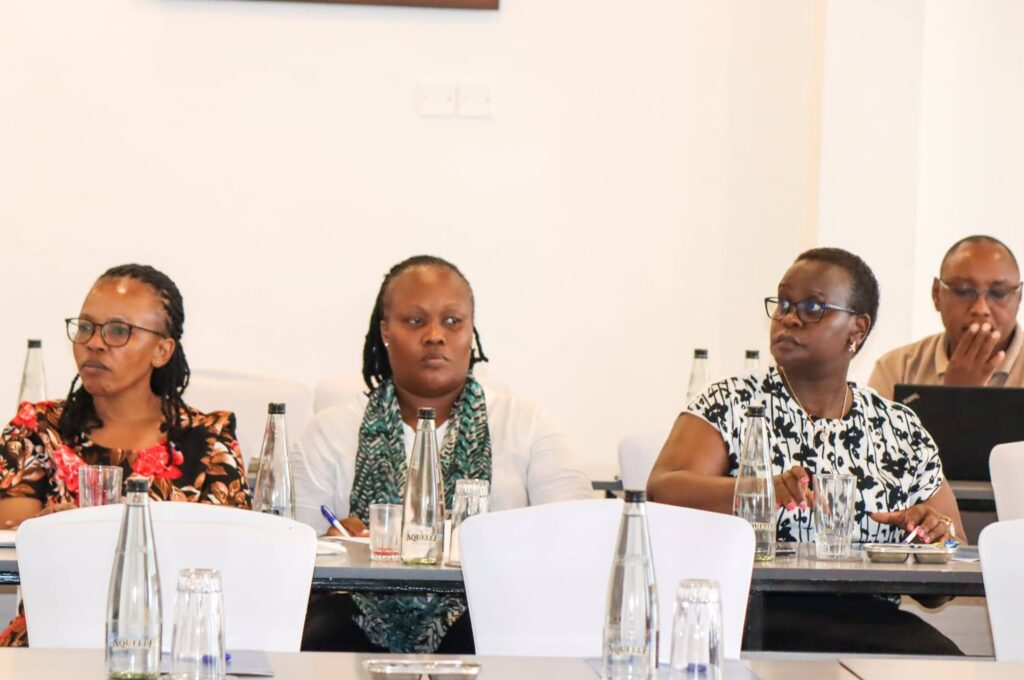
The Caucus further highlighted the lack of accessible infrastructure such as designated parking and inclusive facilities, as well as degrading practices where individuals are physically carried due to inadequate machinery.
KEDIPA issued firm directives for urgent modernization of airport facilities, guaranteed availability of mobility aids, and mandatory staff training to uphold dignity, safety and professionalism across all airports.
Discussions with the National Council for Persons with Disabilities (NCPWD) and the Kenya Revenue Authority (KRA) focused on reforming tax exemption frameworks, with Members terming current provisions discriminatory for excluding neurodiverse persons and those with invisible disabilities.
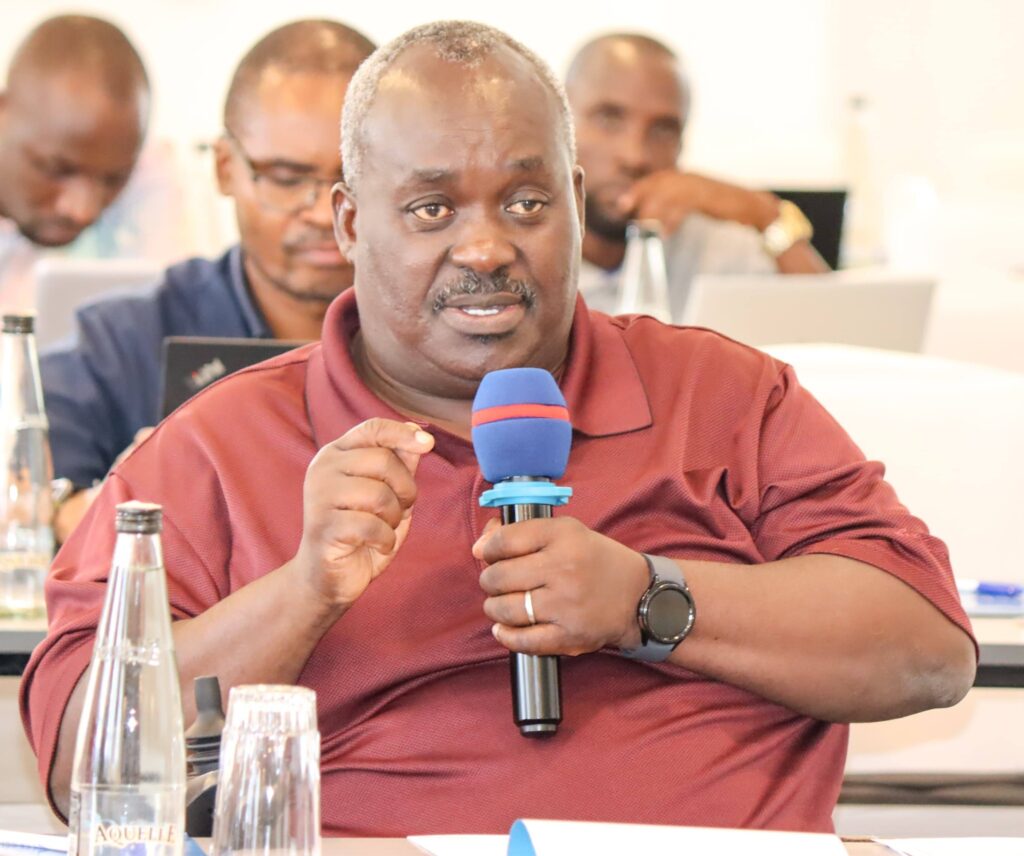
The Caucus called for expanded legal recognition, humane and dignified assessment processes. They further engaged on the need to stop repetitive reviews for persons with permanent disabilities and advocated for enhanced training for officers.
Further, institutions were tasked with strengthening coordination, aligning data systems, and restoring disability mainstreaming indicators in performance contracts to ensure measurable progress.
Engagements with the Teachers Service Commission (TSC) underscored the need to empower teachers supporting learners with disabilities through targeted training, resources, and institutional support, while also exploring responsive measures to support teachers with spouses or children with special needs.
The National Police Service Commission committed to developing post-retirement medical cover for officers, establishing a dedicated Disability Management Unit, and formulating compensation frameworks for officers who sustain serious injuries, ensuring disability inclusion within both uniformed and civilian cadres.
The forum also addressed barriers to economic empowerment, including limited awareness and staffing challenges affecting access to government procurement opportunities, particularly in rural areas. KEDIPA emphasized targeted outreach, strengthened support systems and improved coordination across agencies.
Members of KEDIPA pledged to dismantle systemic barriers and aims to deliver a more inclusive Kenya, where dignity, equity, and opportunity for persons with disabilities are fully realised in practice.
By Anthony Solly