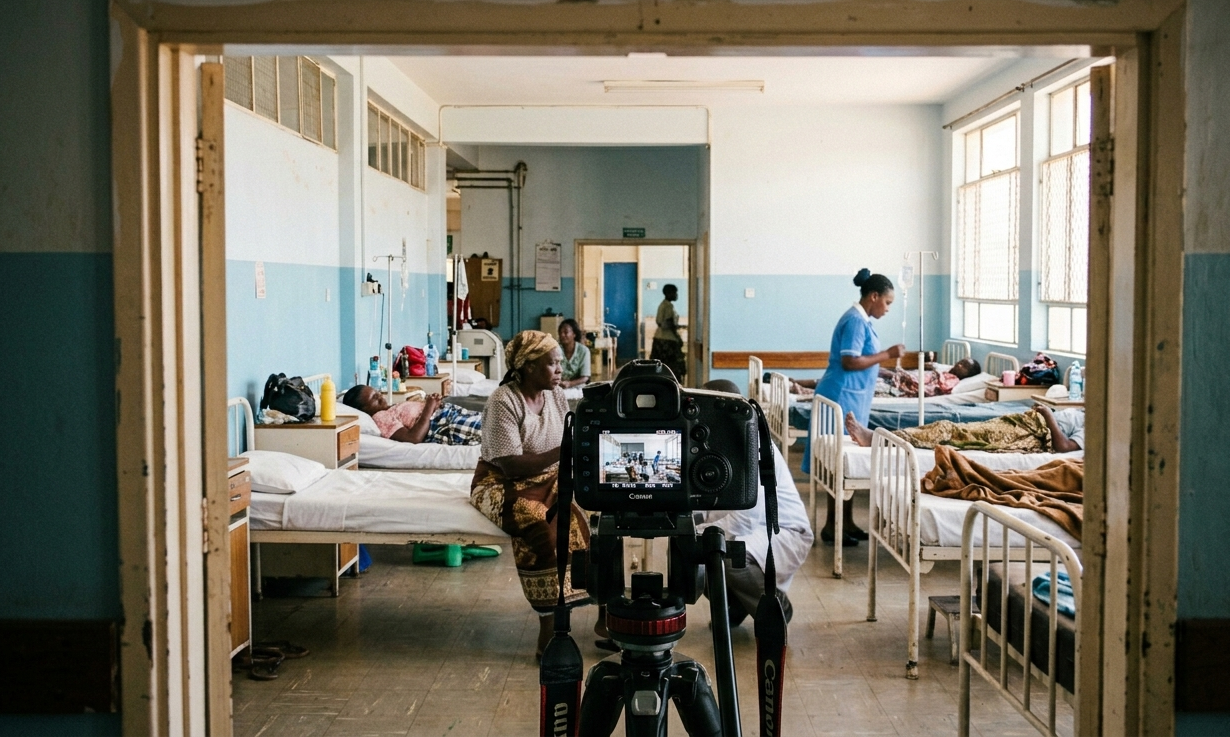
The Kenya Medical Association (KMA) has issued a strict directive demanding that politicians and public figures immediately stop all media events, photo opportunities, and live streams inside clinical and patient-facing areas of any health facility.
The association, which serves as Kenya’s umbrella professional association for physicians, denounced the growing practice of public figures and politicians utilising medical facilities for personal or political advancement in a statement issued on Friday.
“The Kenya Medical Association strongly condemns the increasing trend of politicians, public figures, and members of the public staging photography sessions, live broadcasts, and media events within healthcare facilities for political gain or personal promotion,” KMA said.
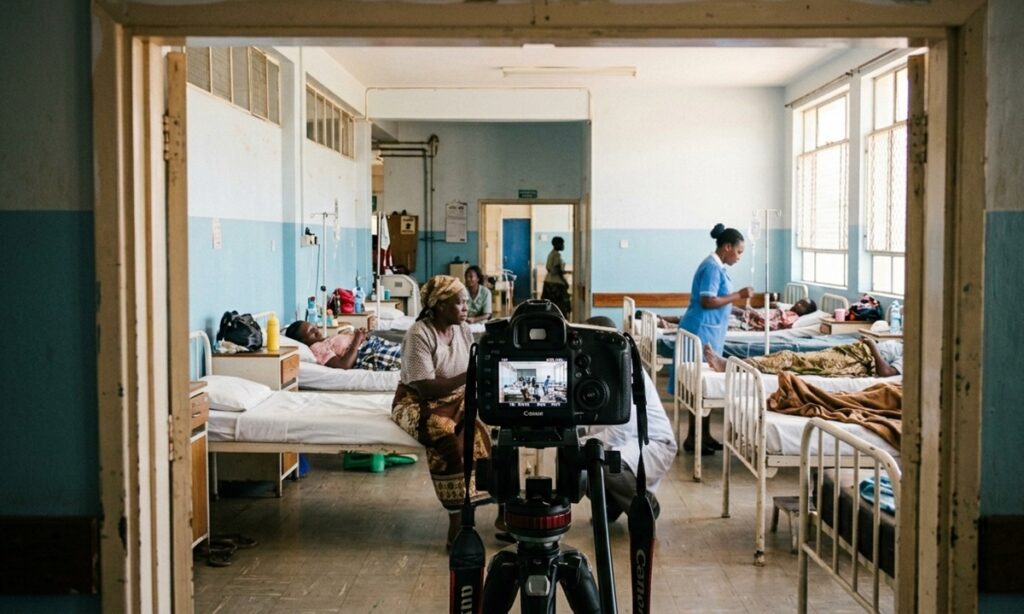
“Filming or photographing in wards, corridors, and other patient-facing areas constitutes a serious breach of patients’ legal rights, ethical protections, and fundamental human dignity.”
KMA said such actions are “neither advocacy nor service, they are exploitative practices that undermine the rights to privacy, confidentiality, and respectful care.”
The association made specific demands to politicians, health facility administrators, and regulatory bodies.
“Politicians and public figures must immediately cease all media events, photo opportunities, and live streams inside clinical and patient-facing areas of any health facility,” the KMA demanded.
The association also called on health facility administrators to take firm action.
“Health facility administrators must enforce strict no-filming policies, require informed consent for any photography involving patients, and designate staff with the authority to penalise any visitor, regardless of status, who compromises patient dignity,” the statement read.
The KMA also urged the Kenya Medical Practitioners and Dentists Council (KMPDC) to issue a formal directive.
“The KMPDC must issue a formal directive clarifying that facilitating political filming in clinical settings constitutes professional misconduct and must investigate reported incidents,” the association said.
It also called on the Office of the Data Protection Commissioner (ODPC) to investigate incidents in the public domain and publish enforcement guidance specific to patient data in healthcare settings.
National and county governments were urged to “enact regulations explicitly criminalising the filming or broadcasting of patients without documented informed consent.”
KMA noted that these intrusions violate multiple legal and ethical frameworks in Kenya.
“The Constitution of Kenya, 2010, guarantees every person’s right to dignity and privacy under Articles 28 and 31,” the association said.
It added that the Data Protection Act, 2019, classifies health data as sensitive personal data, and “recording or broadcasting a patient’s image or condition without explicit informed consent violates multiple provisions of the Act and is actionable by the Office of the Data Protection Commissioner.”
The association also cited the Health Act, 2017, which “further establishes statutory rights to privacy, confidentiality, and dignified treatment.”
At the professional level, the KMA noted that “the KMPDC Code of Professional Conduct and Discipline and the WMA Declaration of Geneva are unambiguous in the commitment to patient dignity, privacy, and further affirm that the patient-physician relationship must remain free from political interference.”
KMA expressed particular concern about patients in public facilities who are economically disadvantaged and unaware of their rights.
“Patients in hospitals and especially in public facilities, who are economically disadvantaged and unaware of their rights, are particularly vulnerable to this exploitation,” the association said.
“Their vulnerability makes our obligation to protect them greater, not lesser.”
The KMA addressed Kenyan healthcare practitioners directly, urging them to stand firm.
“To the Kenyan healthcare practitioner: you have both the right and the duty to protect your patients from violations of privacy, dignity, and political intrusion,” the statement read.
“The KMA stands behind every practitioner who upholds this duty, even under pressure. You are empowered to decline access to clinical spaces. Your patients’ rights come first.”
The association stressed that medical workspaces must be respected and that legitimate political advocacy for healthcare investment should be pursued through proper channels.
“The Kenya Medical Association supports legitimate political advocacy for healthcare investment through proper channels such as budgets, legislation, and policy,” the KMA said.
“Patients are not props, hospital wards are not campaign venues, and human suffering is not content.”