By Bonface Mulyungi
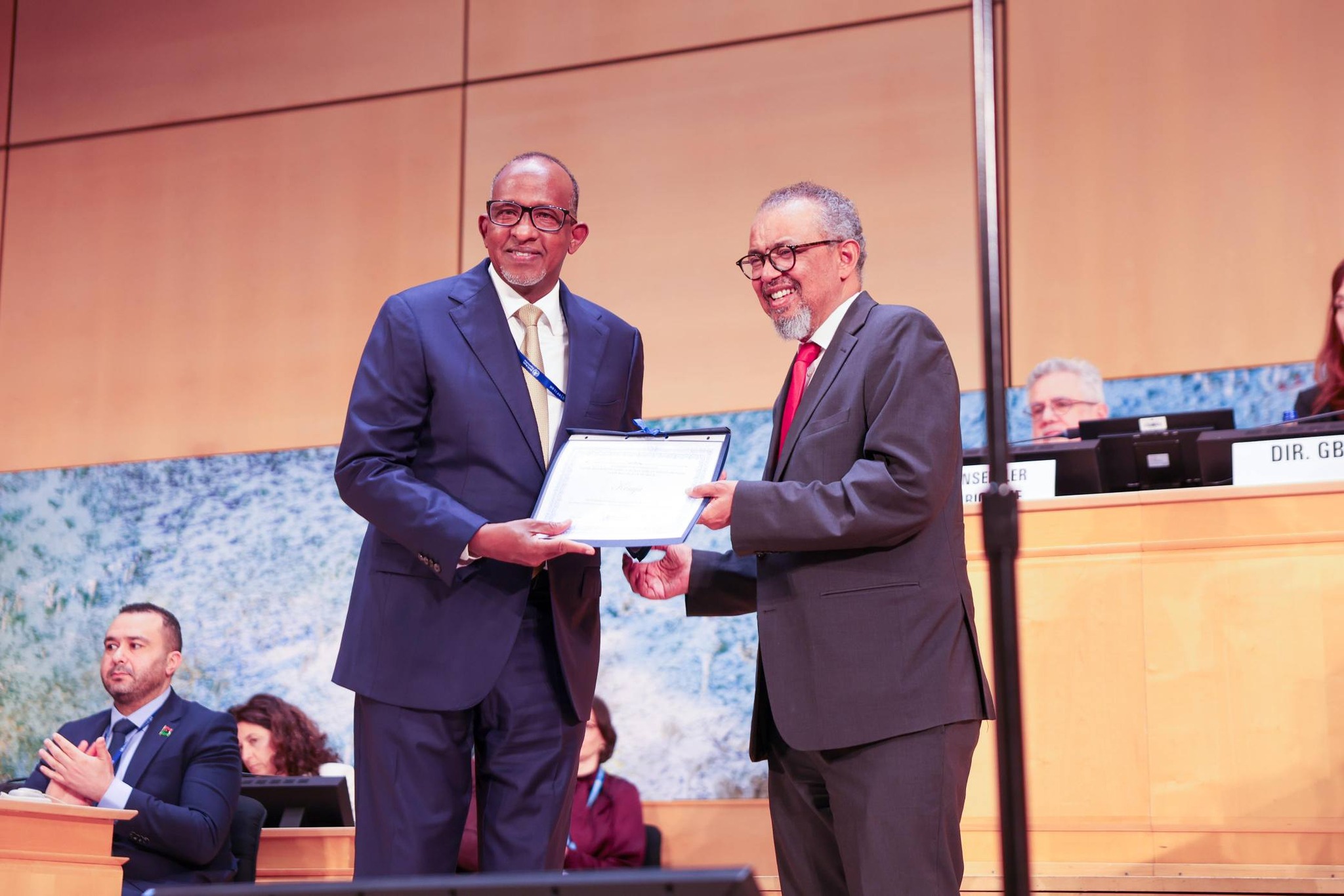
Kenya has earned global recognition at the 79th World Health Assembly in Geneva after being officially certified as having eliminated Human African Trypanosomiasis (HAT), commonly known as sleeping sickness.
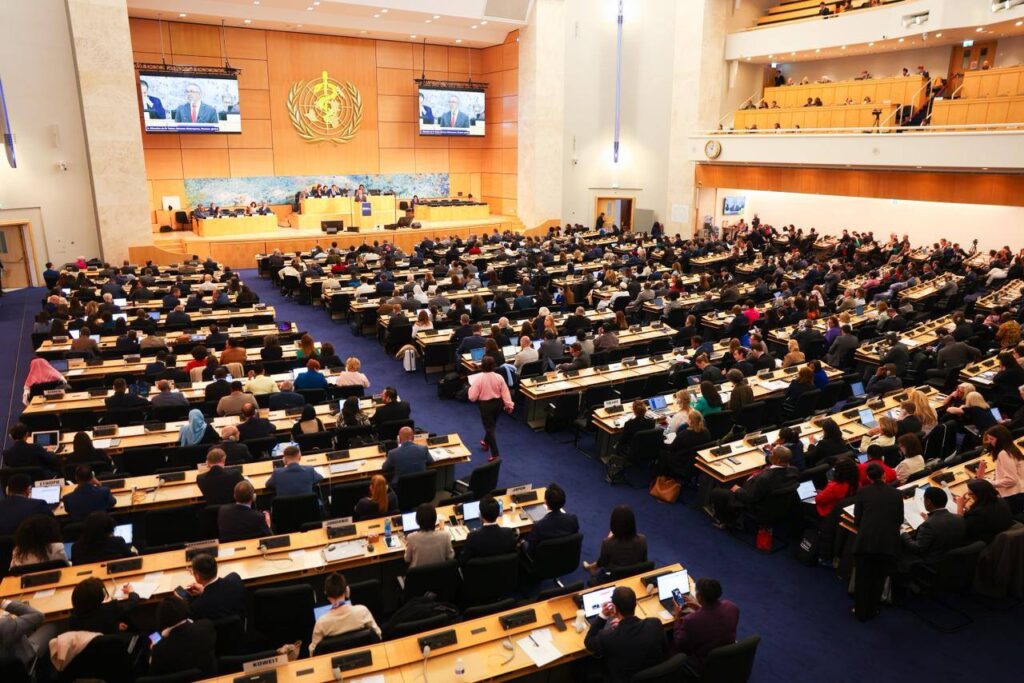
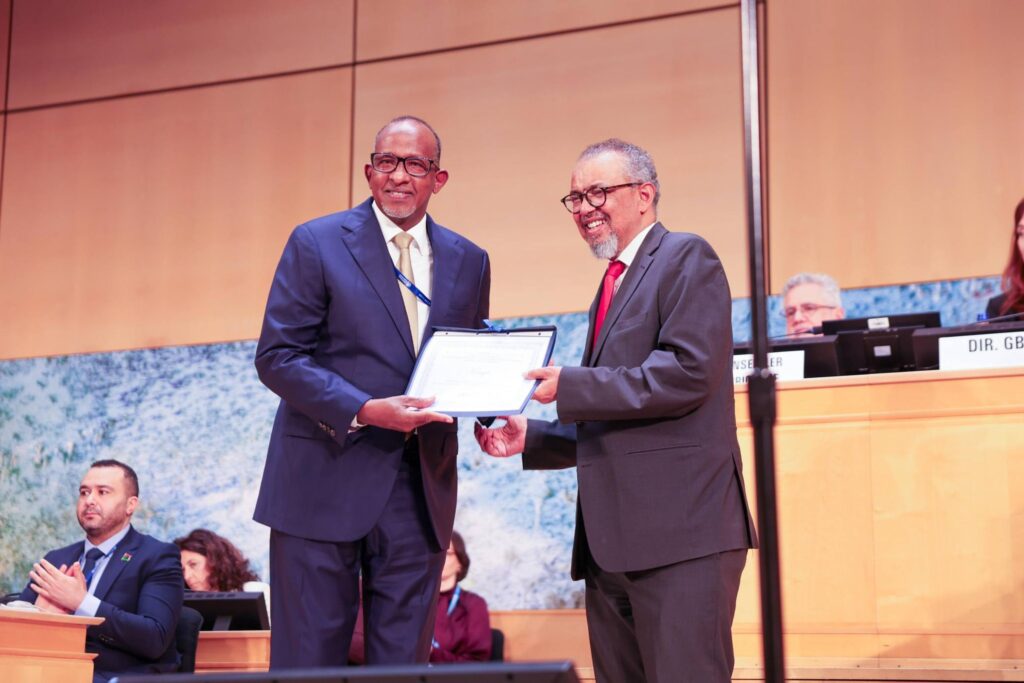
The World Health Organization (WHO) presented the certificate to Kenya, acknowledging the country’s sustained public health efforts, strong leadership, and multi-sectoral collaboration in combating the neglected tropical disease.
WHO Director-General Dr. Tedros Adhanom Ghebreyesus commended Kenya’s Ministry of Health for what he termed a significant public health milestone.
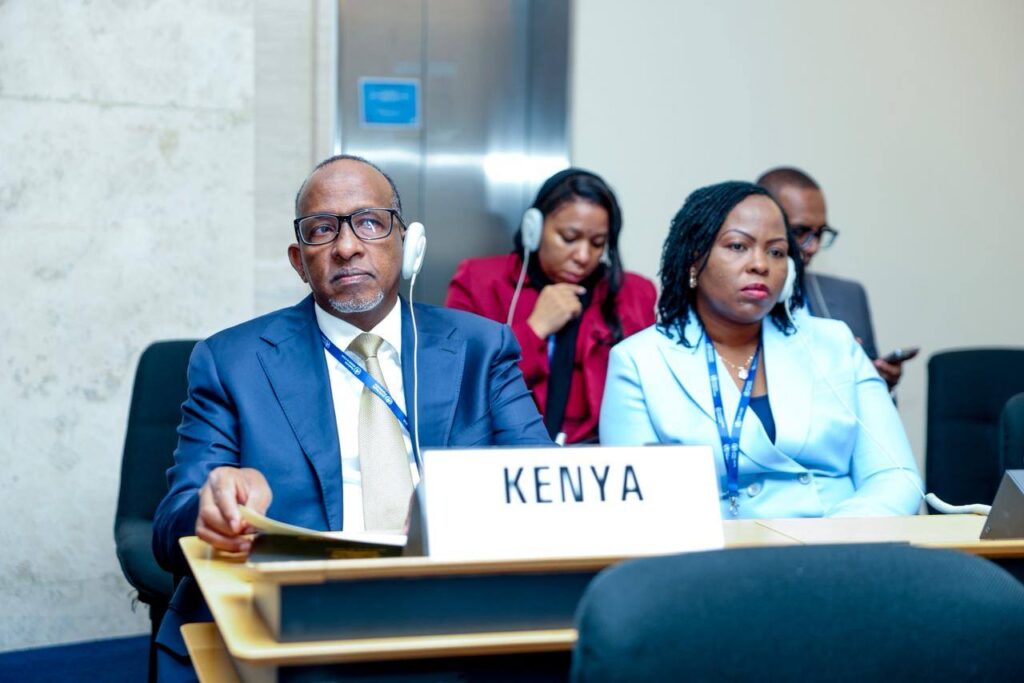
Health Cabinet Secretary Aden Duale described the recognition as a major honour for both the Government and the people of Kenya, noting that it reflects decades of sustained commitment, resilience, and coordinated action across national and county governments, health workers, researchers, and development partners.
Sleeping sickness had for more than a century posed a serious public health challenge in parts of western Kenya, including Busia, Bungoma, Siaya, Homa Bay, Migori, and Narok counties.
However, through strengthened surveillance and control measures, Kenya has not recorded any indigenous cases since 2009. Following WHO validation in June 2025 and a national announcement in August 2025, the country has now formally sustained elimination status.
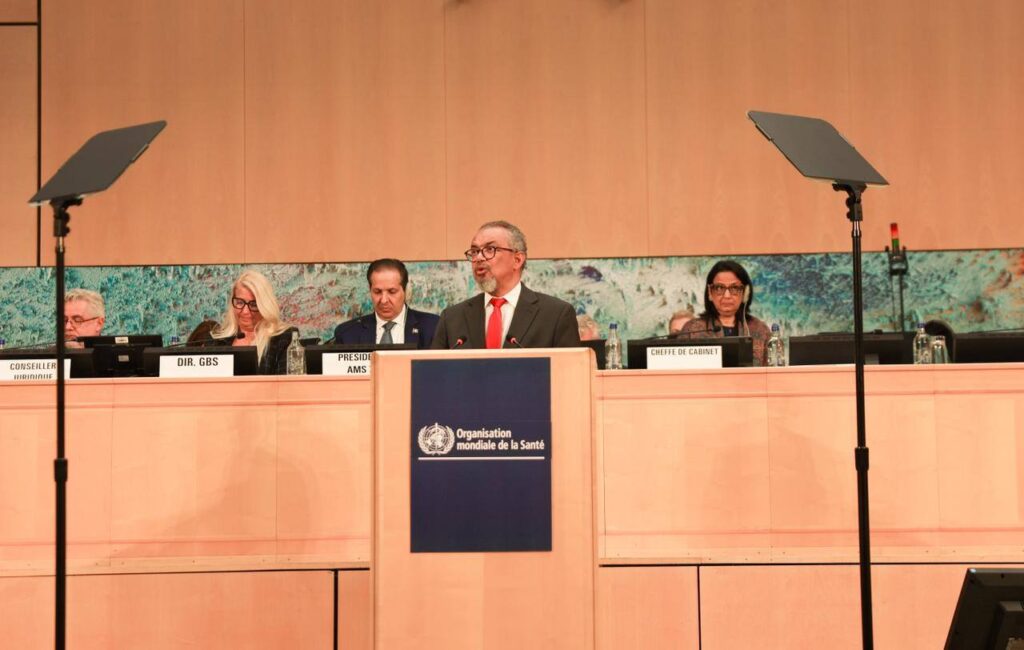
CS Duale credited the achievement to affected communities whose participation and trust enabled effective surveillance and prevention efforts, as well as to frontline health workers, laboratory teams, county governments, and national technical experts who strengthened diagnostic and response systems.
While welcoming the milestone, he cautioned that elimination does not signify the end of the fight, stressing the need to maintain vigilance through continued surveillance, early detection, vector control, and integration of HAT services into routine health systems.
He reaffirmed Kenya’s commitment to sharing best practices and supporting regional efforts aimed at eliminating neglected tropical diseases across Africa, underscoring the country’s broader role in advancing global health equity.