By Andrew Kariuki
Kenya, through the State Department for East African Community (EAC) Affairs, has unveiled a series of reforms aimed at restoring efficiency and competitiveness along the Northern Corridor, a key trade route linking the Port of Mombasa to the wider East African region.
Principal Secretary Caroline W. Karugu warned that Kenya is steadily losing its strategic edge, cautioning that inefficiencies could continue diverting cargo to alternative routes such as Dar es Salaam if urgent action is not taken.
“We cannot afford to sit pretty while inefficiencies push trade away,” she said during a consultative meeting on Tuesday.
The reforms follow a December 2025 monitoring exercise that identified systemic bottlenecks affecting the corridor’s performance, despite its critical role in regional trade. The Northern Corridor currently handles over 35.84 million metric tonnes of cargo annually and facilitates more than 80% of Kenya’s transit trade.
However, the assessment revealed that Kenya is losing between 5% and 8% of high-value transit cargo each year due to delays and inefficiencies.
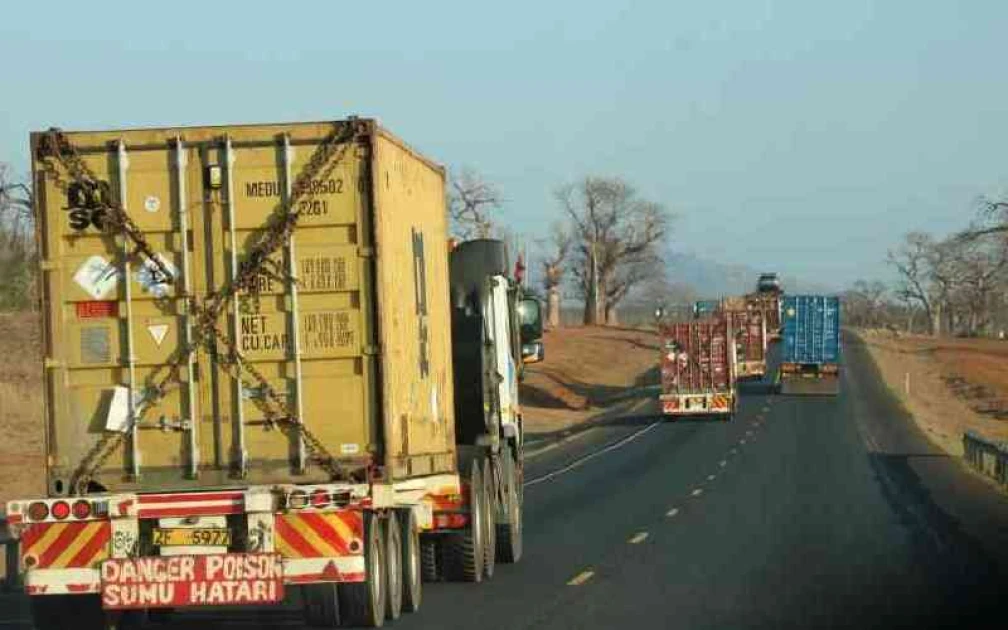
Among the key challenges highlighted is the high number of police roadblocks along the route, currently estimated at between 22 and 27, far exceeding the regional target of fewer than five. This, coupled with ICT system failures and delayed security response times, has pushed transit duration from the targeted 48 hours to an average of 80 hours between Mombasa and Malaba.
In response, the government has outlined a reform roadmap focused on eliminating Non-Tariff Barriers and improving operational efficiency. Key measures include reducing roadblocks to the five gazetted stops, cutting RECTS response time to under one hour, and restoring transit timelines to between 36 and 48 hours.
Dr. Karugu noted that the inefficiencies are not only affecting trade flow but are also increasing the cost of goods across the region and reducing national revenue.
The State Department estimates that successful implementation of the reforms could generate up to $54 million in economic gains. Transporters are also expected to benefit significantly, with potential savings of up to $360 per trip if transit delays are halved.
To ensure accountability, the department has introduced a structured action plan with defined timelines and deliverables, signalling a shift towards implementation rather than policy discussion.
The reforms are expected to play a critical role in repositioning Kenya as the preferred trade gateway to East and Central Africa.