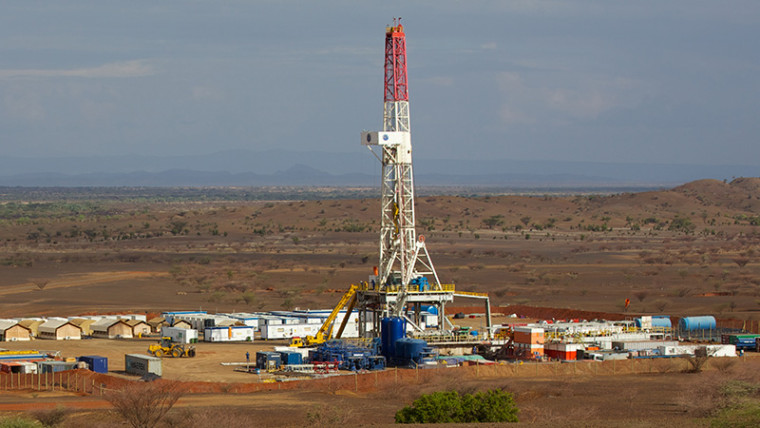
Kenya has sweetened the terms of its long-delayed oil project in the arid north by granting sweeping tax exemptions and cost-recovery boosts to a homegrown energy trader, in a bid to finally pump black gold from the Turkana basin.
Nairobi-based Gulf Energy Ltd, which snapped up Tullow Oil’s Kenyan assets for $120 million earlier this year, will now dodge value-added tax, withholding taxes and import duties on equipment and services for developing the South Lokichar fields.
The concessions, outlined in an amended production-sharing agreement tabled before parliament, scrap previous levies including a 16% VAT, 5% withholding on local goods and 5.625% on imports, plus a 2% railway development fee and 2.5% import declaration charge.
Gulf will also recoup up to 85% of its annual exploration and production costs, a sharp hike from the original 55% to 65% caps for blocks T6 and T7.
The changes, designed to align the two blocks and spur faster progress on the $6.1 billion venture, were confirmed by National Oil Corporation of Kenya chief executive Leparan Morintat. “These amendments harmonise provisions and remove barriers to expedite development,” he said.
The government retains a 20% stake in both blocks through its state oil firm, with profit shares starting at 50% and climbing to 75% at peak output of over 150,000 barrels per day. A windfall tax kicks in at 26% for prices above $50 per barrel. Energy minister Opiyo Wandayi greenlit Gulf’s field plan last month; parliamentary nod is the final hurdle.
Tullow, after more than a decade of exploratory fits and starts, offloaded the assets in April to refocus on debt reduction, handing the baton to a Kenyan operator with deep local roots. Gulf’s affiliate Auron Energy E&P sealed the deal in September, eyeing first production next year from reserves estimated at 560 million barrels.
Additional input from Bloomberg Business.