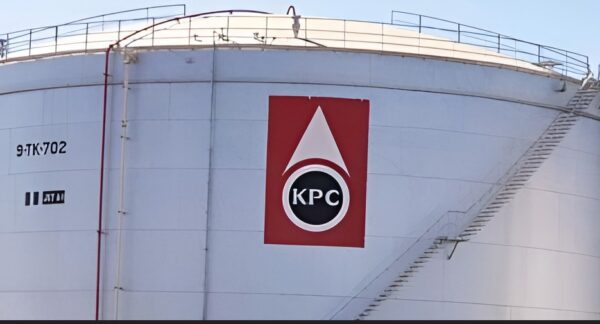
Kenya Pipeline Company has moved to address fears of a possible fuel crisis after widespread reports of shortages at petrol stations across the country.
In a statement on Wednesday, April 8, the state corporation acknowledged public concern but maintained that the country’s fuel supply remains stable and sufficient to meet demand.
“We wish to assure the public that there is sufficient fuel in all of our terminals and depots and that the products meet national and international quality standards as prescribed by relevant certification bodies,” the statement read.
KPC explained that its extensive infrastructure plays a key role in ensuring an uninterrupted fuel supply across the country and the wider region.
“The Company operates 1,342 kilometres of pipeline network linking the Port of Mombasa to key inland depots in Nairobi, Nakuru, Eldoret, and Kisumu.
“This network is supported by modern storage facilities with a cumulative capacity of over 1 billion litres, enabling the Company to maintain adequate strategic stocks and ensure consistent supply across the country and the wider region,” the statement added.
The company also released stock figures to reinforce its position that fuel availability remains strong nationwide.
According to KPC, at Kipevu Oil Storage, super petrol stocks stand at 29,648 cubic metres, diesel at 37,291 cubic metres, and jet fuel at 60,977 cubic metres.
At Kenya Petroleum Refineries, super petrol stocks are recorded at 64,742 cubic metres, diesel at 46,118 cubic metres, and jet fuel at 18,438 cubic metres.

In Nairobi, super petrol stocks amount to 50,024 cubic metres, diesel stands at 55,245 cubic metres, while jet fuel is at 1,317 cubic metres.
Nakuru records 6,645 cubic metres of super petrol and 11,638 cubic metres of diesel, with no jet fuel stock indicated.
In Eldoret, super petrol stocks are 8,068 cubic metres, diesel stands at 7,191 cubic metres, and jet fuel at 1,427 cubic metres.
Meanwhile, Kisumu has 7,468 cubic metres of super petrol, 25,125 cubic metres of diesel, and 275 cubic metres of jet fuel.
KPC noted that these figures demonstrate strong inventory levels and ongoing replenishment efforts across all its facilities.
“The fuel stocks are sufficient to meet current and projected national demand, with continuous product movement and replenishment in all our terminals and depots. The above stock position reflects robust inventory levels and sustained throughput across the network,” the statement concluded.