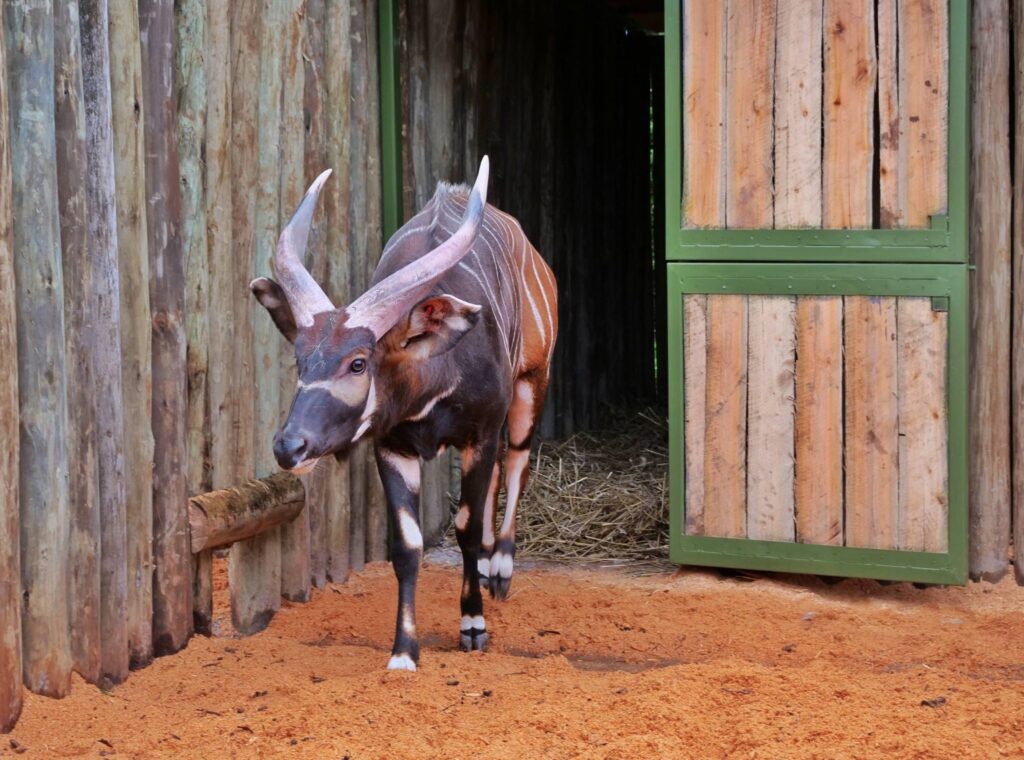
Kenya has received four critically endangered Mountain Bongos in a significant boost to ongoing efforts to restore the species, marking a major milestone under the country’s conservation agenda.
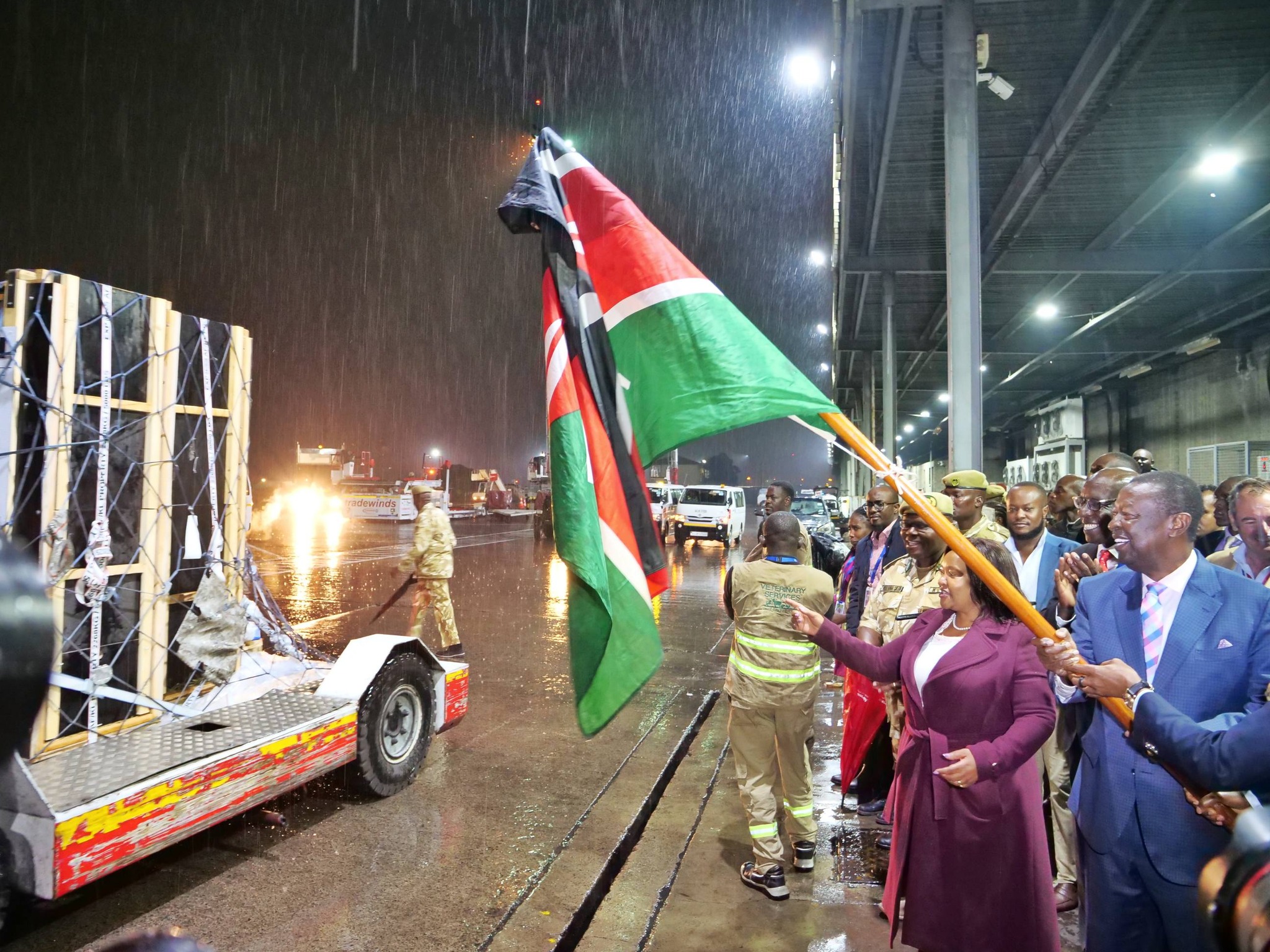
The four male bongos arrived Tuesday night at Jomo Kenyatta International Airport aboard a cargo flight operated by KLM from the Zoo Dvůr Králové, where they had been under specialised care as part of an international breeding programme.
The high-level reception was led by Prime Cabinet Secretary Musalia Mudavadi and Tourism and Wildlife Cabinet Secretary Rebecca Miano, alongside Kenya Wildlife Service Director General Erustus Kanga and Czech Ambassador Nicol Adamcova.
The bongos have since been transferred to the Mount Kenya Wildlife Conservancy (MKWC), which now hosts a growing population of 102 individuals.
The addition of the four males is expected to significantly strengthen the species’ genetic diversity, a critical factor in ensuring long-term survival.
Speaking during the reception, Miano described the animals as “a truly prized heritage,” noting that their relocation underscores the importance of coordinated conservation efforts.
“Wildlife conservation calls for partnerships that bring together government, communities and private sector players,” she said.
“More than 70 per cent of Kenya’s tourism attractions are wildlife-driven, yet over 65 per cent of wildlife exists outside protected areas. Collaboration is therefore essential.”
Mudavadi said the successful translocation reflects the impact of aligning policy, science and international cooperation.
“This milestone demonstrates what can be achieved when nations and institutions work together towards a shared conservation goal,” he said.
The relocation forms part of the National Recovery and Action Plan for the Mountain Bongo, a long-term strategy aimed at rescuing one of the world’s rarest antelope species from the brink of extinction.
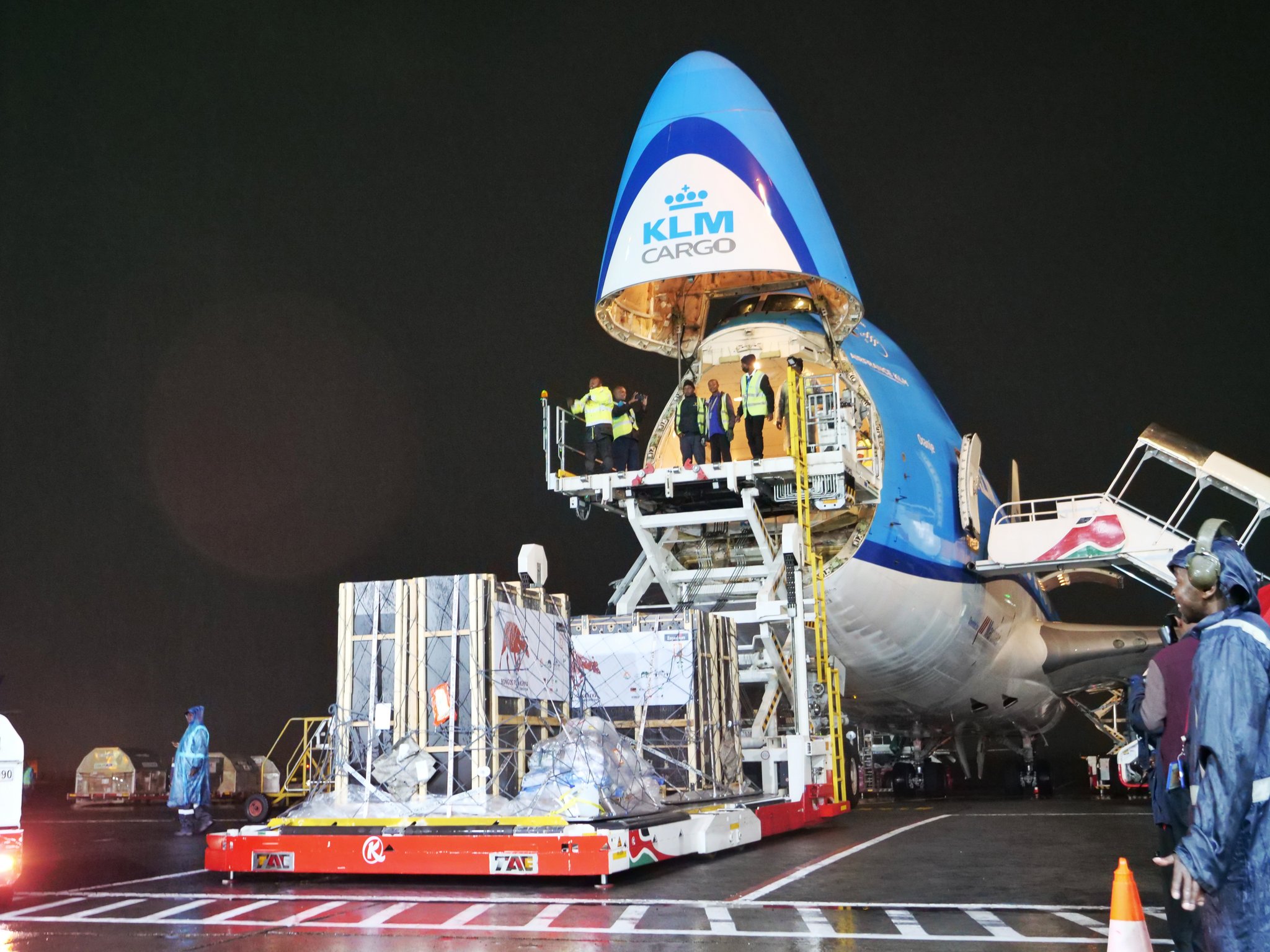
Once widespread in Kenya’s montane forests, mountain bongos have seen their numbers decline sharply due to habitat loss, poaching and disease.
Kanga described the moment as symbolic and forward-looking.
“This is a moment of hope, responsibility and renewed commitment to securing the future of the mountain bongo,” he said. The Czech Republic has played a longstanding role in the species’ conservation, with Adamcova highlighting decades of collaboration between the two countries in wildlife protection.
“This translocation reflects a deep and enduring partnership, as well as a shared responsibility to protect endangered species,” she said.
At MKWC, the bongos will be integrated into a carefully managed breeding programme before eventual reintroduction into their natural forest habitats.
The leaders said that such efforts are key to rebuilding sustainable wild populations and reversing decades of decline.