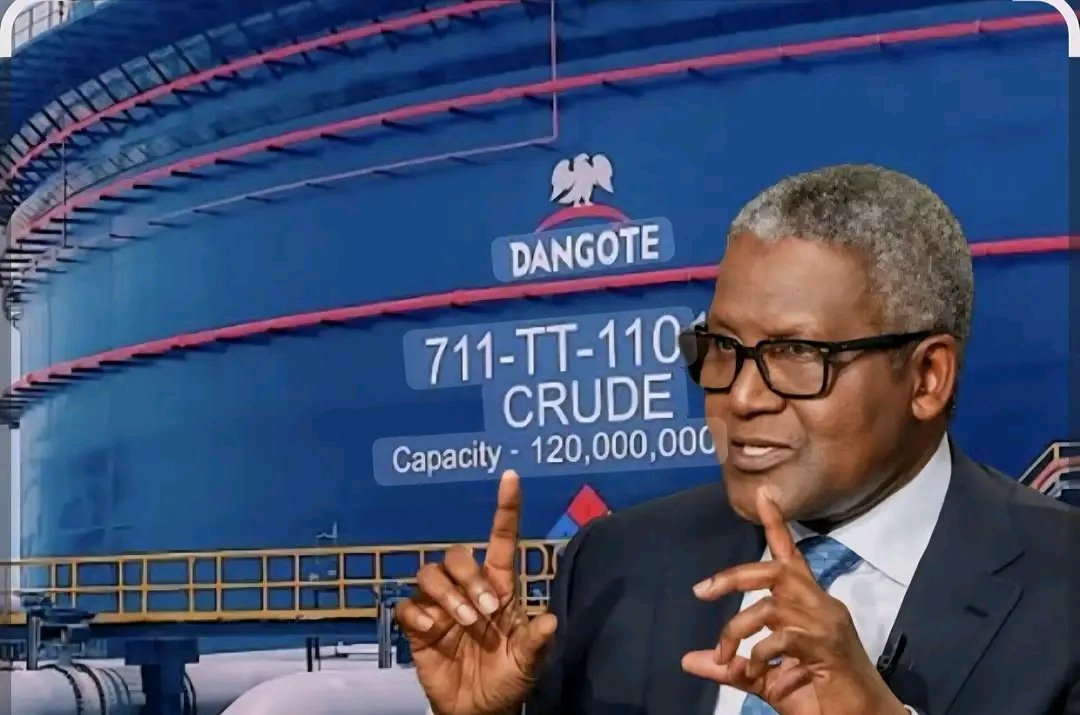
Kenya is increasingly turning to Nigerian billionaire Aliko Dangote for fuel supplies as fears of a looming shortage intensify following escalating conflict in the Middle East that has disrupted global oil supply chains.
The East African nation, alongside countries such as South Africa, is seeking alternative sources from the Dangote Petroleum Refinery and Petrochemicals, which has quickly become a critical supplier amid shrinking global availability.
Reports indicate that demand for fuel from the refinery has surged sharply, with several African governments racing to secure limited export volumes. However, the refinery’s production capacity estimated at 650,000 barrels per day remains constrained, with nearly 75 per cent reserved for domestic consumption in Nigeria.
Speaking on the growing pressure, Dangote noted that supply, not cost, is the main concern. “The challenge at the moment is not pricing, but availability,” he said, highlighting the widening gap between demand and supply across global markets.

Locally, early signs of strain are already emerging, with some fuel distributors in Kenya reportedly introducing rationing measures, while others have temporarily run out of stock. The situation is particularly severe in rural areas, where several filling stations have shut down due to depleted supplies.
According to Martin Chomba, the impact is already being felt at the grassroots level. “The biggest fuel suppliers to Kenya are rationing product,” he said, adding that some distributors are experiencing stockouts, especially in remote regions.
Kenya consumes approximately 100,000 barrels of fuel daily, all imported through the port of Mombasa. Regulations require importers to maintain only 21 days of operational reserves, leaving the country vulnerable to external shocks.
The crisis is further exacerbated by threats to close the Strait of Hormuz, a strategic passage that handles about 21 per cent of the world’s oil supply, including shipments from Gulf nations that Kenya heavily depends on.
Despite mounting concerns, the Energy and Petroleum Regulatory Authority (EPRA) has maintained that fuel prices will remain unchanged for the March to April cycle, with Super Petrol retailing at Ksh178.28 in Nairobi.
Energy Cabinet Secretary Opiyo Wandayi has sought to calm public anxiety, assuring that the country has adequate reserves and that there is no immediate shortage.
However, with global supply chains under strain and competition for limited fuel intensifying, Kenya’s reliance on Dangote’s refinery underscores the fragile nature of energy security in an increasingly volatile geopolitical environment.