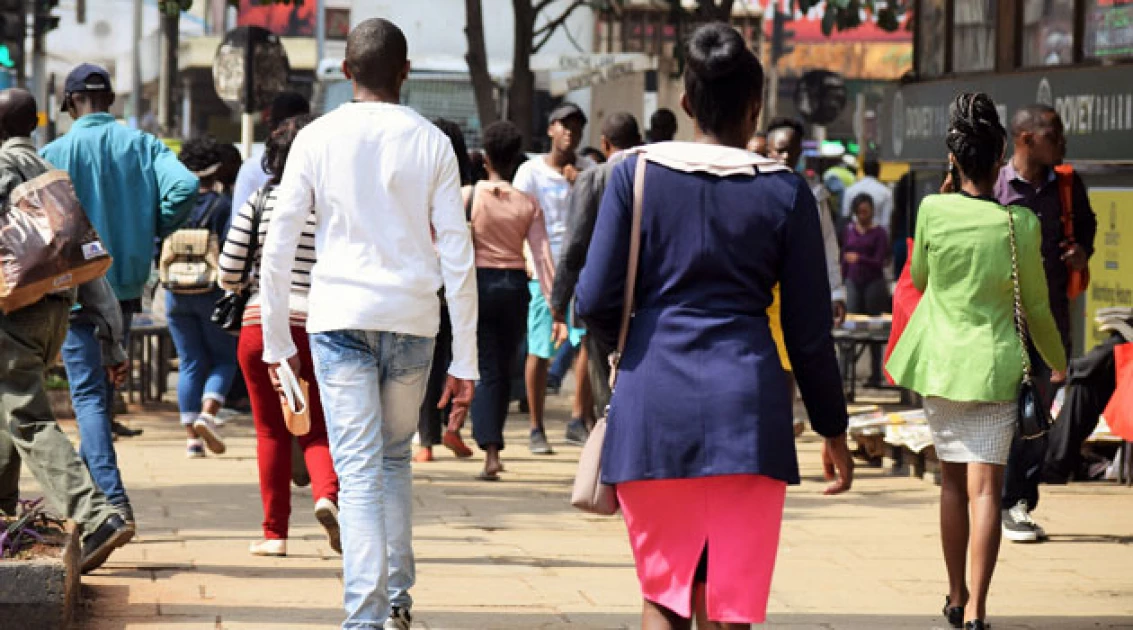
Kenya’s social fabric may be tighter in daily life than in abstract surveys, but recent global data paints a stark picture of trust in others across the country.
A Pew Research Center study released on December 1 found that in Kenya, like in Nigeria and South Africa, large majorities of adults say most people cannot be trusted, placing the East African nation among the lowest ranked in interpersonal trust in a 25-country comparison.
The survey, conducted face-to-face with Kenyan adults earlier in 2025, asked a simple yet revealing question: do most people generally deserve your trust, or not? Kenyans were among the nations where a significant share responded with scepticism.
The pattern mirrors broader trends across sub-Saharan Africa in the study, where trust levels lag behind those of high-income countries in Europe and North America.
Trust matters. Societies where people believe their neighbours and strangers will behave fairly, help one another in times of need, or at least not take advantage, tend to exhibit stronger civic engagement and smoother cooperation, both socially and economically. Where trust falters, everyday interactions can become fraught, routine transactions turn cautious, and cooperation with institutions weakens.
In Kenya’s case the implications could reach beyond social norms and into the political and economic realms. Research linked low trust not only to personal interactions but also to broader attitudes about cooperation and governance.
People who say most others can be trusted are generally more inclined to support collective action and international cooperation, a point that resonates with debates over regional integration and economic policy in East Africa.
Globally, trust tended to be higher in wealthier countries like Sweden and the Netherlands, where well over half of adults believed others could be trusted. In contrast, middle-income nations, including Kenya, often registered lower levels of social trust.
Experts caution that these figures say less about the character of individuals and more about the context in which they live. Years of corruption scandals, weak enforcement of laws, economic inequality and insecurity can all erode confidence in fellow citizens and in institutions alike.
Kenya has seen its share of these challenges, from political contestation to questions about the rule of law, and they may help explain why many adults struggle to extend trust beyond their immediate circles.
What the Pew data highlights is an opportunity. Strengthening trust depends on predictable institutions, fair enforcement of rules, and everyday experiences that affirm people’s expectations that others will act ethically.