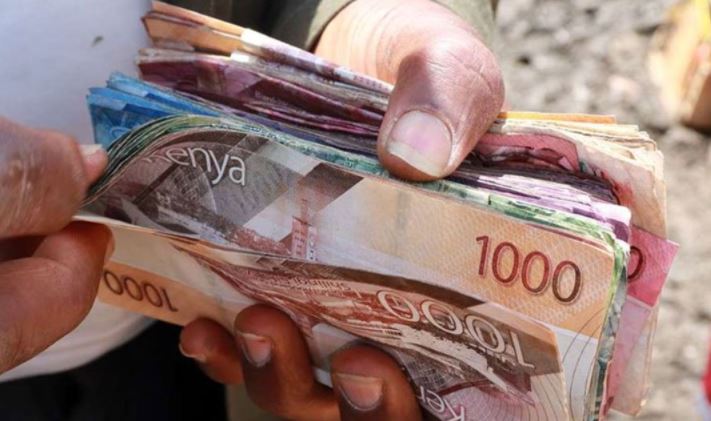
Kenya’s foreign exchange reserves dropped by Sh44 billion ($365 million) in August to Sh886 billion ($7.38 billion) on debt repayments to bilateral and commercial lenders, edging towards the minimum cover of four months of imports.
Kenya paid $110 million (Sh13.2 billion) to the Trade and Development Bank (TDB) in principal and interest on syndicated loans, while semi-annual interest payments for the $2 billion (Sh240 billion) Eurobond issued in February 2018 ate up another Sh9.3 billion ($77.5 million).
Interest and principal payments to the World Bank’s International Development Association (IDA)— which largely offers concessional loans to the world’s poorest developing countries — stood at Sh5.9 billion ($49.4 million) during the month.
Kenya’s reserves have been on a steady decline for months on reduced external borrowing due to high-interest rates and a decline in remittances from the diaspora.
The CBK normally replenished its dollar pile from proceeds of the government’s external loans, which it buys from the Treasury in exchange for shillings for deployment into the domestic economy.
The reserves, which have already dropped below the East Africa Community (EAC) preferred threshold of 4.5 months of import cover, are now approaching the country’s set minimum of four months cover, highlighting the balance of payment challenges that lie ahead should there be no significant injection either through external loans or domestic open market purchases.
“The usable foreign exchange reserves remained adequate at $7,375 million (4.2 months of import cover) as at September 1,” said CBK in its weekly markets bulletin released last Friday.