
By Andrew Kariuki
Kenya’s overall inflation rose to 6.7% in May 2026, up from 5.6% recorded in April, according to the latest inflation highlights released by the Central Bank of Kenya (CBK) and the Kenya National Bureau of Statistics (KNBS).
The rise reflects increased costs across both core and non-core consumer items, with transport, fuel and food commodities registering some of the sharpest price increases.
According to the report, core inflation stood at 3.2%, driven largely by higher prices of public transport, food and household items. City bus and matatu fares recorded a 25% increase, while the price of beef with bone rose by 11%.
Cooking oil prices increased by 2%, sifted maize flour rose by 1.4%, while non-aromatic white rice recorded a slight decline of 0.1%. Sugar prices also dropped by 5%.
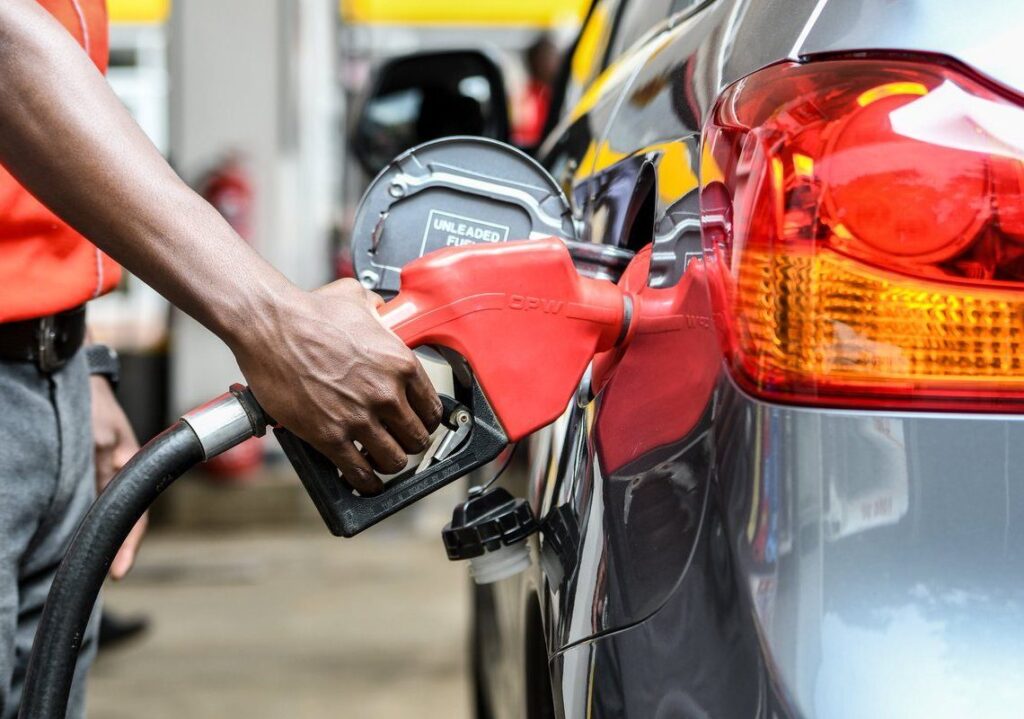
On the non-core side, inflation stood at 16%, with tomatoes registering one of the highest price increases at 45.7%. Diesel prices rose by 41.2%, cabbages increased by 37.8%, while petrol prices climbed by 22.7%.
Electricity costs, however, showed a decline, with power for households consuming 50 kilowatts dropping by 3.4%, while electricity for 200 kilowatts reduced by 5%.
KNBS noted that inflation was calculated based on price changes between May 2025 and May 2026, reflecting the rising cost of living faced by consumers across various sectors of the economy.
The data further indicates that the core Consumer Price Index (CPI) basket accounts for 81.1% of the overall CPI, making transport and essential household goods among the biggest drivers of inflation trends in the country.