By Bonface Mulyungi
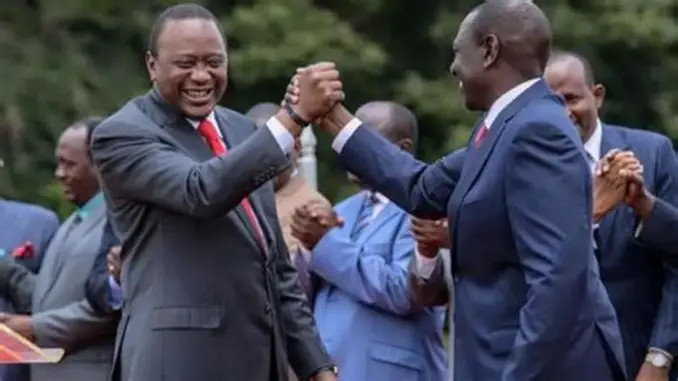
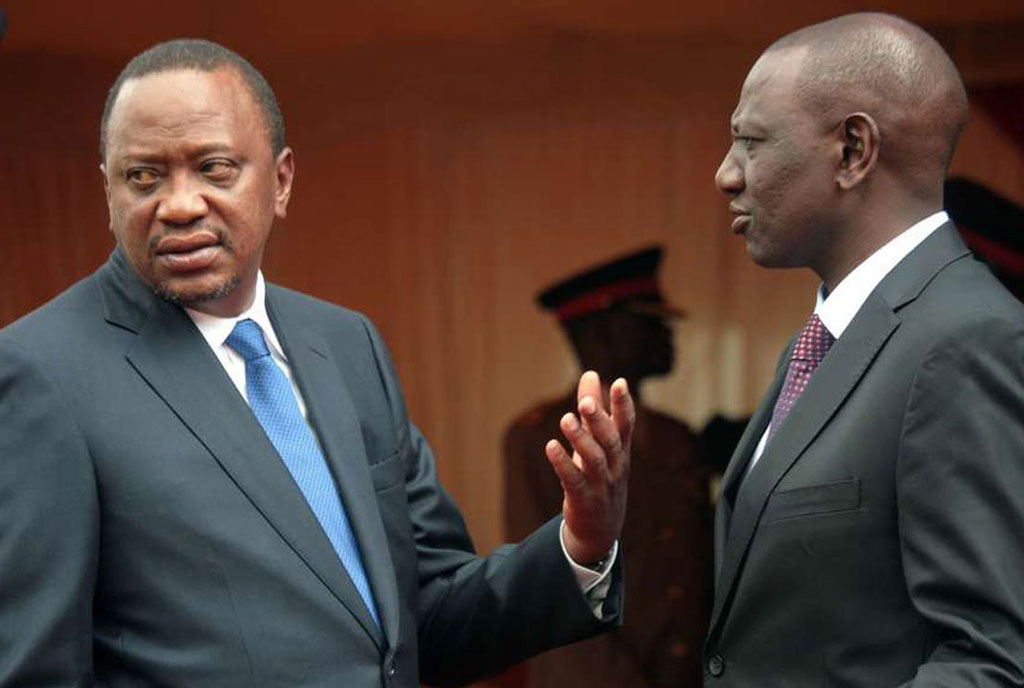
In 2006, then Eldoret North MP William Ruto fell out politically with then Gatundu South MP Uhuru Kenyatta.
The fallout was sanctioned by their support for Raila Odinga and then President Mwai Kibaki respectively.
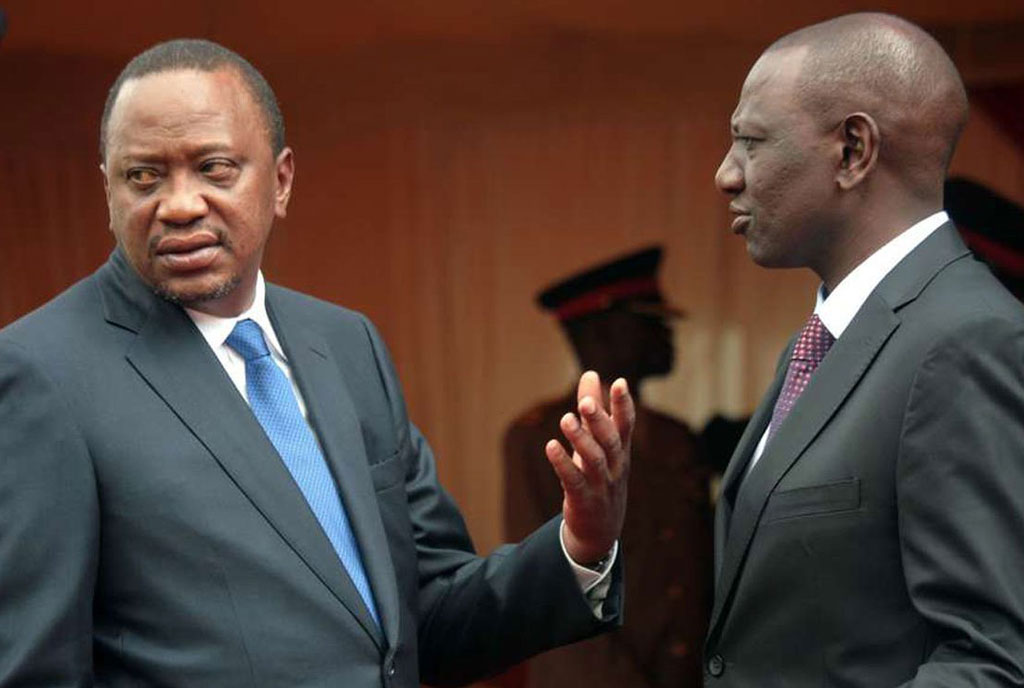
The move triggered very bad blood between their respective communities namely; the Kalenjins and Kikuyus.
A healthy seed for the 2007/2008 post-election violence was planted and matured by Dec 2007 when Kenya exploded.
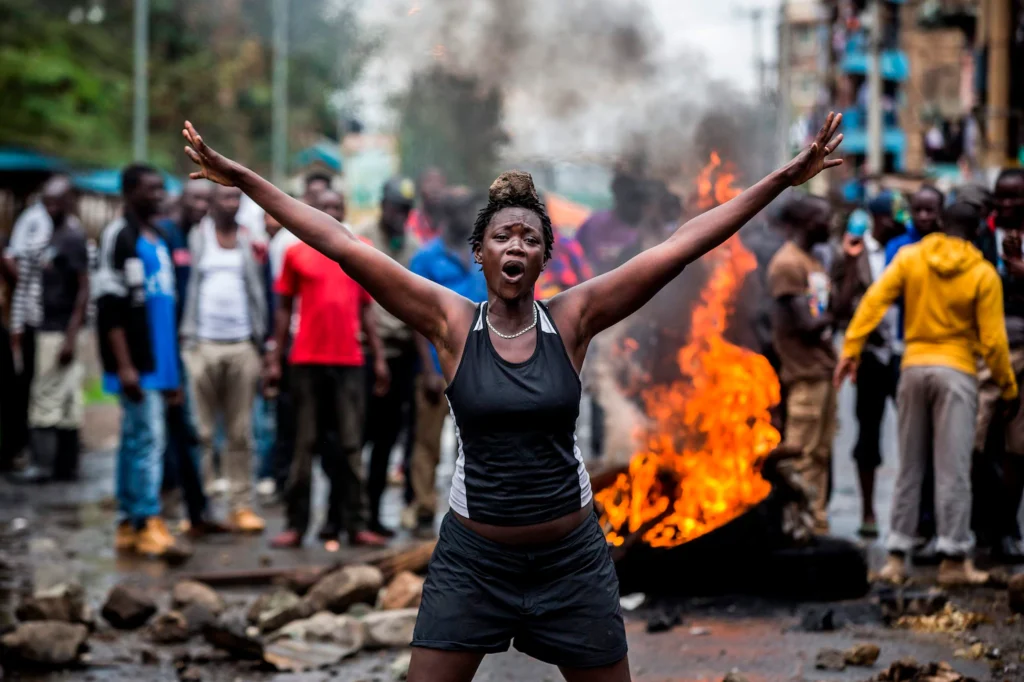
The fuel for the chaos was a narrative of one (Gema) against fourty (40) tribes.
By the time the violence ended through peace process engineered by Kofi Anan, more than 1000 people had been killed and thousands displaced.
Kenya’s 2027 General Election is still over a year away, but the groundwork for potential unrest is already being laid.
Over the weekend, President Ruto allies namely; the UDA Secretary General Hassan Omar and CS Hassan Joho targeted retired President Uhuru Kenyatta and the Gema community for major attacks akin to ethnic profiling.
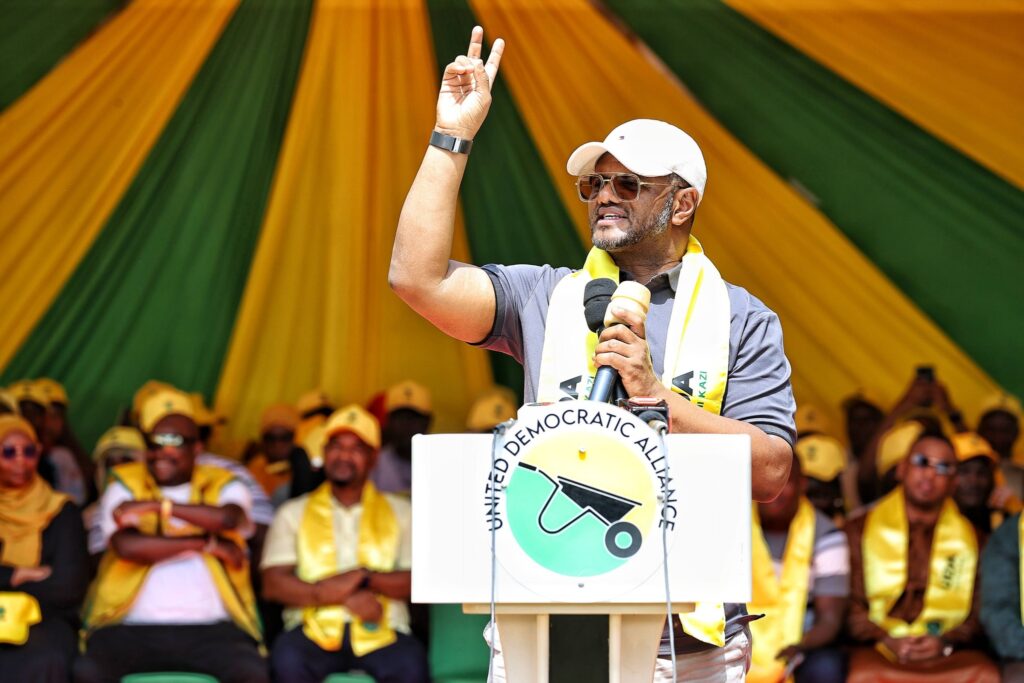
Today, Monday 25th, May 2026, Uhuru allies at a Jubilee meeting in Kiambu told off Omar and accused President Ruto of keeping quiet as the office of retired president is attacked.
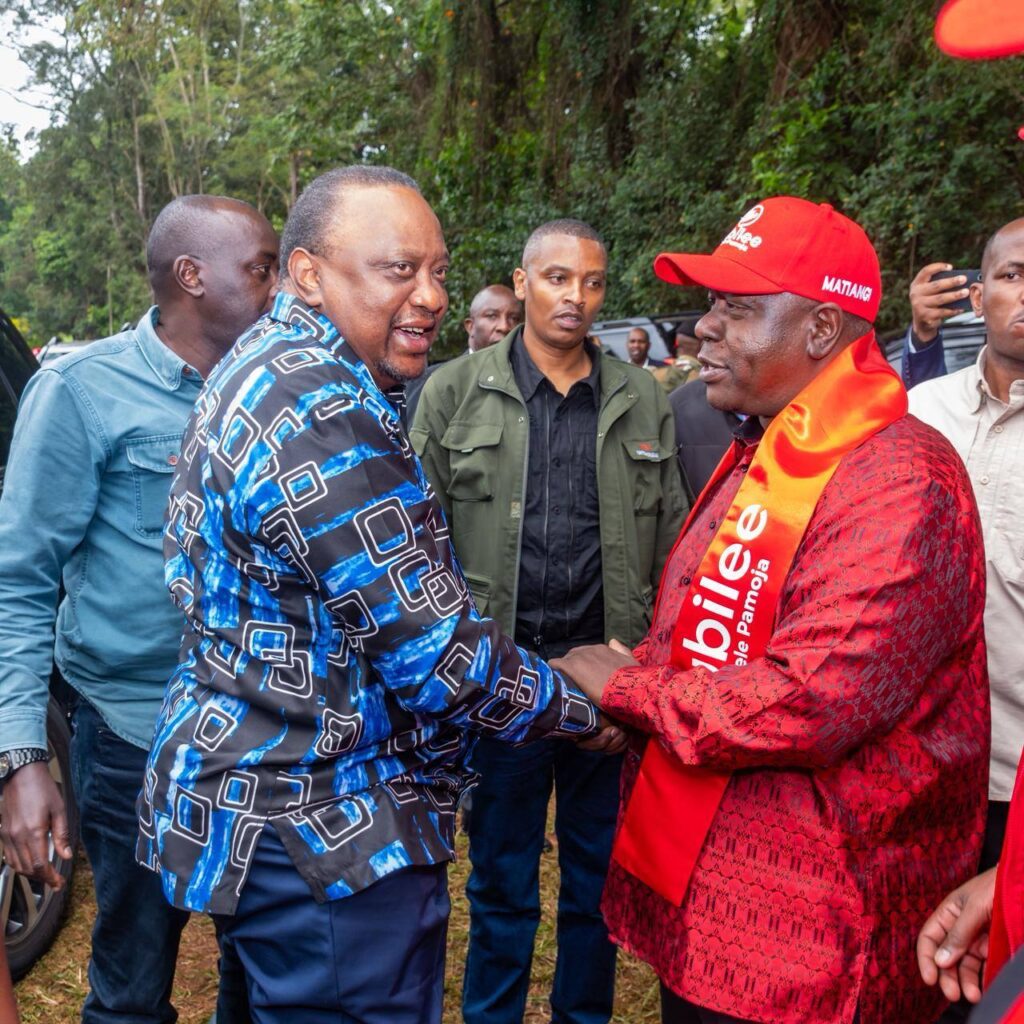
Both sides are now mobilizing political attacks that could incite ethnic tensions and possible violence as the country approach the 2027 General Election.
The fact that President Ruto was present during the Uhuru attack in Mombasa and that Uhuru himself hit back as fuel political thuggery created concern over 2027 elections.
To add, President Ruto allies namely: MP Oscar Sudi, Kakamega Deputy Governor Ayub Savula, MP Gimose and Wajir Woman Rep. Fatuma Jehow have already declared that they will rig the 2027 election in favour of Ruto, further fueling political tension.
The former DP Rigathi Gachagua has also been making unsubstantiated claims over the current fuel crisis.
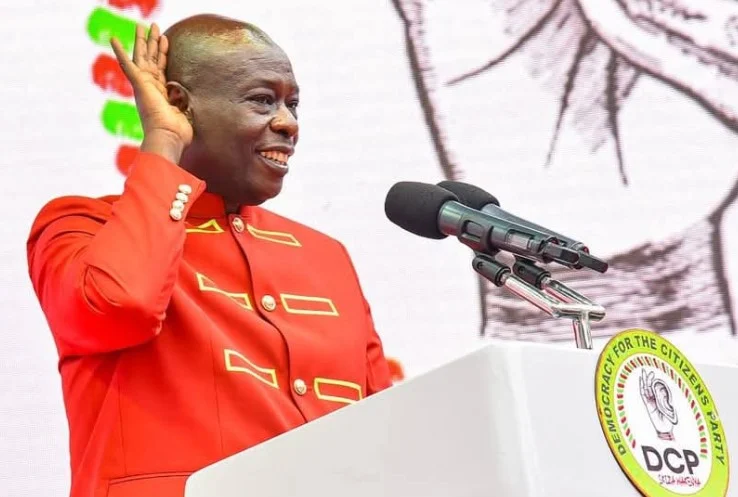
Meanwhile DP Kithure Kindiki has remained silent on these attacks, even after attacks targeting his political base, the Mt. Kenya.
NCIC too have remained mute as ethnic profiling plays ground on political rallies.
What Kenya needs now is strong, responsible leadership that actively discourages ethnic profiling, condemns threats of election rigging, and promotes dialogue across communities. Silence or complicity from top leaders only fuels mistrust.
Civil society, religious leaders, and international partners may again need to step in to cool tensions if political actors continue down this path.