By Andrew Kariuki
As fuel costs continue to weigh heavily on Kenya’s transport sector, local motorcycle manufacturer Kibo and energy technology firm Powerhive have unveiled a new electric motorcycle they hope will offer riders a cheaper alternative to petrol-powered bikes.
The motorcycle, known as the Kibo Spark, was launched in Nairobi on Thursday as part of a partnership aimed at expanding electric mobility within Kenya’s boda boda industry, one of the country’s largest sources of employment and informal transport.
The launch comes amid growing interest in electric vehicles as riders, businesses and consumers search for ways to reduce operating costs in an environment marked by fluctuating fuel prices and rising living expenses.
Unlike conventional motorcycles, the Kibo Spark, which is fully assembled in Kenya, is powered by solar powered rechargeable batteries and will operate through Powerhive’s battery-swapping network. Rather than spending time charging batteries, riders will be able to exchange depleted batteries for charged ones at designated swap stations.
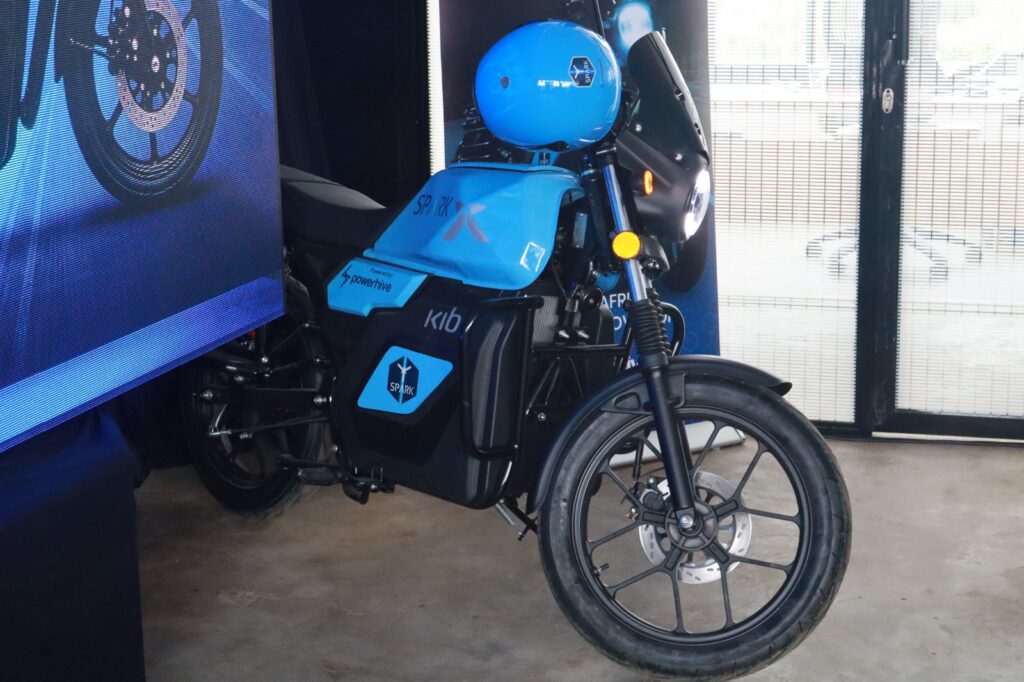
According to the companies, the motorcycle will retail at Ksh189,000 and is designed specifically for commercial use. It can travel approximately 70 kilometres on a single battery, with a dual-battery configuration extending the range to about 140 kilometres.
Industry players have increasingly pointed to the boda boda sector as a key area for electric vehicle adoption due to the high daily fuel consumption associated with motorcycle transport. Supporters argue that reducing fuel expenses could significantly improve earnings for riders while lowering maintenance costs over time.
However, experts note that the success of electric motorcycles will depend heavily on the availability of reliable infrastructure, including battery-swapping stations, servicing centres and access to spare parts.
Powerhive says it intends to expand its battery-swapping network substantially over the coming years as demand for electric transport grows. The company projects that thousands of riders could eventually transition to electric motorcycles if supporting infrastructure is rolled out successfully.
For Kibo, the move marks a significant shift from traditional motorcycle assembly into the rapidly growing electric mobility market. The company has operated in Kenya for more than a decade and is among the locally established motorcycle brands serving both government and private sector clients.
As Kenya seeks cleaner and potentially cheaper transport solutions, the launch highlights the growing competition among firms betting that electric motorcycles could become a major feature of the country’s future transport landscape.