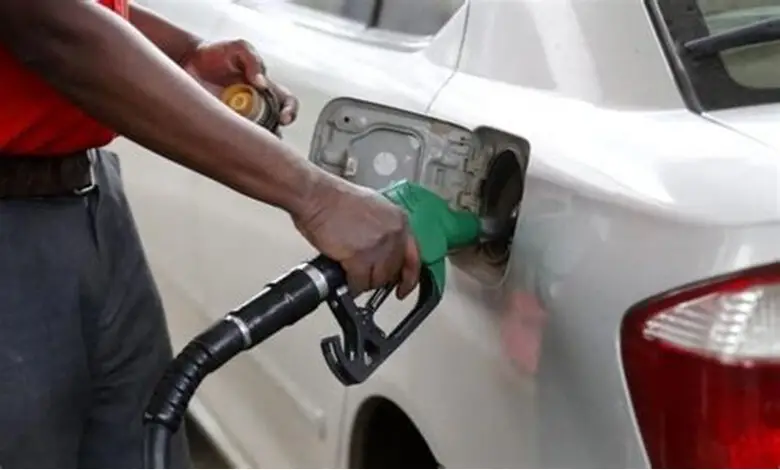
The Kenya Revenue Authority (KRA) has lost KSh 9.1 billion in revenue following the implementation of a government directive to lower fuel prices.
In a statement on June 4, KRA said the loss was recorded between April and May 2026 after the reduction of Value Added Tax (VAT) on fuel from 16% to 8% as part of measures to cushion consumers from rising global fuel costs.
“Kenya Revenue Authority (KRA) has forgone KSh 9.1 billion in tax revenue between April and May 2026 following the reduction of Value Added Tax (VAT) on fuel from 16% to 8% as part of measures aimed at cushioning consumers from rising global fuel prices,” read part of the notice.
The tax agency told the Senate Standing Committee on Energy that the intervention was intended to ease pressure on households and businesses grappling with high fuel prices driven by international market fluctuations.
KRA Commissioner for Customs and Border Control Lilian Nyawanda said the temporary tax relief was necessary to stabilize the market and ensure continued access to affordable fuel across the country.
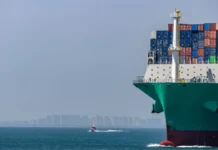
At the same time, Nyawanda addressed concerns surrounding a consignment of Premium Motor Spirit (PMS) transported by the vessel MT PALOMA, which has attracted public and parliamentary scrutiny.
Nyawanda clarified that the fuel cargo in question was re-shipped to other markets and did not enter the Kenyan market. The consignment remains under investigation.
She further explained that all related customs entries have since been canceled. However, taxes totaling KSh 5.1 billion had already been paid by various Oil Marketing Companies through the primary importer associated with the shipment.
According to KRA, the collected taxes will not be refunded but will instead be offset against future fuel import declarations by the affected companies.
Nyawanda emphasized that KRA’s role in the petroleum supply chain is limited to customs clearance, tax assessment and collection, transit control and trade facilitation, in line with its statutory mandate.
KRA noted that imported fuel products are cleared only after approval by the relevant Partner Government Agencies, which are responsible for conducting mandatory quality assurance and compliance checks.
The commissioner added that the authority has enhanced systems to expedite the processing of import documentation, enabling the timely assessment and collection of duties, VAT and other statutory charges.
KRA said the measures help expedite the release of fuel imports at the Port of Mombasa and ensure smooth distribution across the country, thereby avoiding supply interruptions.
The authority added that it remains committed to supporting lawful trade, protecting government revenue, and backing efforts to stabilize fuel prices and shield consumers from changes in global oil markets.