
World Wildlife Day reminds humanity that biodiversity loss is no longer a distant environmental concern. It is an economic issue, a security issue, and a moral responsibility shared by governments, scientists, innovators, conservationists, and citizens alike.
On this occasion, the Kenya Wildlife Service (KWS) is highlighting the advanced technologies it is deploying to strengthen wildlife protection across Kenya.
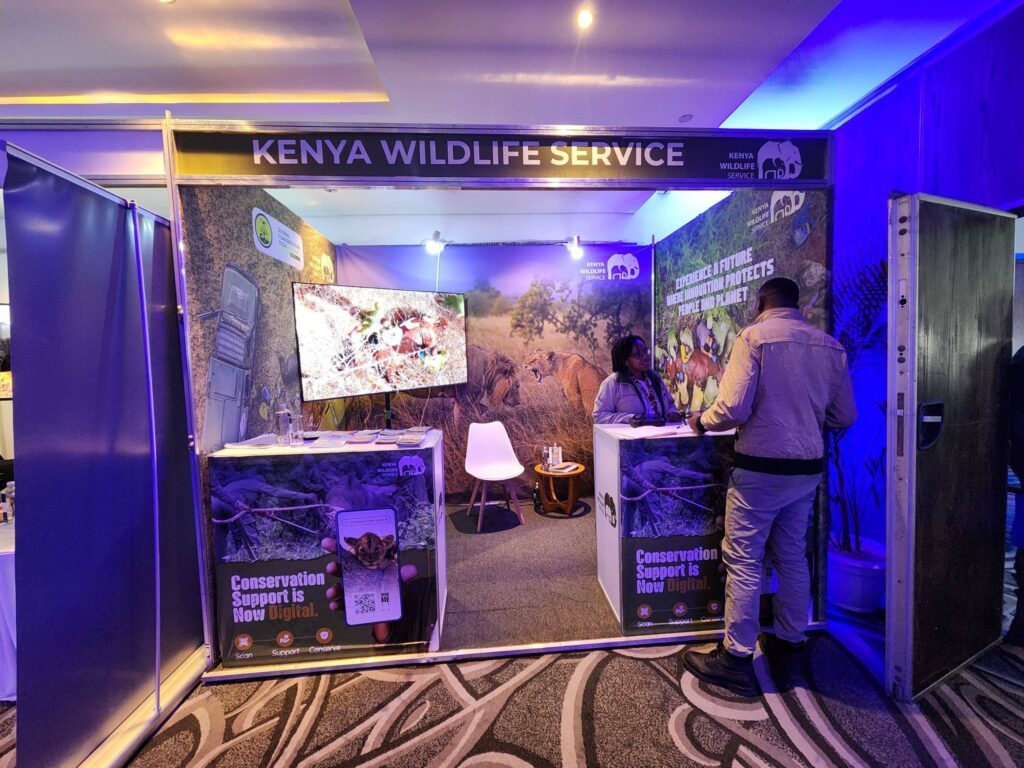
Today, KWS Director General, Prof. Erustus Kanga, officially opened the Global Conservation Tech and Drone Forum in Nairobi, signaling a firm commitment to technology-driven conservation.

Science and technology must guide both policy and field operations. Modern conservation relies on real-time data, precision monitoring, and intelligent systems that enhance situational awareness.
Through drones, remote sensing tools, GIS, thermal imaging, and data analytics platforms, KWS is transforming how wildlife and protected areas are monitored.
These technologies enable continuous surveillance, early detection of ecosystem stress, and rapid response to illegal activities, particularly in remote and harsh terrains.
In his remarks, Prof. Kanga emphasized that wildlife crime has become technologically sophisticated, with criminal networks operating across borders using advanced communication systems and coordinated logistics.
To counter this threat, conservation efforts must match, and surpass that level of technological capability.
At the same time, climate change is accelerating habitat shifts, intensifying drought patterns, and placing ecosystems under unprecedented stress, making advanced monitoring systems, predictive analytics, and digital mapping essential for adaptive management and ecosystem resilience.
By Anthony Solly