By Andrew Kariuki
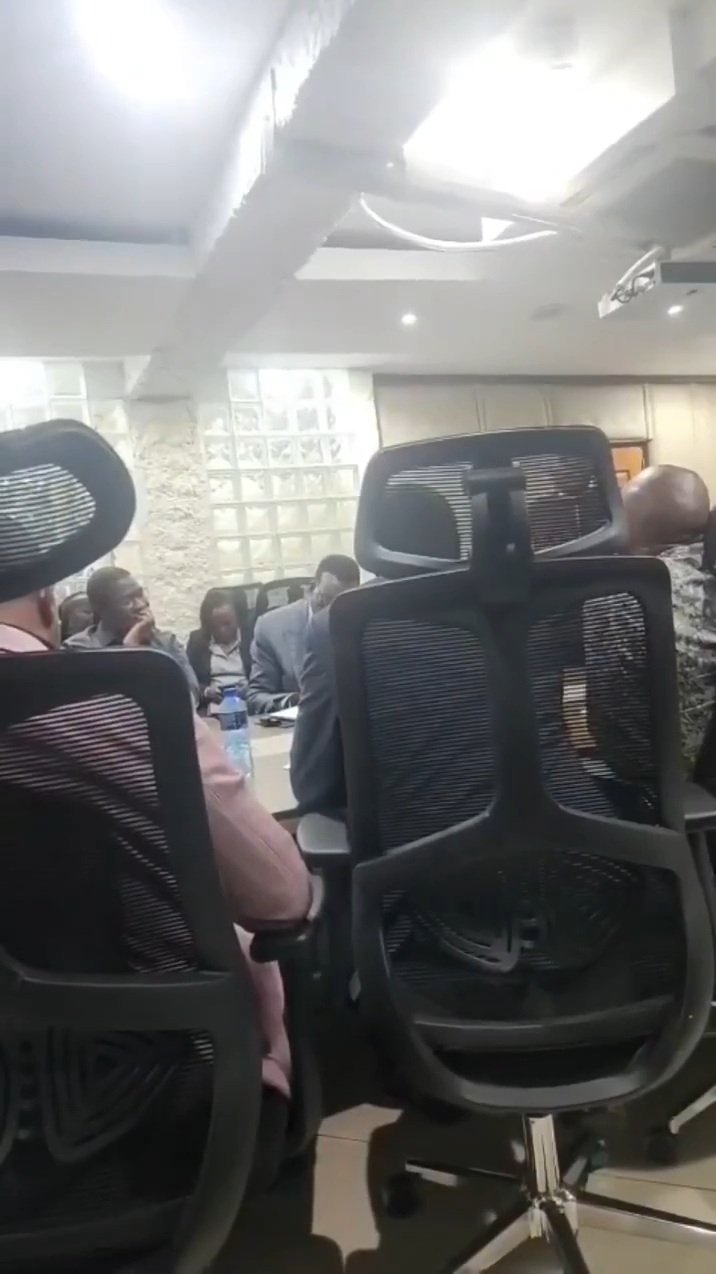
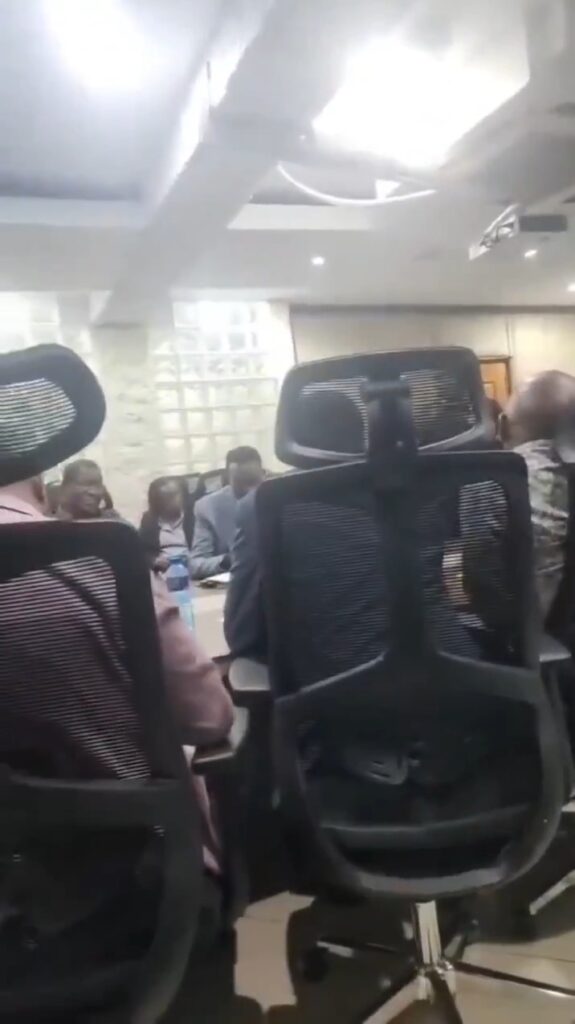
A leaked video circulating widely on social media has exposed tense closed-door negotiations between government officials and matatu operators over the ongoing fuel price crisis that triggered nationwide transport disruptions.
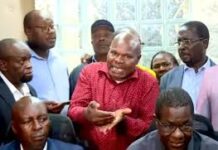
The footage, reportedly recorded during a high-level meeting between government representatives and transport stakeholders, captured dramatic exchanges as frustrated matatu operators rejected attempts to justify the latest fuel price increases.
In the now-viral clip, Head of Presidential Special Projects and Creative Economy Dennis Itumbi is seen trying to calm a restless room as transport sector representatives repeatedly interrupted discussions.
“Hata ukiskia simake sense ni-allow tu niongee,” Itumbi is heard telling the room as he struggled to explain the government’s position on the crisis.
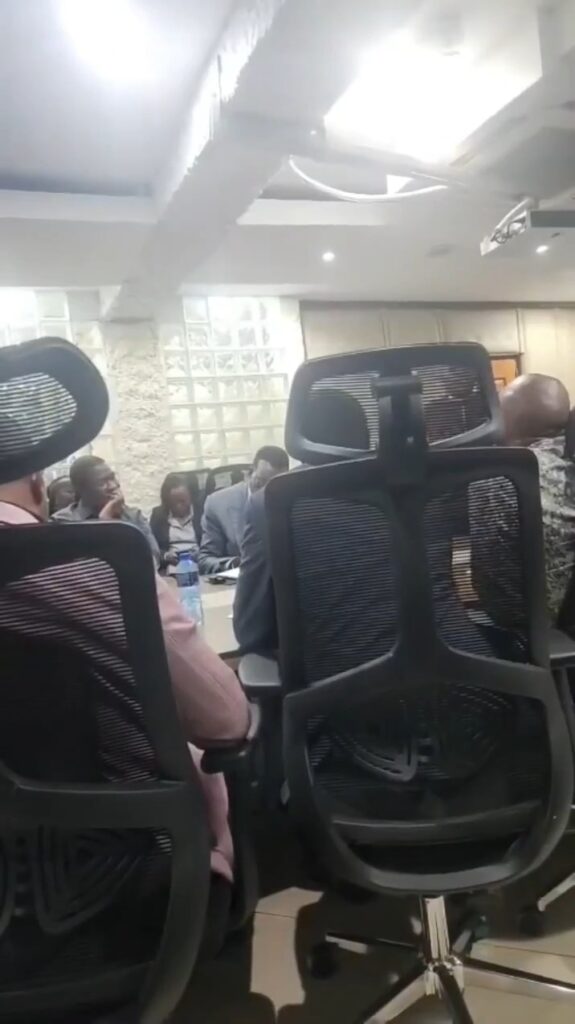
Standing alongside Roads and Transport Cabinet Secretary Davis Chirchir, Itumbi argued that the rising fuel prices were largely being driven by global geopolitical tensions rather than local government policy failures.
He pointed to the ongoing conflict involving Iran, the United States and the closure of the Strait of Hormuz as major factors affecting global fuel supply and prices.
According to Itumbi, the government had already absorbed part of the fuel burden and warned that the situation could worsen depending on developments in the Middle East.
“So hiyo Ksh5 billion gava iko nayo iapply saizi, next month mtajipanga? So leo wale wanafuatanga Twitter mmeona Trump ametweet. Ameambia Iran tunakuja tena,” Itumbi said during the heated meeting.
The leaked footage emerged shortly after a joint press briefing involving government officials and transport sector representatives appeared to collapse publicly.
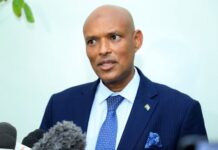
During the briefing, Energy Cabinet Secretary Opiyo Wandayi had announced that the government and operators were exploring measures to reduce fuel adulteration by narrowing the price gap between diesel and kerosene.
However, a representative from the matatu sector immediately contradicted Wandayi, insisting no agreement had been reached and declaring that the nationwide strike would continue.
The disagreement drew cheers from operators present as government officials walked away from the briefing.
Transport industry leaders later clarified that while they supported efforts to curb fuel adulteration, they had not endorsed the proposed diesel pricing adjustments announced by the government.
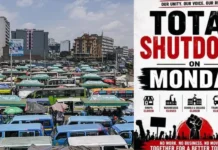
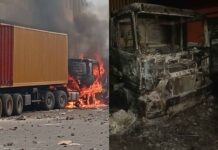
The fuel protests and transport shutdown paralysed movement across Nairobi and several towns as thousands of Kenyans were forced to walk to work following the withdrawal of matatus, boda bodas and taxi services.