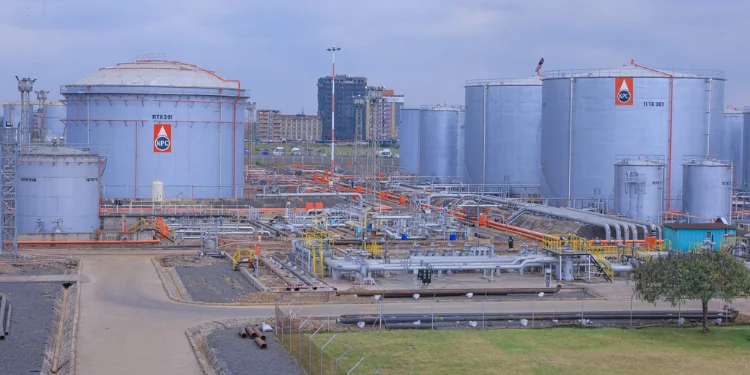
The High Court of Kenya dismissed consolidated petitions on Thursday, 19 February 2026, that sought to block the privatization of the Kenya Pipeline Company (KPC).
This ruling by Justice Bahati Mwamuye provides major relief for the state by clearing the final legal hurdles to proceed with the planned sale of a 65% stake in the strategic energy asset. The court held that the privatization process followed constitutional and legal thresholds, including those outlined in Sessional Paper No. 2 of 2025.
Justice Mwamuye ruled that the Privatization Act, 2025 maintains adequate parliamentary oversight and does not grant unchecked power to the Executive.The bench rejected claims of a lack of transparency, finding that the framework substantially complied with laws regarding public participation and the management of state corporations.
The court clarified that employment-related concerns raised by the Kenya Petroleum and Oil Workers Union fall under the jurisdiction of the Employment and Labour Relations Court, allowing that specific union to seek redress there if needed.
The government aims to raise approximately KSh 106.3 billion through the sale to fund critical development projects and reduce national debt.The state has set a deadline of 31 March 2026 for KPC shares to be listed on the Nairobi Securities Exchange (NSE).
The government will retain a 35% shareholding, while offloading the majority stake to democratize ownership among Kenyans and institutional investors.
The petitions were originally filed by groups including the Consumer Federation of Kenya (COFEK) and opposition MPs who argued that KPC is a strategic national asset critical to energy security. The court, however, maintained that while public assets attract scrutiny, the law does not prohibit their privatization when due process is followed
By Anthony Solly