A physics and chemistry teacher from Machakos County is among 50 finalists for the 2026 Global Teacher Prize, a Sh130 million award presented to exceptional teachers.
Shallom Maweu Sila, who teaches at St Francis Misyani Girls High School in Kangundo, is the only Kenyan educator shortlisted from thousands of nominees worldwide.
The awards ceremony is set for February 2026 in Dubai.
The Global Teacher Prize, often referred to as the “Nobel Prize for Teaching, recognises educators whose work has had a transformative impact on learners and communities.
Nominations of teachers who meet specific criteria are open to the worldwide public, and teachers can also nominate themselves.
The recognition crowns a remarkable year for the Machakos-based teacher. Earlier in 2025, he was named First Runners-Up for the African Union Continental Best Teacher Award, and in October, the Teachers Service Commission (TSC) honoured him during World Teachers’ Day celebrations for exemplary national service.
According to the Global Teacher Prize citation, Sila has transformed STEM education for girls in rural Machakos through innovative, learner-centred and technology-driven teaching methods.
Since joining St Francis Misyani Girls in 2014, physics enrolment at the school has risen from nine per cent in 2016 to over 40 per cent in 2025, the highest increase recorded in the county.
He is an ambassador of virtual laboratories, including LabXchange developed by Harvard University, and integrates simulations, videos, robotics, coding and Artificial Intelligence into classroom instruction using problem-based and inquiry-based learning approaches.
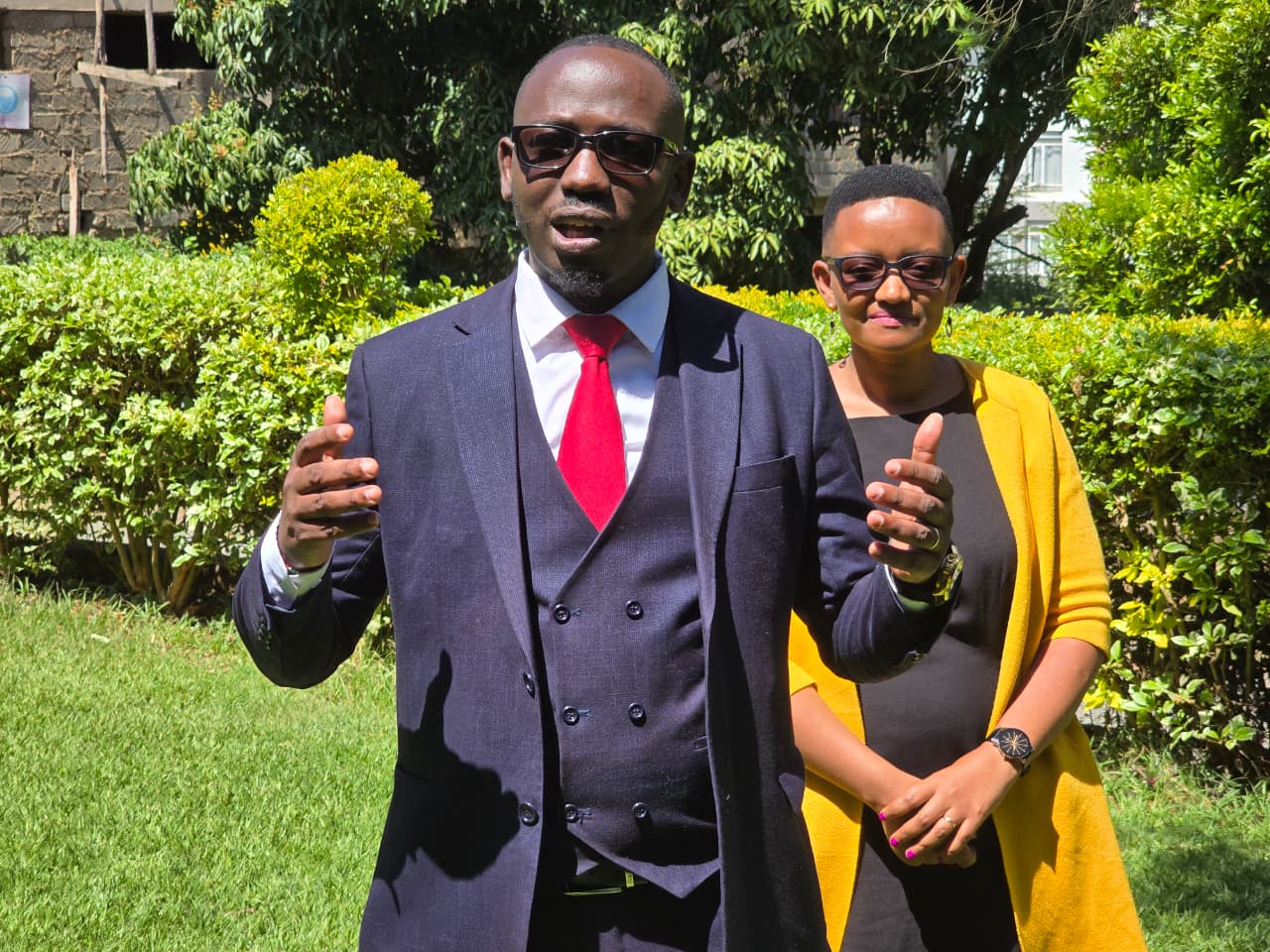
Physics and chemistry teacher at St Francis Misyani Girls High School in Kangundo Shallom Maweu Sila with his wife Esther Mueni/HANDOUT
Sila rose to national prominence during the COVID-19 school closures, when he volunteered to teach online using Zoom and Microsoft Teams.
Starting with just two learners, the programme grew to over 10,000 weekly participants within 17 weeks.
The success of the initiative led the government, through TSC, to adopt it as a formal remote learning model, appointing him a national trainer in digital pedagogy.
Beyond the classroom, Sila co-founded a school-based education fund supporting over 150 needy girls annually with partial scholarships, sanitary towels and stationery.
He has also championed environmental education projects in biogas, solar energy and tree planting, reducing school energy costs by 30 per cent.
More than 50 former students from his school are currently pursuing STEM-related courses in universities and technical colleges, many returning to mentor younger learners and challenge long-held attitudes that science subjects are masculine.
Speaking after the announcement, Sila said, “The recognition belongs to teachers across Kenya who continue to serve under challenging conditions.”
If he wins the Global Teacher Prize, he plans to establish a makerspace and a Community ICT and Innovation Hub in Machakos to expand digital access and nurture young inventors.
The top 50 were selected from over 5,000 nominations and applications from 139 countries from around the world.