By Andrew Kariuki
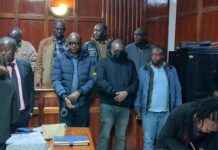
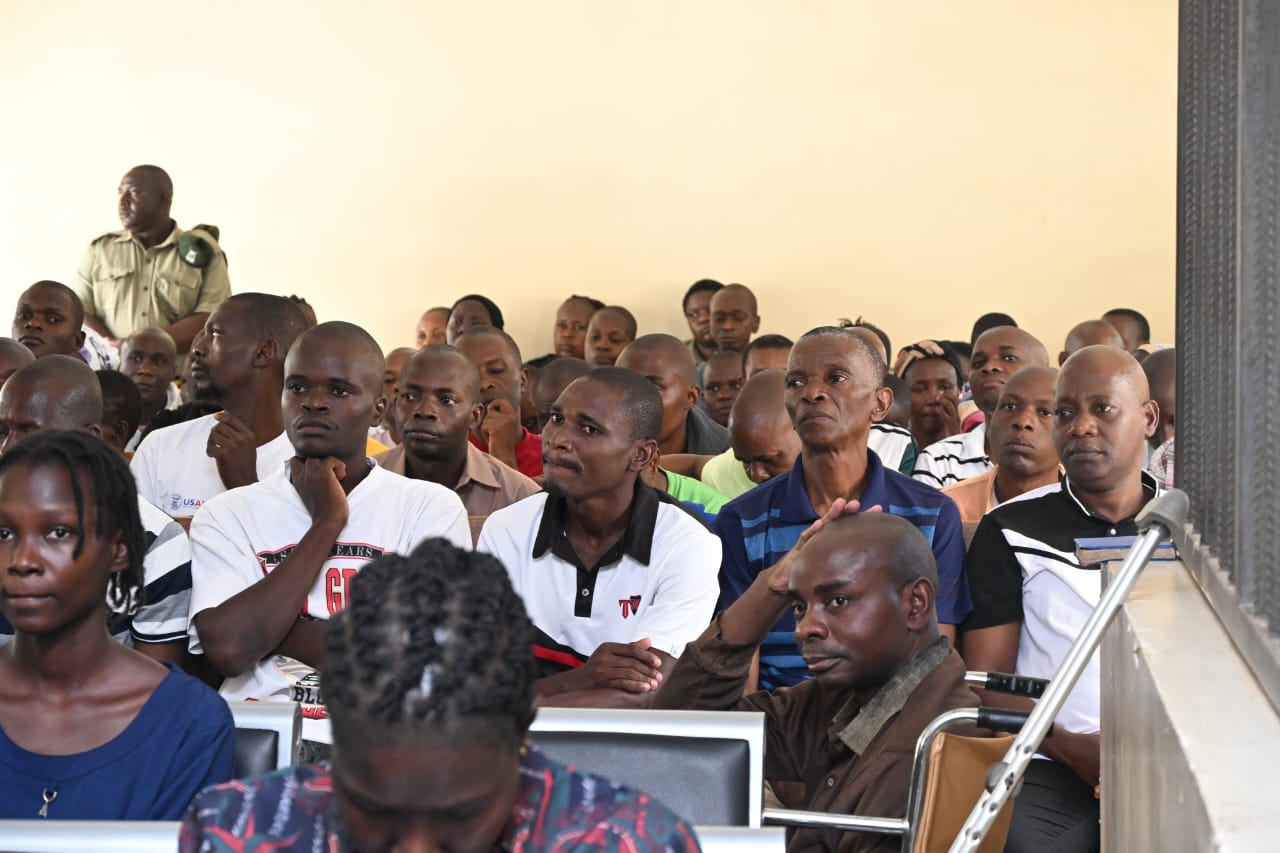
The defence case in the terrorism trial involving controversial preacher Paul Mackenzie and his co-accused gained momentum on Tuesday after four accused persons took the witness stand, offering personal accounts of life inside the Good News International Church and their eventual move to Shakahola.
Defence lawyers informed the court that 19 witnesses are expected to testify on behalf of the accused persons as they seek to counter allegations of organised crime, radicalisation and terrorism-related activities.
One of the witnesses, Alice Kawira, described herself as a “Mteule” and told the court she relocated to Shakahola after purchasing land for KSh1,500.
Kawira testified that before moving, she had been living in Mombasa where she operated a business and later sold her house for KSh380,000 to facilitate a permanent move to the settlement.
She told the court she regularly attended church services in Bombolulu, Mombasa, but claimed she did not know the official name of the church because there was no signboard identifying it.
In her testimony, Kawira also stated that she did not believe in taking children to school or seeking hospital treatment, adding that one of her children died following an accident when the child was six years old.
Another witness, 41-year-old Lucas Owino Ogola, testified that he had attended Good News International Church in Nairobi before it shut down in 2019 and identified Mackenzie as the leader of the church.
Ogola also identified George Mwaura as the pastor in charge of the Nairobi congregation.
The witness, who referred to himself as a “Mteule,” drew attention in court after declining to swear using the Bible, saying his faith does not permit taking oaths in that manner.
Instead, he gave an unsworn statement and narrated what he described as a spiritual experience that led him to Shakahola.
According to Ogola, he heard what he believed was the voice of Jesus telling him, “Get out because the door is being closed,” a message he said pushed him to travel to Shakahola three days later.
He told the court that at the time, he believed he was travelling to a place called “Samaria” and only later realised the destination was Shakahola.
Ogola further testified that he was assaulted while in Shakahola after disagreeing with certain individuals over differing views.
He maintained that despite attending gatherings led by Mackenzie, he never heard the preacher instruct followers to starve themselves to death.
The witness also told the court that prayer had remained central to his life, recalling an incident where he recovered from illness while in prison after praying.
The defence hearing follows a lengthy prosecution case in which investigators presented 96 witnesses, including survivors, experts and investigators, alongside nearly 500 exhibits, evidence the court found sufficient to place the accused on their defence.