The Kenya Meteorological Department (KMD) has issued a warning that the country will experience uneven rainfall during the October, November, and December (OCD) seasons this year.
The forecast indicates that the country will see a late onset and an early cessation, particularly in the Eastern region, where several parts of the highlands west of the rift valley, the Lake Victoria basin, and the central and south Rift Valley will continue to receive light rains in September.
When releasing the national weather forecast report at a Machakos hotel, KMD Deputy Director Climate Services Dr. David Gikungu noted that the country is already experiencing drought conditions, particularly in Arid and Semi-Arid counties, due to insufficient rainfall over the last four seasons.
“The short rains constitute an important rainfall season in Kenya particularly in the Central and South-Eastern regions of the country. The seasonal forecast indicates with high confidence that most parts of the country are likely to experience depressed rainfall with higher probabilities over the Eastern section,” he said.
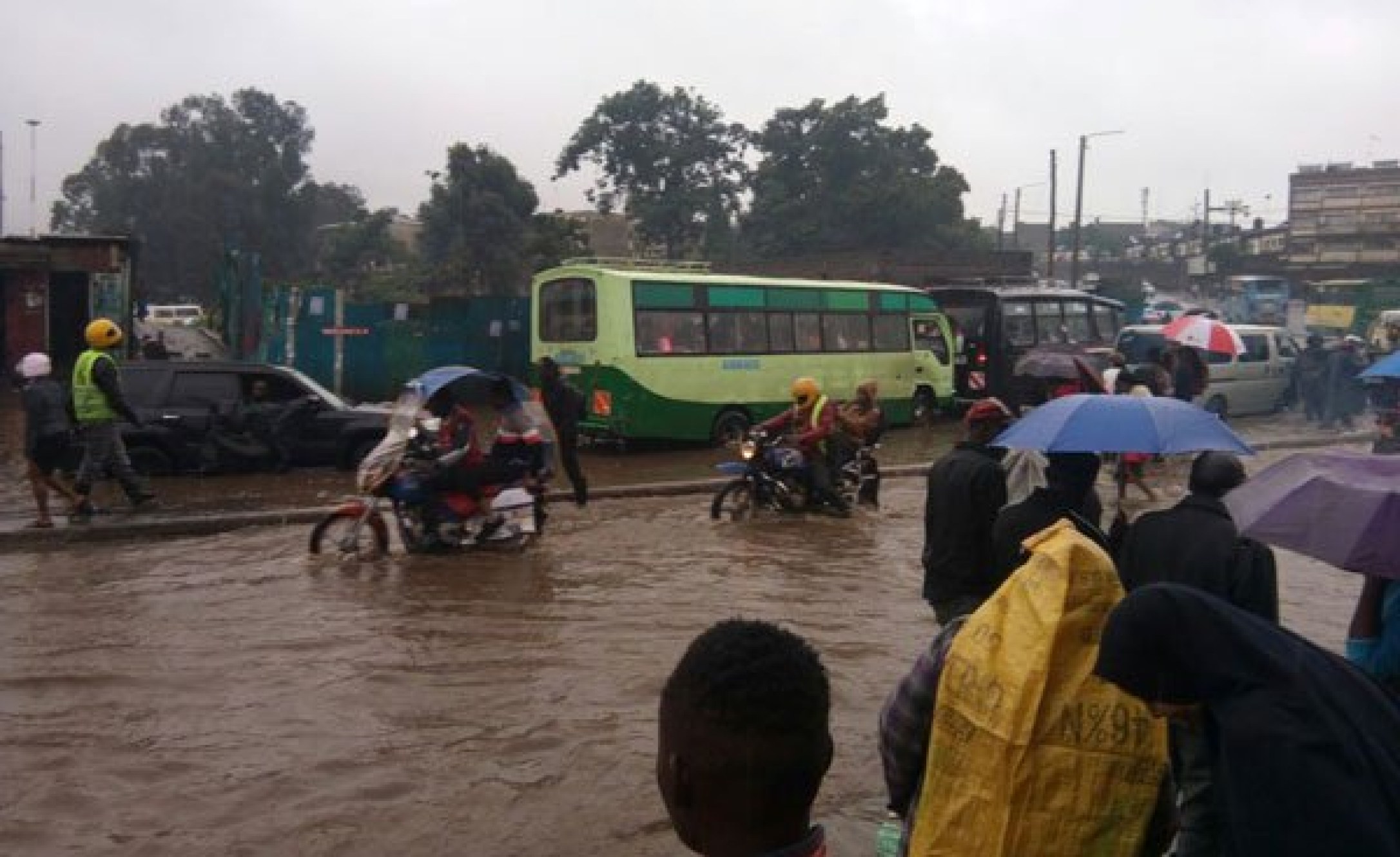
“During the season, it is likely that most areas will have a generally poor distribution in both time and space. Despite the depressed rains, isolated incidences of storms that could cause flash floods are likely to occur,” added Gikungu.
The forecast also indicated that the start of the rainfall season is likely to be delayed across much of the eastern parts of the country. The western part of the country will continue receiving rainfall from September.
“Despite the expected depressed rains, isolated incidences of storms that could cause flash floods are still likely to occur. For the larger part of the country, the season will likely bring warmer-than-average temperatures, especially over the eastern parts of the country,” the forecast showed.
The short rains forecast indicated that areas likely to receive below-average (depressed) rainfall include Siaya, Kisumu, Homa Bay, Migori, Kisii, Nyamira, Trans Nzoia, Baringo, Uasin Gishu, Elgeyo Marakwet, West Pokot, Nandi, Kericho, Kakamega, Vihiga, Bungoma, Busia, Laikipia, Nakuru and Narok, Nyandarua, Nyeri, Kirinyaga, Murang’a, Kiambu, parts of Embu, and Nairobi, parts of Machakos, Kajiado, Turkana and Samburu Counties.
Areas likely to receive increased probabilities for below-average (highly depressed) rainfall are Mandera, Marsabit, Wajir, Garissa, Isiolo, Mombasa, Tana River, Kilifi, Lamu, Kwale, Kitui, Makueni, parts of Machakos Taita Taveta, Kajiado, parts of Embu, Meru and Tharaka Nithi Counties.
“However, a small section of the western sector of the Country Bungoma, Kakamega, Busia, Trans Nzoia, and West Pokot are like to receive near-average, tending towards below average rainfall,” the OND forecast showed.
Onset of rains in Siaya, Kisumu, Homa Bay, parts of Migori, Kisii, Nyamira, Trans Nzoia, Baringo, Uasin Gishu, Elgeyo Marakwet, parts of West Pokot, Nandi, Kericho, Kakamega, Vihiga, Bungoma, Busia, Laikipia, Nakuru and Narok will start in September.
Onset of rains in Nyandarua, Nyeri, Kirinyaga, Murang’a, Kiambu, Meru, Embu, Tharaka Nithi and Nairobi will start from the fourth week of October – 1st week of November while the onset will be will end the third and fourth week of December.
“In Kitui, Makueni, Machakos Taita Taveta, Kajiado, Mombasa, Tana River, Kilifi, Lamu and Kwale Counties the rains will start from the first to fourth week of November and will end in the third and fourth week of December,” the forecast revealed.