MEXICO CITY
When a drug cartel came calling at a store selling vapes in northern Mexico, the owners knew they were powerless.
The cartel abducted two employees, blindfolded them and demanded to speak with their bosses. It declared it was seizing the store, which would only be allowed to sell online outside the state.
“They don’t come asking whether you want to (give them your business) or not, they come telling you what’s about to happen,” said one of the owners, now 27 and living in the United States.
He spoke on condition of anonymity out of fear of reprisal.
That was in early 2022, when vapes were still legal in Mexico—a market worth $1.5 billion. But earlier this month, the country banned the sale of electronic cigarettes, though not their use.
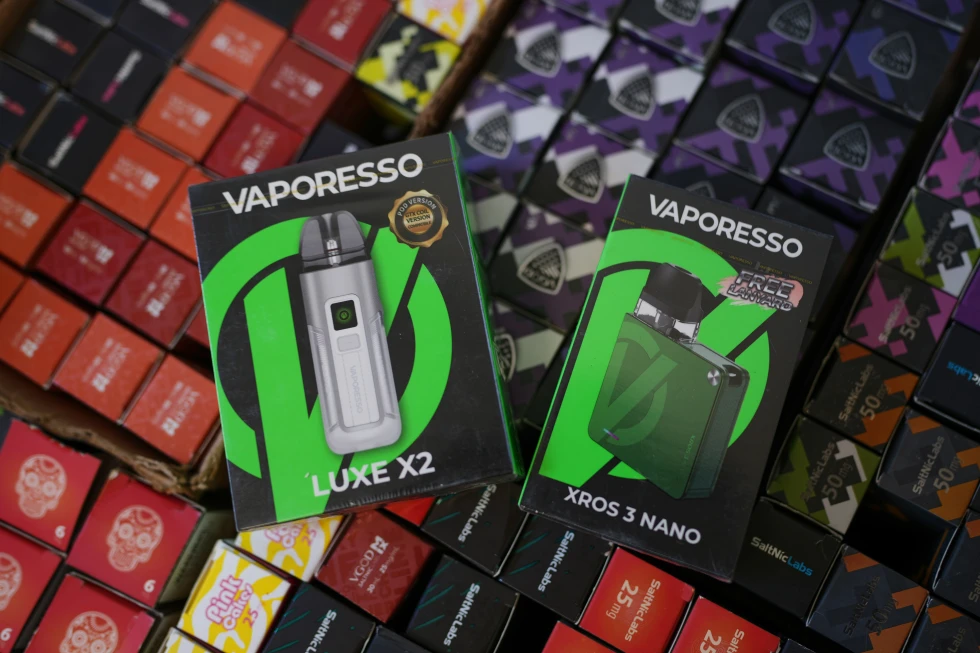
Experts now believe organized crime will consolidate its control over the lucrative trade.
“By banning it, you’re handing the market to non-state groups” in a country plagued by corruption and cartel violence, said Zara Snapp, director of the Mexico-based Ría Institute, which studies drug policy in Latin America.
The ban may also strengthen cartels by providing a new revenue stream that is not a high priority for U.S. authorities, because vapes remain legal there, said Alejandro Rosario, a lawyer representing many vape shops.
By James Kisoo