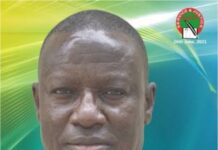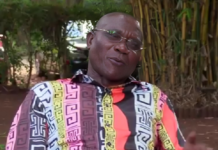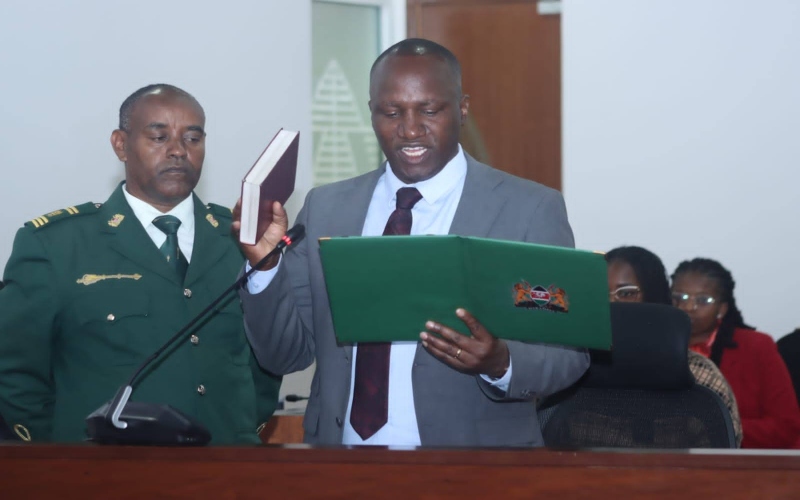
The National Assembly’s Defence, Intelligence and Foreign Relations Committee, led by Belgut MP Nelson Koech, on Monday, April 27, vetted Julius Murori Mbijiwe following his nomination as Kenya’s Ambassador to the Vatican.
Mbijiwe currently serves as Chief of Staff in the Meru County Government, a role he assumed in April 2025.
Before that, he served as a Member of the County Assembly in Meru from 2013 to 2022.
Mbijiwe’s background spans more than 20 years in public administration, governance, and education, alongside involvement in community and faith-based initiatives.
While appearing before the committee, the nominee pointed to his leadership credentials, including his time as Chairperson of the Budget Committee in the county assembly.
He argued that his experience in governance and negotiation would be instrumental in strengthening Kenya’s diplomatic engagement with the Holy See.
Despite this, lawmakers raised concerns about his lack of formal diplomatic experience, especially given the number of career diplomats awaiting such appointments.
Committee Chairperson, Koech, pressed him on the matter, referencing a proposed framework on diplomatic appointments.
“There is a proposed law before the National Assembly on a 70:30 ratio in diplomatic appointments, whereby 70 per cent of diplomats are drawn from diplomatic roles and 30 per cent from other fields. Do you support this proposition because, as we are talking now, you are employed as the Chief of Staff in Meru County, yet there are career diplomats who have been waiting for a long time for an opportunity to serve?” he asked.
In his response, Mbijiwe defended the idea of drawing ambassadors from a wider professional pool.
“I am aware of the Bill that is in process; however, I find it prudent that appointment of Ambassadors be across the board, not necessarily from diplomats alone.
“Experience from other fields, including politics, also contributes significantly to diplomacy. I would support the idea of keeping it open because all these other fields are important for service,” he said.
Committee members also sought clarity on how Mbijiwe would manage the mission, particularly as Kenya is expected to establish a new presence at the Holy See amid financial and staffing constraints.
Lawmakers further questioned how he would align the mission with Kenya’s foreign policy priorities, particularly economic diplomacy, given the largely non-commercial nature of the Holy See.

Saboti MP Caleb Amisi raised concerns about achieving tangible economic outcomes.
“Our foreign policy is anchored on several pillars, including economic diplomacy. The Holy See is largely non-commercial. How do you intend to advance this pillar in such a mission?” he asked.
In response, Mbijiwe emphasized the need to adapt to the unique nature of the posting while identifying alternative opportunities.
“It is true that the Holy See is not primarily focused on economic trade but on education, health, and peacekeeping. I will study the country and its operations, and work closely with Kenya’s Ministry of Foreign Affairs to identify any possible economic opportunities, without compromising the mission and values of the host state,” he stated.
The committee will now review his suitability and prepare a report with its recommendations for submission to the National Assembly for debate.