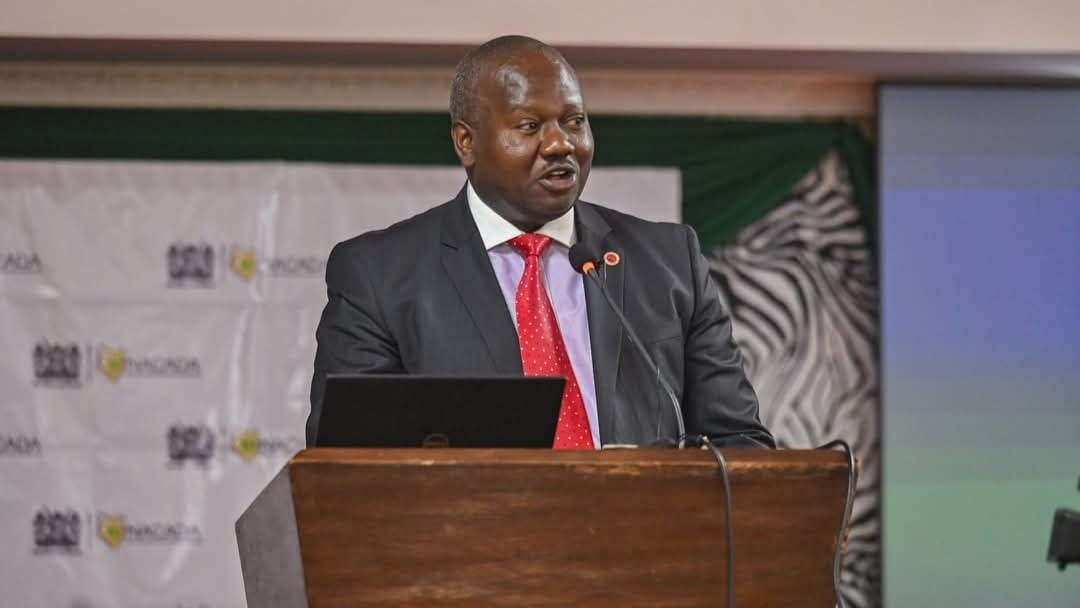
The National Authority for the Campaign Against Alcohol and Drug Abuse (NACADA) has released alarming findings showing that more than 1.3 million Kenyans are in need of treatment and rehabilitation services for substance abuse disorders.
In a statement on Thursday, January 15, NACADA announced the results of a comprehensive nationwide inspection of treatment and rehabilitation facilities conducted between November and December 2024 under the Rapid Results Initiative (RRI).
According to the report, 135 facilities received full accreditation, indicating they offer a combination of residential and outpatient services across varying levels of care.
The accredited centers, many of which operate as Level 3 residential facilities, now form the foundation of the nation’s treatment and recovery infrastructure.
However, the inspection revealed concerning gaps in service delivery. Thirty facilities were granted conditional accreditation, while 15 facilities received immediate closure orders due to severe breaches of patient care standards.
The closure notices were issued for violations, including inadequate sanitation and hygiene, unsafe infrastructure, and insufficient numbers of qualified medical personnel.
An additional 56 facilities were identified as requiring close monitoring to ensure compliance with established standards in the future.
The findings expose major issues across Kenya’s rehabilitation landscape. The report noted that most accredited facilities are privately owned, creating a situation where quality inpatient care remains financially out of reach for numerous families.
NACADA highlighted a severe shortage of specialized public-sector facilities and community-based programs that could serve vulnerable populations.
Particularly concerning is the absence of specialized rehabilitation services tailored for women and adolescents, two groups that require distinct approaches to addiction treatment.

The report emphasized that, based on the latest national data regarding the prevalence of alcohol and substance abuse in Kenya, over 1.3 million citizens require treatment for drug and alcohol use disorders.
The NACADA report comes as the government escalates its nationwide campaign against substance abuse and drug trafficking.
Earlier this month, on Wednesday, January 7, President William Ruto unveiled plans to station multi-agency border control teams at five strategic entry points as part of an enhanced crackdown on narcotics trafficking and organized crime networks operating in the country.
During his announcement, the President revealed he had convened a multi-agency meeting to expedite the implementation of anti-drug measures consistent with pledges he made in his New Year’s Address to the nation.
“To disrupt drug trafficking and organised crime, multi-agency border teams will be deployed at five key entry points,” the President declared.
The government has committed to working collaboratively with county administrations and NACADA to establish rehabilitation facilities in all 47 counties, while simultaneously strengthening rehabilitation services within national referral hospitals.
President Ruto noted that the Social Health Authority would expand coverage for addiction treatment and recovery programs, guaranteeing that individuals affected by substance abuse have access to holistic care and support mechanisms.
“Our focus remains clear; we will apply a whole-of-government approach integrating prevention, enforcement, treatment, and recovery to safeguard our people and national security,” the President stated.