The National Assembly has received a petition calling for urgent policy and health system interventions to improve the management of haemophilia and other bleeding disorders affecting patients and children in the country.
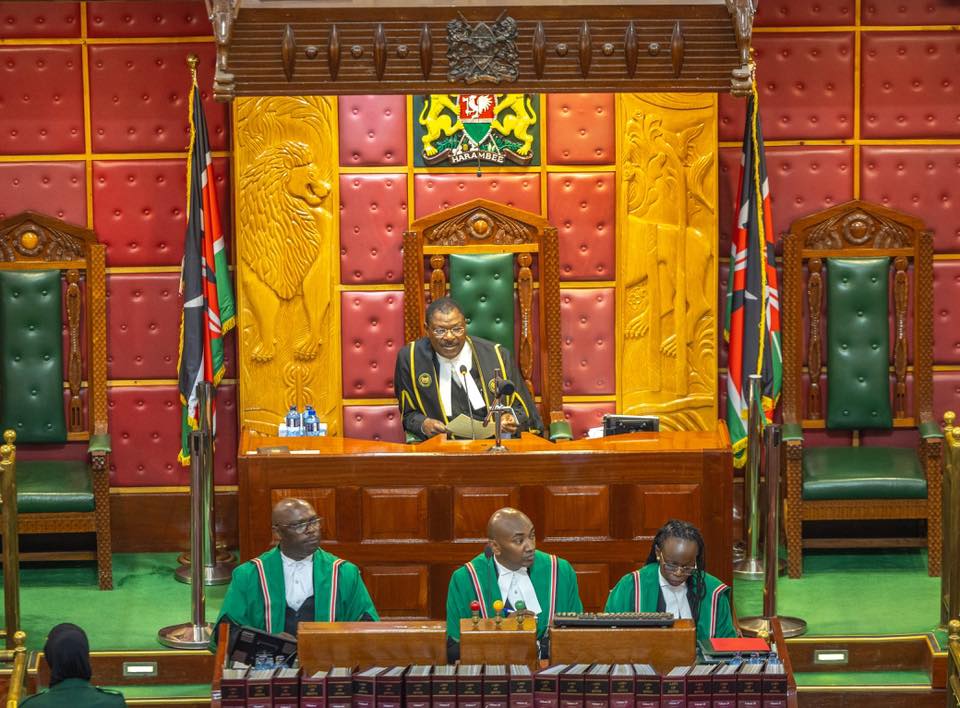
Speaker of the National Assembly, Rt. Hon. (Dr.) Moses Wetang’ula, reported to the House that the Petition by the Treasurer of the Haemophilia Association of Kenya, Mr. James Kago, is seeking parliamentary intervention to address the challenges faced by individuals living with haemophilia and other bleeding disorders.
“Honourable Members, the Petition concerns the case of children and adults living with haemophilia who experience frequent, unpredictable, and sometimes life-threatening bleeding episodes, which significantly diminish their quality of life and may result in disabling joint disease (arthropathy), chronic pain, missed school or work, and reduced life expectancy,” reads the Petition
Mr. Kago notes that the right to health is a fundamental human right guaranteed under Article 43(1)(a) of the Constitution, which affirms that every person, including children, has the right to the highest attainable standard of health, including access to healthcare services.
The petitioner raises concern that treatment and management of haemophilia, particularly for children who require preventive therapy known as prophylaxis, is highly specialised and extremely costly. As a result, many families and caregivers face serious physical, financial, emotional and psychological strain in accessing consistent care.
He further states that, haemophilia affects approximately one in every 10,000 individuals. However, of the estimated 4,500 people living with the condition in Kenya, only about 1,265 patients have been formally identified. This gap, the petitioner argues, highlights the need for nationwide screening programmes, early diagnosis and targeted outreach for children.
The petitioner also points to fragmented and incomplete data on haemophilia and other bleeding disorders and proposes the establishment of a national patient registry to capture accurate demographic, diagnostic and treatment information that can support planning and improve healthcare service delivery.
Further concerns are raised regarding the supply of clotting factor concentrates used in treatment. The petitioner notes that donations currently received meet only about 30 percent of the required factor levels for the 1,265 diagnosed patients and children, forcing some families to rely on blood derived products that require hospital admission and may carry additional risks.
The petitioner warns that the current donation programme has a 70 percent deficit and is expected to end within the next two years, potentially creating a major treatment crisis that could place patients, especially children who rely on preventive therapy, at significant risk.
Endebes MP, Hon. (Dr.) Robert Pukose while commenting on the petition raised concern over the country’s reliance on donor support for the treatment of haemophilia, noting that the factor concentrates used in managing the condition are neither manufactured locally nor sustainably funded.
“What the petitioners are telling us is that the factor concentrates used to treat haemophilia are funded by donors. As a government, we must allocate resources to ensure we protect our haemophilia patients,” said Dr. Pukose.
Kitui South MP, Hon. Rachael Nyamai in echoing Dr. Pukose’s remarks stated, “On the matter of funding our health sector, Honourable Speaker, it is critical that we allocate adequate resources not only for haemophilia but also for diseases such as dengue fever and other rare conditions that affect Kenyans.”
The petition was committed to the Departmental Committee on Health for consideration.
By Anthony Solly