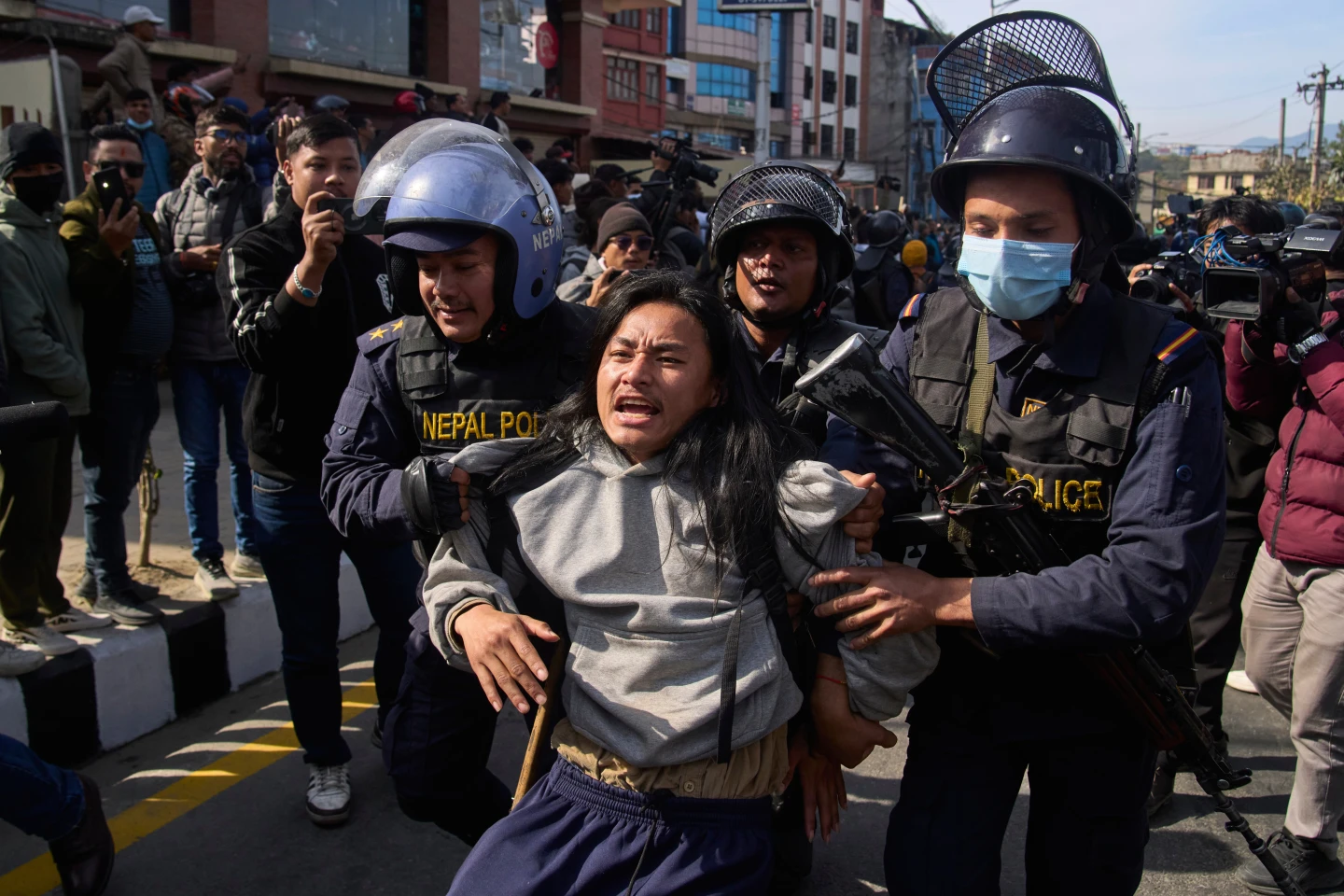
KATHMANDU, Nepal
On a sunny day in September, Mukesh Awasti was packed and ready to leave for Australia to study civil engineering. Instead, he joined a youth-led revolt against government corruption in Nepal.
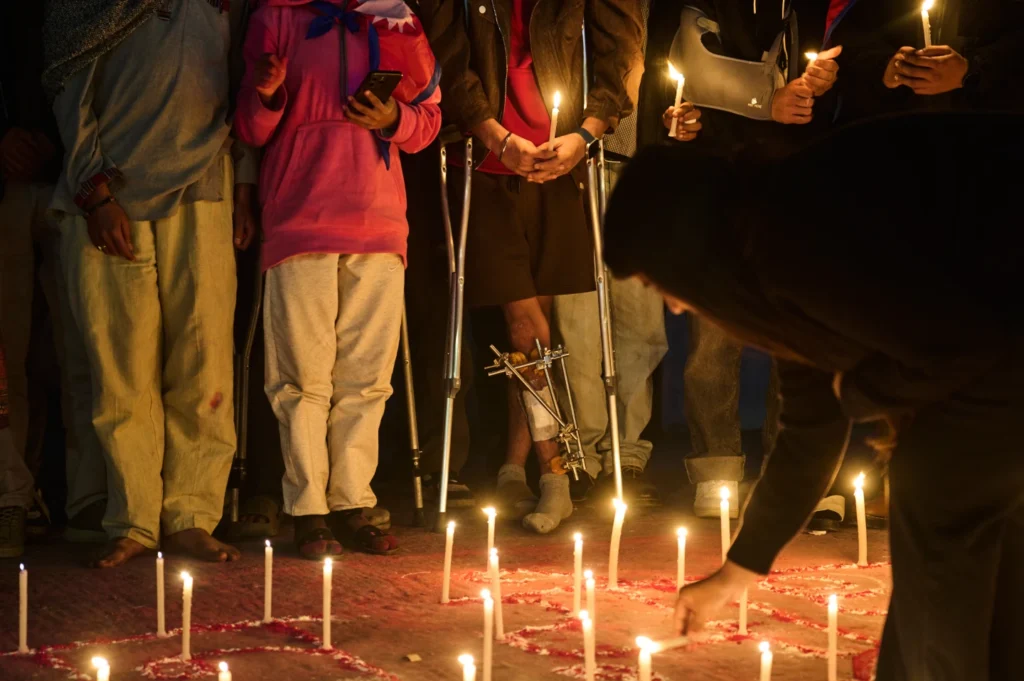
Days later, he lay in a hospital bed, his leg amputated after he was shot by security forces.
“I regret giving up so much for the little that has been achieved,” said the 22-year-old from his bed at Kathmandu’s National Trauma Center, reflecting on the sacrifices of thousands.
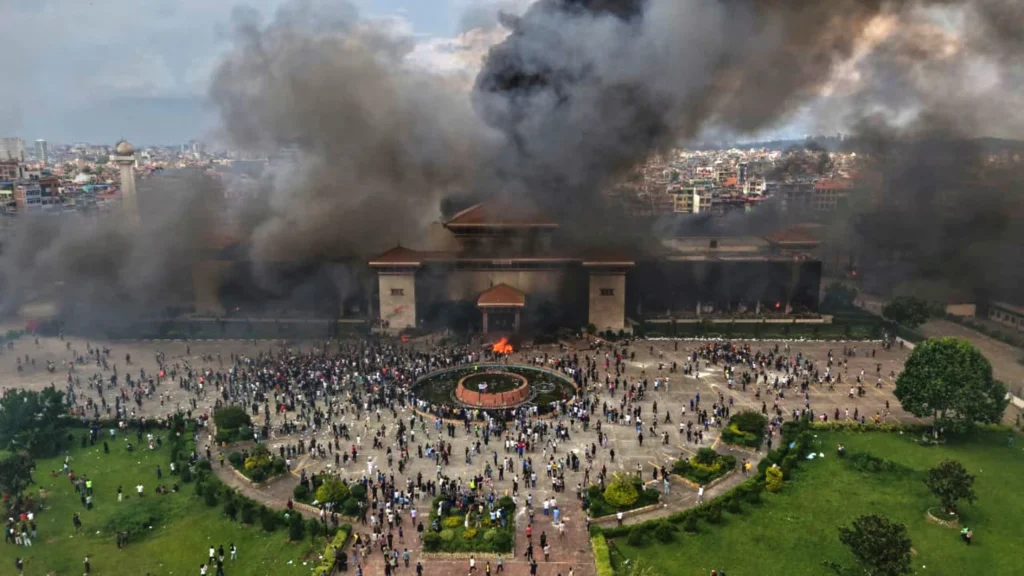
The violent protests that engulfed the capital beginning Sept. 8 left 76 people dead and more than 2,300 injured.
Fueled largely by a generation of “Gen Z” activists, the demonstrations forced a political reset, culminating on Sept. 12 in the appointment of Nepal’s first female prime minister, retired Supreme Court Justice Sushila Karki. She has promised fresh elections in March.
But in the weeks since, Karki’s interim government has faced growing disillusionment and criticism from the very protesters who propelled it to power, many of whom expected immediate and sweeping change in the Himalayan nation.
By James Kisoo