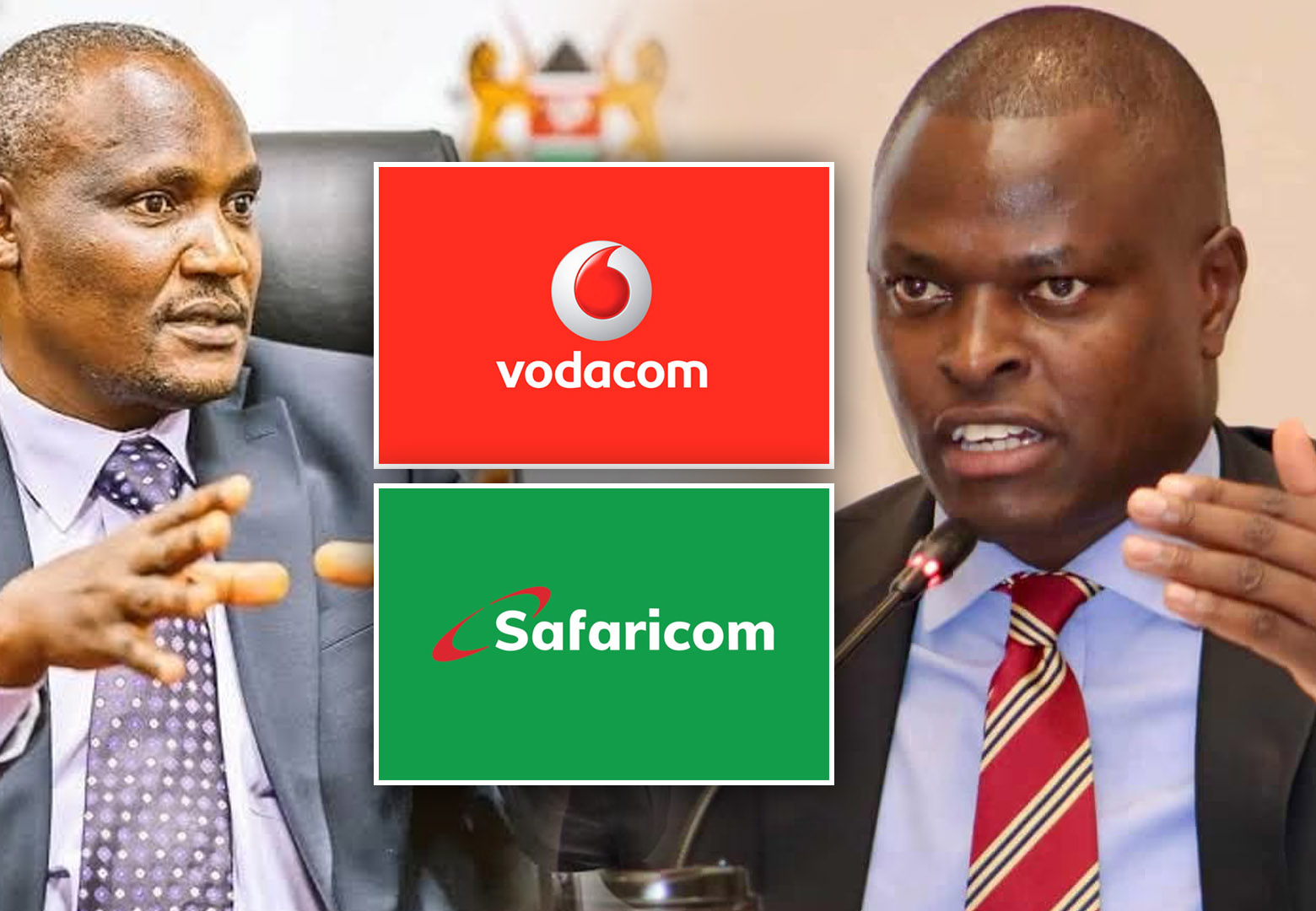
Kiharu MP Ndindi Nyoro has demanded that the government immediately halt the planned sale of a 15 percent stake in Safaricom to South Africa’s Vodacom Group, accusing officials of rushing a secretive deal that could short-change Kenyan taxpayers for possible individual benefit.
Speaking on Sunday during a church service at ACK St James and All Martyrs Cathedral in Murang’a county, Mr Nyoro described the transaction as a plot to sell the shares at under-market value.
“The people who represented the government in this deal might not be government employees or maybe they have deals with the buyers,” he told the congregation.
“Let us not rush to sell Safaricom shares. Let us open it to competitive bidding so that Kenyans can get value for money. If there is no personal interest in this case, then why the secrecy?”
The lawmaker linked the timing of the sale to 2027 politics and vowed to fight on. “Kenya needed money yesterday, today and every other day. So why the rush? I will fight for our country until Kenyans get full value for their money,” he said.
Treasury Cabinet Secretary John Mbadi has strongly rejected the criticism, insisting the government secured a clear premium.
On Thursday, December 4, the state announced it would sell 6,009,814,200 ordinary shares, equivalent to 15 percent of Safaricom, to Vodacom at Ksh34 per share, raising Ksh244.5 billion. The deal will reduce Kenya’s holding from 35 percent to 20 percent.
In a Citizen TV interview on Thursday night, Mr Mbadi said the valuation relied on open market data. Safaricom closed at Ksh28 on the Nairobi Securities Exchange that day, while the six-month weighted average price to 31 October stood at about Ksh25. “We are getting Ksh34 per share; I do not know how you can negotiate better than that,” he said.
The cabinet secretary stressed that the government was conducting a targeted divestiture of shares, not selling the company itself. He argued that listing the block on the exchange would have forced a lower price closer to Ksh28 or lower because of the size of the offering.
Vodacom, already holding 40 percent through its Vodafone structure, was willing to pay more because of its long history with Safaricom and its ability to absorb higher risk, Mr Mbadi explained.