By Andrew Kariuki
The Office of the Director of Public Prosecutions (ODPP) has launched a specialized multi-agency training programme aimed at strengthening the prosecution of terrorism and terrorist financing cases.
Speaking during the launch, Assistant Director of Public Prosecutions and Coast Deputy Regional Head Tito Wanga described the initiative as timely and strategic, noting that it is designed to enhance the Office’s preparedness in dealing with evolving security threats.
Wanga emphasized the need to build prosecutorial capacity to support the justice system in handling complex terrorism-related cases, which continue to grow in sophistication.
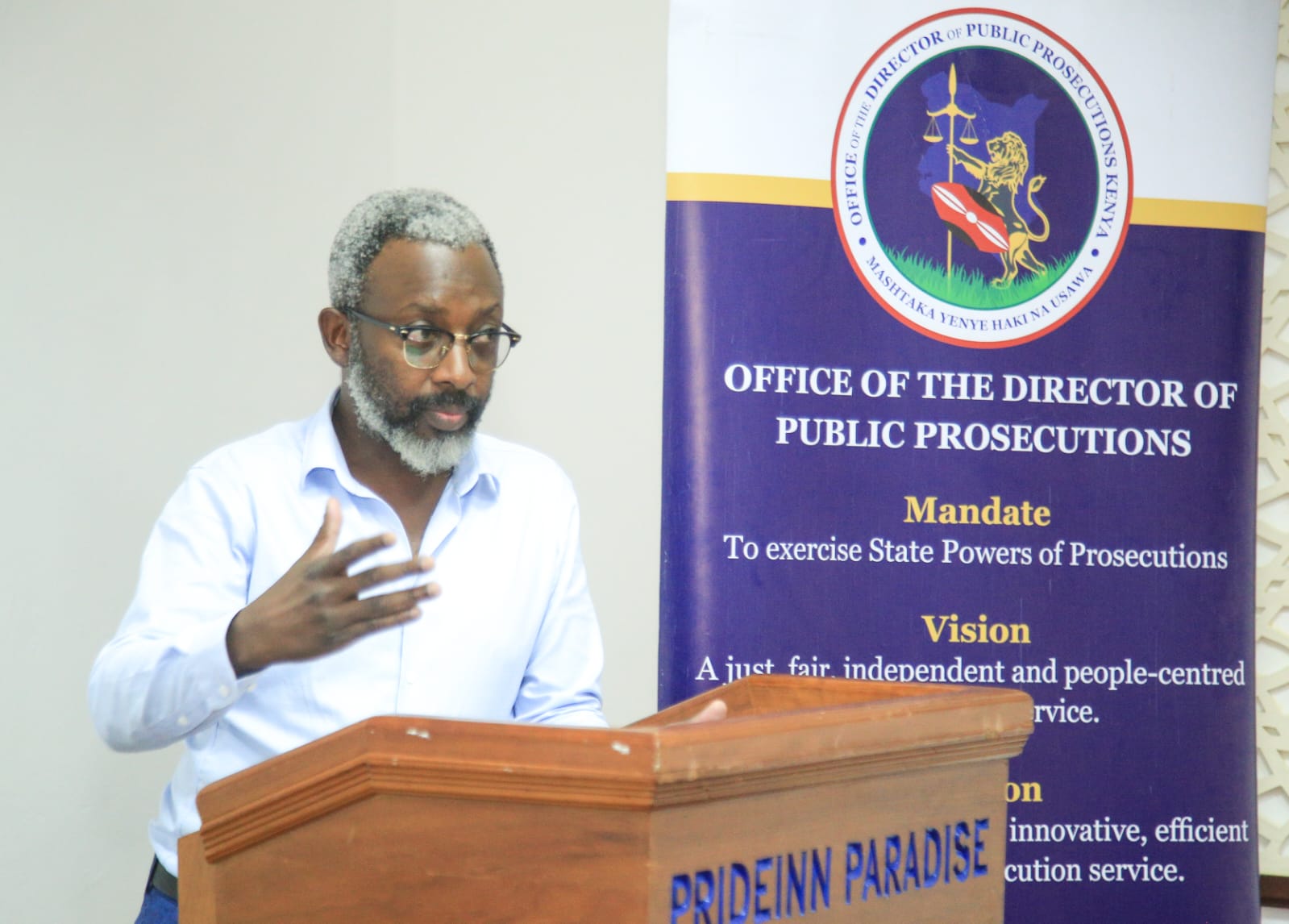
Lead facilitator Allan Mulama, also an Assistant Director of Public Prosecutions, highlighted the central role played by prosecutors and investigators in counter-terrorism efforts, urging participants to actively engage and share practical experiences during the training.
He noted that the changing nature of terrorism and its financing mechanisms requires continuous skills development and closer collaboration among agencies involved in national security and law enforcement.
Mulama said the programme provides a platform for participants to sharpen their expertise, understand emerging trends and improve coordination frameworks necessary for successful prosecution of terrorism cases. He added that practical knowledge-sharing would help bridge operational gaps and enhance the quality of both investigations and prosecutions.
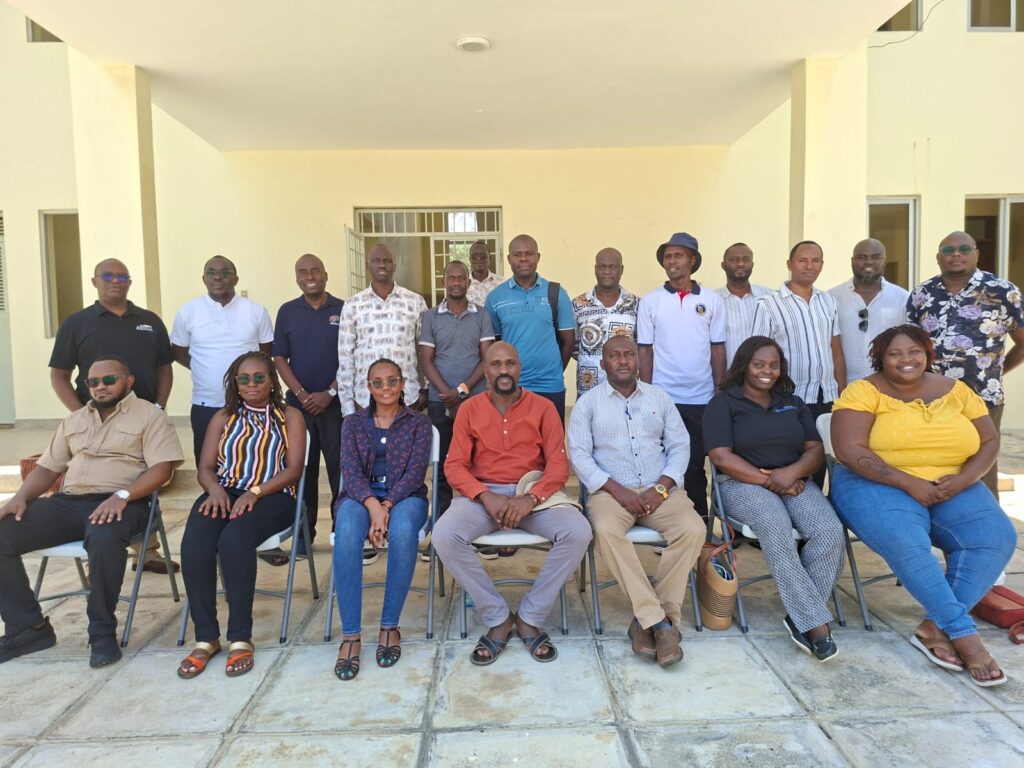
The training brings together officers from multiple agencies, including the National Counter Terrorism Centre, National Intelligence Service, Anti-Terrorism Police Unit, Financial Reporting Centre, Kenya Revenue Authority, Kenya Airports Authority, and the Assets Recovery Agency.
As part of the five-day programme, participants conducted a field visit to the Anti-Terrorism Police Unit Coast Regional Offices in Mombasa, where they interacted with Regional Commander Adam Abikar.
During the visit, the team toured key operational facilities such as the operations centre, cyber forensic laboratory, interview rooms, and holding cells and received practical insights into investigative and interview procedures.
Participants described the training as a critical step in improving inter-agency collaboration and strengthening operational effectiveness in addressing terrorism and related offences.