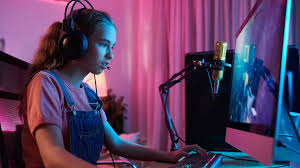
Every Wednesday afternoon, 15-year-old Sadmir Perviz travels to Perth’s Fiona Stanley Hospital for a session of Dungeons & Dragons with strangers who have become his peers. It’s a world away from the 10 hours a day he used to spend playing video games online. “You get to roll the dice instead of clicking a button,” he says. “You actually know who’s there.”
Sadmir is one of 300 patients at Australia’s only publicly funded gaming disorder clinic, a place designed to help people break free from compulsive gaming. Here, board games like Jenga and Uno replace digital avatars, offering tangible, face-to-face interaction as part of the recovery process.
The clinic’s founder, psychiatrist Dr. Daniela Vecchio, believes the treatment addresses a serious and growing addiction—one she argues is just as harmful as social media overuse. That’s why she finds it puzzling that gaming platforms were excluded from Australia’s “world-first” social media ban for under-16s, which took effect this week.
The ban prohibits children from having accounts on platforms like Instagram, Snapchat, and X, though they can still access some sites without logging in. Gaming platforms, however, remain unrestricted.
“It doesn’t make much sense,” Vecchio says. “Gaming and social media are so interconnected, it’s very difficult to separate. The individual who plays games for excessive amounts of time also spends excessive amounts of time on social media platforms where they can see other gamers or live stream gaming. It’s a way to connect.”
Both gaming and social media pose similar risks: excessive screen time, exposure to predators, harmful content, and bullying. By omitting gaming from the ban, critics argue, Australia has left open a major digital doorway through which the same dangers—and the same addictive hooks—can freely enter.
By James Kisoo