Sponsored Ad

Ad 1
Ad 2
Ad 3
Ad 4
Ad 5
Ad 6
29.1 C
Kenya
Saturday, April 4, 2026
Home Blog Page 1001

Afghanistan Rejects U.S. Bid to Regain Control of Bagram Air Base

By Michelle Ndaga

The Taliban government has firmly rejected any possibility of the United States regaining control of Bagram Air Base, following comments by U.S. President Donald Trump expressing his desire to reclaim the facility for strategic purposes.

Speaking earlier this week, President Trump said the U.S. is “working to get Bagram back,” citing the base’s strategic location near China and its value for future U.S. military operations.

Afghanistan’s Ministry of Foreign Affairs, however, issued a swift response, stating that while the country is open to political and economic engagement with Washington, it will not allow any foreign troops to operate from its soil. “Afghanistan’s sovereignty is non-negotiable. There will be no foreign military presence in our country,” a ministry spokesperson said.

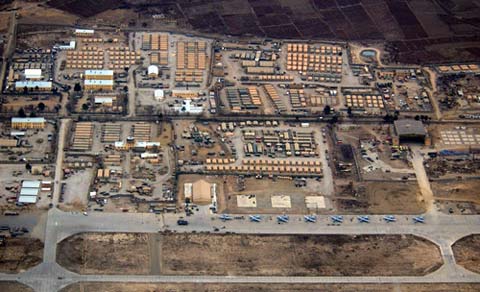
Bagram, located north of Kabul, was the largest U.S. and NATO military hub during the 20-year war in Afghanistan until allied forces withdrew in 2021, paving the way for the Taliban’s return to power.

Since then, the air base has remained under Taliban control.

Analysts say any U.S. attempt to re-establish a military presence in Afghanistan would face major diplomatic and security challenges, with the Taliban unlikely to compromise on the issue.

Regional powers, including China and Russia, are also closely watching the developments, given Bagram’s strategic proximity to their borders.

The standoff highlights ongoing tensions between Washington and Kabul over security and counterterrorism, as well as the broader geopolitical rivalry between the U.S. and China.


South African Hospital Cleaner Arrested with Human Placentas in Mpumalanga

PHOTO/COURTESY SOUTHAFRICAN. NEWS

Authorities in South Africa have arrested a 39-year-old hospital cleaner after she was found in possession of human placentas in Mashishing, Mpumalanga.

The suspect, identified as Rose Mnisi, was allegedly carrying a plastic bag containing the tissue when she was intercepted by members of the Lydenburg K9 Unit along Voortrekker Street.

According to police, the arrest followed a tip-off from concerned members of the public who reported that a woman was allegedly selling human body parts and travelling toward Nelspruit.

Officers swiftly acted on the intelligence, stopping and searching the suspect before recovering the human tissue.

Police spokesperson Brigadier Donald Mdhluli confirmed that the placentas have been sent for forensic analysis to determine their origin, while investigators are looking into whether the suspect was operating alone or as part of a wider network.

Acting Provincial Commissioner Major-General Zeph Mkhwanazi praised the public for their vigilance and commended the swift police response, noting that such incidents raise serious ethical and safety concerns.

Mnisi appeared before the Mashishing District Court, where she was charged with illegal possession of human tissue. The case has been postponed to 25 September 2025 as investigations continue, and additional charges could follow.

The incident has sparked renewed calls for tighter hospital oversight and stricter controls on the handling and disposal of human tissue to prevent misuse and protect public health.

By Michelle Ndaga

Mark Zuckerberg Unveils Meta’s First AI-Powered Smart Glasses with Built-in Display

By Michelle Ndaga

Meta CEO Mark Zuckerberg has unveiled the company’s most advanced wearable yet the Ray-Ban Meta Display Smart Glasses introducing a new era of AI-powered, display-enabled eyewear designed to merge fashion with functionality.

The new glasses, launched during Meta Connect 2025, feature a full-color high-resolution display embedded in the right lens, allowing users to view messages, make video calls, get walking navigation, and see live captions or translations directly in their field of vision.

The glasses are paired with Meta’s innovative Neural Band wrist device, which uses electromyography (EMG) signals from the wearer’s arm to enable gesture-based control allowing users to swipe, select, and interact with the interface without using voice commands.

Priced at $799 for the glasses-and-Neural Band bundle, the device will be available in the U.S. starting September 30, 2025, through Ray-Ban stores, LensCrafters, Sunglass Hut, and major retailers. Global rollout is expected in 2026.

Meta also introduced the Oakley Meta Vanguard, a sport-oriented model retailing at $499, featuring improved durability, a centered 12 MP camera, better audio, and fitness app integration.

The Gen-2 Ray-Ban Meta smart glasses were also refreshed, offering double the battery life, enhanced cameras, and new design options.

While the launch drew global attention, some live demonstrations reportedly suffered minor glitches, including display prompts failing to appear during a video call demo.

Meta executives assured users that the issues were due to event connectivity and have been addressed ahead of launch.

Zuckerberg said the new glasses represent a step toward Meta’s vision of ambient, always-available computing, bringing AI closer to users’ daily lives without the need to pull out a phone.

178 Youth Graduate under 2Jiajiri Programme in Marsabit.

A total of 178 young people from Marsabit County have graduated from Merille Vocational Training Center under the KCB Foundation and Mastercard Foundation’s Young Africa Works (YAW) programme, marking a significant step towards addressing youth unemployment in the county.

For the past five years, KCB Foundation, in partnership with Mastercard Foundation, has been running the YAW project in Kenya, equipping 8,500 youth with skills across diverse economic sectors.

The initiative has boosted employability and income generation, resulting in the creation and sustenance of 43,000 jobs.

Commenting on the graduation, KCB Foundation Director Mendi Njonjo said: “As a brand, we recognize the rising unemployment rates in the country and the larger East African region, which is why we have taken deliberate steps to address it through our economic empowerment programme, 2Jiajiri.

Today, we celebrate the young men and women from this great county who will now embark on their entrepreneurial journey.”

During the event, which was attended by the County Governor, Hon. Ali Mohamud, a total of 110 toolkits were handed over to the project participants to help kickstart their business ventures. Out of the 178 youth who graduated, 70 percent were women, underscoring the Foundation’s commitment to inclusivity.

“We appreciate the efforts of organizations like KCB Foundation and Mastercard Foundation, who are intentional about tackling youth unemployment and underemployment.

Their support goes a long way in ensuring that the young people from our county access dignified and fulfilling work,” noted Governor Ali Mohamud.

The project offers support in technical vocational education and training of vulnerable youth in short courses for 6 – 9 months. This is achieved through practical-oriented vocational training, life skills, work readiness training, and enterprise development skills, necessary to drive employment opportunities and wealth creation.

Each training intake runs for nine months and consists of six months of classroom and three months’ industrial attachment with practical training to address the skills gaps. The trainees are then funnelled into employment opportunities once they complete their attachment, and those interested in establishing their micro-enterprises are supported in Business Development Services (BDS), equipped with trade-specific starter toolkits, and provided start-up and working capital by KCB Bank through the Foundation.

To date, the 2Jiajiri Programme has trained over 35,000 youth, supported the creation of over 150,000 jobs, disbursed millions in youth enterprise loans, and distributed over 2,000 business start-up toolkits.

M-Pesa Foundation invests KES 110 million in health projects in Migori and Nyamira counties

The new health units to ease congestion, reduce referrals, and improve health care for mothers and newborns.

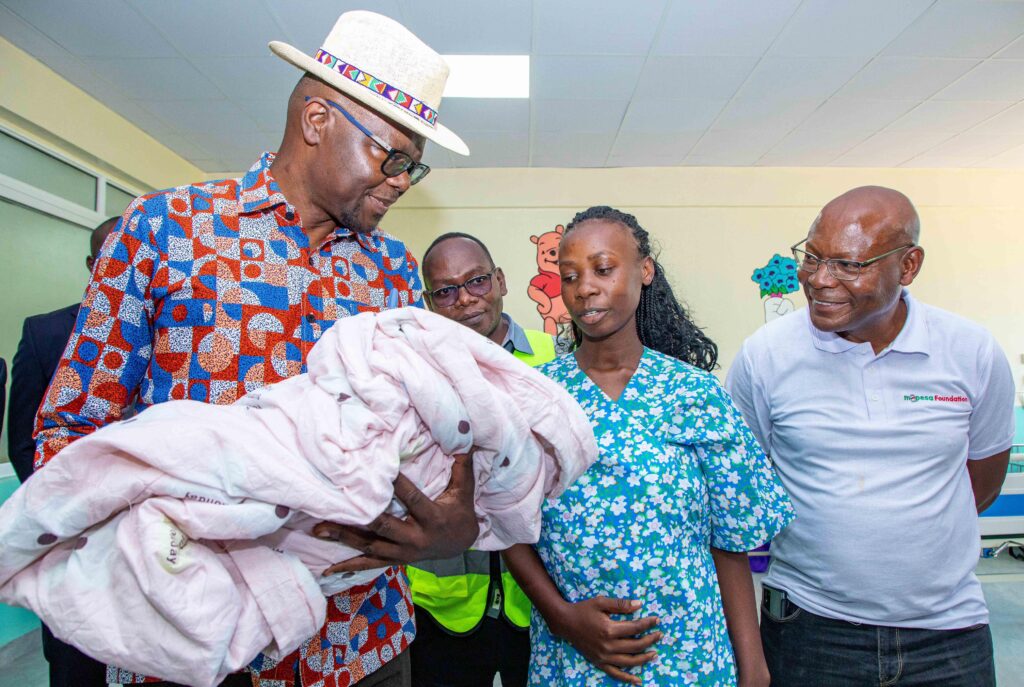
Residents of Migori and Nyamira counties will now have better access to quality maternal health services following a KES 110 million investment by M-Pesa Foundation in critical health infrastructure.

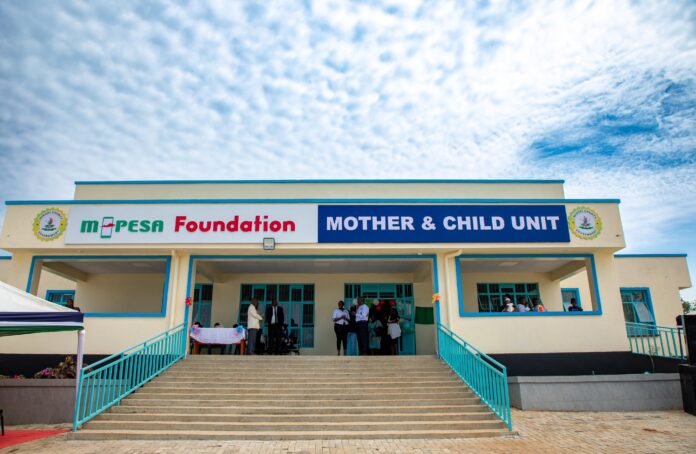
The Foundation has invested KES 50 million in the construction of a new integrated Maternal, Newborn and Child Health (MNCH) unit at Awendo Sub-County Hospital in Migori.

The facility features a theatre for caesarean sections, a 2-bed delivery room, a sterile equipment store, a 12-bed antenatal ward, a 20-bed postnatal ward, an 8-bed Newborn Unit with a kangaroo room, 2 consultation rooms, a family planning room, a nursing officer-in-charge office, a pharmacy, records section, waiting bay, and a nurse station.

In Nyamira County, the Foundation has officially commissioned a KES 60 million Maternal Newborn Child Heath unit at Nyamusi Sub-County Hospital.

The facility will feature an 11-bed antenatal ward, a 24-bed postnatal ward, a 22-bed Newborn Unit with a 9-bed kangaroo room, a family planning room, a theatre for caesarean cases, and a 2-bed delivery room for normal deliveries.

“Access to maternal health remains a challenge for many families in Kenya, particularly in rural areas where infrastructure is limited. We invest in health through programmes that directly address these gaps, focusing on maternal and child health as a priority.

By partnering with county governments, we ensure that facilities like these bring quality, affordable, and accessible services closer to communities that need them most,” said Nicholas Ng’ang’a, Chairman, M-Pesa Foundation.

For years, health facilities in both counties have been overstretched, with many expectant mothers forced to travel long distances, in some cases to county referral hospitals to access safe delivery services.

Awendo Sub- County hospital alone serves a catchment of 142,452 people, whereas Nyamusi Sub County hospital has a catchment population of 21,149 people, with an average of 60-70 deliveries per month and an antenatal care profile of 100-120 mothers per month.

These growing demands have contributed to delays in emergency response, high referral rates, and avoidable maternal and neonatal complications.

Speaking during the commissioning, Evelyne Alonde, Nursing Officer In Charge at Awendo Sub-County Hospital, welcomed the development, saying:

“Pregnant women no longer have to be referred to distant facilities like the County Referral Hospital to deliver. This will bring emergency response closer, improve service delivery all around, and most importantly, help reduce maternal and neonatal mortality rates in our county. For us, this is a game changer.”

To date, Safaricom, through its Foundations, has invested KES 101 million in Migori and KES 4.1 million in Nyamira in the health sector, reaching more than 300,000 people with improved services.

With these new units, M-Pesa Foundation is not only building health facilities but also restoring dignity and hope for thousands of mothers and families who previously faced uncertainty during childbirth.

Kenya Railways Moves to Overhaul 1978 Railway Act in Push for Modern Rail Sector

By Michelle Ndaga

Kenya Railways has commenced the final phase of reviewing the Railway Act of 1978, a move aimed at modernizing the country’s rail transport framework and aligning it with current and future industry needs.

The review seeks to integrate Standard Gauge Railway (SGR) and metre-gauge railway (MGR) operations under a unified regulatory framework, create space for private sector participation, and strengthen legal provisions for safety, efficiency, and sustainability in rail transport.

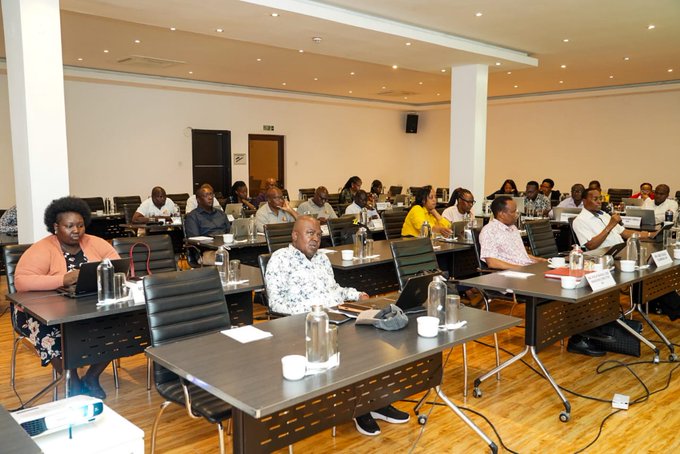
During a key stakeholder session chaired by Kenya Railways Board Chairman Abdi Bare Duale, board members, senior management, and directors from the Ministry of Roads and Transport refined the draft bill ahead of its submission for consideration.

Officials say the legislative review complements major infrastructure investments, including the Mombasa and Nairobi Commuter Rail Services, the SGR, and the ongoing modernization of the MGR network.

Once enacted, the new law will establish a comprehensive framework for governance, operations, and partnerships, laying the foundation for a more competitive, reliable, and modern rail sector that can meet Kenya’s growing passenger and freight demands.

Court of Appeal Orders Nairobi County Assembly to Gazette New Zoning Rules within Six Months

By Joyce Nzomo

The Court of Appeal has delivered a landmark ruling on Nairobi’s zoning and development controls, directing the County Government to finalize and gazette proper planning instruments within six months.

The case, filed by residents of Rhapta Road, challenged approvals for high-rise buildings some as tall as 28 floors granted by Nairobi City County and licensed by the National Environment Management Authority (NEMA).

The residents argued that without a valid zoning framework, the approvals violated the Constitution and environmental rights.

In its judgment on 19th September 2025, a three-judge bench of Justices Daniel Musinga, Joel Ngugi, and George Odunga clarified the status of the city’s planning laws.

The judges ruled that the 2004 zoning guidelines are obsolete, the 2016 Nairobi Integrated Urban Development Master Plan (NIUPLAN) is only strategic and not parcel- specific, and the 2021 Development Control Policy though widely used has no legal force until formally approved and gazetted by the County Assembly.

The Court also corrected an error by the Environment and Land Court, confirming that Rhapta Road falls within Zone 3C, not Zone 4 as earlier held.

This means developments along the road can go up to 20 floors, subject to technical constraints such as infrastructure capacity, site coverage, and environmental standards.

Most notably, the Court issued a structural interdict, requiring Nairobi County to;

  1. Complete and gazette new zoning and development control policies within six months
  2. File an interim report in three months
  3. Submit a final compliance report, including public participation records, within seven
    days after the six-month deadline.

During this transition period, applications will continue to be processed under the Physical and Land Use Planning Act (PLUPA) and guided by the 2021 Development Control Policy, while already approved projects remain valid unless proven unlawful.

The judges stressed that Nairobi’s urban growth must be anchored in predictable, transparent, and capacity-linked planning, warning that unchecked high-rise development could result in environmental harm and loss of public trust.

“The skyline may rise,” the Court noted, “but planning must be rooted in law, evidence,
capacity, and fairness.”

Felix Koskei Celebrates Earning Master’s Degree, Sets Sights on PhD

By Michelle Ndaga

Felix Koskei, Chief of Staff and Head of the Public Service, has announced the completion of his Master of Science degree in Zoology (Agricultural Entomology) from the University of Nairobi, marking yet another milestone in his academic journey.

Koskei, who previously graduated from the same institution with a Bachelor of Science degree in 1990 and an MBA in 2004, said balancing the demands of public service with academic pursuits required “discipline and persistence,” crediting the support of his family, friends, and colleagues for helping him reach this achievement.

Quoting Nelson Mandela’s famous words, “Education is the most powerful weapon which you can use to change the world,” Koskei congratulated his fellow graduates and encouraged them to use their knowledge to transform society.

He further revealed plans to commence PhD studies, saying he looks forward to the next chapter of his academic growth “by God’s grace.”

Kiharu MP Ndindi Nyoro Graduates with master’s degree in economics

By Michelle Ndaga

Kiharu MP Ndindi Nyoro has officially graduated with a Master of Arts degree in Economics from the University of Nairobi, marking a significant personal and professional milestone.

The University’s Faculty of Business and Management Sciences congratulated the legislator in a public message, praising his academic achievement.

Fears of Large-Scale Scam After Hacked Raila Odinga Account Pushes Dubious Crypto Token

By Michelle Ndaga

Alarm has gripped Kenyans after former Prime Minister Raila Odinga’s verified social media account was reportedly hacked and used to post a deepfake video appearing to endorse a cryptocurrency dubbed “Kenya Token.”

The video, which circulated widely on X (formerly Twitter), Instagram, and TikTok before being taken down, showed a realistic AI-generated clip of Odinga seemingly encouraging Kenyans to invest in the token.

His team quickly disowned the post, confirmed the account had been compromised, and urged the public to ignore the message.

Blockchain analysts reviewing the token flagged it as highly suspicious, citing signs of a potential rug-pull scam including token allocations heavily concentrated in a few wallets and no verified smart contract audits.

Consumer-protection advocates have warned that unsuspecting followers may have already lost money.

Cybersecurity experts are calling for swift investigations to identify the hackers, trace wallet movements, and prevent further exploitation. Social media users have been urged to verify investment information through official channels and avoid engaging with unverified crypto offers.

Authorities are expected to issue guidance as investigators work with platform operators to determine how the breach occurred and whether funds have already been siphoned from investors.

Create a free account, or log in.

Gain access to read this content, plus limited free content.

Yes! I would like to receive new content and updates.

Sponsored Ad

Ad 1
Ad 2
Ad 3
Ad 4
Ad 5
Ad 6