Sponsored Ad

Ad 1
Ad 2
Ad 3
Ad 4
Ad 5
Ad 6
31.3 C
Kenya
Sunday, May 24, 2026
Home Blog Page 1384

CAF Halts Kasarani Ticket Sales After Morocco Match Chaos

The Confederation of African Football (CAF) has suspended ticket sales for all matches at Kasarani Stadium including next Sunday’s Kenya vs Zambia clash, after a series of alarming safety breaches during the Harambee Stars’ game against Morocco.

The high stakes CHAN 2024 qualifier descended into chaos on August 10 with reports of a broken gate, fans entering without tickets, overcrowding, the invasion of the media centre, and the use of tear gas. CAF has launched an investigation and will decide on further action once it concludes.

While Kenyan supporters have turned out in huge numbers to cheer on the national team, security lapses have become a recurring theme. CAF has already fined the Football Kenya Federation (FKF) multiple times this campaign for flouting safety and security regulations including nearly KSh 2.5 million after earlier incidents involving Kenya vs DR Congo at Kasarani and Angola vs Morocco at Nyayo Stadium.

Only days before the Morocco match, CAF fined FKF a further KSh 1.78 million for breaches during the 1-1 draw with Angola on August 7 citing ticketless entries, VIP/VVIP mishandling, and flares inside the stadium.

The Morocco game may yet result in another financial penalty. Footage widely shared online shows frustrated fans forcing entry after claiming they had purchased legitimate tickets from fraudulent dealers. Many jumped barricades and walls, overwhelming security officers.

Kasarani was visibly over capacity, with supporters packed into stairways and standing areas, clear violations of CAF’s own Safety and Security Regulations. Article 15 explicitly forbids granting entry without a valid ticket, while Article 13 warns that overcrowding poses unacceptable risks of injury and fatalities.

With CAF tightening enforcement, FKF now faces pressure to restore order at home fixtures or risk heavier sanctions that could see Kenya’s matches moved away from Nairobi.

NEA Warns Job Seekers Over Surge in Fake Recruitment Scams.

by Lisa Murimi

The National Employment Authority (NEA) has issued a stern warning to Kenyans over a growing wave of fraudulent job advertisements targeting unsuspecting job seekers.

In a public notice on Monday, August 11, NEA clarified that there are currently no job vacancies within the authority and urged the public to disregard any unofficial recruitment messages. 

The agency stressed that all genuine job opportunities are published exclusively on its official website and the National Employment Authority Integrated Management System (NEAIMS).

One of the fraudulent postings flagged by the agency falsely claimed that NEA was hiring for a Sales Representative position. 

“The National Employment Authority cautions the public against fraudsters posing as recruiters. Currently, there are no job openings within the authority,” the notice read, further advising applicants to verify all job postings through official channels to avoid being duped.

The warning comes just a week after the government issued a similar alert to young people applying for roles under the National Youth Opportunities Towards Advancement (NYOTA) programme. 

According to NYOTA administrators, scammers have been setting up fake online platforms to solicit money from applicants, despite the programme being entirely free of charge.

“Next steps on all applications will be communicated to all applicants via their registered phone numbers as well as through official announcements on the project website and verified social media channels,” NYOTA said in a statement dated August 4.

Authorities are urging Kenyans to remain vigilant and treat any unsolicited recruitment messages—especially those requesting payment—with suspicion. 

With unemployment levels still high, scammers are increasingly preying on desperate job seekers, making it vital for applicants to rely solely on verified, official sources for employment information.

Government Links Rising Electricity Demand to Rapid Industrial Growth.

By Ian Maleve

The government has attributed the steady rise in electricity demand across the country to ongoing industrial expansion, driven by increased investment in manufacturing, infrastructure, and value addition.

According to officials in the energy sector, power consumption has seen a marked increase over the past year, with national grid data indicating a significant uptick in both peak and base load usage.

This surge is being linked to the commissioning of new factories, expansion of special economic zones, and the operational scaling of key industrial parks.

The Ministry of Energy noted that several counties have witnessed a notable shift in electricity usage patterns, with previously low-demand areas now recording higher consumption due to the setup of agro-processing facilities, cement plants, and textile manufacturing units.

This trend is seen as a positive indicator of economic recovery and progress in the government’s industrialisation agenda.

In line with Vision 2030 and the Bottom-Up Economic Transformation Agenda, the government has been actively promoting industrial growth through tax incentives, infrastructure development and energy subsidies aimed at attracting both local and foreign investment. As a result, the demand for reliable and sufficient power supply has become more critical than ever.

Energy experts believe that the rise in demand, while placing some strain on the existing generation and transmission infrastructure, presents a clear opportunity for scaling up investment in renewable energy and grid expansion.

Kenya, which relies heavily on geothermal, hydro, and wind energy, is looking to leverage its clean energy potential to meet the growing needs sustainably.

The government has reiterated its commitment to ensuring energy stability by accelerating ongoing power projects and fast-tracking maintenance of existing infrastructure.

Plans are also underway to improve rural electrification and support emerging industrial clusters in remote areas.

While the increase in demand presents challenges, it is widely viewed as a signal of economic momentum and an expanding productive sector.

Stakeholders have urged the government to ensure that future power planning remains aligned with the pace of industrial development to avoid bottlenecks and sustain growth.

Sexual Health is an Extra Struggle for Women with Disabilities: Findings from 10 African Countries

Obasanjo Bolarinwa, York St John University; Aliu Mohammed, University of Energy and Natural Resources, and Clifford Obby Odimegwu, University of the Witwatersrand

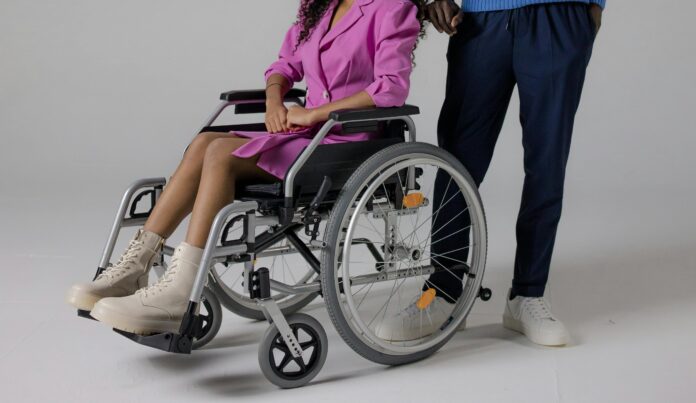
Even after more than three decades of global efforts to promote inclusive sexual and reproductive health policies, many women with disabilities in Africa still face serious challenges. Their rights are often overlooked, and they have limited access to contraception and other essential services.

Lack of access to sexual health knowledge or contraception doesn’t happen in a vacuum. It is driven by factors like poverty, gender inequality, limited education, and cultural or legal norms.

The lack of access can lead to a chain of avoidable sexual and reproductive health issues. Examples are unintended pregnancies, unsafe abortions and increased risk of HIV. Yet these problems are rarely talked about in public debates in Africa.

At the core of this crisis is a deep gap in access to sexual health information and services that meet the needs of women with disabilities. Data is limited, but evidence suggests that women with disabilities across Africa face significant barriers to accessing contraception.

We are global health researchers with an interest in the sexual health of women with disabilities. We analysed data from 10 African countries, and mapped out the regions where women are most vulnerable. We showed how education, income, community literacy and media exposure affect their access to reproductive health services.

Our research shows that access to sexual health knowledge and modern contraceptives is still out of reach for many women with disabilities in Africa.

These women are denied the autonomy to make informed reproductive choices. This worsens health inequalities and reinforces cycles of marginalisation and vulnerability.

The study

We analysed the most recent Demographic and Health Survey data from 10 African countries. They are Chad, the Democratic Republic of Congo, Kenya, Malawi, Mali, Mauritania, Nigeria, Rwanda, South Africa and Uganda. In total, 16,157 women with disabilities aged 15 to 49 were included.

These countries were selected because they had the most up-to-date data on sexual health knowledge and modern contraceptive use for women with disabilities at the time of our research.

The Demographic and Health Survey uses a two-stage sampling method. First, primary areas are selected, and then individual participants are chosen from specific communities within those areas. For this study, we included women who reported having at least one functional difficulty with seeing, hearing, speaking, or walking.

We looked at whether women were using modern contraceptives (yes or no), and we assessed their level of sexual health knowledge. This was grouped into three categories: poor, moderate, and good. Our aim was to understand how access to sexual health information and contraceptive use intersect and vary across regions. We used advanced statistical methods, including Bayesian inference and spatial modelling.

What we found

Our study shows that many women with disabilities across Africa have limited knowledge about sexual health and low use of modern contraceptives.

In Nigeria, for example, only 3% demonstrated basic sexual health knowledge. Even in Uganda, which had the highest proportion, just 27% had this foundational understanding. Modern contraceptive use was similarly low; only 1% of women with disabilities in the Democratic Republic of Congo reported using them. Uganda again recorded the highest use at just 27%.

From a regional perspective, there were clear differences both within and between countries. Mauritania, Nigeria, Uganda, Chad and the Democratic Republic of Congo had the lowest combined levels of sexual health knowledge and modern contraceptive use among women with disabilities.

In contrast, Kenya, Malawi, Mali, South Africa and Rwanda performed better in linking sexual health knowledge with the use of modern contraceptives among women with disabilities. This shows that when women know more, they’re more likely to want contraceptives. They’re also able to use them.

Several factors influence whether women with disabilities have access to information or use contraceptives. These include their level of education, marital status, where they live and how educated their community is. Others are the general wealth of the area they live, and their age.

Our findings point to a serious gap in sexual and reproductive health for women with disabilities across the region. We also pinpoint the countries and areas where the gaps are widest.

There’s an urgent need for targeted efforts to improve their sexual health education and access to modern contraception.

Importance of sexual health knowledge and modern contraceptive use

Sexual health knowledge is key to how women make decisions about using modern contraceptives.

When women understand their reproductive health needs and know how to access services, they are more likely to use contraceptives.

However, women with disabilities face major challenges in getting this information. In most parts of Africa, formats like braille, sign language and audio resources are either extremely rare or unavailable. Social, cultural and economic barriers also tend to exclude women with disabilities from getting these services. This widens inequalities and puts them at greater risk.

Despite these realities, little is known about how sexual health knowledge and contraceptive use intersect for women with disabilities in Africa.

Way forward

Interventions should focus on geographic hotspots based on our study. They should also focus on women with disabilities who are:

  • uneducated or with no formal schooling

  • unmarried

  • living in rural communities

  • from low-literacy and low-income areas

  • younger in age.

Increasing access to sexual health information is crucial, but not enough. Policymakers must also address the structural, economic and socio-cultural barriers that prevent access to sexual health knowledge.

Key policy and programme recommendations include:

  • community-based outreach programmes tailored for women with disabilities

  • subsidised or free contraceptive options

  • inclusive sexual health education using formats like braille, sign language and audio materials

  • disability-friendly services within primary healthcare systems

  • policy frameworks that ensure everyone can get healthcare

  • engaging community and religious leaders to challenge stigma and promote inclusion.The Conversation

Obasanjo Bolarinwa, Senior lecturer, York St John University; Aliu Mohammed, Lecturer in Nursing and Public Health, University of Energy and Natural Resources, and Clifford Obby Odimegwu, Professor, University of the Witwatersrand

This article is republished from The Conversation under a Creative Commons license. Read the original article.


EIB Injects Ksh3.2 billion into Affordable Housing Projects in Nairobi and Kiambu.

By Ian Maleve

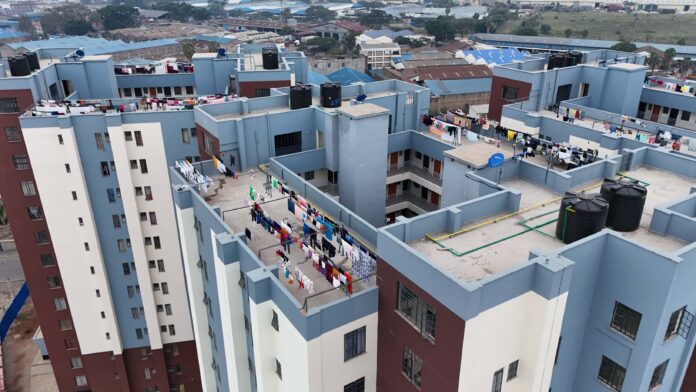
The European Investment Bank (EIB) has committed Sh3.2 billion towards the development of affordable housing in Nairobi and Kiambu counties, marking a significant boost to Kenya’s efforts to bridge the housing deficit and provide decent shelter for low and middle-income earners.

This funding, part of the bank’s broader strategy to support sustainable urban development in Africa, will be channelled into projects that aim to increase the supply of quality housing at accessible prices.

The investment is expected to directly support the construction of over 3,000 housing units, as well as create jobs and stimulate economic activity within the real estate and construction sectors.

According to officials familiar with the project, the funds will be utilised in collaboration with local developers and housing finance institutions to ensure that the projects are aligned with the government’s Affordable Housing Programme.

Particular attention will be given to green and climate-resilient construction practices, promoting long-term environmental sustainability alongside economic development.

The housing units will primarily target informal settlements and low-income neighbourhoods in Nairobi and Kiambu, where the demand for affordable housing is especially high.

The development is also expected to ease the pressure on overstretched urban infrastructure, by promoting planned settlements equipped with essential amenities such as water, electricity, and access roads.

The move aligns with Kenya’s Vision 2030 and the Bottom-Up Economic Transformation Agenda (BETA), both of which emphasize inclusive urban growth and improved living conditions for all Kenyans.

Stakeholders in the housing sector have welcomed the investment, citing the importance of international financial support in closing the estimated two million housing unit gap in the country.

The EIB’s investment comes at a time when Kenya is ramping up efforts to attract both local and international investors into the affordable housing space, with the government continuing to offer incentives such as tax reliefs, serviced land, and infrastructure support to developers.

This latest funding is expected to not only accelerate housing delivery but also contribute to long-term economic empowerment through job creation and increased access to dignified living conditions.

Miss of the Pre-Season? Barcelona’s New Star Rashford Experiences Up and Down in First Home Match

Marcus Rashford endured a mixed home debut for Barcelona as the Catalan side cruised to a 5-0 win over Cesc Fàbregas’ Como in the Joan Gamper Trophy on Sunday night.

The England forward, on loan from Manchester United with a £30m option to buy, played his part in the rout by setting up Raphinha’s first-half goal with a burst of pace and precise pass. However, he also produced a glaring miss late on, rounding goalkeeper Jean Butez only to fire wide of an open goal, a moment that left both him and Raphinha holding their heads in disbelief.

Barcelona had already taken firm control through goals from Fermín López, Raphinha, and teenage star Lamine Yamal, who struck twice, sealing an emphatic pre-season finale.

Rashford will hope to make his competitive debut when Barça open their La Liga campaign away to Mallorca on Saturday, though the club’s ongoing financial difficulties continue to cast a shadow. The reigning champions have struggled to register new signings in recent seasons, with players such as Dani Olmo and Pau Víctor facing temporary licence issues last year.

Club president Joan Laporta remains optimistic. “It’s progressing well. We’re doing our job and we’re confident that we’ll be able to register everyone,” he told ESPN, confirming that Rashford is among six players they aim to register before the season kicks off.

Rashford, for his part, is keeping his focus on the pitch. “It’s something for the club to sort out. I believe they are going to get it sorted. I just focus on training and being ready for the start of the season,” he said.

According to Sport, Barcelona expect to finalise registration once a new sponsorship deal and the sale of 475 VIP seats at Camp Nou, expected to raise £87m, are approved.

USPS Ban on Illicit Vape Shipments Sparks Debate as Big Tobacco Gains Edge.

By Ian Maleve

The United States Postal Service (USPS) has stepped up enforcement of a federal ban on shipping illicit vaping products, a move that is expected to significantly impact the underground market while offering a potential advantage to major tobacco companies.

The crackdown, rooted in the Preventing Online Sales of E-Cigarettes to Children Act passed in 2020, prohibits the mailing of all vape products, including those containing nicotine, THC, and synthetic substances, unless sent under strict regulatory exceptions.

While the law originally aimed to curb youth access to e-cigarettes, its broader enforcement has effectively cut off a major distribution channel for unregulated and often imported vape brands.

As a result, smaller vape manufacturers and independent sellers, many of whom relied on the USPS to reach customers across the country, are finding it increasingly difficult to operate.

This shift is being viewed as a windfall for established tobacco giants, which have the infrastructure, regulatory clearance, and retail networks to comply with the law and dominate the now-constrained market.

Industry analysts note that the enforcement of the mailing restrictions disproportionately affects small players who struggle with the high costs of private shipping and compliance requirements.

Meanwhile, companies with deep pockets and established relationships with regulators are poised to expand their market share.

Health advocacy groups remain divided on the move. Some argue that tighter restrictions on vape shipments will reduce underage access and limit exposure to harmful substances found in many illicit products.

Others caution that overly restrictive policies may stifle innovation and inadvertently drive users back to combustible tobacco products.

The USPS action comes amid growing scrutiny of the vaping industry and increasing calls for clearer regulatory oversight.

As the market adjusts to the new reality, the line between public health protection and commercial advantage continues to fuel debate across the vaping and tobacco landscape.

CBK Fines 11 Banks for Breaching Lending and Capital Rules Amid Push for Fiscal Discipline.

By Ian Maleve

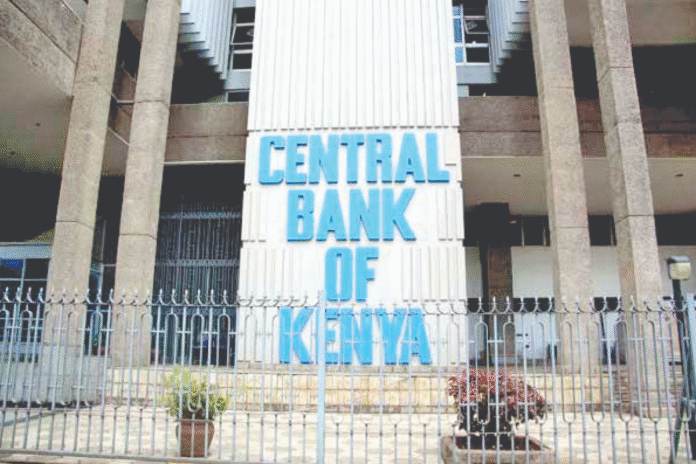
The Central Bank of Kenya has slapped fines on 11 commercial banks for failing to comply with key regulatory requirements on lending limits, capital adequacy, and investment practices.

The move reflects intensified regulatory scrutiny aimed at safeguarding the financial system and promoting responsible banking conduct.

The sanctions come after investigations revealed that multiple banks had extended loans exceeding the permissible thresholds relative to their core capital or risk-weighted assets.

Others were found wanting in maintaining the minimum capital buffers required to cushion against potential financial shocks. The CBK emphasized that these rules serve as critical protective measures to ensure banking resilience and protect depositors.

Bankers were also penalized for excessive or misaligned investment allocations, contrary to the stipulations in prudential guidelines that target prudent and transparent asset management.

The banks subjected to fines reportedly include both large and mid-tier institutions, though specific names have not been publicly disclosed.

Financial analysts suggest the record enforcement action is partly a response to persistent risks observed during earlier breaches and rising macro-financial vulnerabilities.

In recent years, commercial banks have faced repeated penalties for violating lending limits and capital thresholds such as exceeding the 25 percent cap on exposure to single borrowers or letting core capital dip below required levels.

Observers say the move aims to recalibrate risk appetite among banks and align sector practices with the CBK’s broader financial stability agenda. The fines are also intended to deter future non-compliance and reassure the public that regulatory oversight remains robust.

According to recent data from prior enforcement cycles, fines disbursed across the banking sector had reached a record Ksh191 million, underscoring the CBK’s willingness to impose meaningful penalties.

With the penalties now in place, affected banks are expected to move quickly to strengthen their balance sheets, reduce concentrated lending exposures, and revise investment policies.

The intervention is also expected to accelerate upgrades in risk management systems, governance structures, and compliance frameworks across the industry.

Although the sanctions may dent short-term profitability for some institutions, analysts note that enhancing regulatory adherence and bank soundness is essential for long-term stability and growth in Kenya’s financial landscape.

Nvidia and AMD to Hand Over 15% of China AI-Chip Sales Revenue to U.S. Officials Say.

By Ian Maleve

Nvidia and AMD have agreed to remit 15 percent of their revenues from AI chip sales to China to the U.S. government under a rare export licensing arrangement, according to U.S. officials.

The deal applies specifically to Nvidia’s H20 and AMD’s MI308 semiconductors and marks an unusual precedent in trade and technology policy.

This revenue-sharing condition emerged after prior restrictions on exporting high-end chips to China. The U.S. Commerce Department began approving licenses for Nvidia’s H20 exports on Friday, followed by AMD’s MI308 over the weekend.

The agreement was reportedly reached following a meeting between Nvidia’s CEO and President Trump, signaling a shift in the U.S. export stance amid growing global competition in artificial intelligence.

While Nvidia has stated that it adheres to U.S. export rules, AMD declined to comment. Some U.S. officials have framed the agreement not only as a revenue tool but also as a strategic lever to better control AI technology transfers to China.

Security experts, however, have expressed concern that tying export access to revenue-sharing could undermine the credibility of export controls and contravene constitutional provisions against export taxes.

Analysts estimate that Nvidia could garner as much as $23 billion from H20 chip sales in China in 2025 a figure that contextualizes why even a 15 percent cut could be substantial. AMD, meanwhile is positioned to capture significant revenue through MI308 exports in the same market.

The deal’s financial implications extend beyond Nvidia and AMD. Taiwan Semiconductor, responsible for manufacturing many of these chips, also saw its stock rise, driven by investor anticipation of renewed demand.

Nvidia and AMD stocks likewise benefited from the positive market sentiment generated by the resumption of Chinese sales.

While the U.S. has yet to clarify how the funds will be used, the arrangement reflects a broader recalibration of export policy where foreign market access is now intertwined with revenue-sharing mechanisms.

Critics argue that such a model distorts market dynamics and blurs the line between regulatory oversight and revenue generation.

In summary, this groundbreaking revenue-sharing deal underscores the fraught balance between maintaining technological dominance, securing economic returns, and navigating geopolitical realities in the evolving AI and semiconductor landscape.

Nyamira County Ordered to Pay Former Employees Sh24.6m

The High Court in Nyamira has ordered the county government to pay Sh24.6 million to five former employees whose contracts were unlawfully terminated.

Justice Wilfrida Okwany directed the county to pay the decretal sum of Sh24,592,372 to Tonny Bironga, Evelyne Mogere, Johnson Nyandika, Rebecca Okari, Nicodemus Nyamweya, and Patrick Mamboleo within a reasonable timeline.

The court also temporarily halted the arrest and six-month imprisonment of County Executive Committee Member for Finance, Jones Omwenga, Chief Officer Asenath Maobe, and County Secretary Jack Magara. The three had been facing warrants of arrest issued on 3 January 2025 for failing to comply with an earlier order to pay the amount, as directed by the court on 4 July 2024.

Justice Okwany extended the payment timelines following a request from county officials but declined to set aside the warrants entirely, instructing the officers to submit a “reasonable proposal” for settlement.

Bironga, the lead claimant, had moved the court seeking a mandamus order to compel payment, alongside Sh810,925 in costs, and asked for the officers to be cited for contempt. A consent agreement reached on 31 October 2024 had committed the county to pay Sh39.9 million in two instalments across two financial years, but the first instalment due in December 2024 or March 2025 was not honoured.

Instead, county officers filed an application seeking a stay of execution and an extension of time to settle the sum.

Justice Okwany noted that the dispute had originally been determined by the Employment and Labour Relations Court in Kericho and that her court’s involvement was limited to enforcing compliance with the consent orders.

She ruled that reopening the question of jurisdiction was unnecessary, stating the matter had been resolved and now centred solely on default in payment.

Create a free account, or log in.

Gain access to read this content, plus limited free content.

Yes! I would like to receive new content and updates.

Sponsored Ad

Ad 1
Ad 2
Ad 3
Ad 4
Ad 5
Ad 6