





Sponsored Ad

Ad 1
Ad 2
Ad 3
Ad 4
Ad 5
Ad 6
30.6 C
Kenya
Saturday, April 25, 2026
Home Blog Page 1946

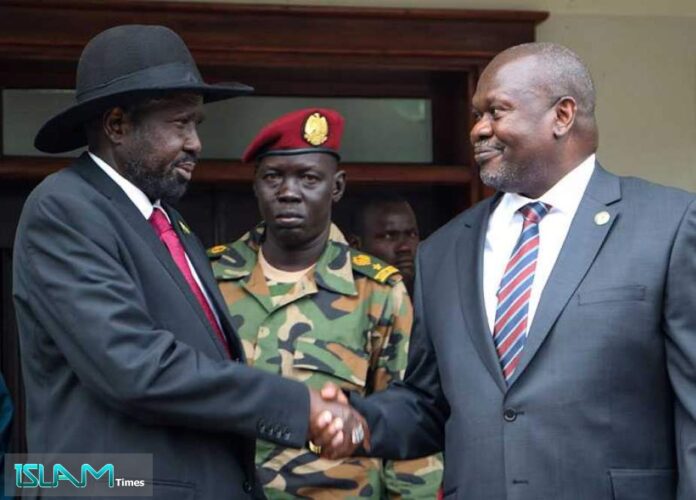
Who is Riek Machar, South Sudan’s vice president under house arrest?

(Reuters) – The reported house arrest of Riek Machar, the former bush rebel leader who became South Sudan’s First Vice President, marks the latest turn in the turbulent relationship with his rival, President Salva Kiir, after a five-year civil war.

The two men, now in their early 70s, launched a conflict in 2013 that led to hundreds of thousands of deaths, as the newly independent nation fractured along ethnic lines with Kiir leading largely Dinka forces against Nuer fighters allied with Machar.

That war ended with a peace deal in 2018 but their bitter rivalry cast a long shadow over the agreement’s implementation and ethnic fissures have regularly resurfaced in recent years, sparking fears of a renewed conflict.

Clashes erupted this year in Upper Nile State between South Sudanese troops and the White Army, a predominantly Nuer militia that fought alongside Machar’s forces in the civil war.

The government this month accused Machar’s SPLM-IO party of collaborating with the militia, in an echo of the tensions that saw Kiir sack Machar as vice president in 2013 and led to the outbreak of war. The SPLM-IO has denied ongoing links with the White Army.

Between 2013 and 2018, fighting between troops loyal to both men shut down oil fields, forced a third of the country’s population from their homes and killed more than 400,000.

FIGHT FOR INDEPENDENCE

Machar’s role in the south’s fight for independence from Sudan had always been controversial.

In 1991, he fell out with John Garang, leader of the pro-independence SPLA rebel movement, leaving his post as a commander in the group after a disagreement.

The same year, Machar was blamed for an ethnic massacre of Dinka people in Bor carried out by Nuer fighters loyal to him.

Machar was seen by some former rebel comrades as a traitor because of the 1997 Khartoum peace accord he signed with the Sudanese government, which rewarded him with the positions of vice-president of Sudan and chairman of the coordinating council that technically ruled the south.

Machar rejoined the SPLA in 2002, and after a 2005 peace deal that ended civil war and established southern autonomy, he became vice-president of the South, retaining the position after South Sudan’s independence in 2011 until his sacking in 2013.

DISMISSAL

Machar’s dismissal was one of the factors that sparked a return to civil war in December 2013. At the time Kiir accused him of attempting a power grab, which Machar denied. An African Union Commission of Inquiry found no basis for the coup allegation.

Several peace deals failed, including one in 2015 that briefly halted hostilities but fell apart after Machar returned to Juba the following year.

When the civil war ended, he struck a conciliatory note.

“I want to assure you that we will work collectively to end your long suffering,” Machar told South Sudanese when he was sworn in as vice president in the unity government in 2020.

Machar trained as an engineer at the University of Khartoum, studied at Scotland’s University of Strathclyde and holds a PhD from the University of Bradford in England.

In 1991, he married a British aid worker, Emma McCune, and their life together in the war-torn south Sudanese bush became the subject of newspaper articles and a book.

McCune died aged 29 in a car crash in Nairobi in 1993. Machar’s second wife, Angelina Teny, has previously served as defence minister and was appointed interior minister in 2023.

In an apparent attempt to boost his stature as a leader of the Nuer, South Sudan’s second largest tribe after the Dinka, Machar has kept in his possession a ceremonial stick once carried by a famous Nuer prophet, Ngundeng Bong.

The “dang” stick, made from the root of a tamarind tree and decorated with copper wire, was looted by British colonial troops before being returned to South Sudan in 2009 by British academic Douglas Johnson.
Senate approves Sh50.5b for counties after months of delays

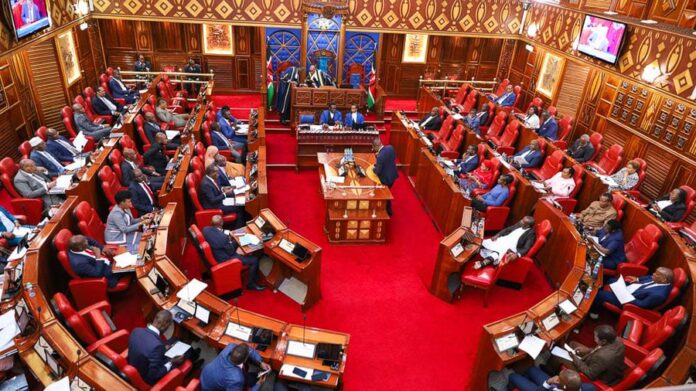
The Senate yesterday approved an additional allocation of Sh50.5 billion to the 47 counties to cater for the expenses of crucial projects.

During a special sitting, senators supported the County Governments Additional Allocation Bill and urged county governments to ensure proper utilization of the funds.

The allocation will support conditional funding for the County Aggregation and Industrial Parks program and the Community Health Promoters project.

The funds will also be used to settle salary arrears for healthcare workers in county governments as part of the 2017-2021 Collective Bargaining Agreement.

Senate Majority Leader Aaron Cheruiyot criticized the prolonged delays, noting that the County Governments Additional Allocation Bill should not be used to undermine devolution. He expressed concern that the funds had been withheld for over eight months.

“It is embarrassing that the push and pull between the Senate and National Assembly has stalled the implementation of the bill, with the Sh10 billion Roads Maintenance Levy Fund at the center of contention,” said Cheruiyot.

He urged the House to fast-track the bill to ensure counties receive the Sh50.5 billion allocation without further delay, noting that it was regrettable to be passing it so late in the financial year.

He emphasized that the funds include essential allocations, such as the construction of county headquarters—some of which have been under construction for a decade—as well as conditional grants for county industrial parks. He called on Senators to closely monitor these projects to prevent the emergence of white elephant projects.

Cheruiyot also stressed the need to sensitise counties on producing raw materials for the industrial parks, cautioning against erecting modern buildings that lack practical use. He urged the Senate Finance Committee to assess whether the funds should be allocated separately for better oversight.

Senate Chief Whip Boni Khalwale, criticised the delay in disbursing funds, noting that donors are puzzled by the situation. He stated while funds meant for county development remain idle in bank accounts due to the ongoing stalemate, interest continues to accrue on the unused money.

“Governors, Senators, and Members of the National Assembly have become the enemies of the people. This bill is meant to ensure counties function effectively. The success or failure of this country depends on how leaders act.” He said.

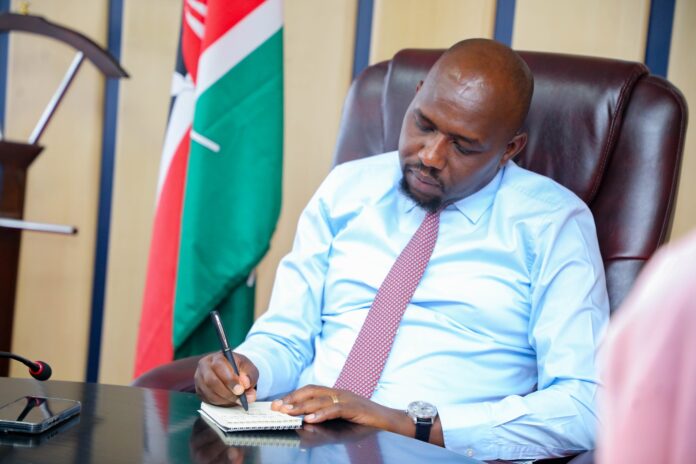
CS Murkomen declares Monday a public holiday to mark Idd-ul-Fitr

Interior Cabinet Secretary Kipchumba Murkomen has declared Monday, March 31, 2025, a national holiday to celebrate Idd-ul-Fitr.

In a special Gazette Notice dated Friday, March 28, the CS noted that the nation would take the time to join Muslims in marking the end of Ramadan.

“It is notified for the general information of the public that, in the exercise of the powers conferred by Section 2(1) of the Public Holidays Act, the Cabinet Secretary for Interior and National Administration declares that Monday, March 31, shall be a public holiday to mark Idd-ul-Fitr,” read part of the notice.

Following the declaration by Murkomen, all government offices, schools, and other institutions such as banks are expected to be closed to mark the religious festivity.

This year, Ramadan began on the evening of Friday, February 28, and continued until the evening of Saturday, March 29.

During this period, Muslims around the world fasted, prayed, and reflected on their religious obligations to themselves and their communities.

In his Ramadan message to Muslims as they began fasting on February 28, President William Ruto highlighted the spiritual significance of the holy month, calling on Muslims to use the period for personal reflection and devotion.

“This is an opportunity for you to commit yourselves to strengthening your faith and dedicating yourselves to doing what is right,” he said.

He also praised the Muslim community for their contributions to the country and encouraged them to continue supporting the less fortunate.

In support of the Muslim community, President Ruto recently approved the duty-free importation of dates for use during Ramadan.

The announcement comes days after President Ruto hosted Muslim leaders for an Iftar dinner at the state house.

During the dinner, the president urged the religious leaders to champion peace in the country and called on Kenyans to foster national unity to ensure meaningful development in the country.

CDF Kahariri Visitation to KDF Soldiers in Operation Areas

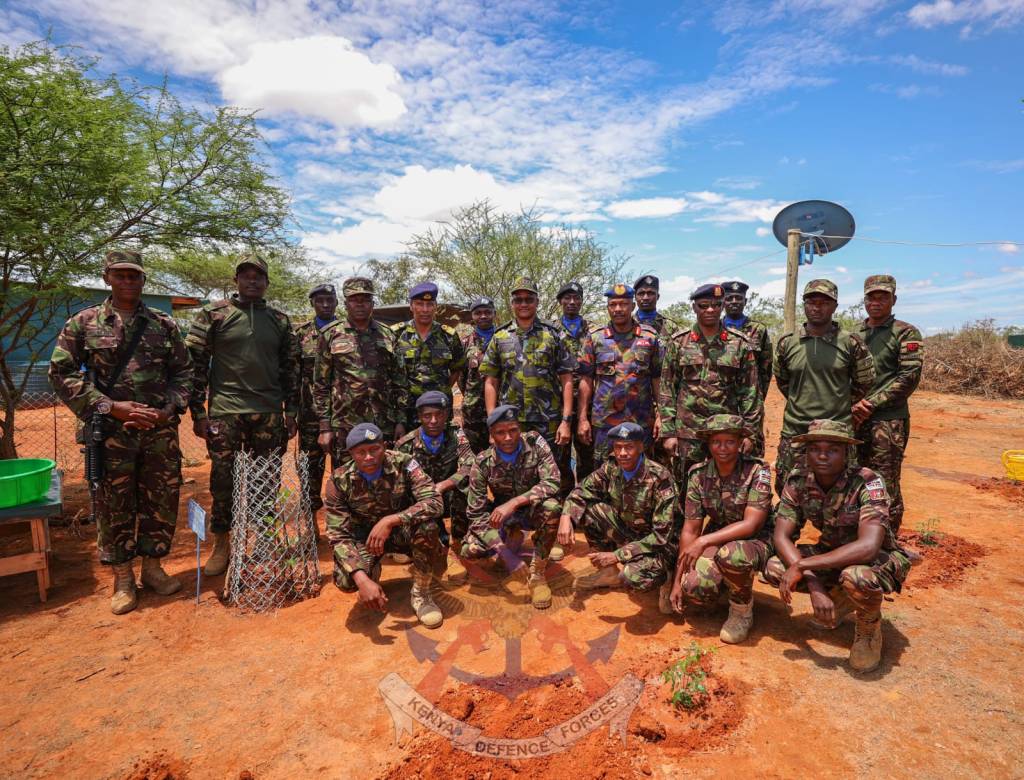
Chief of the Defence Forces (CDF), General Charles Kahariri has conducted a week- long tour of Kenya Defence Forces (KDF) soldiers installations and bases in Moyale, Marsabit County, and Elwak, Wajir County.

During his visit, he met troops stationed at Moyale’s ODDA Camp and Elwak Forward Operating Base (FOB), commending their dedication to fostering peace, security, and stability in the border areas between Kenya, Ethiopia, and Somalia.

The General applauded the troops for their professionalism, discipline, and integrity, emphasizing their crucial role in the success of security operations in the region.

He highlighted the importance of restoring normalcy in border areas such as Sololo and Dukana in Moyale, which have been staging grounds for armed groups threatening regional security.

Additionally, the CDF held a meeting with the Ethiopian National Defence Forces leadership in Moyale town, where they discussed matters of peace and security in the border region.

On 26 March 2025, the CDF visited troops at Elwak FOB, commending their cooperation with other multi-agency security forces working to pacify al-Shabaab and other militant groups.

He urged soldiers to remain vigilant and encouraged commanders to enhance intelligence sharing with other security agencies.

He also conveyed a goodwill message to Muslim soldiers in observance of the holy month of Ramadan.

The CDF was accompanied by senior officers from Defence Headquarters, including the General Officer Commanding (GOC) Eastern Command, Major General Luka Kutto, and Deputy Commander 4th Brigade, Colonel Owuor.

Fossil fuel companies get direct email line to Trump for exemption requests

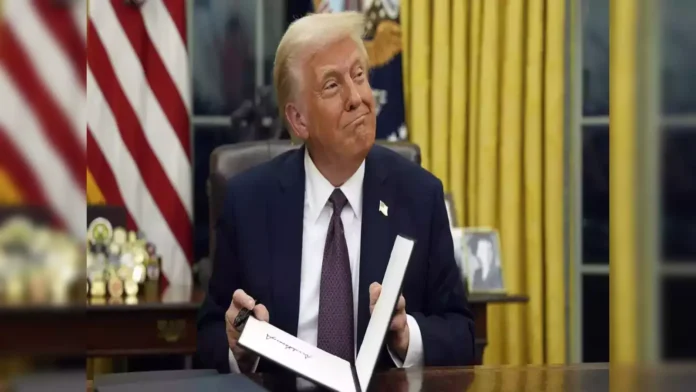
Donald Trump’s administration has offered fossil fuel companies an extraordinary opportunity to evade air pollution rules by simply emailing the US president to ask him to exempt them.

Trump’s Environmental Protection Agency (EPA) has set up a new email address where what it calls the “regulated community” can request a presidential exemption from their requirements under the Clean Air Act, which is used to regulate dangerous toxins emitted from polluting sources.

Operators of power plants that burn coal or oil, linked to tens of thousands of deaths each year in the US via the mercury, arsenic and other carcinogens emitted through their air pollution, have until Monday to ask Trump to allow them to bypass clean air laws.

“The president will make a decision on the merits” of each request, which can be for up to two years and be renewed, according to the EPA website. Helpfully, the EPA’s site provides a template for these requests, including pointers as to how to successfully ask for an exemption.

Trump pledged as a presidential candidate to repeal environmental laws if he got $1bn in campaign donations from oil and gas companies. While he didn’t reach that figure, Trump did receive tens of millions of dollars from the industry and has said that the US needs to “drill, baby, drill” through unfettered fossil fuel expansion, rejecting the scientific consensus that burning coal, oil and gas is causing a worsening climate crisis.

As president, Trump has set about dismantling pollution rules. Dozens of rollbacks by the EPA have targeted regulations that were intended to save nearly 200,000 lives in the US by 2050, as well as prevent millions of asthma attacks, heart and respiratory problems and other public health harms.

Rewriting these rules will take time, however, meaning that Trump has turned to an obscure and rarely used corner of the Clean Air Act to suspend pollution rules in the meantime. Under the act, presidents can exempt a business from pollution requirements if the technology necessary to meet the standard is not available and that this is in the US’s national security interests.

Environmental groups said that power plants had used technology to lower pollutants for years and that the new emailed exemption was an outrageous attempt to side-step clean air laws. “These safeguards protect the health and wellbeing of our communities and there is no legitimate basis to suspend them,” said Laurie Williams, director of the Sierra Club’s beyond coal campaign.

“The EPA must abandon this ridiculous proposal now, and do its job of holding fossil fuel companies to current air pollution standards.”

The decision to set up the email by Lee Zeldin, administrator of the EPA, was “an extreme and improper abuse of Clean Air Act authorities that only allow for exemptions from vital pollution protections in very narrow circumstances,” said Vickie Patton, general counsel for the green advocacy group Environmental Defense Fund.

“This is a Trump EPA-led effort to evade established limits on toxic pollution that protect millions of people across the US.”

Patton’s organization on Thursday filed a Freedom of Information Act request for all submissions to the portal, including the names of all entities requesting the exemptions. The group has pledged to “go to court if necessary” to obtain the records, and to make them public.

“[T]he American public deserves to know what the Trump EPA and polluters are doing to the air they breathe,” said Patton.

Reached for comment, an EPA spokesperson said: “Section 112(i)(4) specifically states that the president may exempt any stationary source ‘if the president determines that the technology to implement such standard is not available and that it is in the national security interests of the United States to do so’.”

Harry Redknapp appears to make Nazi salute after calling Thomas Tuchel ‘German spy’

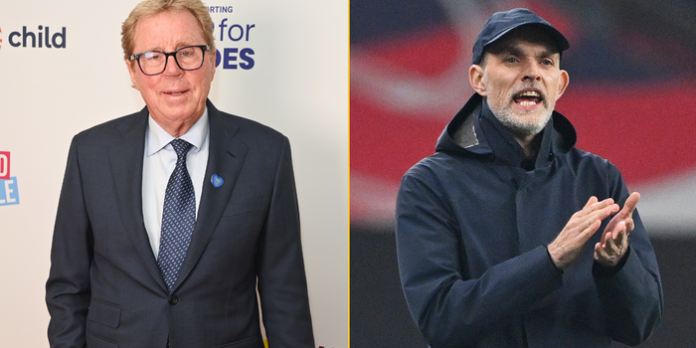
Harry Redknapp called Thomas Tuchel a German spy and appeared to perform a Nazi salute during a discussion about the England head coach at a charity event.

Redknapp, the former Portsmouth, Tottenham and West Ham manager, was speaking in front of an audience at a London venue last week. The Guardian has seen footage of the 78-year-old’s remarks about Tuchel, which came when he was asked whether England were right to appoint the German.

“I don’t know,” Redknapp said before making comments designed to amuse his audience. “I’ll be honest with you, I think he’s a German spy. I’m telling you. Seriously, he’s been sent over to fuck us up. He has. I’m telling ya, he’s like Lord Haw Haw in the war – ‘We have your best soldiers captured’ and all that.”

Redknapp soon imagines an instruction given to Tuchel – “‘Go over and ruin that team” – before putting on a German accent, saying “Ja” and lifting his left arm in a manner that appeared to resemble a Nazi salute.

The comments about Tuchel and the gesture that Redknapp made were met with laughter from the audience.

Redknapp then said: “I’m going, I’ve got to go and see my accountant.” He laughed as the crowd cheered and applauded. He finished by revealing that he had not received payment for his appearance.

The remarks were made before Tuchel’s first two games in charge of England, a 2-0 win over Albania last Friday and a 3-0 victory against Latvia on Monday.

Tuchel is the first German and, after Sven-Göran Eriksson and Fabio Capello, the third foreigner to manage the England men’s team. His appointment in October 2024 received a mixed response, with the Daily Mail’s back page declaring it was “A dark day for England [as] Three Lions gamble on a German.”

The German ambassador to the UK, Miguel Berger, said at the time: “I think it’s a small minority that thinks that and I found it a bit outdated. The side has had foreign coaches before, so to have a foreigner is nothing new. It’s a brave decision, but it’s a very clear and a very clever one.”

The Guardian has attempted to contact Redknapp for a response.

I’ve never seen such clampdowns in Istanbul. Turkey’s democracy is fighting for its life

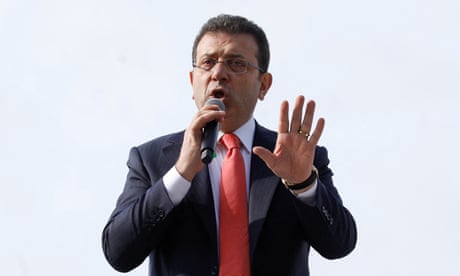
Since the arrest earlier this month of President Recep Tayyip Erdoğan’s main political rival, Istanbul mayor Ekrem İmamoğlu, on what are clearly trumped-up charges of corruption and terrorism, Taksim Square, the city’s biggest tourist site and hub of political protest, has been lying empty, cordoned off by police. In my 50 years living in Istanbul, I have not seen as many so-called security measures on the streets as I have over the past few days.

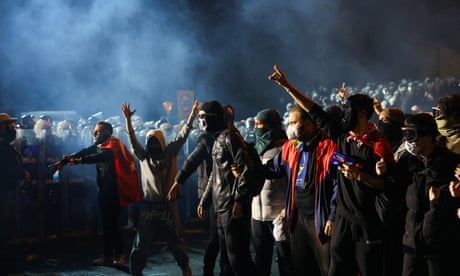
Taksim’s metro station and many of the city’s other busiest stations have been closed. The regional government has restricted car and intercity bus access to Istanbul. The police are checking incoming vehicles, and anyone suspected of travelling to the city to protest is turned away. Here and all over the country, televisions are permanently switched on so people can follow the latest distressing political developments. For the past week, the Istanbul governor’s office has banned public protests and political demonstrations – rights enshrined in the constitution. Yet spontaneous unauthorised protests and clashes with the police have continued unabated, even though internet access has been restricted in an attempt to prevent gatherings. The police use teargas ruthlessly and have arrested countless people.

Ekrem İmamoğlu

We wonder how such outrageous things could happen in a country that is a member of Nato and angling for EU membership. While the world is preoccupied with Donald Trump, with the wars between Palestine and Israel, Ukraine and Russia, what little remains of Turkish democracy now fights for its life.

The jailing of the president’s chief rival, a politician capable of gaining mass support, brings Erdoğan’s strong-fisted, autocratic rule to a level we have not seen before. İmamoğlu’s arrest came a mere few days before Turkey’s main opposition party was expected to formally nominate him as its presidential candidate during a primary. People for or against the government now largely agree on one thing: Erdoğan sees İmamoğlu as a political threat and wants to get rid of him.

İmamoğlu has won more votes than Erdoğan’s own party, the Justice and Development party, in Istanbul’s last three mayoral elections. When İmamoğlu defeated the party’s candidate in the April 2019 election, Erdoğan had the result annulled, citing technical irregularities. The elections were repeated two months later. İmamoğlu won again. Even more, he increased his margin. At the next round of local elections in 2024, after five years in office, İmamoğlu once again defeated Erdoğan’s party candidate and was elected mayor of Istanbul for the third time. İmamoğlu’s electoral track record and his growing popularity have made him the main opposition candidate who could successfully challenge Erdoğan at the next presidential election.

The flip side to all this is that Erdoğan seems to be using the same playbook on his opponent as the one used on him 27 years ago. In 1998, Erdoğan was Istanbul’s elected mayor and a popular figure. The secular and military establishment deemed his brand of political Islam dangerous. He was also imprisoned and charged (in his case it was for inciting religious hatred after reciting a political poem at a rally). Erdoğan was removed as mayor and spent four months in prison.

But his imprisonment and his defiant refusal to collaborate with the establishment and bow down to the repressive demands of the army helped further raise his political profile. As some commentators have pointed out, the jailing of İmamoğlu, who has denied the charges and is also promising not “to bow down”, might actually have the same unintended outcome. It could very well be helping to make the mayor all the more popular.

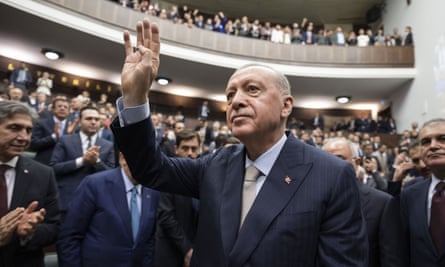
President Recep Tayyip Erdoğan attends his party’s group meeting at the Turkish Grand National Assembly, Ankara, on Wednesday.
President Recep Tayyip Erdoğan attends his party’s group meeting at the Turkish Grand National Assembly, Ankara, on Wednesday. Photograph: Anadolu/Getty Images

Yet the situation isn’t quite the same. İmamoğlu is facing a deliberate and determined attempt to remove him from the running. The day before police were dispatched to İmamoğlu’s house, the pro-Erdoğan press and the Erdoğan-appointed rector of the University of Istanbul declared İmamoğlu’s college degree invalid, citing alleged irregularities in his transfer from a private university. Since only university graduates are allowed to run for president in Turkey, this would disqualify İmamoğlu, who has said he planned to challenge the decision. The accusations of corruption and terrorism followed.

The labelling of political opponents as terrorists is a tendency the Erdoğan government acquired after the failed military coup of 2016, when a faction of the Turkish armed forces tried to take over. In 2019, when the Austrian author Peter Handke, who had been criticised for backing the late Serbian leader Slobodan Milosevic, was awarded the Nobel prize in literature, Erdoğan sternly opposed the decision. Caught unprepared and without a teleprompter, he declared that they gave the same prize to “a terrorist from Turkey!”, in apparent reference to my Nobel win in 2006. I had been due to fly back from New York to Istanbul that day, and I was just about to cancel my return when the president’s spokesperson announced that it wasn’t me the president had been referring to.

A court steered by Erdoğan has now jailed İmamoğlu under corruption charges, but it did not press “terror” charges. Such a charge would have allowed President Erdoğan to install his preferred candidate in the role of mayor of Istanbul – a position his party has failed to win for three consecutive elections – and thus, some fear, he would be able to redirect some of the city’s endless stream of tax income into publicity and propaganda activities for his own party.

Protests on the streets of Istanbul.

In jailing İmamoğlu, Erdoğan doesn’t just sideline a more popular political rival – he also seeks to get his hands back on a wealth of resources he hasn’t been able to touch for seven years. Should he succeed, the next presidential election will feature only Erdoğan and his candidates’ faces plastered over the city’s walls and illuminated municipal billboards.

This is not a surprise for anybody who’s following Turkish politics closely. For the past decade, Turkey hasn’t been a real democracy – merely an electoral democracy, one where you can vote for your preferred candidate but have no freedom of speech or thought. Indeed, the Turkish state has strived to coerce its people into uniformity. Nobody is even talking about the many journalists and civil servants who have been arbitrarily jailed over the past few days, either in an attempt to add heft and credibility to the corruption charges against İmamoğlu or on the assumption that no one will pay attention with everything else going on.

Now, with the arrest of the country’s most popular politician – the candidate who would have won a majority of votes at the next round of national elections – even this limited form of democracy is coming to an end. This is unacceptable and distressing, and that’s why more and more people are joining the latest protests. For the time being, no one can foresee what will happen next.

King Charles undergoes hospital observation due to cancer treatment side-effects

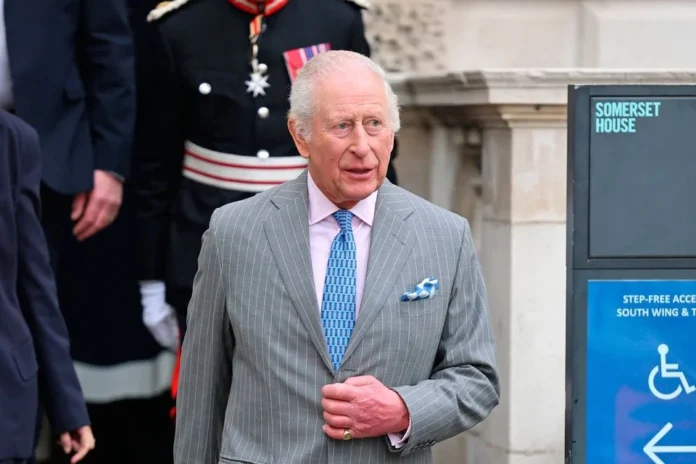
King Charles required hospital observation on Thursday after experiencing “temporary side-effects” as part of his continuing medical treatment for cancer, Buckingham Palace has said.

The 76-year-old monarch underwent scheduled treatment for cancer on Thursday morning, which required “a short period of observation in hospital”, according to a palace statement.

“His majesty’s afternoon engagements were therefore postponed,” a spokesperson said.

“His majesty has now returned to Clarence House and as a precautionary measure, acting on medical advice, tomorrow’s diary programme will also be rescheduled.”

The king sent his apologies to “all those who may be inconvenienced or disappointed” as a result of his decision to postpone his engagements and reschedule his diary, the statement added.

A source described it as a “most minor bump in a road that is very much heading in the right direction”.

Charles was diagnosed with an undisclosed form of cancer in February 2024 and returned to public-facing duties in April while still undergoing weekly treatment.

He has had a busy week of engagements, including a reception for media and a visit to a soil exhibition, and he is due to make a historic state visit to Italy in 10 days’ time. It is understood that this visit, where the king plans to become the first British sovereign to address both houses of the Italian parliament, is expected to go ahead as planned.

The king had been due to meet ambassadors in audiences at Buckingham Palace on Thursday afternoon and to travel to Birmingham on Friday, but these were postponed.

The king visited the London Clinic, the same hospital where he was treated for an enlarged prostate in January 2024, on Thursday morning.

It is understood the side-effects, the specifics of which have not been disclosed, were temporary and not uncommon with many medical treatments.

He was not joined by the queen during his brief stay, and travelled to and from the hospital by car.

After he returned home to Clarence House, the king was said to be on good form, and was reported to be working on state papers and making calls from his study.

A Buckingham Palace spokesperson said: “His majesty was due to receive credentials from the ambassadors of three different nations this afternoon.

“Tomorrow he was due to undertake four public engagements in Birmingham, and is greatly disappointed to be missing them on this occasion.

“He very much hopes that they can [be] rescheduled in due course and offers his deepest apologies to all those who had worked so hard to make the planned visit possible.”

The announcement from the palace was made late on Thursday evening because the king needed time to consult his staff and medical team after he returned to Clarence House.

Since his diagnosis last year, the king’s diary of engagements is understood to have been developed in full consultation with his medical team at all stages to protect his recovery.

It was decided on balance that it was wiser to cancel the visit to Birmingham, which involved four back-to-back engagements, as a precautionary measure.

Sources told PA Media the hospital visit was not a major development and no further updates were expected on the king’s health, with any minor alterations to his diary that may be required next week being announced in due course.

Charles became king on 8 September 2022 after the death of his mother, Queen Elizabeth II.

When announcing his cancer diagnosis last February, the palace asked for privacy and only confirmed it was a “form of cancer”.

The king was diagnosed after a “separate issue of concern was noted” and investigated while he was being treated for a benign prostate condition.

In December 2024, the palace said the king’s “treatment has been moving in a positive direction and as a managed condition the treatment cycle will continue into next year”.

When asked how he was that month during a visit with the queen to Walthamstow in north-east London, the king smiled as he replied: “I’m still alive.”

Under-fire Zimbabwe president names new army chief

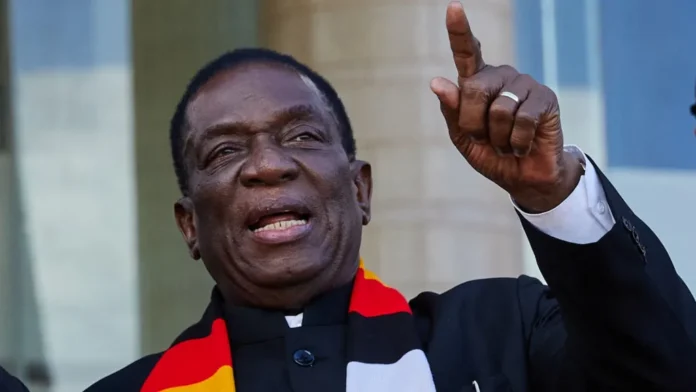
Zimbabwe’s President Emmerson Mnangagwa has appointed a new army chief ahead of planned protests on Monday, called by a group of war veterans who want to force the president to resign.

The former major general, Emmanuel Matutu, takes over with immediate effect.

President Mnangagwa has faced calls from his former supporters to step down citing mismanagement and corruption.

Earlier this week Mnangagwa abruptly retired his army chief, Lt Gen Anselem Sanyatwe, appointing him sports, arts and culture minister.

Due to his ruthless reputation, Emmerson Mnangagwa goes by the nickname “The Crocodile”.

He became president in 2017 following a coup against long-time leader Robert Mugabe, and is currently serving his second and final term, which expires in 2028.

Trouble began brewing during rallies of the governing Zanu-PF party last year after reports that Mnangagwa wanted to stay in office.

Despite a recent assurance from Mnangagwa that he did intend to step down in three years, many remain unconvinced.

The criticism about his leadership from within his party and accusations that he intends to cling to power evoked memories of the lead-up to the coup that toppled Mugabe.

While it’s not clear how much public support the veterans have for their planned protests, the security minister has warned Zimbabweans against taking part in the demonstrations.

The police have announced a four-day ban around the capital on the carrying of weapons or any instruments that can be used to cause violence.

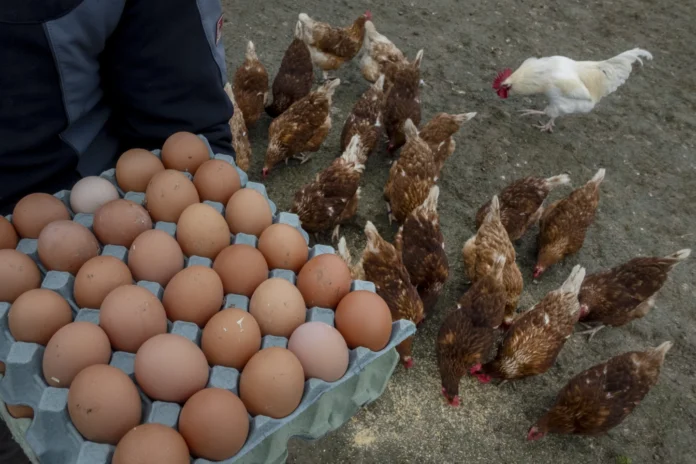
The US is on an egg hunt in Europe to ease prices at home

(AP) — The U.S. government is on a global egg hunt, seeking exports from countries in Europe and elsewhere to ease a severe shortage that has caused egg prices at grocery stores to hit record highs.

Germany, Italy, Poland and Sweden are among the nations the U.S. Department of Agriculture approached to address the shortage brought on by a bird flu outbreak, according to European industry groups.

But supplying Americans with eggs would be complicated for foreign producers — and not because of political tensions over the myriad import tariffs President Donald Trump has imposed or threatened to impose on his nation’s top trading partners.

Even if they were eager to share, European countries don’t have many surplus eggs because of their own avian flu outbreaks and the growing domestic demand ahead of Easter.

One of the biggest obstacles, however, is the approach the United States takes to preventing salmonella contamination. U.S. food safety regulations require fresh eggs to be sanitized and refrigerated before they reach shoppers; in the European Union, safety standards call for Grade A eggs to be sold unwashed and without extended chilling.

“These are two systems that could not be more different,” said Hans-Peter Goldnick, the president of the German Egg Association.

Feathers on eggs at the supermarket

It is common in parts of Europe, for example, for consumers to buy eggs that still have feathers and chicken poop stuck to them.

Farmer David Karlsch described the simple process that gets eggs from hens to customers of the family-owned Saballus poultry farm in Schoeneiche, a town just outside Germany’s capital: The eggs are taken from nests, placed into cartons and sold on the premises or from a refrigerated vending machine just outside the property.

“The demand at Easter time is of course very, very high, as many children naturally want to paint eggs,” Karlsch said.

Poland, a major egg exporter, fielded a U.S. query about the availability of eggs, according to Katarzyna Gawrońska, director of the National Chamber of Poultry and Feed Producers. The issue of washed vs. unwashed was a major factor as European officials considered such requests, she said.

Eggs are not cleaned in most of the 27 EU member nations because of concerns that removing the natural protective coating from eggshells makes them more vulnerable to bacteria, Gawrońska said.

Polish veterinary officials are trying to determine if the country and its farmers can meet U.S. requirements, such as whether the exporting country has a comparable food safety inspection system or a significant bird flu outbreak.

Powdered egg products

Although European Union regulations state that table eggs “shall not be washed or cleaned,” member countries have some leeway if they authorized egg baths at packing plants decades ago.

Danish Egg Association CEO Jørgen Nyberg Larsen said national customs are part of it; washed eggs are the norm in Sweden, for example. But Sweden and Norway have informed the U.S. they don’t have extra eggs to export, Larsen said.

For now, any increased U.S. egg imports from Europe are more likely to arrive in powdered form or other products that can be shipped frozen or dried, Larsen said.

That’s the response Poland’s trade association gave U.S. officials. If the U.S. certifies Poland as a source, the organization’s members would have a limited number of shell eggs to sell but could supply “very large volumes of egg processing products,” Gawrońska said.

Processed eggs usually are pasteurized to prevent foodborne illnesses and then used in food manufacturing or by restaurants, hospitals and nursing homes, according to the U.S. Department of Agriculture.

Baked goods, pasta and sauces like mayonnaise are some of the commercial products made with egg powder.

Europe’s own production problems

U.S. officials also tried to sound out farmers in northern Italy’s Veneto region for emergency egg supplies, according to Coldiretti, the main Italian agricultural lobbying organization.

But Italy only produces enough eggs to cover the national demand so most of the region’s producers said they could not help. Bird flu outbreaks since the start of last year also have taken a toll on the Italian poultry industry.

Germany cannot contribute much either. Its domestic poultry industry generates about 73% of the eggs consumed in the country, “and we ourselves essentially have to import eggs from Holland every day to keep everyone satisfied,” the German Egg Association’s Goldnick said.

“We have around 45 million eggs that we can collect from the chicken coops every day, and in America, there’s a shortage of around 50 million eggs a day. That shows how difficult it is,” he said.

An improving US market and Easter demand

Other countries the U.S. government contacted include Austria, Norway, Spain and Denmark. The U.S. Department of Agriculture said it secured new egg commitments from Turkey and South Korea in recent months, although it did not specify the amount or type.

Imports of liquid, frozen and dried eggs may help free up some domestic shell eggs for consumers, but the U.S. made its appeal for foreign eggs amid a significant deficit; last month, the country produced 720 million fewer table eggs than in February 2024, a decline of nearly 10%.

The U.S. also cut its own egg exports to boost supplies at home, the Agriculture Department said.

While the informal trade talks continue, the U.S. market has shown signs of improvement. It’s been nearly a month since a major bird flu outbreak impacted egg-laying hens, the department said. It reported the national wholesale price for large eggs dropped to $3.27 per dozen as of March 21, or less than half its peak of $8.15 per dozen on Feb. 21.

U.S. consumers are just starting to see those falling wholesale prices translate to lower prices on grocery shelves, the department said. The big demand for eggs that usually accompanies Easter and Passover could cause prices to edge up again next month.

Business is business

Trump hasn’t exactly walked on eggshells with the people of Europe since starting his second term. The president’s repeated threats to seize Greenland, a Danish territory, infuriated many in Denmark. His posture toward Ukraine and disparaging remarks from top members of his administration have alarmed America’s European allies.

The European Union, which is the third-largest trade partner of the U.S., was not exempted from the tariffs Trump ordered on steel, aluminum and automobiles. Bracing for more, it has prepared counter-tariffs on American products.

But many officials in Europe say none of that would rule out exporting eggs.

Goldnick said an egg producer friend recently told him that “if the price is right, then I’ll deliver.” Any deals made or not would come down to business decisions, he said.

“I have two souls in my chest. On the one hand, I would say, ‘No, we can’t support this system,’ but that’s not the right answer,” he said, referring to the new U.S. tariffs on European goods.

“The right answer is we have to help where we can. And it concerns the people. It doesn’t concern the government. You wouldn’t prop them up or anything, but it’s just people’s demand at Easter, for eggs, and that’s just as important to satisfy in America as it is here.”

Create a free account, or log in.

Gain access to read this content, plus limited free content.

Yes! I would like to receive new content and updates.

Sponsored Ad

Ad 1
Ad 2
Ad 3
Ad 4
Ad 5
Ad 6