Sponsored Ad

Ad 1
Ad 2
Ad 3
Ad 4
Ad 5
Ad 6
31.3 C
Kenya
Sunday, May 24, 2026
Home Blog Page 2

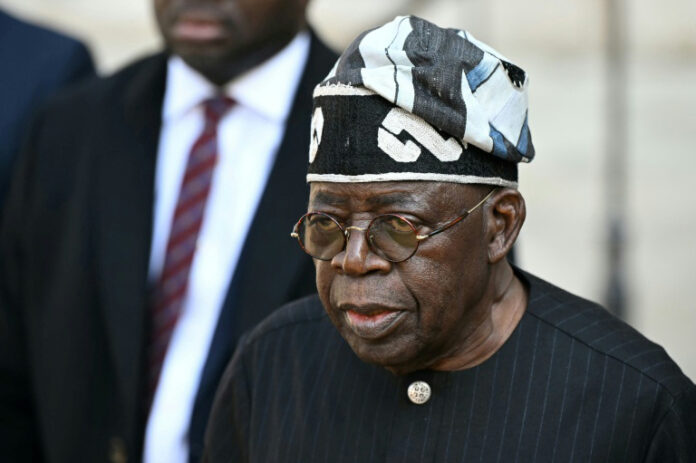
Nigeria’s President Tinubu to run for re-election

By Bonface Mulyungi

Nigeria’s President Bola Tinubu will run for re-election in January, with the leader of Africa’s most populous nation set to be named his party’s candidate on Sunday.

After passing the formality of primaries for his All Progressives Congress (APC), Tinubu will be anointed the party’s candidate for the 2027 presidential race at a ceremony in the capital Abuja in a conference centre bearing his name.

First elected in 2023, Tinubu has never hidden his ambition to serve a second four-year term, as his fondness for decor bearing the number eight testifies to.

His primary victory was announced on Saturday evening, with the party hailing the process as proof of internal democracy. He faced off against a lone opponent, obscure businessman Stanley Osifo, who spent 100 million naira (around $73,000) for the right to stand against the president.

Tinubu is the bookmakers’ favourite to win the January 2027 election, in the face of a weakened and divided opposition.

His APC controls 31 of the country’s 36 states, up from 21 in 2023, following a wave of defections to the ruling party.

In his first term, Tinubu passed a range of reforms intended to boost the economy and reassure international investors.

But many ordinary Nigerians are downbeat on the economy.

Inflation soared to 30 percent in 2024 and was still at 15 percent in early 2026, while fuel prices quadrupled in four years. Around 60 percent of Nigerians live in poverty, according to the World Bank, a four-percent increase from when Tinubu took office.

In the coming days, several opposition parties are set to hold primaries to choose who will bid to unseat the president in January.

At least 24 killed in Pakistan train blast claimed by separatist militants

By Bonface Mulyungi

A bomb blast hit a shuttle train carrying Pakistani security personnel and their families in the southwestern province of Balochistan on ​Sunday, officials said, in the latest major attack claimed by separatist militants.

The ‌explosion killed at least 24 people and injured around 70, according to three provincial government and security officials, who spoke on the condition of anonymity as they are not authorized to speak to the media.

The attack ​was the latest in a series of strikes on trains, security forces and infrastructure in ​the mineral-rich province that borders Iran and Afghanistan, where Pakistan has launched ⁠counterinsurgency operations after some of the deadliest violence in years.

The separatist militant group Baloch Liberation ​Army, or BLA, said in a statement to media that it carried out the attack and ​described it as a suicide bombing. Reuters could not independently verify the claim.

The shuttle train was carrying passengers from Quetta’s cantonment area to connect with the Jaffar Express long-distance train when the blast struck near a railway ​track in the provincial capital, Pakistan’s railways ministry said in a statement.

The explosion derailed ​the engine and three coaches, while two coaches overturned, the ministry said, adding that security forces had cordoned off ‌the ⁠area and rescue operations were under way.

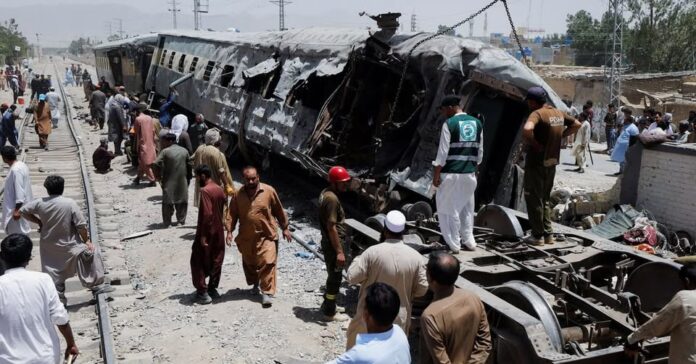
Item 1 of 5 Railway staff work at the site, after a blast near a railway track in Quetta, Pakistan May 24, 2026. REUTERS/Naseer Ahmed

Railway staff work at the site, after a blast near a railway track in Quetta, Pakistan May 24, 2026. REUTERS/Naseer Ahmed Purchase Licensing Rights, opens new tab

A security official said an explosives-laden vehicle hit one of the train’s bogies in a residential area, and that some of those killed were residents of a nearby apartment building.

Images from the scene showed burnt-out vehicles, damaged residential buildings, twisted metal ​and debris scattered near ​the railway track, with ⁠smoke rising from the wreckage.

Prime Minister Shehbaz Sharif condemned what he called a “heinous bomb explosion” in a post on social media website X. ​He expressed condolences for the victims’ families and said the nation stood ​with the ⁠people of Balochistan.

In March 2025, BLA militants hijacked the Jaffar Express train, taking hundreds hostage before a military operation ended the day-long standoff. The military said 21 hostages, four troops and all 33 ⁠attackers ​were killed.

Earlier this year, Pakistani forces killed 145 militants ​in a 40-hour operation after coordinated attacks across Balochistan left nearly 50 people dead, provincial officials said.

(This story has been refiled to remove duplication in paragraphs 2 and 3)

Reporting by Saleem Ahmed ​in Quetta, Ananya Palyekar in Bengaluru; writing by Ariba Shahid; Editing by Christian Schmollinger and Kim Coghill

Man killed in shark attack off Australia’s north-east coast

By Bonface Mulyungi

A man has died after being attacked by a shark off the coast of the north-eastern Australian state of Queensland, police have confirmed.

Emergency services were called to a boat ramp on the Cassowary Coast, between the cities of Cairns and Townsville, just before noon local time on Sunday, following reports of a 39-year-old being attacked while swimming out at a nearby shoal.

Queensland Police said in a statement that the man was retrieved from the water but died from his injuries.

It is the second fatal shark attack in Australian coastal waters in as many weeks, after a 38-year-old was killed while spearfishing near Perth, in Western Australia, last Saturday.

In that incident, the man had been bitten on the lower legs and could not be revived.

Queensland Police did not reveal details of the injuries sustained by the latest victim, nor did it disclose the man’s identity.

It said it will now prepare a report for the coroner on the “sudden and non-suspicious” death.

As the matter is before the coroner, it would be inappropriate to comment further,” the force added.

Shark attacks around Australia are more common than in many other parts of the world, though they are often not fatal.

There were four encounters with sharks across Australia in January, according to the Australian Shark-Incident Database, only one of which was fatal.

Popular swimming and surfing spots tend to have measures to protect against attacks.

Iran move World Cup base from US to Mexico

By Bonface Mulyungi

Iran are moving their World Cup training base to Mexico after football’s world governing body FIFA approved a request to transfer it from Tucson, Arizona, the head of Iran’s football federation said on Saturday.

The Iranian team will now be based in Tijuana on the border of Mexico and the United States during the tournament, federation president Mehdi Taj said in a video carried by the Fars news agency.

“Fortunately, thanks to the meetings we had with FIFA officials… our request to change countries from the United States to Mexico, due to problems encountered in obtaining visas, was accepted by FIFA,” Taj said.

“We will therefore be based in Tijuana, near the Pacific Ocean. It is a city that lies between Mexico and the US, but it is located in Mexico. We have actually completed the team building there,” Taj added.

Taj said that the move would help to avoid complications related to visas and that the squad could use Iran Air flights to travel directly to Mexico.

Iran’s participation in the World Cup has been in question for months because it is being co-hosted by the United States, which along with Israel began bombing Iran on February 28, sparking a wider war in the Middle East.

Iran have been drawn in Group G and will play their first two matches in Los Angeles.

They open their campaign against New Zealand on June 15 and will then face Belgium on June 21 before rounding off their group games against Egypt in Seattle on June 26.

Taj said that Tijuana was closer to the cities where Iran will play than the camp in Arizona would have been.

“The distance for us in the two games that we have in LA will be a 55-minute flight. Which is a lot less compared to Tucson,” the federation president said.

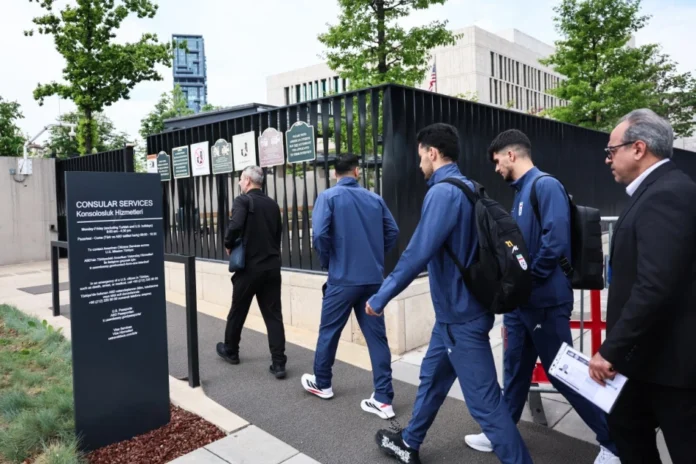
The Iran team is currently preparing in Antalya, southern Turkey, and some of the squad went to the US embassy in Ankara on Thursday to submit visa applications for the World Cup.

– Visa uncertainty –

The Iranian football federation’s vice-president Mehdi Mohammad Nabi said on Tuesday that the federation was unsure if US visas would be granted to all of the team and accompanying officials.

“We’re not certain yet that all the players and staff will receive US visas,” he said, but added that Iran was “very confident” in FIFA’s protocols.

Sarah Hanna, the head of the Kino Sports Complex in Tucson where the Iran team were to have been based, told AFP on Saturday that she could not confirm the move to Mexico and referred all questions to World Cup organisers.

At a FIFA congress in Vancouver last month, president Gianni Infantino said that Iran would play their World Cup games in the US as scheduled.

“Let me start at the outset by confirming straight away, for those who maybe want to say something else or write something else, that of course Iran will be participating at the FIFA World Cup 2026,” Infantino said then.

“And of course, Iran will play in the United States of America. The reason for that is simple, because we have to unite. We have to bring people together.”

The World Cup, hosted by the US, Mexico and Canada, kicks off on June 11.

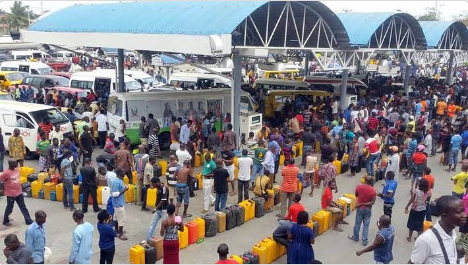
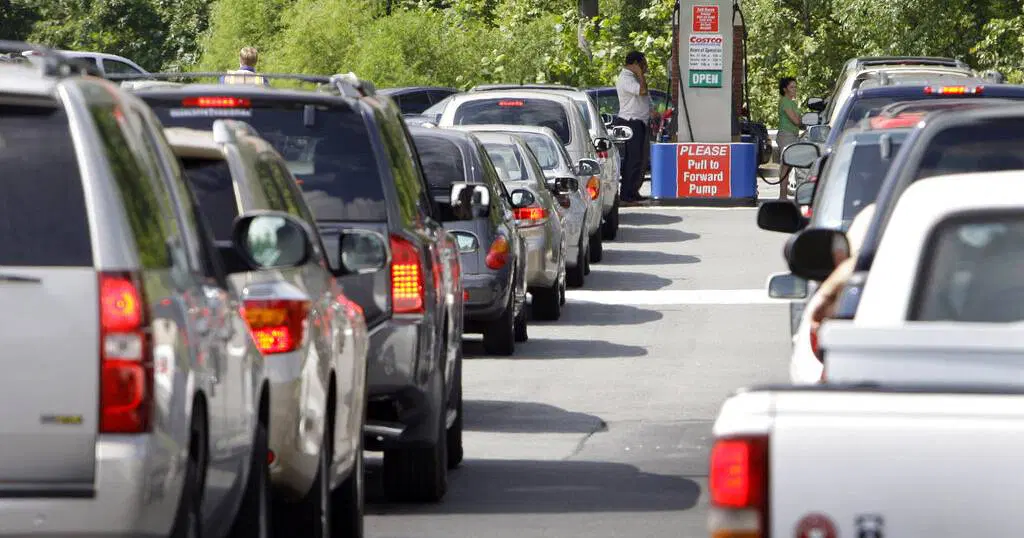
Regional fuel crisis deepens as Mozambique, Ethiopia and Burundi report shortages, long queues

By Bonface Mulyungi

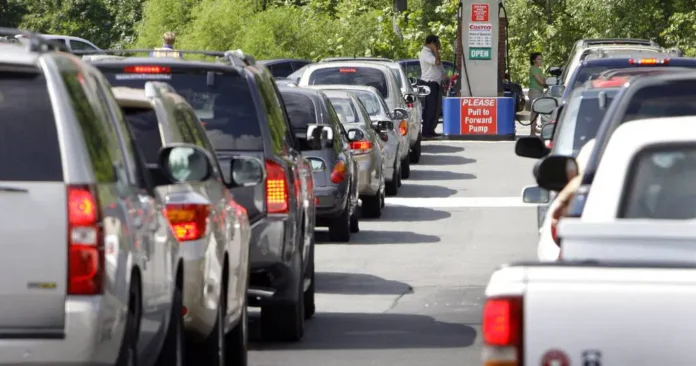
A fuel crisis is tightening its grip across parts of Africa and the region, with several countries reporting shortages and long queues at filling stations as supply chains are disrupted by the ongoing Middle East conflict and disruptions along key global routes.

Mozambique is the latest country to report supply challenges, with long queues seen at fuel stations and disruptions reported in cities including Maputo.

In East Africa, the crisis has also pushed up pump prices in Rwanda, Tanzania, Uganda and the Democratic Republic of Congo, even as Kenya maintains supply under its government-to-government fuel importation framework.

Treasury CS John Mbadi has warned Kenyans to brace for a prolonged crisis, saying the war in the Middle East has forced global markets into a scramble for alternative sources of fuel.

Mbadi said the region produces a significant share of global fuel supplies and remains a key source for African markets, meaning disruptions can quickly ripple across economies.

The impact has been more severe in Ethiopia, where public and private transport has been disrupted in the capital Addis Ababa amid shortages that have reduced daily diesel availability, leaving vehicles parked for extended periods.

Burundi has also been hit by what officials describe as unprecedented fuel scarcity, with long queues reported at petrol stations in Bujumbura and public transport disrupted, slowing economic activity.

In Kenya, the government says it has moved to secure supplies by contracting firms including Abu Dhabi National Oil Company, Emirates National Oil Company and Aramco to source fuel outside troubled supply routes and avoid dry pumps.

The government has ruled out calls by opposition leaders to review the G-to-G importation arrangement, with Mbadi warning that changing the framework could risk fuel shortages.

If we review G-to-G we will end up with no fuel in the country,” he said.

Eliud Kipchoge Finishes 16th at Cape Town Marathon

By Bonface Mulyungi

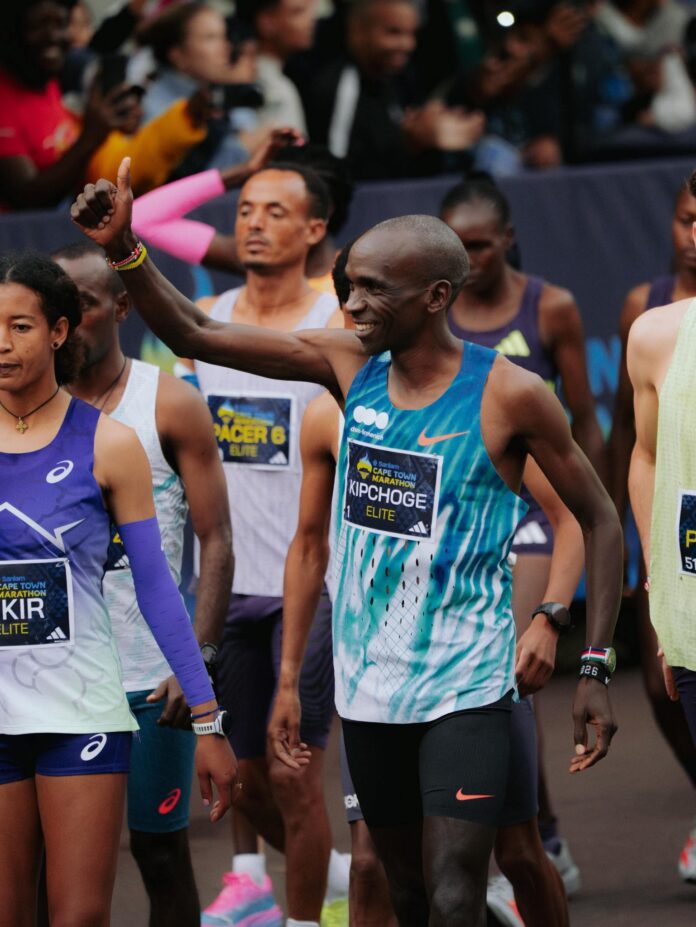
On the morning of May 24, Eliud Kipchoge finished the Cape Town Marathon in 2:13:29. The 41-year-old averaged 5:05 pace and was 16th place overall and second place in the masters division.

Although he hasn’t officially retired from competitive running, Kipchoge says he’s more focused on being an ambassador for the sport than on competing for World Marathon Major titles. At the New York City Marathon last November, where he finished 17th, Kipchoge announced plans to run a marathon on each of the seven continents.

He chose Cape Town for the African leg and said before the race that he wasn’t strictly focused on performance. “I am training normally, preparing my mind like any other race,” he told Olympics.com in March. “But it is a different race. It’s more for inspiration and to reach more people than in the [past] marathons.”

“I am not giving a stipulated time that I need to run in Cape Town…” he continued. [I want] to run a good race, a beautiful race that everyone will enjoy. I want to spread my inspiration and make people understand sport more than ever, make them treat sport as a profession.”

Kipchoge has two more international marathons lined up this year. He’ll run the Porto Alegre Marathon in Brazil on July 12, checking South America off his list. And on October 11, he’ll line up at the Melbourne Marathon in Australia. His races in North America, Asia, Europe, and Antarctica have not yet been announced.

Huseydin Mohamed Esa of Ethiopia won the men’s race at Cape Town in 2:04:55, and Dera Dida Yami, also from Ethiopia, took home the women’s title in 2:23:18. The South African marathon is a candidate race to become the eighth World Marathon Major, and if it meets the necessary criteria, it could be added to the circuit as early as 2027. The Shanghai Marathon in China is also undergoing the candidacy process.

Last year, the Cape Town Marathon was canceled 90 minutes before its start time because of high winds. Before the cancellation, race organizers had decided to move the race from October to its current May 24 date.

Even if Kipchoge never podiums at another race, he’ll still be remembered as one of the most dominant athletes in running history. His consistency at the peak of his marathon career was remarkable.

From 2014 to 2023, Kipchoge won 11 World Marathon Majors, earned two Olympic gold medals, and broke the marathon world record twice. In 2019, he became the first person to break the two-hour barrier, running 1:59:40 in an exhibition race.

China rescuers search for missing after mine blast kills 82

By Bonface Mulyungi

Rescuers in northern China searched on Sunday for two people still missing after a gas explosion killed 82 in a mine that authorities said was beset by serious safety violations.

The blast at the Liushenyu shaft in Shanxi province on Friday was the country’s worst mining disaster in nearly two decades, with 247 workers underground at the time, authorities said.

AFP journalists saw relatives anxiously waiting by a checkpoint blocking the road leading to the mine on Sunday, hoping for news of their loved ones.

One man, smoking nervously on a curb, told AFP calls to his brother — a father of three — “wouldn’t go through” since the blast.

He said he had “no idea how the accident actually happened” and that their parents were still unaware their older son was missing.

“I don’t dare tell them,” he said, asking not to be named.

Authorities launched an investigation into the blast, saying preliminary findings showed the Tongzhou Group operating the mine had committed “serious illegal violations”.

“Those found responsible will be severely punished in accordance with laws and regulations,” officials told a new conference broadcast on state-run CCTV.

More than half of the workers in the shaft on Friday had gone down without being properly registered, state media said, citing a personnel board at the site.

The miners are normally required to undergo facial recognition checks or take location-tracking cards before their descent.

– ‘Every possible effort’ –

A person “responsible for” the company had been “placed under control in accordance with the law”, Xinhua news agency reported earlier.

Hundreds of rescuers rushed to the site after the explosion, with medical teams taking 128 people to hospital as of Saturday evening, loaded into ambulances and carried on stretchers.

Helmeted rescuers took turns descending into the shaft overnight to look for the two missing workers, sending down a robot to probe the mine conditions, state media reported.

“As long as there is hope, we will make every possible effort,” one rescuer told Xinhua.

The blast is the worst since 2009 when 108 people were killed in a mine explosion in northeastern Heilongjiang province.

The State Council, China’s cabinet, ordered nationwide “tough crackdowns on illegal and unlawful activities”, including the falsification of safety data, unclear headcounts of underground workers and illegal contracting.

– Sulphur smell –

Injured survivor Wang Yong told CCTV he heard nothing but smelled sulphur when the explosion happened.

“I didn’t hear any sound at all, but then a cloud of smoke appeared,” the miner said.

“It (had) the smell of sulphur like when people set off firecrackers. When the smoke came down, I shouted for people to run.”

He recalled seeing people choked by the smoke before he fainted.

“After more than an hour, I came to on my own, and then I woke up the person next to me” and got out, he told CCTV.

Foreign leaders extended condolences to the victims and their families, with Japanese Prime Minister Sanae Takaichi saying she was “praying for the rescue of as many people as possible”.

India’s Narendra Modi expressed hope that “the bereaved families find strength in this tragic hour”.

Taiwan’s President Lai Ching-te said the self-ruled island — claimed by Beijing — “stands ready to provide humanitarian assistance”.

Shanxi, one of China’s poorer provinces, is the centre of the country’s coal-mining industry.

Mine safety in China has improved in recent decades, but accidents still occur in an industry where safety protocols are often lax and regulations vague.

In 2023, a collapse at an open-pit coal mine in the northern Inner Mongolia region killed 53 people.

China is the world’s top consumer of coal and the largest greenhouse gas emitter, despite installing renewable energy capacity at record speed.


UDA SG Hassan Omar issues apology, says remarks were about Coast land injustices, not division

By Bonface Mulyungi

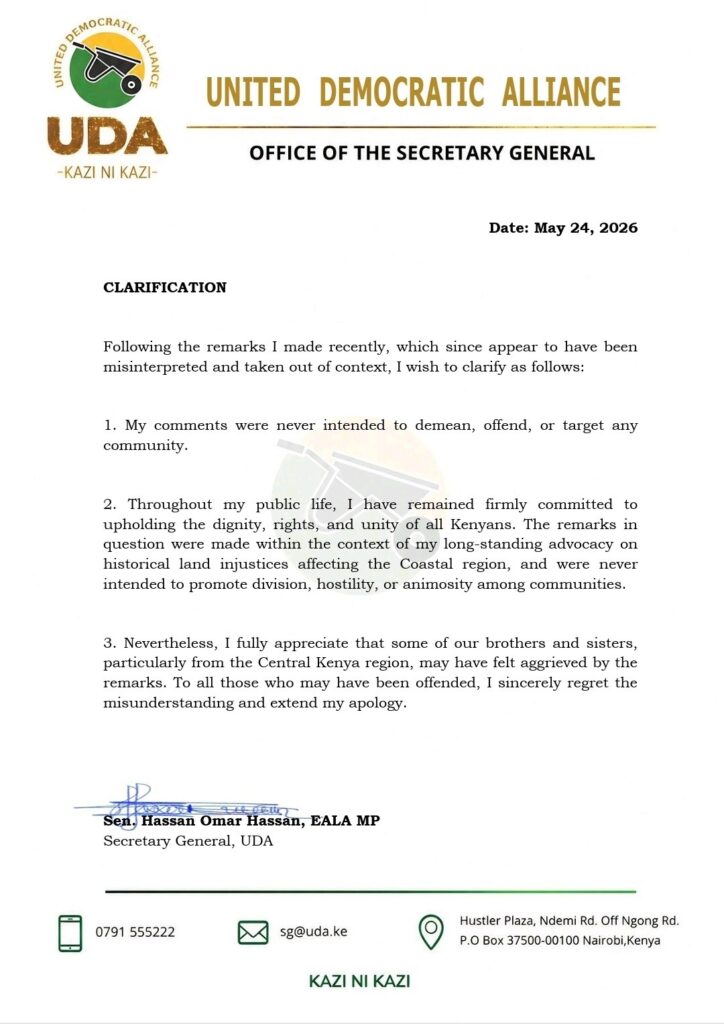
UDA Secretary General Hassan Omar has issued an apology and clarification over remarks he said were misinterpreted and taken out of context, insisting he did not intend to demean or target any community.

In a statement dated May 24, 2026, Omar said his comments were made within the context of his long-standing advocacy on historical land injustices affecting the Coast region, and were not meant to promote “division, hostility, or animosity” among communities.

“My comments were never intended to demean, offend, or target any community,” he said.

Omar said he appreciates that some Kenyans, particularly from Central Kenya, may have felt aggrieved by the remarks.

“To all those who may have been offended, I sincerely regret the misunderstanding and extend my apology,” he said.

The clarification comes after Omar faced backlash over comments made during the recent nationwide fuel strike protests, during which he accused sections of the transport sector of bias and warned that action would be taken against leaders he said were inciting unrest.

In earlier remarks, Omar said former Deputy President Rigathi Gachagua would face arrest if found culpable of incitement linked to the protests.

“This is no joke… If Riggy G breaks the law and the arms of the law point at him, we will arrest him,” Omar said.

Omar also defended the government’s approach to addressing what he described as cartels in the transport sector, saying the administration is pursuing projects such as commuter rail and bus rapid transit (BRT) systems to reduce reliance on cartels and improve public transport.

He further questioned why matatu operators withdrew services under the current administration yet did not stage similar action during fuel price challenges under former President Uhuru Kenyatta’s regime.

Omar urged Kenyans to use constitutional processes to express discontent, telling those opposed to President William Ruto’s administration to wait until the 2027 General Election.

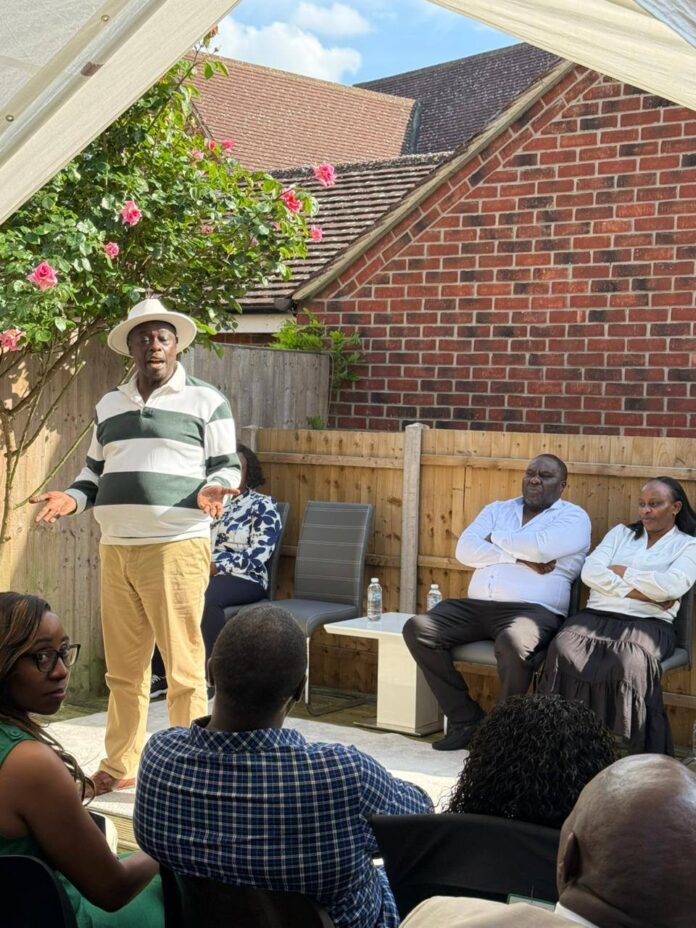
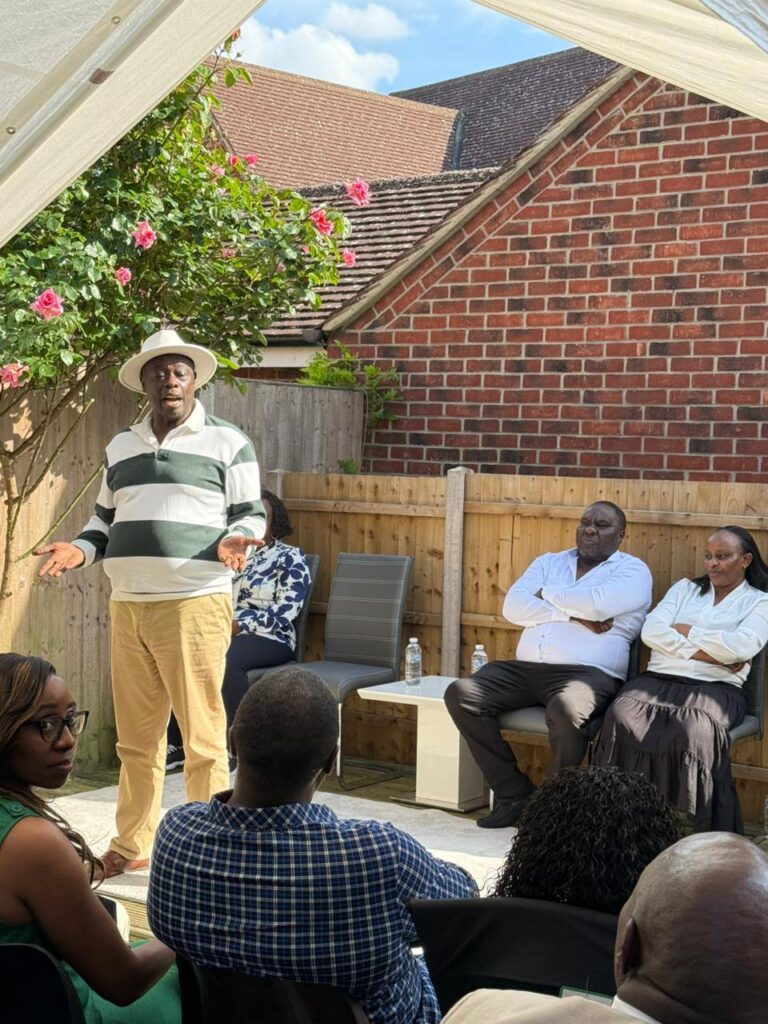
Former DP Rigathi Gachagua meets Kenyan community in Peterborough in UK diaspora tour

By Bonface Mulyungi

Former Deputy President Rigathi Gachagua has praised the Kenyan community in Peterborough, United Kingdom, for what he described as their unity, warmth and strong sense of togetherness during his ongoing diaspora tour.

In a statement shared after meeting members of the Kenyan community in the town, Gachagua said the reception he received from Kenyans living abroad reflected the values of harmony and cohesion that the country needs back home.

“Thank you to the Peterborough community for the warm hospitality and genuine spirit of togetherness shown throughout last evening and for hosting us,” Gachagua said.

The former deputy president noted that the interactions with Kenyans in the UK had strengthened his belief that unity among citizens remains key to building a better nation.

He said the spirit displayed by the diaspora community demonstrated that Kenyans can coexist peacefully despite political and social differences.

“Your spirit of togetherness as Kenyans brings back the spirit of the nation we deserve better at home; cohesive and friendly living in harmony and happiness,” he added.

Gachagua has been on a tour of the United Kingdom where he has been meeting Kenyans living abroad as he seeks to strengthen his political influence ahead of the 2027 General Election.

Gachagua earlier announced he is cutting short his high-profile tour of the United Kingdom amid mounting political and economic pressure back home, turning what had initially been planned as a month-long diaspora mobilisation campaign into a brief week-long visit.

Gachagua travelled to the UK earlier this month for a series of engagements with Kenyans living abroad as part of efforts to popularise his Democracy for Citizens Party (DCP) ahead of the 2027 General Election.

The tour included meetings with diaspora supporters in London and Swindon, where he sought support for his political movement and urged Kenyans abroad to participate in shaping the country’s future.

However, while speaking during interviews and public engagements in the UK, Gachagua said the worsening economic situation in Kenya, particularly the sharp rise in fuel prices and transport costs, had forced him to revise his travel plans and return home earlier than expected.

“I must come back because we cannot leave the country when the people of Kenya are in trouble,” Gachagua said while addressing journalists during the trip.

The former deputy president accused the Kenya Kwanza administration of failing to cushion Kenyans from the high cost of living and claimed many citizens expected him to continue speaking on their behalf.

He argued that the country was facing a crisis that required urgent political action and consultation with opposition leaders.

During the UK tour, Gachagua also launched DCP diaspora activities and rallied supporters behind his 2027 political ambitions.

In meetings with Kenyans abroad, he expressed confidence that the opposition would form the next government and promised what he described as accountable and humble leadership.

The trip has nevertheless generated political debate in Kenya, with some leaders questioning the objectives of the tour and reports emerging online about alleged attempts to seek meetings with senior British officials. The British High Commission in Nairobi later dismissed as fake a viral letter claiming that Gachagua had sought a meeting with UK Prime Minister Keir Starmer.

Gachagua’s UK visit is widely being viewed as part of broader efforts to strengthen his political base locally and within the diaspora as the 2027 succession politics begin to gather momentum.

Ebola toll tops 200, other African countries seen at risk

By Bonface Mulyungi

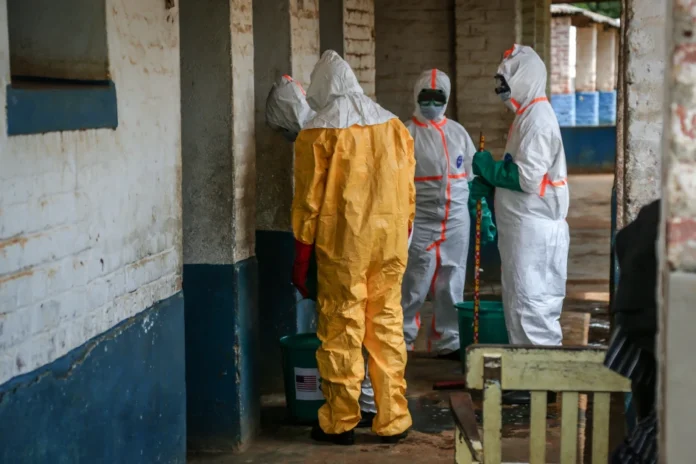
Officials in the Democratic Republic of Congo updated the death toll from the Ebola outbreak to 204 late Saturday, hours after the Red Cross said three volunteers had died there and Uganda confirmed three new Ebola cases.

A health ministry statement said 204 deaths had been recorded in three provinces of the vast central African country, from 867 suspected cases. The last World Health Organization toll on Friday put the number of deaths at 177 from 750 suspected cases.

The World Health Organization has declared the outbreak of the highly contagious haemorrhagic fever an international emergency.

On Saturday, the African Union’s health agency warned that more countries on the continent were at risk of being affected by the Ebola virus, in addition to the DRC and Uganda.

“We have 10 countries at risk,” said Jean Kaseya, head of the Africa Centres for Disease Control and Prevention (Africa CDC), listing Angola, Burundi, the Central African Republic, the Republic of Congo, Ethiopia, Kenya, Rwanda, South Sudan, Tanzania and Zambia.

Kaseya said “high mobility and insecurity” in the region were helping spread the disease.

The new cases confirmed in Uganda on Saturday bring to five the total confirmed in the east African country since it was detected there and in the DRC on May 15. One person in Uganda has died.

The health ministry named the new patients as a Ugandan driver, a Ugandan health worker and a woman from the DRC. All are alive.

Ebola is a deadly viral disease that spreads through direct contact with bodily fluids. It can cause severe bleeding and organ failure.

The current epidemic centres on the conflict-wracked eastern DRC, where it was detected in Ituri province, which borders Uganda, before spreading to South Kivu.

– First known victims –

The Red Cross said on Saturday that three Congolese volunteers had died in Ituri after apparently contracting Ebola there.

The three “were carrying out dead body management activities on March 27 as part of a humanitarian mission unrelated to Ebola”, said the International Federation of Red Cross and Red Crescent Societies (IFRC).

“At the time of the intervention, the community was not aware of the Ebola virus disease outbreak… They are among the first known victims.”

Ebola has killed more than 15,000 people in Africa in the past half-century.

On Friday, the WHO raised the risk from Ebola in the DRC to its highest level — “very high”.

It said the risk in central Africa was “high” but the global risk remained “low”.

The outbreak, which experts suspect was circulating under the radar for some time, is caused by the less common Bundibugyo strain, for which there are no approved vaccines or treatments.

On Thursday, Uganda suspended public transport to the DRC after confirming its first two cases — one infection and one death — involving Congolese nationals who crossed the border.

It said the driver confirmed infected on Saturday had been at the wheel of the vehicle in which one of the ill Congolese nationals had travelled to Uganda.

The health worker was exposed to the virus when treating that Congolese patient.

The third case was a Congolese woman who had visited Uganda and tested positive for Ebola after returning to the DRC.

– ‘Everyone’s problem’ –

The eastern DRC has been plagued for three decades by conflict involving numerous armed groups.

State services in rural areas of Ituri have been largely absent for decades.

South Kivu is controlled by the Rwandan-backed armed group M23, which has never had to manage an epidemic like Ebola.

“This is everyone’s problem,” Congolese Health Minister Samuel Roger Kamba told a news conference in Addis Ababa alongside Kaseya.

He said the Kinshasa government needed to have “total control” of the DRC territory to stop the virus spreading.

Create a free account, or log in.

Gain access to read this content, plus limited free content.

Yes! I would like to receive new content and updates.

Sponsored Ad

Ad 1
Ad 2
Ad 3
Ad 4
Ad 5
Ad 6