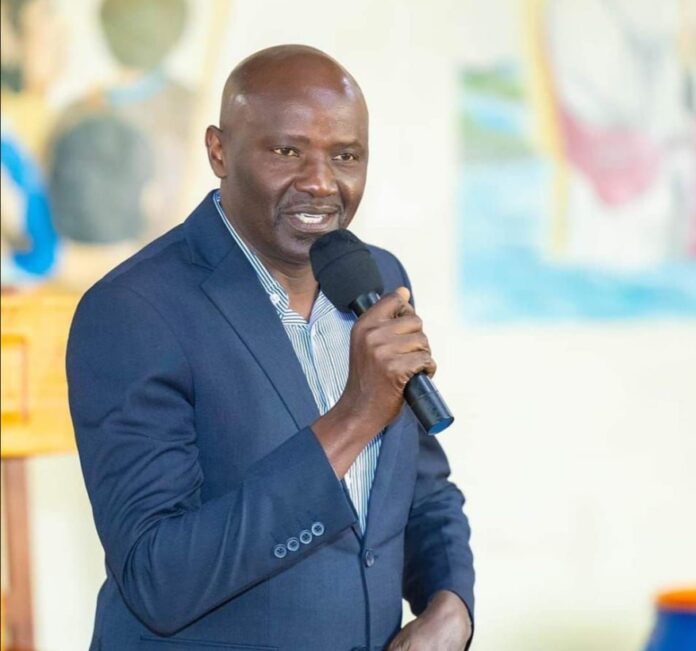
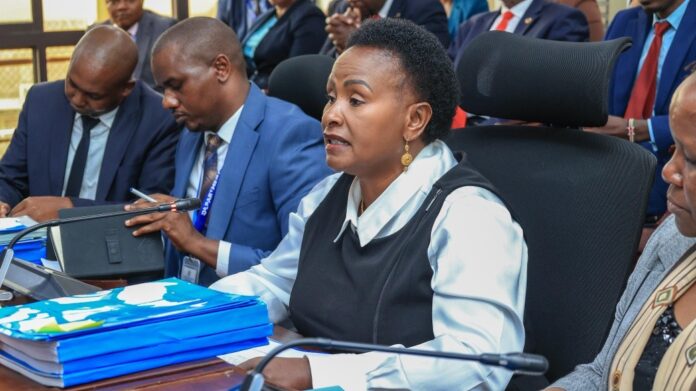
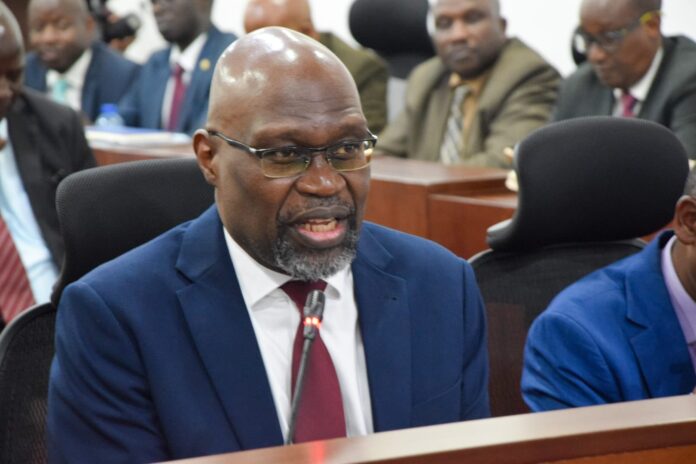
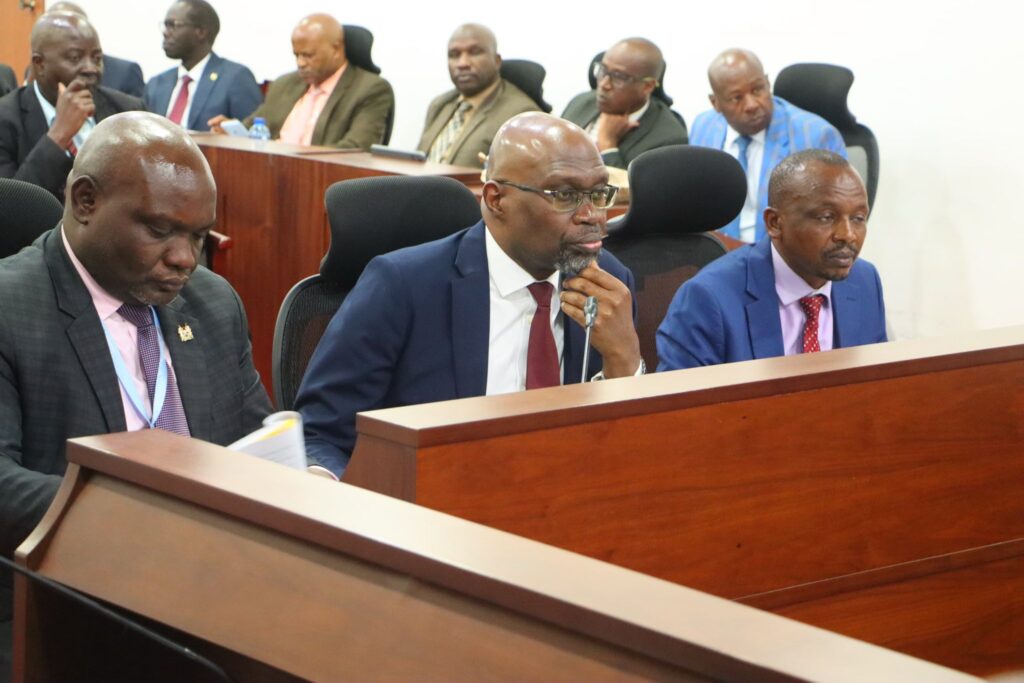
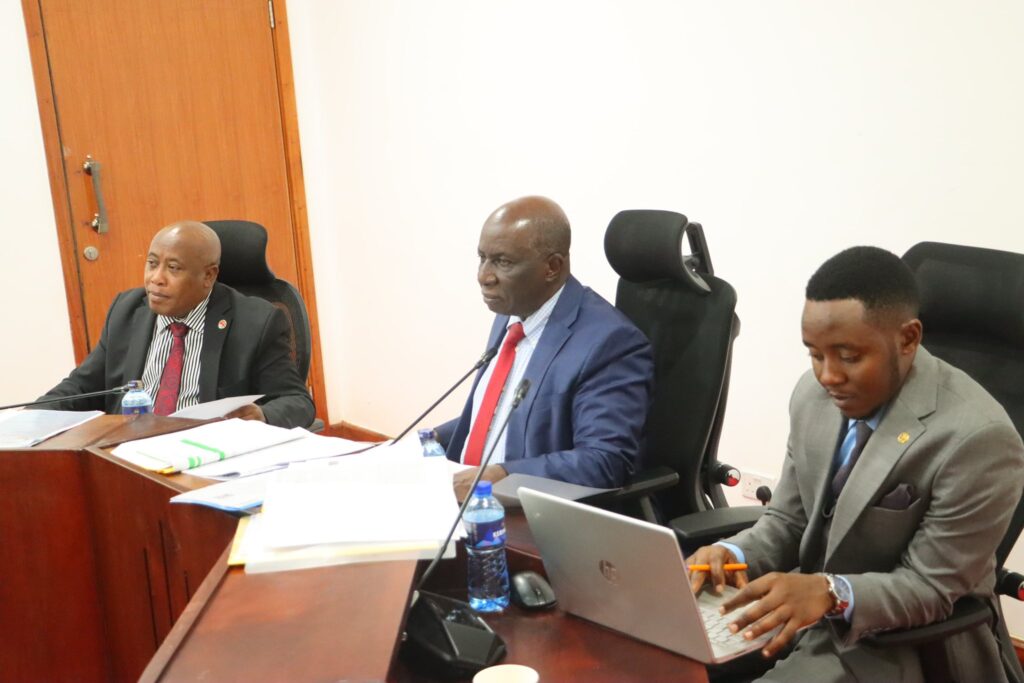
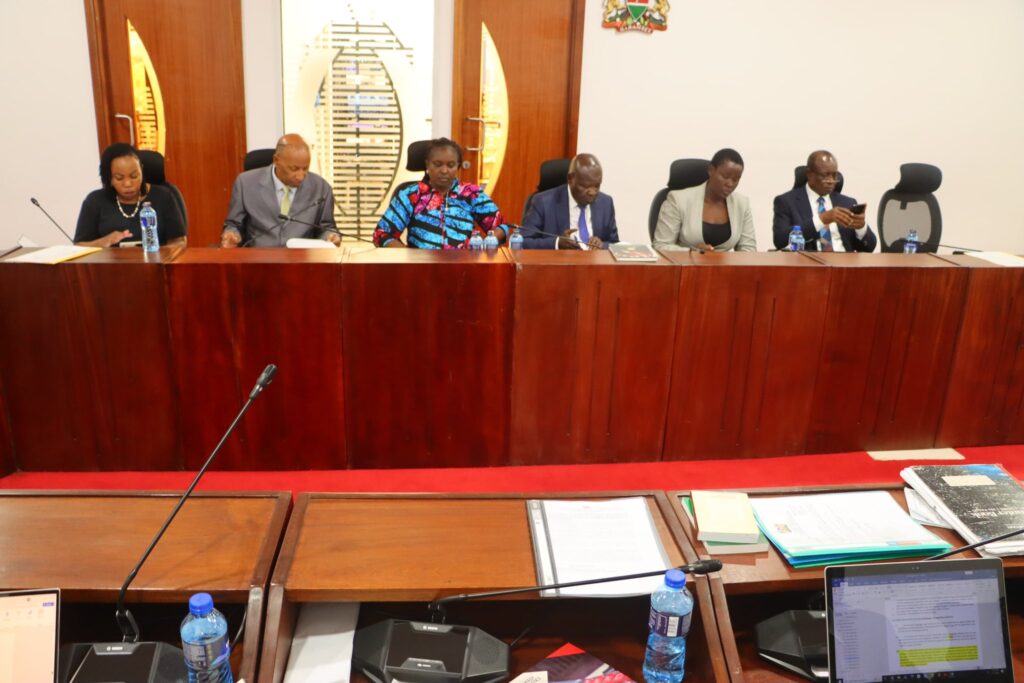
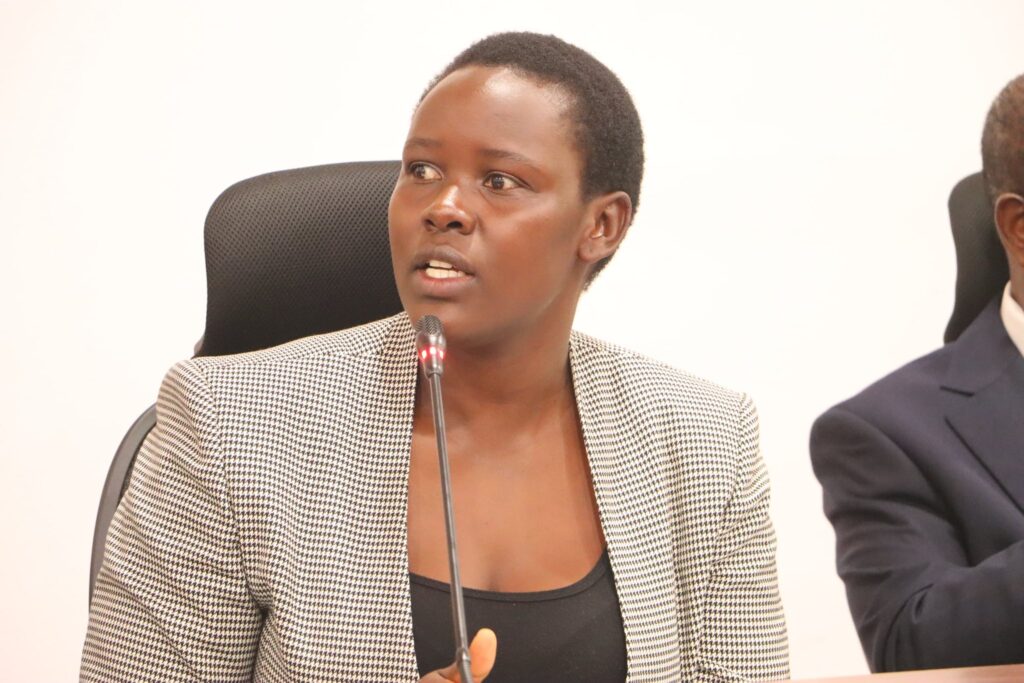
In a decisive move to protect his constituents’ interests, Murang’a Senator Joe Nyutu has petitioned the Senate to address the ongoing review of water service boundaries within Murang’a County.
The legislator raised critical questions about the restructuring involving the Murang’a South Water and Sanitation Company and the Murang’a Water and Sanitation Company.
He demanded that the Senator Mohamed Faki-led Committee clarify the basis upon which the County Government initiated these changes and whether any meaningful public participation had been conducted.
Senator Nyutu was particularly firm regarding the financial health of the affected water providers and the fate of key assets like the Maragua Dam.
He urged the Lands Committee to address the status of loans acquired by Murang’a South Water and Sanitation Company and the infrastructure developed therefrom, including the application of those loans and the status of the proposed transfer and control of key water infrastructure.
Beyond the administrative restructuring, Senator Nyutu’s primary focus remained on the economic burden that could be shifted onto the shoulders of the consumers.
He called for a detailed report on the impact of the proposed boundary changes on residents, specifically looking for assurances that they would not be hit with higher costs, insisting that the statement must detail any changes in connection fees, water tariffs, penalty charges, and other costs that residents may incur under the new service arrangements.
Concluding his request, Senator Nyutu underscored the need for fairness in the management of community resources.
He urged the Senate to ensure that measures are being taken to safeguard the economic and social interests of residents, including equitable management of water infrastructure developed within their localities and fair access to employment opportunities.
The Machakos County Government has issued a notice reminding traders and property owners to comply with permit renewal and payment obligations ahead of the March 31 deadline.
In a notice on Wednesday, March 18, Governor Wavinya Ndeti called on all business owners and property holders to renew their permits and settle outstanding dues within the required timelines.
“The County Government of Machakos calls upon all business owners and property holders to renew their permits and clear all county dues within the required timelines,” the notice read.
Traders were directed to renew their Single Business Permits and ensure that land rates and ground rent are fully paid before the end of March 2026 to avoid penalties.
At the same time, developers were reminded to secure all necessary approvals before beginning any construction projects, while tenants occupying county housing were urged to adhere to monthly rent payment deadlines.
“All traders are advised to renew their Single Business Permits and ensure payment of land rates and ground rent on or before 31st March 2026 to avoid penalties.
“Developers must obtain the necessary approvals prior to undertaking any construction, while tenants in county housing are reminded to pay rent by the 5th day of each month,” the notice added.
The county further encouraged the use of digital platforms and approved payment channels, including the Citizen Self-Service Portal and bank payments.
“All traders and property owners are encouraged to utilize the Citizen Self-Service Portal and other approved payment channels for efficient service delivery. Let us remain compliant as we work together towards the growth and development of Machakos County,” the notice concluded.
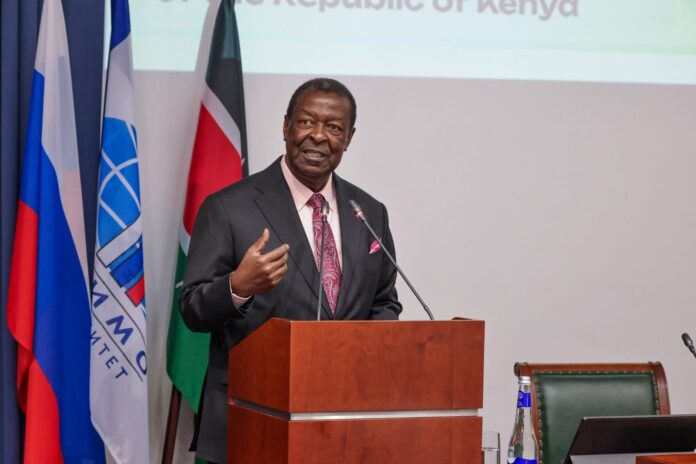
Foreign and Diaspora Affairs Cabinet Secretary Musalia Mudavadi has confirmed that about 252 Kenyans are actively engaged on the frontlines of the Russia-Ukraine war, contradicting an earlier National Intelligence Service (NIS) report that estimated the number could be as high as 1,000.
Speaking in an interview with Citizen TV on Tuesday, Mudavadi said that although the verified figure is lower, the situation remains sensitive as the government works to repatriate those already involved and prevent further enlistment.
“The records we have from the embassy in Russia indicate 252 Kenyans. That is the figure we can verify. There could be more because some individuals went through third-party countries, not directly from Nairobi to the conflict zone. But without verification, I can only quote what has been confirmed by the embassy,” he said.
He explained that some Kenyans are still on the frontline and cannot be reached directly, while others are in hospitals where the Kenyan mission has managed to contact them. Verification is also ongoing for those reported missing in action, currently estimated at around 11 individuals.
“Some are definitely on the frontline and cannot be communicated with directly. Some are in hospitals, and our mission has spoken to them. Forty-four have returned home. Some walked out of hospitals after treatment and were assisted to leave. Others decided to remain in the conflict. Unfortunately, we have lost some, and verification is ongoing for those recorded as missing in action, which could be around 11 people so far,” he said.
Mudavadi emphasised that efforts to identify affected Kenyans are already underway. He noted that the Kenyan mission in Russia, including the ambassador, has received numerous messages from families across the country, and a dedicated website has been set up for Kenyans to report their whereabouts.
“They have put out a website for Kenyans to indicate where they are. Some of these contacts came through that website. At the same time, some Kenyans on the front line have also sent signals to help us understand or clarify the numbers,” he said.
He added that tracking those involved has been challenging because many used multiple travel routes, often transiting through several countries before reaching Russia. While some were allegedly lured through fraudulent recruitment schemes, others knowingly enlisted.
“The Constitution allows freedom of movement. Kenyans are not restricted when they travel. Somebody can leave Nairobi, go to another country, and then to a third or fourth country. We cannot track that movement. There are two sides to this. Some were lured or went through fraudulent agencies, while others knowingly enlisted. There are lapses in law and processes that need to be addressed, including stricter immigration laws for those seeking employment abroad,” he said.
Mudavadi noted that some intelligence on recruitment networks and travel routes remains confidential, as security agencies continue efforts to identify and apprehend those responsible, in cases that may amount to human trafficking.
Despite many recruits signing contracts with foreign entities, he said the government’s priority is to stop further enlistment and address the broader legal and humanitarian implications.
“We emphasise that these Kenyans signed contracts, but we are focused on stopping further enlistment. We also need to highlight the challenge this situation presents. If it is a trafficking issue, what demands were made to the Russian government? Russia recruits through contracts, and some Kenyans may have been lured. Some Kenyans face possible charges or have written statements with Kenyan investigative agencies for their involvement. Kenya is a signatory to the UN and AU conventions prohibiting mercenary activity. What has been happening is illegal,” he said.
“Section 68 of the Penal Code is categorical: no Kenyan can enlist in a foreign army without explicit presidential approval. Does Russia agree? Russia views contracting as voluntary.”
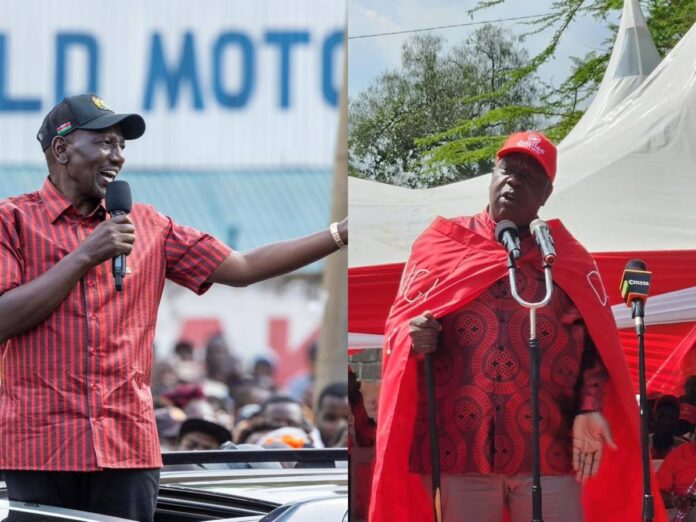
President William Ruto has fired back at Jubilee Deputy Party leader Fred Matiang’i after he said he does not eat food prepared by First Lady Rachel Ruto.
Speaking on Tuesday, March 17, while launching Jubilee Party offices in Narok, Matiang’i told President Ruto to mind his own health status.
The former Interior CS questioned why President Ruto was concerned about his diet, noting that he only eats bananas and ugali.
“I do not understand why you are concerned about what or how much I eat because I don’t ask for food from your wife or your people. All I eat is bananas from my home in Kisii and ugali.
“If that is what bothers you so much, how come I have never come to ask you why you have lost so much weight?” Matiang’i posed.
File image of President William Ruto.
In response on Wednesday, March 18, President Ruto said that eating bananas is not wrong but advised Matiang’i to reduce the portions he consumes.
“I heard them answering me arrogantly yesterday, saying, ‘We don’t eat at your place; we eat bananas.’ My friends, there is nothing wrong with eating bananas. I also eat them, but reduce the portions.
“I never said you eat at my house, but if you were eating at my place, I would have reduced your portions just as I am reducing my own food intake,” said Ruto.
The exchange between Ruto and the united opposition leaders was ignited by former Deputy President Rigathi Gachagua, who trolled the President over his sudden weight loss.
Speaking on Monday, March 16, Gachagua claimed that his former boss has lost weight because the opposition was giving him sleepless nights.
“The good thing is that even with all that money, he does not sleep. You can even see how much weight he has lost. He has billions but cannot get rest,” Gachagua ridiculed.
President Ruto hit back at the united opposition on Tuesday, advising them to go to the gym to stay fit.
“I want to ask these people to go to the gym. Stop eating too much, your stomach will burst. You even fall asleep during meetings,” said Ruto.
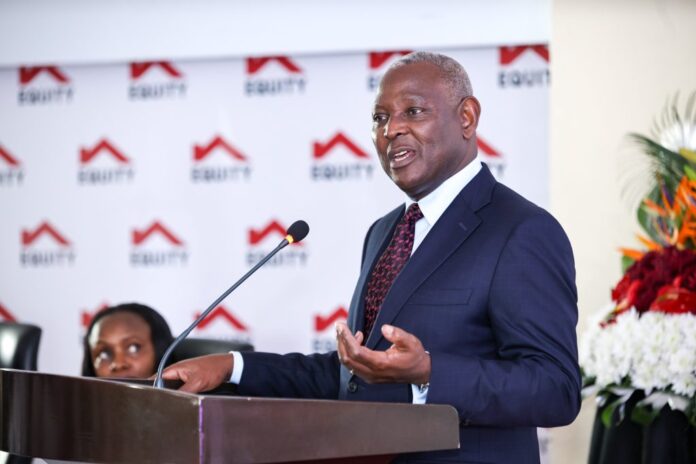
Equity Group Holdings PLC has announced a historic profit after tax of Ksh75.5 billion in the 2025 Financial Year, making it the most profitable company in the region.
The group’s profit after tax grew by 55 percent, up from Ksh48.8 billion posted in the 2024 financial year.
Equity Group Managing Director and CEO James Mwangi attributed the strong performance to the group’s strategic transformation, driven by diversified revenue streams, improved efficiency, and growing contributions from regional subsidiaries.
“The 2025 performance reflects the success of our deliberate transformation into a diversified, regional financial services group. We delivered strong profit growth by expanding and deepening our income streams, improving efficiency across the franchise, and strengthening the quality of our balance sheet,” said Mwangi.
He added, “Importantly, our regional subsidiaries now contribute about half of our banking profitability, demonstrating the value of our pan-African footprint and the resilience that comes from diversification.”
File image of an Equity Bank branch.
Equity’s balance sheet expanded by 9% to KSh1.97 trillion, with customer deposits rising 4% to KSh1.46 trillion and net loans increasing by 8% to KSh882.5 billion.
The group closed the year with 22.4 million customer accounts, supported by a strong regional distribution and digital ecosystem.
The strong revenue performance saw the net interest income grow by 17% to Ksh126.9 billion, non‑funded income rise by 7% to Ksh90.8 billion, and total income increase by 12% to Ksh217.7 billion.
Meanwhile, the operational efficiency improved significantly, with the cost‑to‑income ratio falling to 51.0% from 58.2%, driven by continued migration to self‑service channels, productivity gains, and tighter cost discipline supported by Group-wide shared services and digital infrastructure.
The group noted that over 98% of customer transactions were conducted outside branches, with 88.4% processed through digital channels, reflecting continued demand for digital services with increased investment in customer‑centric digital infrastructure.
Loan loss provisions declined 28%, while NPL coverage strengthened to 67.7%, supported by a reduced cost of risk of 1.7%.
On the back of this performance, Equity Bank Directors have recommended a dividend of Ksh5.75 per share, up from Ksh4.25 amounting to a payout of Ksh21.7 billion representing a 35.3% growth in dividends.
Equity Bank Kenya reported a 63% rise in profit after tax to KSh39.2 billion, up from ksh24.1 it recorded in the 2024 financial year.
Shareholders’ funds grew 11% to KSh136.2 billion, while returns on assets and equity strengthened to 3.9% from 2.4% and 26.8% from 20.2%, respectively.
Regional operations accounted for about half of Group profitability in the 2025 financial year, underscoring Equity’s emergence as a pan-African financial services group.
In the DRC, profit after tax rose 58% to KSh24.7 billion, supported by 17% loan growth. Uganda’s profit after tax jumped 500% to Ksh3.6 billion, while Rwanda posted profit after tax of KSh5.4 billion, with total assets up 5% and the loan book expanding 22%.
Tanzania’s profit after tax grew by 125% to KSh2.7 billion, alongside a 75% increase in shareholders’ funds.
Overall, subsidiaries contributed 51% of banking profit before tax and 48% of banking profit after tax.
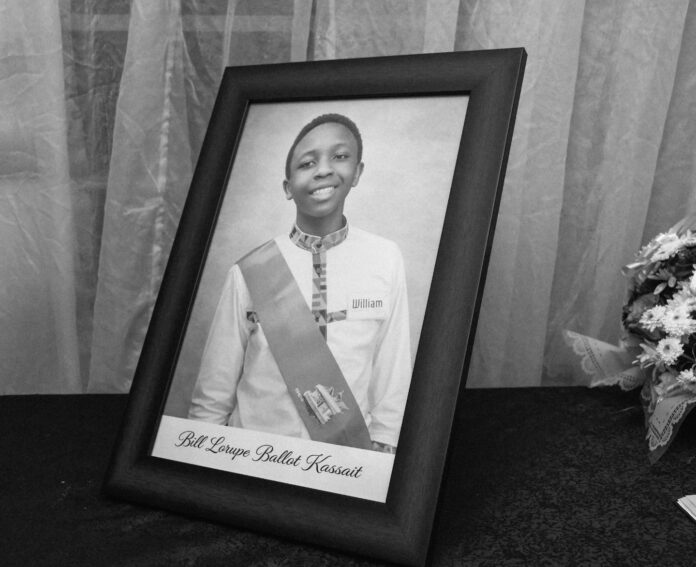
Tiaty MP William Kamket and his wife, Immaculate Kassait, Kenya’s Data Commissioner, are mourning the death of their last-born son, who passed away at a Nairobi hospital on Tuesday morning.
The 13-year-old, William (Junior) Ballot Kassait, had been battling asthma, according to family sources.
He fell ill over the weekend after developing breathing difficulties and was placed on medication, but tragically passed away around 8 a.m.
Asthma is a chronic inflammatory lung disease that narrows airways and causes coughing, wheezing, and breathing difficulties.
It can be triggered by allergens, infections, and pollutants, and while often incurable, it is managed through medication such as inhalers to control inflammation.
The deceased was named “Ballot” because he was born while his mother, Immaculate Kassait, was serving at the Independent Electoral and Boundaries Commission (IEBC), overseeing voter registration and electoral operations during the 2013 General Elections.
President William Ruto expressed his condolences on Wednesday, saying: “We extend our sincere condolences to Hon. William Kamket and his family following the loss of their beloved son, Bill Ballot Kassait Jnr. It is deeply painful to lose a young life filled with promise and potential. We stand with you and support you during this difficult time. Rest in Peace, Bill.”
On Tuesday, Nandi Hills MP Benard Kitur, who chairs the Justice and Legal Affairs Committee where Kamket serves as vice chair, broke the sad news to the committee: “Good evening, colleagues. Our Vice Chair Hon William Kassait Kamket and Immaculate Kassait lost their beloved last-born son this morning after a very short illness. We condole with our Vice Chair and family! Pole sana.”
The United Democratic Alliance (UDA) party also paid tribute. UDA digital strategist Antonellah Kakuko wrote: “Go well, Bill Junior Ballot. Your light will forever remain in our hearts. May the Almighty grant Hon. William Kamket and his wife, Immaculate Kassait, the strength, comfort, and peace to endure this painful loss. May they find grace to mourn their beloved son and courage to carry on in his memory.”
Kamket is serving his second term as Tiaty MP, having first been elected on a KANU ticket in 2017 and previously served as the inaugural speaker of Baringo County Assembly in 2013.
Immaculate Kassait, an advocate, became Kenya’s first Data Commissioner five years ago after her tenure at IEBC.
Family, friends, and fellow MPs have been visiting the couple at their Langata home since Tuesday to offer condolences.
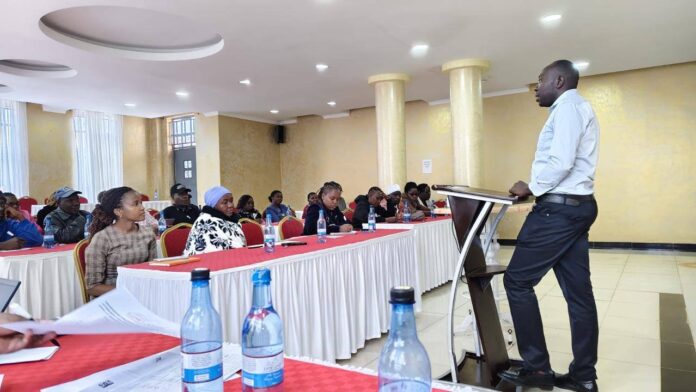
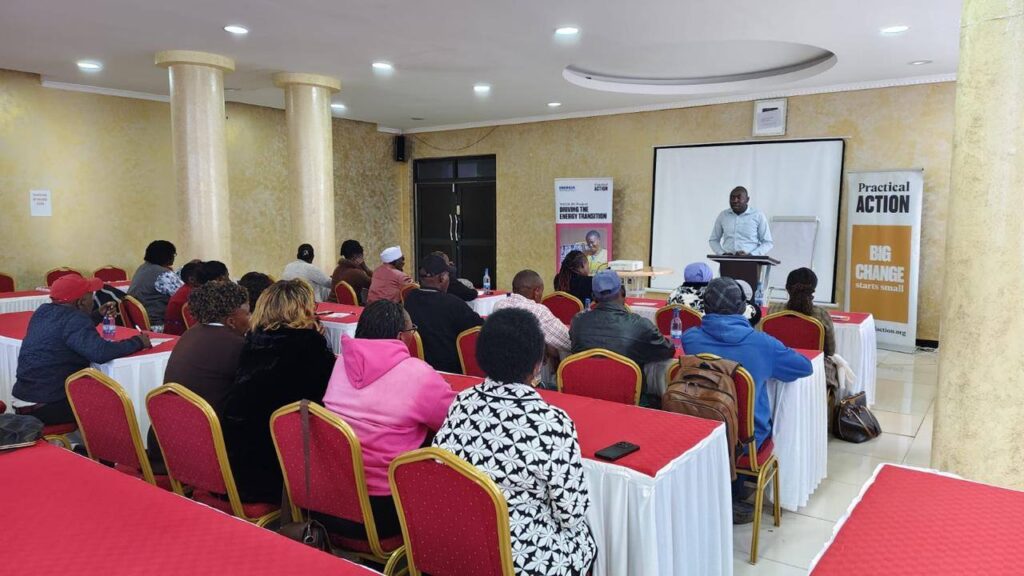
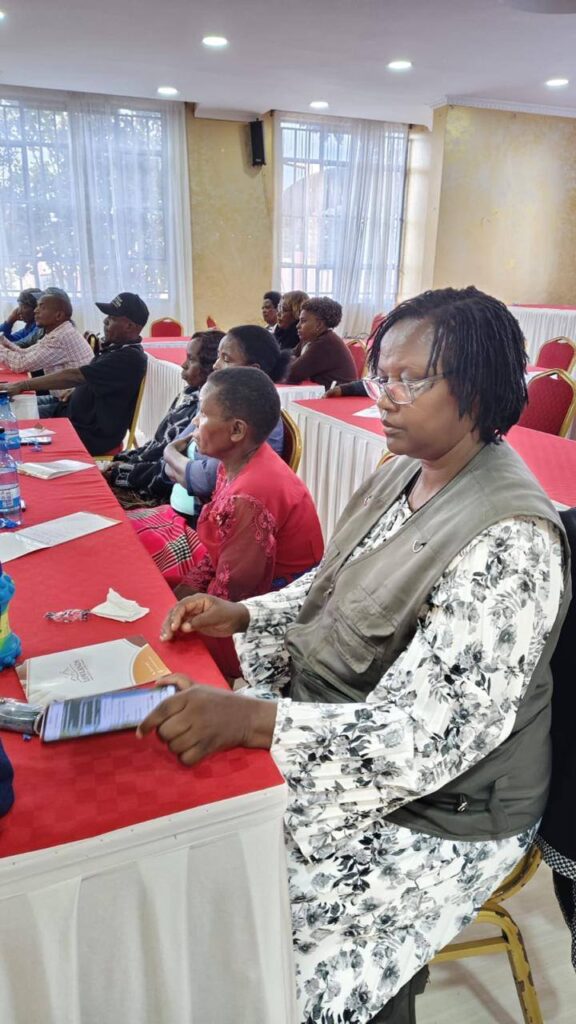
The MSEA Embu Office was invited by Practical Action to facilitate governance and conflict management training for three groups: Embu Clean Energy Association (Embu County), Wendo Group (Meru County), and Thamachu Association (Tharaka Nithi County).
These associations are actively engaged in clean energy initiatives, including the production of briquettes and improved cookstoves (jiko kisasa). They are also exploring opportunities to diversify into other clean energy enterprises such as solar energy and biogas.
The training aimed to equip the leaders of the three associations with knowledge and skills in governance and conflict management.
It focused on helping them understand the principles of good leadership, their roles and responsibilities as leaders, and effective ways of managing conflicts within their associations.
The sessions were highly informative and interactive, fostering active participation among the attendees. Also in attendance was Madam Winnie Mukiri, the Chief Officer for Gender, Children, and Social Services in Tharaka Nithi County.
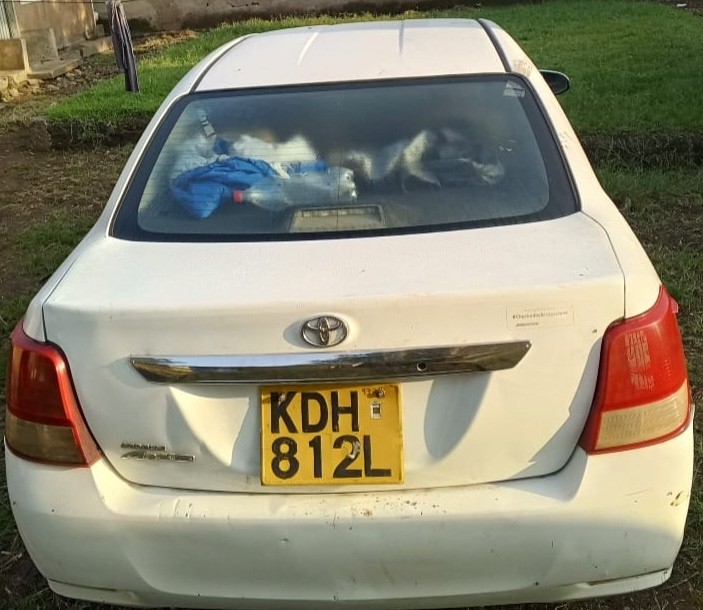
Detectives in Kisumu County augmented by experts drawn from Crime Research and Intelligence Bureau (CRIB) and their Operations Directorate counterparts drawn from the DCI headquarters have arrested a suspected serial robbery suspect and recovered a G3 rifle linked to multiple robberies across Kisumu and Kakamega counties. His arrest has also resulted in the recovery of a motor vehicle believed to have been used as a getaway car along with several stolen items.
The suspect whose identity is concealed pending an identification parade is believed to have operated with several accomplices and is currently in custody and being processed for arraignment. Efforts are ongoing to apprehend the remaining members of the gang and recover another missing firearm.
Investigations indicate that the recovered rifle is one of the weapons stolen during a February 27, 2026 raid on Nyalenda Police Patrol Base where several officers and a civilian were injured and two loaded G3 rifles stolen.
The suspect is linked to a robbery that occurred on March 17, 2026 at around 9:48 p.m. in Arena Phase 4 Estate in Kisumu Central Sub-County. Armed with the recovered firearm a panga and other crude weapons the gang reportedly raided a business premises and stole a television woofer computers phones and other valuable items before fleeing in a waiting vehicle.
In a separate incident on March 9, 2026 the suspect and two accomplices carried out a robbery at Duka Moja Shopping Centre in Kakamega South Sub-County. Riding on a motorcycle and armed with a firearm and crude weapons the trio stormed a business premises stealing cash a laptop and several mobile phones before escaping.
Detectives further link the group to another robbery in Kajulu Kisumu East Sub-County where they reportedly used the same rifle. In that incident the suspects fired a shot at a shop door to gain entry before stealing money phones and other valuables and fleeing on a motorcycle with a concealed number plate.
The gang members are suspected to have been involved in a series of other violent crimes in February 2026 including the attack on the Nyalenda Police Patrol Base.
The Directorate of Criminal Investigations reaffirms its commitment to pursuing criminal networks and ensuring public safety and urges anyone with information that may assist in the ongoing investigations to come forward.
Members of the National Assembly of Kenya have raised serious concerns over reduced funding for tuberculosis programmes, warning that the country risks reversing hard-won gains in the fight against the disease.
The concerns emerged during a sitting of the National Assembly Departmental Committee on Health at Bunge Tower, Parliament Buildings, as lawmakers scrutinised the Supplementary Estimates I for the 2025/2026 financial year.
Officials from the National Tuberculosis, Leprosy and Lung Disease Program told the committee that a funding cut from $10 million (Sh1.3 billion) to approximately $7.7 million (about Sh1 billion) over two years would significantly undermine key interventions.
The reduction translates to a shortfall of roughly Sh200 million annually.
Dr. Immaculate Kathure, the head of The National Tuberculosis, Leprosy and Lung Disease Program (NTLD-P) warned that the funding gap would slow down critical programme activities, including the rollout of new treatment and diagnostic strategies.
“We have made significant progress, including reducing treatment duration for drug-resistant TB from 18 months to six months, and for children from six months to four months,” she said. “We are also introducing preventive therapies that shorten treatment periods further. However, these gains are at risk if funding is not restored.”
Dr. Kathure noted that the cuts would affect the development of policies and guidelines necessary to guide healthcare workers in implementing the new treatment models. Training of frontline health personnel, she added, would also be compromised.
The programme is currently scaling up modern diagnostic technologies, including digital X-rays and near point-of-care testing that utilises both sputum and oral swabs. These innovations are expected to enhance early detection and expand access to services at primary healthcare and community levels.
However, Dr Kathure cautioned that deploying these technologies requires substantial investment in capacity building for both healthcare workers and community health promoters.
“Advocacy, communication and awareness creation will also be affected. TB disproportionately affects men, and we must invest in targeted messaging to reduce stigma and improve access to care,” she told the committee.
Seme MP Hon (Dr.) James Nyikal, who chairs the National Assembly Departmental Committee on Health acknowledged the concerns, noting that the funding shortfall could disrupt essential public health programmes.
Nandi Woman Representative Hon. Cynthia Muge pressed for answers over reports that staff working under TB programmes had gone without pay for up to 21 months and lacked health insurance cover.
“There is a serious outcry from workers who are central to this programme. Without them, implementation will stall. We need clarity on their status and the challenges they are facing,” she said.
Her concerns highlighted broader systemic challenges facing the programme, including human resource constraints that could further weaken service delivery.
Chuka Igambang’ombe MP Hon. Patrick Munene warned that continued reductions in funding for TB, malaria and HIV programmes could erode years of progress.
“Every time we reduce funding for these diseases, we risk losing the gains we have made. Eventually, even the investments already made will go to waste,” he said.
Mr. Munene criticised what he termed as disproportionate allocation of resources towards infrastructure at the expense of disease control programmes.
“We are over-concentrating on construction while systems are breaking down. We have buildings, but the disease burden remains high. Public health funding must be prioritised,” he added.
Nyeri Town MP Hon. Duncan Mathenge, a member of the parliamentary TB caucus, called for increased domestic resource mobilisation to bridge funding gaps and accelerate efforts towards eliminating TB.
He also raised concerns over the lack of nutritional support for TB patients, noting that poor nutrition contributes to treatment failure and the rise of drug-resistant TB.
“Many patients cannot adhere to medication because they lack adequate nutrition. This is a key factor driving multi-drug resistance and must be addressed as part of the programme,” he said.
The committee signalled its support for the restoration of funding, with members emphasising that sustained investment is critical to safeguarding public health and achieving long-term disease control targets.
President Trump said Newsom, a potential Democratic White House contender, was “dumb”. He also made fun last week of the California governor’s difficulty with reading and spelling, prompting Newsom to call him “a brain-dead moron”.
The National Center for Learning Disabilities told the BBC it was “disturbed by and strongly condemns” the Republican president’s remarks.
Dyslexia, a learning condition that disrupts how the brain processes written language, affects as many as one in five Americans.
“With a low IQ person, you know, because Gavin Newscum has admitted that he is a, that he has learning disabilities,” Trump told reporters in the Oval Office on Monday. “Newscum” is Trump’s nickname for the governor.
“Honestly, I’m all for people with learning disabilities, but not for my president. I don’t want, I think a president should not have learning disabilities, OK? And I know it’s highly controversial to say such a horrible thing.”
He added: “The President of the United States, Gavin Newscum, admitted that he has learning disabilities, dyslexia. Everything about him is dumb.”
Newsom made fun of Trump for appearing to accidentally refer to the governor as president. “NO THANK YOU, WE BELIEVE IN FREE ELECTIONS!” he posted on X.
During an on-stage conversation last month with the mayor of Atlanta, Georgia, Newsom discussed his dyslexia.
“I’m like you,” the governor told the audience as he cited his poor exam results and difficulty reading.
His remarks to a predominantly black audience sparked a chorus of conservative claims that he was talking down to African-American voters.
Trump also accused Newsom of racism and posted on Truth Social that he “can’t read, has dyslexia, and has a mental disorder – A Cognitive Mess!”
Newsom shot back at Trump on social media, saying: “I spoke about my dyslexia.
“I know that’s hard for a brain-dead moron who bombs children and protects pedophiles to understand.”
Newsom is a potential Democratic White House contender
The National Center for Learning Disabilities criticised Trump’s comments on Monday.
The centre’s chief executive, Jackie Rodriguez, told the media that dyslexia does not impair a person’s intelligence, judgement or ability to lead.
“In fact,” she said, “people with learning disabilities have risen to the upper echelon of every public office in the United States, including former presidents.”
About 15% of the US population is affected by dyslexia, according to the US Department of Health and Human Services. Some estimate the figure may be as high as 20%.