Sponsored Ad

Ad 1
Ad 2
Ad 3
Ad 4
Ad 5
Ad 6
24 C
Kenya
Saturday, May 9, 2026
Home Blog Page 275

KRA Responds to Privacy Concerns Following Roll Out of Body-Worn Cameras

The Kenya Revenue Authority (KRA) has addressed concerns over privacy following the rollout of body-worn cameras for its officers.

In a brief statement on Tuesday, March 10, the agency explained that the recordings captured by the devices are handled in compliance with the data protection laws.

“The recordings are processed in accordance with the principles of lawful processing under the Data Protection Act, 2019 (Kenya),” the statement read.

KRA said the cameras helps create verifiable records of interactions, which can be used in case of disputes, investigations, or accountability reviews.

“KRA body-worn cameras are used within this framework to support transparency, accountability, and proper documentation of official border interactions,” the statement added.

Notably, in a statement on Monday, March 9, the authority described the introduction of the cameras as a commitment to ensuring that every traveler receives a fair and consistent experience when interacting with customs officials.

KRA noted that customs operations involve some of the most frequent interactions between government officers and the public, including travelers, importers, and traders.

“For too long, ‘it’s your word against mine’ has been an uncomfortable reality at border points. Disputes dragged on. Trust eroded. And the officers doing their jobs right had no way to prove it,” the authority said.

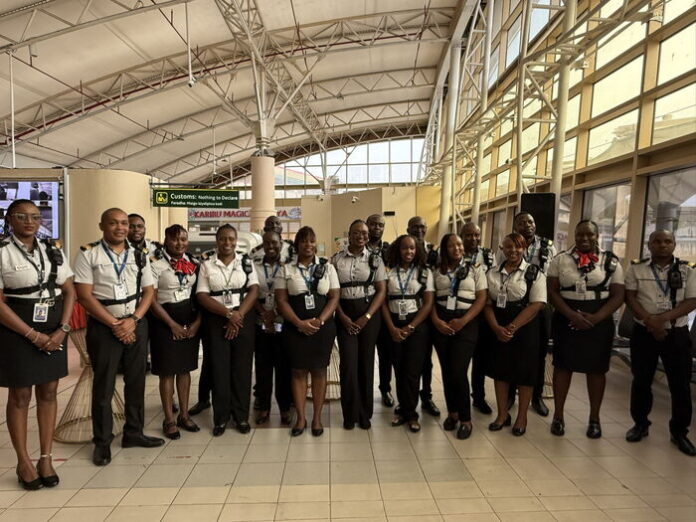
File image of KRA staff wearing body-worn cameras

According to KRA, the body-worn cameras will help eliminate such disputes by creating a verifiable record of every interaction between officers and members of the public.

The authority said the cameras will enhance transparency by providing objective documentation of engagements at customs checkpoints, reducing uncertainty and resolving disagreements based on factual evidence.

KRA added that the initiative will also act as a deterrent against corruption, noting that recorded interactions are expected to raise professional standards among officers and reinforce ethical conduct during inspections and enforcement actions.

The cameras are also expected to improve the experience for passengers and traders by promoting structured, consistent, and fair engagements.

In addition, KRA said the technology will speed up investigations into complaints; disputes that previously took weeks to examine could now be resolved within hours by reviewing recorded footage.

Furthermore, the authority noted that the recorded material will serve as a learning tool to improve operations. 

By reviewing footage, KRA said it will be able to identify gaps in procedures, enhance training programs, and refine service delivery across customs operations.

“This is KRA saying to every traveler, every importer, every Kenyan stakeholder: We are committed to fairness. We are committed to integrity. And we are willing to be held accountable for it,” the authority added.

Missing Kenyan student found dead in UK after weeks of search

A Kenyan student who had been reported missing in the United Kingdom has been found dead weeks after her disappearance.

In a statement on Tuesday, March 10, Thames Valley Police said Edna Ombakho’s body was discovered in water in Wraysbury following joint search efforts carried out with emergency response teams. 

The police explained that search teams had been working together in an effort to locate the missing woman.

“Following joint searches, a body was found in water in Wraysbury on Sunday. Berkshire, Buckinghamshire, and Surrey Lowland Search & Rescue helped us in our searches, and we thank them for their hard work,” the statement read.

The police stated that although the body has not yet been formally identified, investigators believe it to be that of the missing Kenyan student.

Police clarified that Edna had initially been reported missing at the beginning of February.

“Formal identification of the woman has not yet taken place, but it is believed to be missing woman Edna, aged 31, from Wraysbury, who was reported missing on 1 February 2026,” the statement added.

The police also confirmed that Edna’s family has been informed about the discovery as the investigation continues. 

Officials indicated that a report will be submitted to the coroner as part of the formal process following the death.

“Edna’s next of kin have been informed. A file is being prepared for the coroner. Our thoughts remain with Edna’s family at this difficult time,” the statement concluded.

Busia Moves Closer To Realizing Modern Stadium As CRBC Conducts Technical Survey

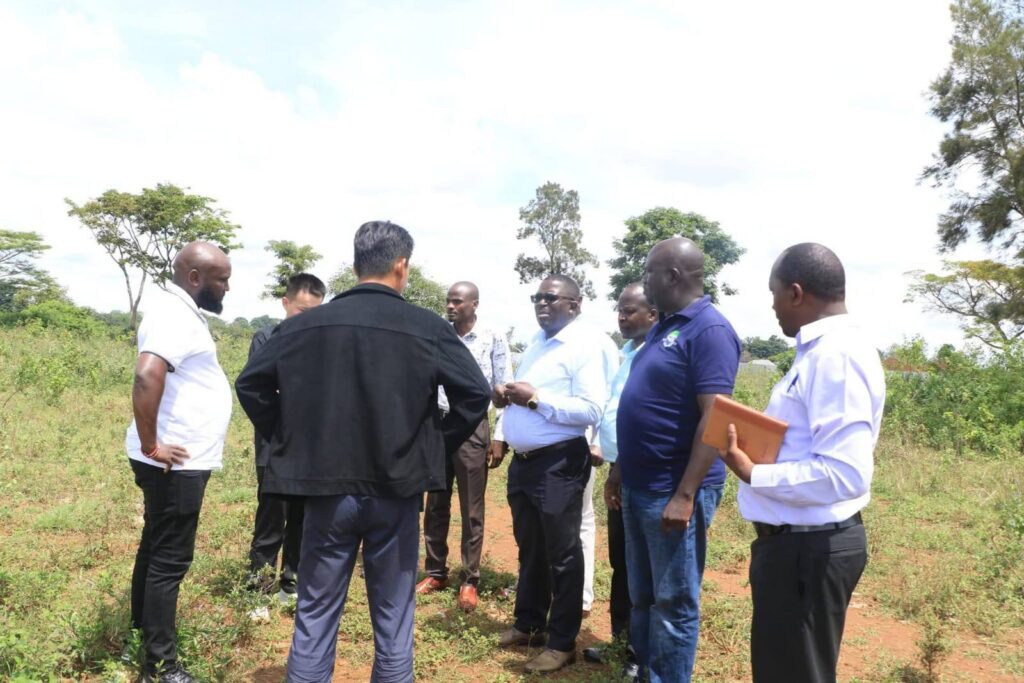
Busia County has taken another important step towards the realization of a modern stadium after hosting a technical team from China Road and Bridge Corporation (CRBC), who visited the county under the direction of the Kenya’s Ministry of Defence.

The visit follows a consultative meeting held last week at the Ministry’s offices to deliberate on matters relating to the proposed construction of the Busia Stadium, a project expected to greatly boost sports development and provide a modern facility for athletes and youth across the county.

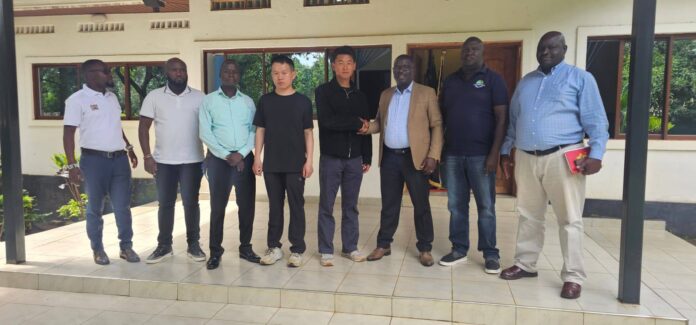
During the visit, the CRBC team carried out a topographic survey at the Agricultural Training Centre (ATC), located behind the Affordable Housing Project in Busia, where the proposed stadium is expected to be constructed. The exercise is part of preliminary technical assessments aimed at informing the planning and design of the stadium.

The survey marks a key step in the early stages of the construction of the Busia Stadium project, which is anticipated to enhance sports development, nurture local talent and provide a suitable venue for sporting and community events in the county.

The visiting team was received at the Governor’s lounge by County Secretary, CS Oscar Juma, who welcomed the delegation and reaffirmed the county government’s commitment to supporting initiatives that promote development and opportunities for the people of Busia.

The proposed stadium is expected to become a key facility in promoting sports, empowering youth, and positioning Busia as a hub for sporting activities in the region.

Also present were team from CRBC; ZHAO YAN SONG ZENG JIAN PING, County Executive Committee Member for Sports, Culture and Gender, Olunga Ekwenye; Chief Officer for Sports and Culture, Saviour Panyako; Chief Officer for Lands, Phaustine Ounoi; the County Lands Surveyor; and Directors from the Survey and Public Works departments, who accompanied the team during the exercise.

By Anthony Solly

Controller of Budget Flags Ksh44.52 Million Spent by Deputy President’s Spouse Office Without Budget Allocation

By Andrew Kariuki

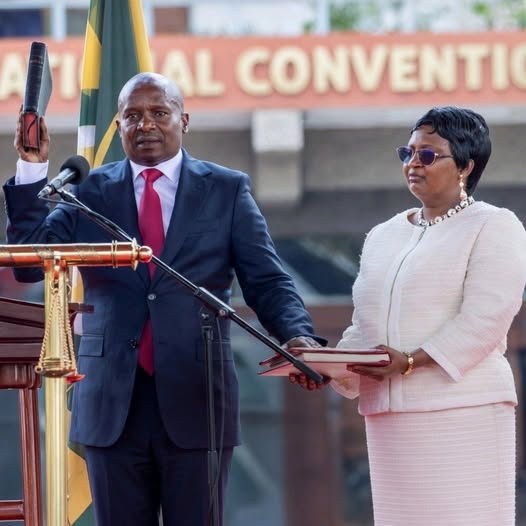
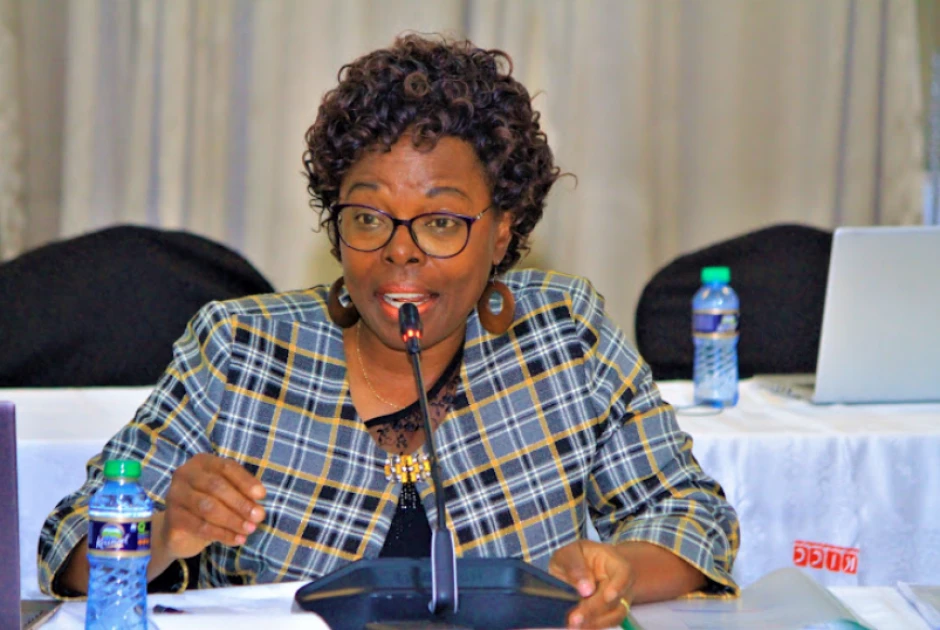
The Controller of Budget (CoB), Margaret Nyakang’o, has raised concerns over Ksh44.52 million spent by the Office of the Spouse of the Deputy President, Dr. Joyce Njagi, during the first half of the 2025/26 financial year, despite the office having no budget allocation from the National Assembly.

According to the latest Controller of Budget report, the expenditure occurred between July and December 2025, even though Parliament had not approved any funding for the office in the national budget.

The report indicates that the spending was likely facilitated through the Office of the Deputy President, which had been allocated Ksh3.07 billion during the financial year.

However, the CoB further noted that the Deputy President’s office itself overspent its recurrent expenditure budget by Ksh219.3 million, raising additional concerns about adherence to constitutional public finance management rules.

Under Article 223 and other public finance provisions of the Constitution, government spending must be authorized through parliamentary approval and budgetary allocation before funds are utilized.

Nyakang’o flagged the expenditure as irregular, noting that the Office of the Spouse of the Deputy President is not recognized as a budgeted entity under the national budget, meaning it cannot legally incur expenditure without funds being appropriated by Parliament.

The revelation has drawn criticism from sections of the public and governance analysts, especially at a time when President William Ruto’s administration has been pushing austerity measures aimed at reducing government expenditure by up to Ksh300 billion.

Critics argue that spending by offices without approved budgets undermines fiscal discipline and accountability in public finance management.

The Controller of Budget’s office is constitutionally mandated to oversee the implementation of national and county government budgets, ensuring that public funds are used lawfully and in accordance with approved appropriations.

The report is expected to trigger further scrutiny from Parliament and oversight bodies regarding the source of the funds and the legality of the expenditure incurred by the office of the Deputy President’s spouse.

Governor Achani Officially Receives Completed Diani Modern Market

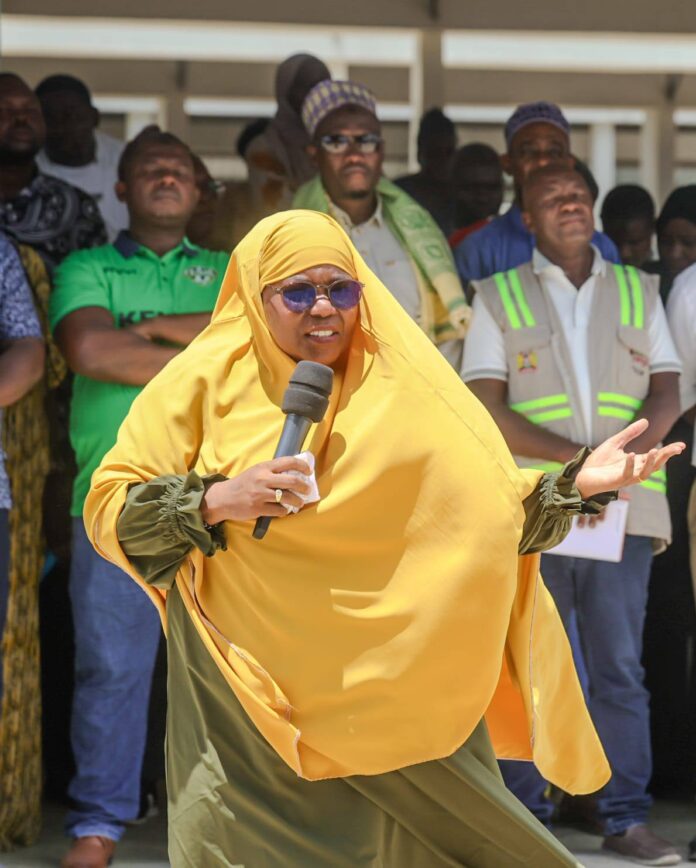
Kwale County Governor Fatuma Achani has officially received the Diani Modern Market from the contractor after the completion of its construction in Diani, Msambweni Sub-County.

The modern market project was implemented through a partnership between the Kwale County Government and the National Government as part of broader efforts to upgrade market infrastructure and boost small-scale businesses.

The market is expected to accommodate more than 1,000 traders in a clean, secure, and well-organized setting.

The newly constructed Diani Modern Market features a range of facilities designed to support different business activities. These include 216 smart stalls for retail trade such as groceries and dry fish, eight restaurants, eateries, and cafés, and a wholesale section capable of accommodating more than 100 traders during morning trading hours. The market also has two toilet blocks, a borehole with running water, floodlights, and is fenced with a perimeter wall.

The market also has 65 stalls for services such as M-Pesa and butcheries, a fully equipped ICT room, and a market shade for mitumba traders. Additional amenities include a modern bus park and a mother’s room to support lactating mothers, making the market more inclusive and convenient for users.

Speaking during the handover ceremony, Governor Achani said the new market marks a major step forward in empowering local traders and strengthening the county’s economy.

“This modern market will provide a safe and organized trading environment for our traders while creating new economic opportunities for the people of Kwale. It reflects our commitment as a county government to improve livelihoods and support small businesses that form the backbone of our local economy,” she said.

Deputy Governor Chirema Kombo urged traders to take good care of the facility and maintain cleanliness to ensure the market serves the community for many years.

“We must protect this infrastructure because it belongs to the people of Kwale. Proper management and cooperation from traders will ensure the market remains a hub of economic activity,” he added.

Regional Lead from the Ministry of Housing and Urban Development, John Karanja, commended Kwale County for being the first county to receive the completed market under the program.

“If there is a good example I can give, it is Kwale, and because of this progress, two other counties are already planning to come here for benchmarking,” he said.

The chairman of the Diani Market Project Committee, Mr. Sebastian Malombe, commended the county and national governments for successfully completing the project, saying it will significantly improve the working conditions for traders.

“For many years, traders in Diani have been operating in congested and informal spaces. This modern market will bring order, improve hygiene, and provide better opportunities for business growth,” he said.

So far, the county government has constructed over 50 markets across the county.

Present during the event were County Secretary Sylvia Chidogo, Chief of Staff Joshua Mdoe, Political Advisor Mshenga Ruga, County Executive Committee Members, Chief Officers, contractors, among other county officials.

By Anthony Solly

KRA Orders Removal of Taxpayers from ‘Special Table’ Following Abuse Concerns

By Andrew Kariuki

The Kenya Revenue Authority (KRA) has directed the immediate removal of taxpayers from the controversial “special table” compliance list, citing concerns that the tool has been abused and used to punish legitimate businesses.

In an internal memo dated March 10, 2026, issued by the Compliance Management Department, KRA instructed staff within the East and South Nairobi Tax Service Office (EON & SON TSO) to remove taxpayers who had been placed on the special table for reasons other than tax fraud or criminal activity.

The memo, signed by Acting Deputy Commissioner Michael M. Kasingiu, stated that the special table had originally been introduced as part of the authority’s compliance programme to deter tax evasion and individuals involved in tax fraud.

However, KRA acknowledged that the tool had evolved into the primary mechanism used to enforce compliance, resulting in unintended consequences for legitimate taxpayers.

“This has led to abuse of the tool and punishing of genuine business people and taxpayers instead of facilitating them to do business and subsequently pay their fair share of taxes,” the memo states.

Under the new directive, the placement of taxpayers on the special table has been discontinued with immediate effect, except in cases involving missing trader schemes, tax fraud or other tax-related crimes.

According to the memo, any future additions to the special table will require a detailed submission outlining the nature of the suspected scheme and must receive approval from the Deputy Commissioner through the relevant managerial chain.

KRA further directed that all taxpayers who were previously placed on the special table for reasons unrelated to tax fraud or criminal activity be removed unconditionally starting immediately.

Relationship managers have been tasked with notifying affected taxpayers about their removal from the list and advising them on compliance requirements moving forward.

The memo also directed that the removal exercise be completed by Thursday, March 12, 2026.

The “special table” has been used within KRA as a monitoring tool for taxpayers considered high risk in terms of compliance.

However, the latest directive signals an internal shift aimed at ensuring that enforcement measures target actual cases of tax evasion while supporting legitimate business operations.

KRA has in recent years emphasized the importance of balancing tax enforcement with a business-friendly environment that encourages voluntary compliance and economic growth.

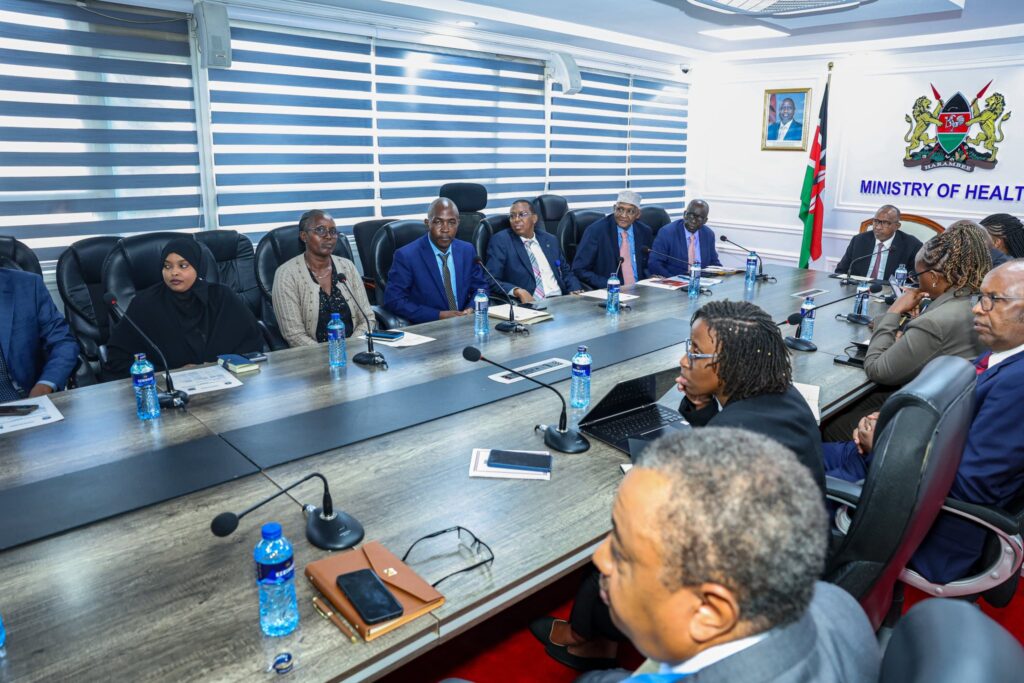
CS Duale inaugurated the newly appointed Board of the Clinical Officers Council (COC)

Cabinet Secretary for Health Hon. Aden Duale today inaugurated the newly appointed Board of the Clinical Officers Council (COC), led by Chairperson Dr. Joseph Choge, reaffirming the Government’s commitment to strengthening regulation of clinical training and practice in Kenya.

Speaking during the inauguration at Afya House, Hon. Duale cautioned against the unregulated expansion of clinical officer training programmes, stressing that oversight must align with the country’s health workforce needs and epidemiological priorities.

The CS noted that the Council has a critical statutory mandate to regulate the training, registration, licensing, and professional conduct of Clinical Officers, adding that effective regulation is essential to maintaining high standards of care and protecting patient safety.

Hon. Duale said strengthening oversight of the health workforce is central to the Government’s Bottom-Up Economic Transformation Agenda (BETA) and the realisation of Universal Health Coverage (UHC), which depends on a competent, disciplined, and well-regulated workforce.

He also called for closer collaboration between the Clinical Officers Council, the Nursing Council of Kenya (NCK), and the Kenya Medical Practitioners and Dentists Council (KMPDC) to harmonise scopes of practice and improve coordination across regulatory bodies.

The CS further urged the Council to work closely with the Social Health Authority (SHA) and the Digital Health Agency (DHA) to strengthen quality of care and support the integration of health data systems.

On professional accountability, Hon. Duale warned that negligence, fraud, or actions that endanger patients will not be tolerated, urging the Board to strengthen disciplinary mechanisms and safeguard the integrity of the Clinical Officer profession.

The meeting was attended by Principal Secretary for Public Health and Professional Standards Ms Mary Muthoni, Director-General for Health Dr. Patrick Amoth, Director of Curative and Nursing Services Dr. Andrew Toro, and COC CEO/Registrar Mr. Ibrahim Wako, among other officials.

By Anthony Solly

Senate Committee Demands Accountability Over Trans Nzoia’s Ksh 75M ”Unrecoverable” Loans

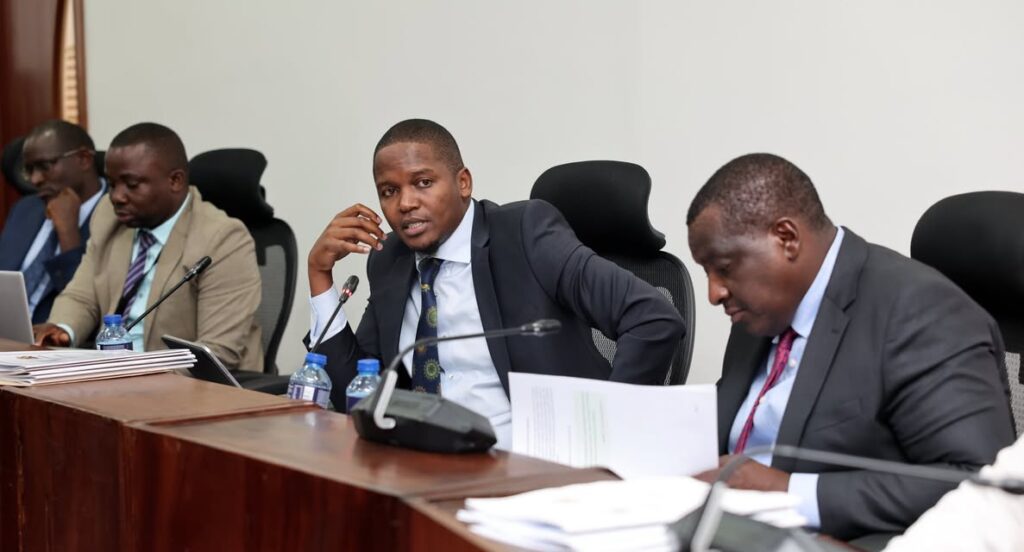
The Senate County Public Investment and Special Funds Committee, chaired by Senator Godfrey Osotsi, yesterday put Trans Nzoia Governor George Natembeya to task over a decade of fiscal negligence and the potential loss of over Ksh 75 million in public funds.

The interrogation, centred on the Auditor General’s 2024/2025 report, painted a grim picture of the County Youth and Women Fund. Of Ksh 102 million disbursed since 2013, a staggering Ksh 75.7 million remains outstanding, secured by “soft assets” such as household radios.

Senator Osotsi did not mince words regarding the legal breaches, specifically the failure to renew the fund’s approval after its 10-year expiry under Regulation 197(1).

“Governor, this is a textbook case of management collapse. Operating a fund for a decade without renewal while failing to recover millions is a blatant breach of PFM regulations that we cannot overlook,” Osotsi declared.

The scrutiny intensified as the committee examined the Nawiri Fund and the Car Loan scheme, where Ksh 89.9 million was advanced in multiple loans to just twelve officers. Senator William Kisang questioned the logic of the previous administration’s lending criteria.

“How does the county expect to recover millions when the collateral listed includes items like old radios? This isn’t a revolving fund; it is a haemorrhage of public resources under the guise of empowerment,” Kisang Remarked.

Governor Natembeya, while acknowledging the “political” nature of past lending, defended his administration’s reform agenda. “I inherited a mess where loans were issued as political rewards without documentation. We have stopped further allocations and are winding up these defunct structures. Our new ‘Nawiri’ mechanism is designed to ensure recovery is tied directly to government tenders, preventing further loss of taxpayer money,” Natembeya responded.

The Committee ordered a full recovery assessment and a status report on the proposed Social Empowerment Fund by the end of the fiscal year.

By Anthony Solly

Senate Committee Interrogates West Pokot Executive Over Financial Improprieties

The Senate County Public Investments and Special Funds Committee held an oversight hearing to interrogate the Auditor General’s report for West Pokot County for the 2024/2025 financial year.

Chaired by Sessional chair and Committee Vice chair Senator Eddy Oketch, the session saw Governor Simon Kachapin and his executive team face scrutiny over significant financial and operational lapses across the Kapenguria Referral Hospital, various sub-county facilities, the Kapenguria Water Company, and the Cooperative Development Fund.

A primary focus was the “backchanneling” of Facility Improvement Financing (FIF) funds, in which money intended for individual hospitals was diverted into central departmental accounts.

Audit reports revealed that while Kapenguria Referral Hospital struggled with severe resource gaps, including a lack of MRI and CT scanners, over Kshs. 12.3 million had been irregularly transferred to the County Revenue Fund. Senator Eddy Oketch questioned the county’s decision to customize local laws to divert 29% of facility revenue to departmental functions.

“The national FIF law is superior to your county laws and allocating percentages to departmental activities while your referral hospital lacks a basic defibrillator is defeatist and a direct violation of Section 7 of the Act,” Senator Oketch stated. “These funds must be retained and spent by the facility that collects them, not backchanneled to the ministry where they lose their intended impact”.

The committee also raised alarms over the rejection of social health insurance claims due to administrative negligence. At the referral hospital, audit findings showed that out of 4,693 claims submitted, 16 claims totalling Kshs. 1,134,850 were rejected because of invalid patient details or missing supporting documents, such as theatre notes. Senator George Mbugua demanded accountability for the facility’s structural neglect and staffing imbalances.

“It is unacceptable that the hospital continues to use hazardous asbestos roofing and has failed to complete a modern mortuary eight months after the contract lapsed, while you are also failing the test of national diversity with 50% of your staff coming from one dominant ethnic community,” Senator Mbugua noted. “We cannot have every shilling needed for patient care being lost to administrative failures and stalled projects.”

Governor Simon Kachapin defended his administration by highlighting the systemic challenges of transitioning to the Social Health Authority.

“We are retraining our claims staff and sensitizing them on standard operating procedures to reduce these errors, but the national Ministry of Health frequently introduces new requirements that make it difficult for our teams to maintain uniformity across the counties,” Governor Kachapin explained. “Regarding the mortuary, heavy rainfall prevented access to the site, but the project is now complete, and we are working to address the staffing imbalances”.

Beyond the health sector, the Kapenguria Water Company was flagged for an adverse audit opinion after failing to install meters for 60% of its customers and operating without a valid license. The Cooperative Development Fund also came under fire for failing to recover over Kshs. 42 million in long-outstanding loans.

The committee directed the Governor to provide written submissions for all unresolved queries and to align county legislation with national financial standards.

By Anthony Solly

KCB Combines Motorsport, Education and Sustainability

As Kenya gears up for the third leg of the 2026 FIA World Rally Championship (WRC) circuit, attention once again turns to Naivasha, where the iconic Safari Rally will bring together the world’s best rally drivers, motorsport fans and global media on the 12th -15th of March.

But beyond the roar of engines and the thrill of competition, this year’s rally is also shaping up to be a platform for something bigger, a national conversation about sustainability.

As a key sponsor of the rally, KCB Bank Kenya is not only investing in motorsport but also embedding sustainability at the heart of its involvement in the global spectacle.

The Bank has committed KShs. 227 million to the 2026 WRC Safari Rally, marking the sixth consecutive year of sponsorship since the rally returned to Kenya in 2021. In total, KCB has now invested over KShs. 980 million in the event, underscoring its long-term commitment to sports development, community empowerment and environmental stewardship.

Raslly driver Karan Patel and CS Sports Ababu Namwamba zoom along Moi Avenue during the launch of 2024 KCB/WRC Safari Rally sponsorship to Sh195m in Nairobi. Feb 12, 2024. [Jonah Onyango, Standard]

This year, sustainability will take centre stage through a number of initiatives designed to engage communities and young people.

Among them is the first-ever KCB Green Debate Series, which is bringing together more than 30 secondary schools to engage in discussions around climate change, environmental stewardship and sustainable development.

The initiative seeks to inspire young people to think critically about environmental challenges while positioning them as future champions of sustainability.

“Debates are a structured way of exchanging opinions and coming up with solutions,” says Billy, the CEO of Debate Circle, the strategic partners for the series.

“By engaging students in structured discussions on climate and sustainability issues, we are equipping them with the skills to think critically and contribute meaningfully to solving real-world problems.”

The debates have been taking place across different regions, where schools have competed in preliminary rounds tackling topics such as clean energy transition, environmental responsibility and the role of institutions in addressing climate change.

These regional debates have gradually built momentum towards the grand finals scheduled for March 28 at Naivasha Girls High School, where the top schools will compete for top honours. The winning school will walk away with cash prizes, trophies and certificates, in addition to the title of Green Thought Leadership Champions.

Beyond the intellectual competition, the initiative is also encouraging practical environmental action. Participating schools are taking part in tree planting activities, contributing to the Bank’s broader environmental agenda of planting and growing 1.5 million trees in 2026. This effort forms part of KCB’s commitment to supporting Kenya’s national goal of planting 15 billion trees by 2032.

Beyond the debates and tree planting initiatives, KCB is also focusing on sustainable event management during the rally, particularly through enhanced waste management practices.

During last year’s rally, 26 tonnes of mixed waste was collected and sorted. Plastic waste was recycled into flower vases, eco tiles and sand and ballast from glass bottles. Organic waste was turned into fertilizer all highlighting the growing focus on reducing the environmental footprint of major sporting events.

In line with its commitment to sustainability and inclusion, the Bank is also supporting female participation in motorsport, sponsoring 2 female rally drivers, Queen Khalimpiya from Rwanda and Tinashe Gatimu from Kenya, who will compete alongside 44 other crews in this year’s Safari Rally. The rally itself is expected to attract around 50 local and international teams, including some of the biggest names in global rallying.

For KCB, the focus on sustainability during the rally is part of a much broader agenda embedded within the Bank’s operations.

The Bank has aligned its sustainability strategy with 14 of the 17 United Nations Sustainable Development Goals (SDGs), supporting initiatives across areas such as quality education, climate action, economic empowerment, sustainable communities and partnerships for development.

According to Judith Sidi, Head of Sustainability, KCB, initiatives such as these demonstrate how sustainability can be integrated into everyday activities. “KCB is keen on going green and this translates into nurturing a generation that understands the importance of protecting the environment and making responsible choices for the future,” she says.

By connecting motorsport with education, sustainability and community engagement, KCB is transforming the Safari Rally into more than just a sporting event.

It is becoming a platform that inspires young people, empowers communities and reinforces the importance of protecting the environment.

In this way, as rally cars power through the rugged landscapes of Naivasha, another powerful movement is taking shape, one driven by young voices, bold ideas and a shared commitment to building a more sustainable future.

By Anthony Solly

Create a free account, or log in.

Gain access to read this content, plus limited free content.

Yes! I would like to receive new content and updates.

Sponsored Ad

Ad 1
Ad 2
Ad 3
Ad 4
Ad 5
Ad 6