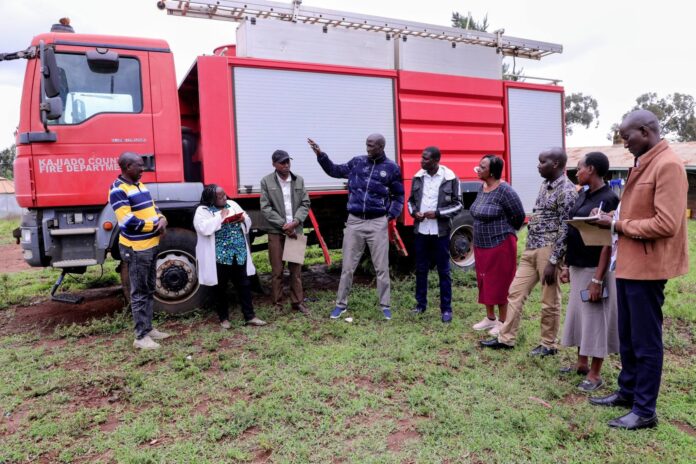
The County Assembly Sectoral Committee on Roads, Transport and Energy today conducted an oversight visit to Loitoktok Fire Station to assess the state of fire preparedness and emergency response services within the Kajiado South sub-county.
During the engagement with fire officers at the station, the Committee noted with concern the deteriorating condition of the fire engine that serves the entire Loitoktok Sub-County.
The vehicle has reportedly been operating in poor condition and has now been grounded for the last four months due to completely worn-out tyres.
The Committee further established that officers at the station lack adequate protective gear required to safely handle fire and emergency situations.
In addition, serious welfare concerns were raised by the officers, who reported that they have not been receiving operational allowances despite working long hours under hazardous conditions.
In one instance, officers revealed that they spent four days in the bush battling wildfires but did not receive any facilitation or allowances.
Staffing levels at the station have also significantly declined. The station initially had eleven officers but is currently operating with only six a situation that has really hampered its operation.
The Ministry of Gender on Friday, March 6, announced that it has disbursed Ksh4,000 to 430,998 households under the Inua Jamii initiative.
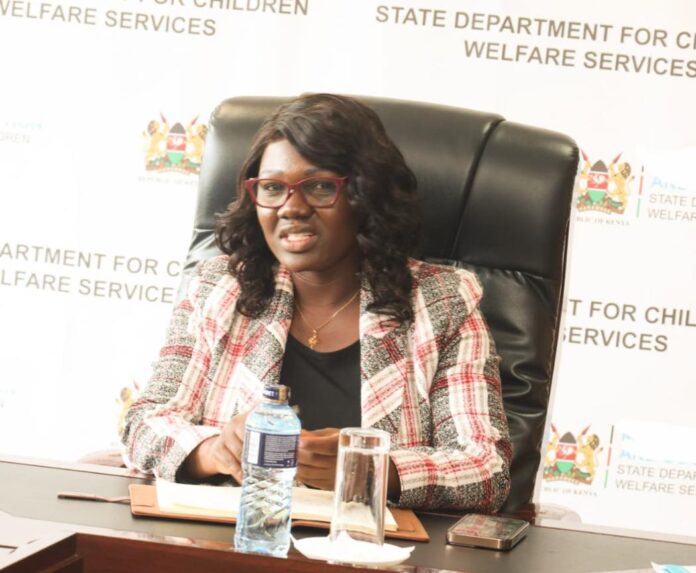
Principal Secretary for Child Services, Carren Ageng’o, explained that the funds were sent to orphans and vulnerable children.
Ageng’o confirmed that a total of Ksh1.7 billion has been disbursed to cater for the January and February payments.
All beneficiaries of the Cash Transfer for Orphans and Vulnerable Children (CT-OVC) have been informed that they will receive payment through the contracted Payment Service Provider.
“This disbursement covers the January and February 2026 payments, and each beneficiary household is receiving a sum of KShs. 4,000.00; hence a double payment,” the PS explained.
Ageng’o stated that the CT-OVC Programme aims to encourage fostering and retention of orphans and vulnerable children within their families and communities.
Through the programme, the government also intends to promote the beneficiaries’ human capital development.
Orphans and vulnerable children are also guaranteed access to their basic needs, including but not limited to food, education and medical services.
“Specifically, the programme supports increased enrolment and transition in education, improved health and nutrition outcomes, enhanced household food security, and better child protection,” the statement read in part.
On March 5, Social Protection and Senior Citizen Affairs PS Joseph Motari announced that the government had also allocated funds for older adults.
Motari disclosed that Ksh2.4 billion had been released and 1.2 billion Kenyans, including senior citizens and persons living with severe disabilities, would receive Ksh2,000 each.
The government warned the beneficiaries of a fraudulent scheme, ‘Inua Jamii Foundation empowerment’, stating that no such organisation existed.
Inua Jamii is an initiative by the state that offers financial relief to vulnerable Kenyans by offering a monthly stipend.
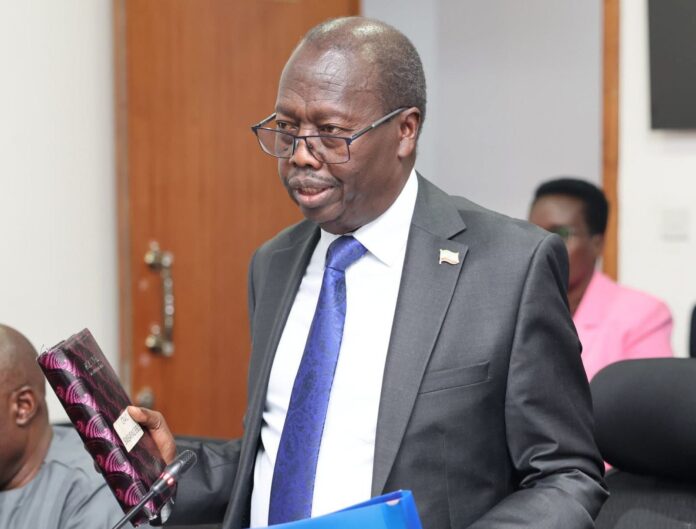
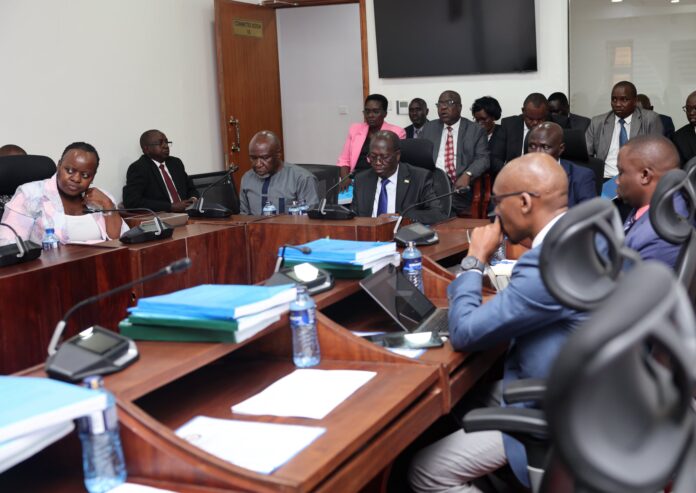
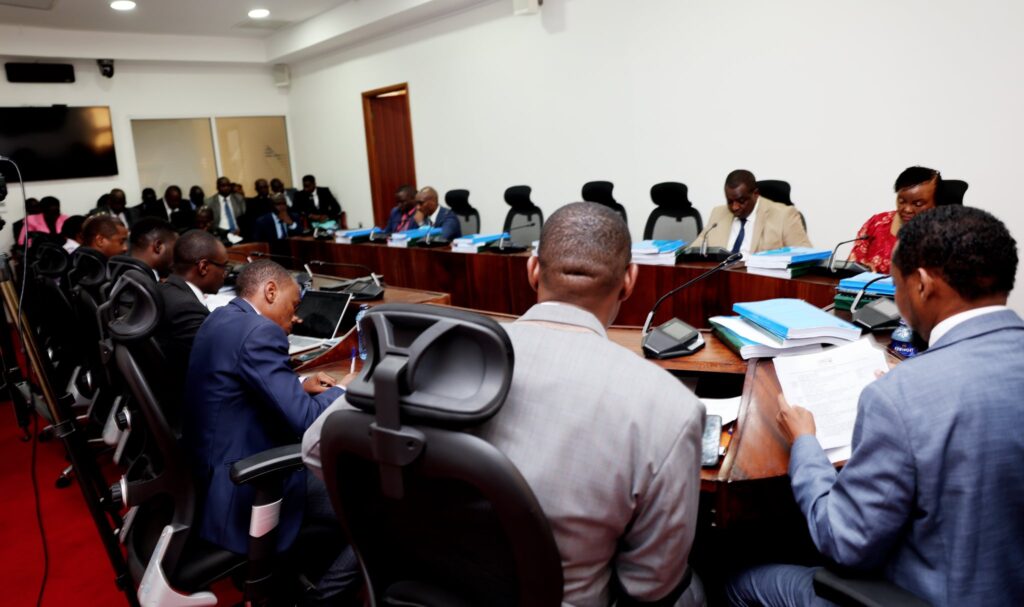
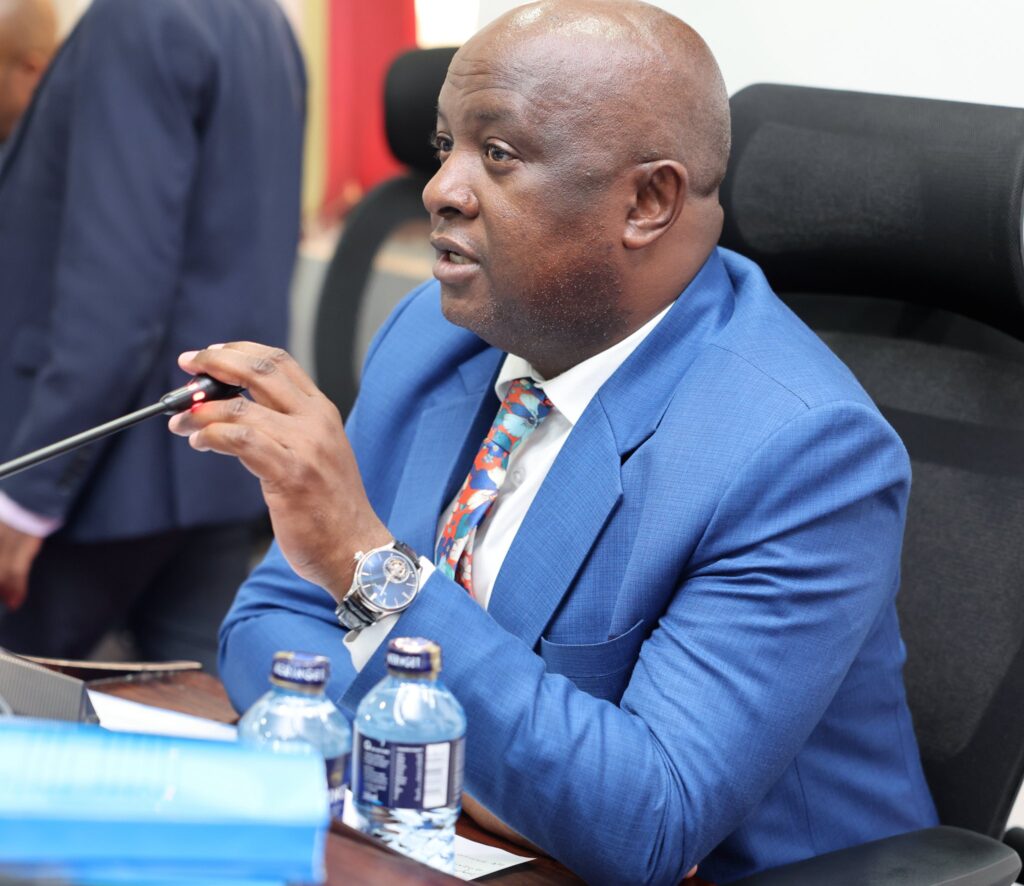
Baringo County Governor Benjamin Cheboi faced tough questions from the Senate County Public Investments and Special Funds Committee over the hiring of 730 casual health workers across public hospitals in the county.
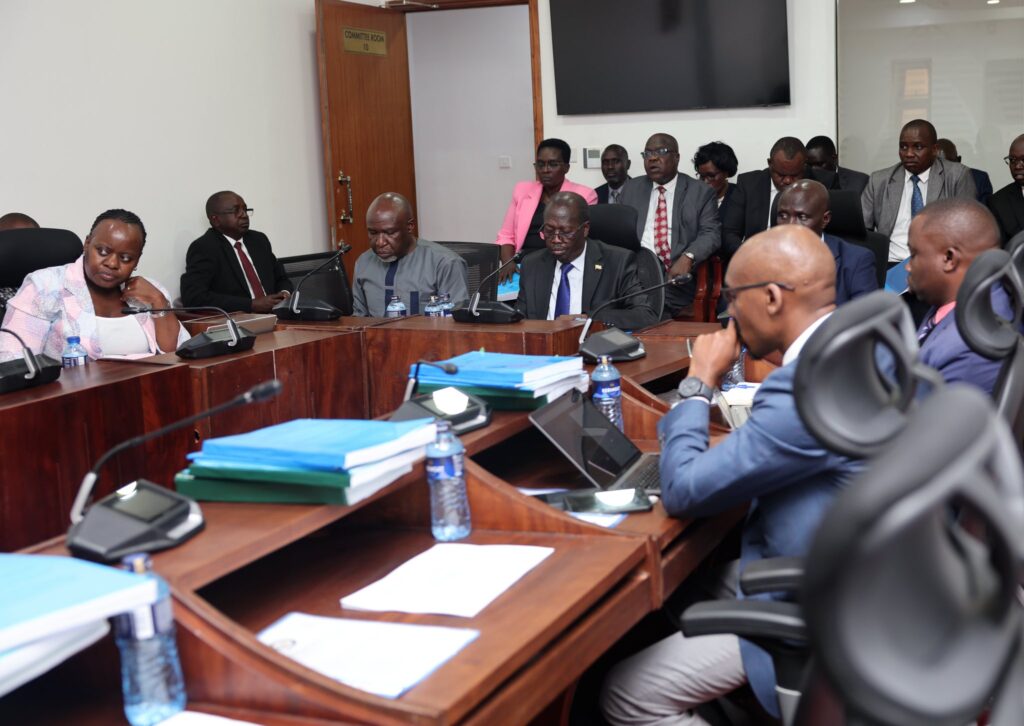
The governor appeared before the committee on Friday, March 6, together with members of his executive team to respond to concerns raised in the Auditor General’s report for the 2024/2025 financial year.
The committee, chaired by Vihiga Senator Godfrey Osotsi, raised alarm over the county’s human resource practices after auditors established that hundreds of health workers were employed on casual terms, with some serving on repeated short-term contracts for years.
Opening the interrogation, Osotsi said the findings pointed to serious irregularities in the county’s staffing structure.
“You cannot tell us that you do not have money to pay permanent nurses when you are already paying the same nurses on a three-month basis for ten years. The money is going out regardless. The only thing you are saving is their pension and their job security. That is not a saving the law allows you to make,” he said.
According to the audit report, Baringo’s hospitals have a total of 730 casual employees, with the Level 5 Baringo County Referral Hospital alone accounting for 222 casual and contracted staff, including 41 nurses.
Auditors further established that some of the technical staff have been working under renewable three-month contracts for up to ten years, a practice that contravenes the Employment Act and the County Public Service Human Resource Manual.
Responding to the concerns, Cheboi admitted the county had widely relied on short-term contracts but attributed the situation to financial pressure and the high county wage bill.
“The wage bill is a heavy chain around our neck. While we admit that the engagement of technical staff on renewable three-month contracts is widespread, we have used Facility Improvement Funds to keep these hospitals running.
“We are now working on a plan to regularize these staff through the Public Service Board, but we must balance this against our fiscal envelope,” he stated.
The committee session also reviewed broader issues affecting health services in Baringo, including shortages of medical equipment and the gap between hospital classifications and the actual services offered to patients.
Osotsi noted that the Auditor General’s findings were based on physical inspections of the facilities and therefore required clear answers from the county leadership.
“Governor, the Auditor General has visited these hospitals, physically verified what is there and what is not there, and put it in writing. We are not dealing with opinions here; we are dealing with facts on the ground.
“The people of Baringo were told these are Level 4 and Level 5 hospitals. Our question today is very simple: what exactly does that mean for a patient who walks through those doors?” he added.
Cheboi defended the county’s efforts to improve health facilities but acknowledged the challenges in acquiring specialized medical equipment.
“We are operating in a complex environment where the classification of a hospital often outpaces the arrival of specialized equipment.
“At Eldama Ravine, for instance, we have finally formed an asset management committee to ensure we recognize and depreciate our assets properly, a step that was previously ignored,” he further said.
The committee also heard concerns about shortages of critical equipment at Baringo County Referral Hospital.
Senator George Mbugua criticized the situation, noting that the hospital’s intensive care unit reportedly has only one functional ventilator.
“I am looking at this list, and I am asking myself: what exactly makes this a referral hospital? You have an ICU with one ventilator. You have a maternity ward that, by your own admission, is poorly equipped. Your eye care equipment breaks down, and you are waiting for parts from abroad. The upgrading of these hospitals has excited the organograms; it has not excited the patients. That is the problem,” he pointed out.
Cheboi explained that placing expensive equipment in remote hospitals can be difficult because suppliers often consider patient traffic before making such investments.
“Placement of expensive equipment like MRI scanners is often a matter of business feasibility. Suppliers expect a certain level of patient traffic to recover their investment.
“In remote Level 4 hospitals like Chemolingot or Kabartonjo, where traffic is low, we struggle to attract these vendors. It is therefore a joint responsibility of the county and national government to provide essential machines where the market logic fails,” he explained.
The session also touched on the waiver of more than Ksh2.2 million in hospital bills issued to patients who were not registered under the Social Health Authority (SHA), which senators said goes against the Social Health Insurance Regulations 2024.
Cheboi said the county sometimes faces difficult decisions when dealing with residents who lack national identity documents required for SHA registration.
“A significant portion of our population in Baringo lacks national identity documents, making SHA registration impossible. We are often forced to choose between strict legal compliance and the human necessity of releasing a body from the mortuary or treating an indigent patient,” he further said.
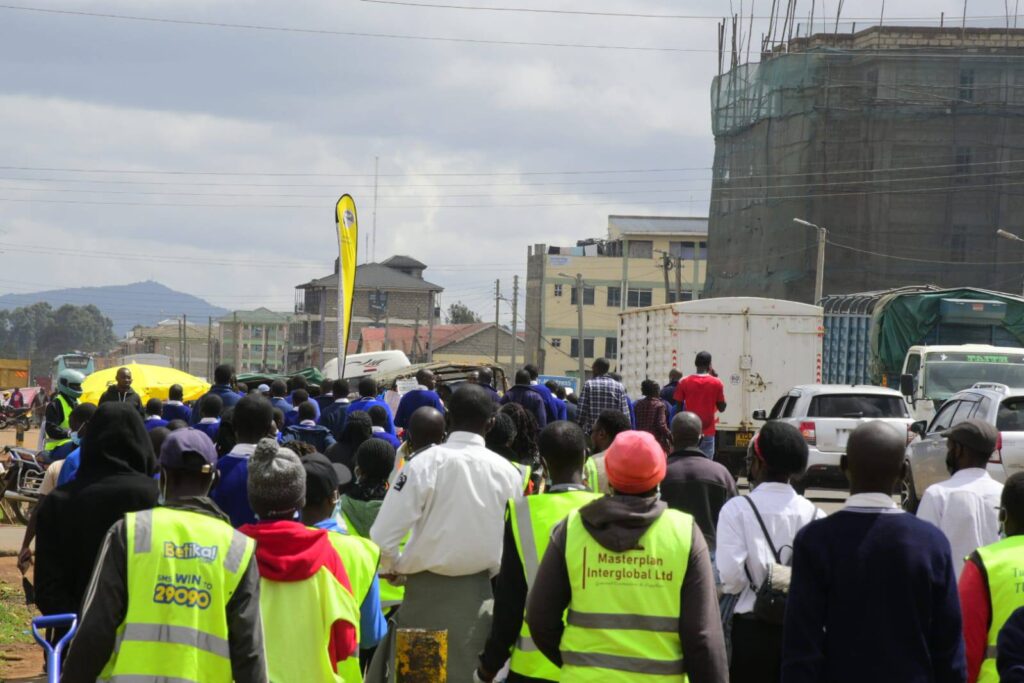
KeNHA North Rift Region conducted a clean-up exercise and community sensitization along the Eldoret – Iten (B16) Road, bringing together stakeholders and community members to promote environmental conservation and enhance the cleanliness of the road corridor.
The exercise commenced at Chepkoilel Junction and covered Chepkanga, Hawaii, and Jerusalem. Participants undertook a roadside clean-up while sensitizing members of the public on proper waste disposal and the protection of the road reserve.
The activity was undertaken in collaboration with the County Government of Uasin Gishu, African Institute for Capacity Development, Kenya Scouts Association, University of Eldoret, Youth Enterprise Development Fund, Eldoret Water and Sanitation Company (ELDOWAS), X Youth Generation and St. John Ambulance Kenya.
Through this initiative, KeNHA North Rift reaffirmed its commitment to working with stakeholders and local communities to promote sustainable road infrastructure and a safer, cleaner road environment.
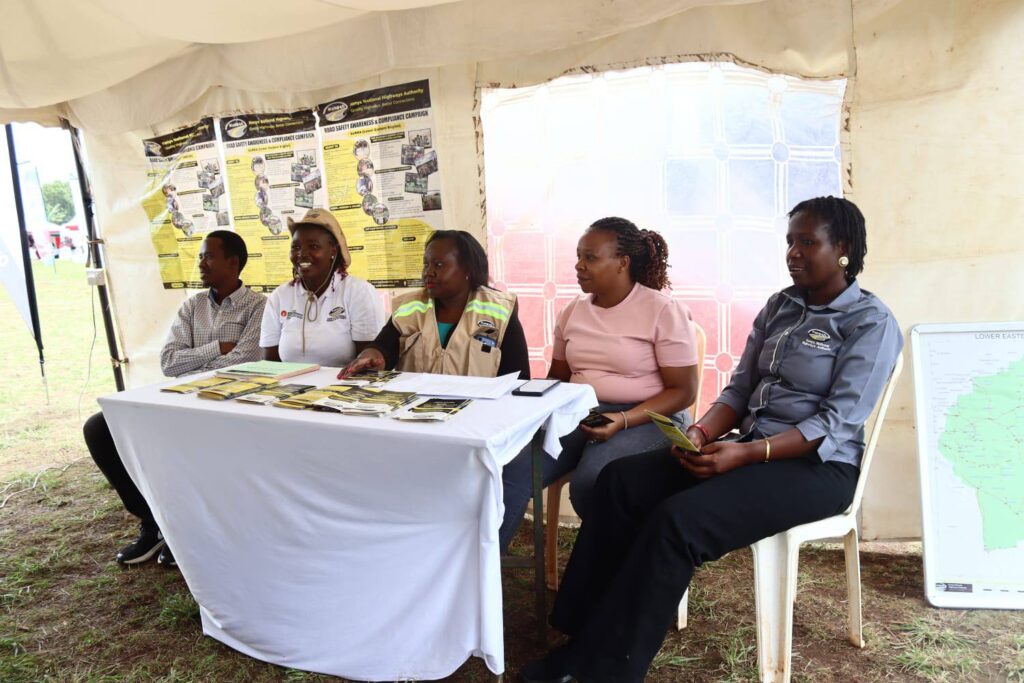
The Kenya National Highways Authority (KeNHA) Lower Eastern Region is participating in the Machakos Trade Expo 2026 being held at Machakos Golf Club from Thursday, 5th through to Saturday, 7th March.
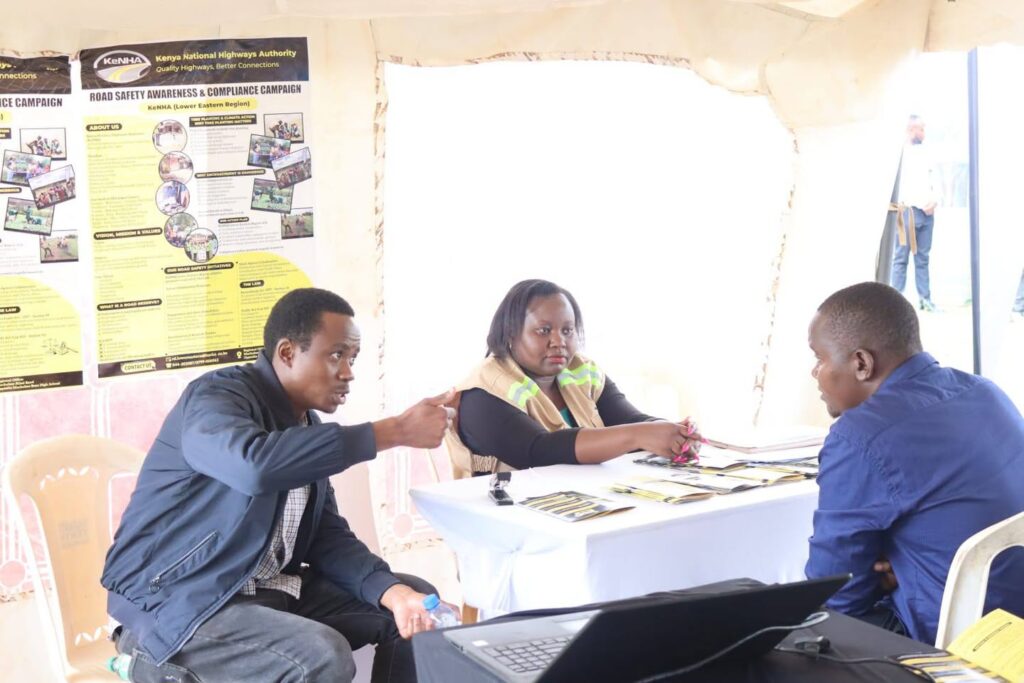
During the Expo, the team is engaging traders and members of the public on road reserve protection and road safety matters.
KeNHA officers are sensitizing traders on the laws and regulations governing road reserves, emphasizing the importance of safeguarding these spaces to enhance road safety and support sustainable road infrastructure.
Informational materials were also issued to traders, while visitors at the KeNHA exhibition tent learnt more about road safety practices and the Authority’s mandate in managing and protecting the national road network.
The event was graced by the CECM for Trade, Industry, Innovation and Cooperatives, Sharon Kalunda, who underscored the importance of collaboration between government agencies and the business community in promoting compliance with regulations and fostering safe, well-organised trading environments.
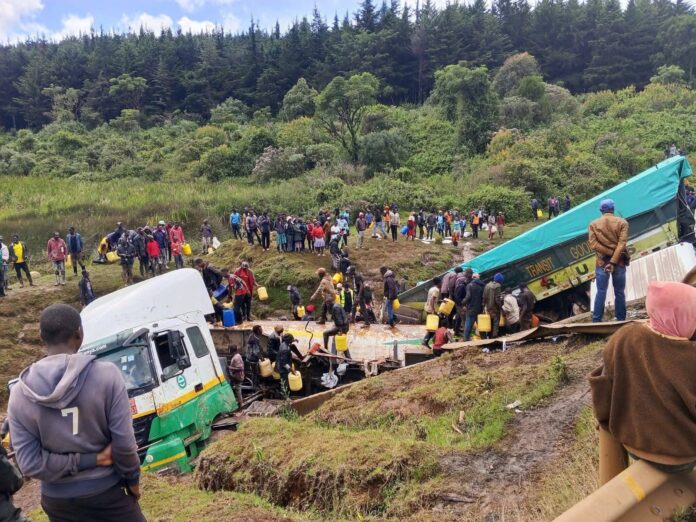
Eight vehicles have been involved in a grisly accident at the Kamara area, on the Nakuru-Eldoret highway.
According to reports, the crash has created a chaotic scene, with emergency responders rushing to assist the injured and manage traffic.
Among the vehicles involved were three cargo trucks, one Probox, one private car, and three matatus (passenger minibuses).
The eyewitnesses have stated that the scene remains dangerous as petrol has spilled across the road, creating a significant safety hazard. They also expressed sympathy for the victims.
There is no official communication from the police regarding this accident.
This comes after six people on March 6, 2026, lost their lives following an early morning road accident on the busy Nairobi-Mombasa Highway after the bus they were travelling in got involved in a head-on collision with a trailer.
According to reports, the crash occurred in the Manyatta area of Taita Taveta County after the PSV bus belonging to Chania sacco lost control moments before being hit by the trailer on the busy stretch.
The eyewitnesses stated that the Chania Executive bus driver was attempting to overtake when the truck rammed into the bus, wrecking its right side, before the vehicle veered off the highway.
Police officers and other emergency responders later arrived at the scene and coordinated rescue efforts to evacuate passengers and secure the area.
The other passengers in the bus who sustained injuries were rushed to Moi Referral Hospital in Voi for treatment as investigations continue.
The Senate County Public Investments and Special Funds Committee met with Baringo County Governor Benjamin Cheboi and his executive team, who were invited to account for what the Auditor General’s report described as a cascade of deficiencies across the county’s public hospitals for the 2024/2025 financial year.
The interrogation, led by Senator Godfrey Osotsi, focused on a systemic failure to bridge the gap between high-level designations and the reality of care.
While Baringo County Referral Hospital (BCRH) is classified as a Level 5 facility, sub-county hospitals, including Kabartonjo, Marigat, Eldama Ravine, and Chemolingot are designated as Level 4, the same status is not reflected on the ground.
The committee reviewed a catalogue of findings that cut to the heart of Kenya’s Universal Health Coverage (UHC) promise: hospitals classified as referral facilities that could not demonstrate the equipment or staffing ratios commensurate with that status.
Senator Godfrey Osotsi opened the interrogation with measured gravity:
“Governor, the Auditor General has visited these hospitals, physically verified what is there and what is not there, and put it in writing. We are not dealing with opinions here; we are dealing with facts on the ground. The people of Baringo were told these are Level 4 and Level 5 hospitals. Our question today is very simple: what exactly does that mean for a patient who walks through those doors?”
Governor Cheboi, responding to the committee, defended his administration’s record while acknowledging the resource gaps, stating:
“We are operating in a complex environment where the classification of a hospital often outpaces the arrival of specialized equipment. At Eldama Ravine, for instance, we have finally formed an asset management committee to ensure we recognize and depreciate our assets properly, a step that was previously ignored”.
Senator George Mbugua was unsparing in his critique of the equipment shortages, specifically targeting the Intensive Care Unit (ICU) at BCRH, which had only one functional ventilator.
“I am looking at this list, and I am asking myself: what exactly makes this a referral hospital? You have an ICU with one ventilator. You have a maternity ward that, by your own admission, is poorly equipped. Your eye care equipment breaks down, and you are waiting for parts from abroad. The upgrading of these hospitals has excited the organograms; it has not excited the patients. That is the problem.”
The Governor responded by explaining the commercial challenges of equipping remote facilities.
“Placement of expensive equipment like MRI scanners is often a matter of business feasibility. Suppliers expect a certain level of patient traffic to recover their investment. In remote Level 4 hospitals like Chemolingot or Kabartonjo, where traffic is low, we struggle to attract these vendors. It is therefore a joint responsibility of the county and national government to provide essential machines where the market logic fails”, explained the Governor.
The most damning evidence concerned the county’s human resource practices. Across Baringo’s hospitals, there are 730 casual employees. At the Level 5 Referral Hospital alone, 222 casual and contracted staff are on the payroll, including 41 nurses.
Auditors found that some of these technical staff have been working on three-month rolling contracts for up to ten years, a direct violation of the Employment Act and the County Public Service Human Resource Manual.
Senator Godfrey Osotsi observed:
“You cannot tell us that you do not have money to pay permanent nurses when you are already paying the same nurses on a three-month basis for ten years. The money is going out regardless. The only thing you are saving is their pension and their job security. That is not a saving the law allows you to make.”
Governor Cheboi responded:
“The wage bill is a heavy chain around our neck. While we admit that the engagement of technical staff on renewable three-month contracts is widespread, we have used Facility Improvement Funds to keep these hospitals running. We are now working on a plan to regularize these staff through the Public Service Board, but we must balance this against our fiscal envelope.”.
The session’s closing exchanges focused on a third anomaly: the issuance of over Kshs. 2.2 million in hospital bill waivers to patients not enrolled in the Social Health Authority (SHA). This practice violates the Social Health Insurance Regulations 2024, which requires a valid SHA number for all claims.
Governor Benjamin Cheboi noted:
“A significant portion of our population in Baringo lacks national identity documents, making SHA registration impossible. We are often forced to choose between strict legal compliance and the human necessity of releasing a body from the mortuary or treating an indigent patient.”
The committee adjourned with a plan for a physical site inspection of the Baringo County Referral Hospital and for a management action plan to absorb long-serving technical staff.
NAIROBI, Kenya, March 5, 2026/ — With Africa poised to become the world’s fastest-growing aviation market, policymakers and industry leaders are focused on a central challenge: how to translate rising demand into sustainable connectivity, competitiveness, and financial viability.
This question anchored deliberations at the two-day Airlines, Capital and Connectivity Forum convened in Nairobi on 25–26 February 2026 by the African Development Bank Group in partnership with the African Airlines Association (AFRAA).
Despite strong demand fundamentals, Africa’s aviation sector continues to face structural constraints, including high costs of capital, fragmented regulatory regimes, infrastructure gaps, and limited access to long-term financing.
To address these challenges, the Bank is advancing the Integrated Aviation Transformation Program (IATP), a continent-wide platform designed to modernise the aviation ecosystem and mobilise private, institutional, and concessional capital at scale.
The programme seeks to align policy reform, innovative financing instruments, and project execution within a single, bankable framework.
The Forum brought together airline executives, transport ministers, regulators, investors, manufacturers, and development partners to explore how the IATP can accelerate coordinated delivery across the sector. Participants underscored aviation’s role as a strategic enabler of regional integration, trade facilitation, tourism, and economic diversification.
Opening the Forum, the Bank’s Director for Infrastructure and Urban Development, Mike Salawou, noted that while Africa’s aviation demand outlook ranks among the strongest globally, supply-side capacity and investment readiness have lagged. The IATP, he said, seeks to de-risk priority investments, support early pilot transactions, and restore confidence among commercial and institutional financiers.
From the industry’s perspective, AFRAA Secretary General Abderahmane Berthé highlighted the scale of the opportunity and the imbalance confronting the continent. “Africa represents nearly 18 percent of the global population but accounts for less than three percent of worldwide air traffic, reflecting structural and regulatory barriers rather than weak demand,” he said.
Remarks delivered on behalf of Kenya Airways described Africa as the largest structural aviation opportunity of the 21st century. Over the next two decades, one in four new global air travellers is expected to originate from Africa, driven by rapid urbanisation, a growing middle-income population, and a youthful demographic profile.
However, the industry’s financial performance remains constrained. According to the International Air Transport Association (IATA), African airlines are projected to generate net margins of only 1–2 percent, below the global average forecast of 3.9 percent in 2026. High fuel costs, heavy taxation, incomplete liberalisation and limited hub infrastructure continue to undermine profitability.
Connectivity remains a critical bottleneck. Intra-African traffic accounts for only about a quarter of total air travel, with many passengers required to transit outside the continent. Participants emphasised that full implementation of the Single African Air Transport Market is essential to unlock efficient intra-continental connectivity.
A keynote address delivered by Eric Ntagengerwa, Head of Transport and Mobility at the African Union Commission (AUC) on behalf of Lerato Dorothy Mataboge, Commissioner for Infrastructure and Energy, framed aviation reform as an imperative for sovereignty, integration, and competitiveness. He observed that the Single African Air Transport Market is the designated African Union Theme for the Year 2027.
Discussions over two days focused on practical delivery, including strengthening airline bankability, advancing climate-aligned aviation, developing cargo and logistics, building skills, and deploying innovative risk-sharing mechanisms under the IATP. Country experiences from Nigeria, Kenya, and Ethiopia illustrated how continental objectives can translate into coordinated national reforms and near-term investment opportunities.
Samuel Obafemi Bajomo, Senior Adviser to Nigeria’s aviation ministry, emphasised that forward-looking, pro-investment policy frameworks are critical to strengthening connectivity and unlocking Africa’s growth potential and positioning aviation as a catalyst for trade, tourism, and shared prosperity.
The Forum concluded with a clear message: Africa’s aviation demand is real, accelerating, and irreversible. The priority now is execution—aligning policy, capital and infrastructure to ensure aviation becomes a durable driver of inclusive growth and regional integration across the continent.
These rankings recognise the Bank’s leadership in arranging debt solutions and mobilising large-scale capital from both within and outside Africa from a diverse range of investors
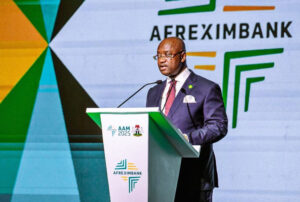
CAIRO, Egypt, March 4, 2026/ — African Export-Import Bank (Afreximbank) (www.Afreximbank.com) has solidified its dominance in African capital markets, clinching the Number 1 ranking as both Mandated Lead Arranger and Bookrunner in the 2025 Bloomberg Africa Borrower Loans League Tables, as well as the Number 3 ranking for Administrative Agent.
These rankings recognise the Bank’s leadership in arranging debt solutions and mobilising large-scale capital from both within and outside Africa from a diverse range of investors to anchor the continent’s economic growth.
The results mark a continued ranking of Afreximbank as one of Africa’s market leaders at the top of the Bloomberg league tables over the past years. As Bookrunner, Afreximbank held 21.66% market share comprising 14 deals.
As Mandated Lead Arranger, the Bank accounted for 23.65% market share comprising 20 transactions. The activity, which accounted for these 20 deals, consisted primarily of syndicated transactions in the oil and gas sector, reflecting the Bank’s strategic intervention in closing the significant financing gap in the sector on the continent. The Number 3 Administrative Agency ranking delivered a market share of 13.92% with 13 deals, which also over-indexed in the oil and gas sector.
The Bloomberg Africa Borrower Loans League Tables are a subset of the Bloomberg Capital Markets League Tables, which represent the top arrangers, bookrunners and advisors across a broad array of deal types including loans, bonds, equity and M&A transactions, according to Bloomberg standards. It is a critical tool for investment bankers and analysts to evaluate market share, analyse competitors and identify market trends.
Haytham Elmaayergi, Executive Vice President, Global Trade Bank at Afreximbank, commented:
“I am delighted that the stellar performance of our colleagues has been reflected in Bloomberg’s prestigious league tables, which is a real testament to their assiduous determination and capability.
The rankings underscore Afreximbank’s commitment to facilitating capital flows in order to drive economic growth and prosperity in the continent. We will continue to focus on leveraging our unique position to promote high-impact investments and bridge the financing gap across Africa’s most critical sectors.”
The Commission on Administrative Justice, commonly known as the Ombudsman, has compelled the Kenyatta University Teaching, Referral & Research Hospital (KUTRRH) to release a body that had been unlawfully held over an outstanding medical bill following its intervention and the backing of the Kenya Medical Practitioners and Dentists Council (KMPDC).
In a statement on Friday, March 6, the commission said the matter arose following a complaint alleging that the hospital had refused to release the body of a patient who died at the facility on November 3, 2025, while undergoing treatment.
At the time of his death, the hospital bill had accumulated to Ksh750,346.
Given the urgency of the matter, the commission requested an immediate response from the hospital.
“Due to the urgency of this matter, please respond to us within forty-eight (48) hours, indicating the actions taken to resolve the complaint. We look forward to your prompt response and swift action,” the statement read.
In its inquiry, the commission cited a landmark court ruling in Norah Masitza Mamadi & Another v. Mombasa Hospital Association T/A Mombasa Hospital, where Justice Azangalala ruled that hospitals cannot retain a body as security for unpaid bills.
“The deceased’s remains are not an asset that the Respondent may hold as lien. The Defendant cannot sell the same to recover its charges. It cannot pledge or otherwise use the remains as security. Indeed, the Defendant acknowledges that there is no property in the remains of the Deceased. So, Respondent has no basis of refusing to release the remains of the deceased at all,” the ruling read.
In its response, KUTRRH maintained that it operates as a public hospital funded by taxpayers through the national exchequer and must adhere to strict accountability standards.
The hospital also indicated that while it provides services under the Social Health Authority (SHA) scheme, any costs exceeding the applicable limits remain the responsibility of the patient.
The hospital’s CEO explained that the Ministry of Health and other government agencies require strict financial accountability in the use of public funds.
File image of Kenyatta University Teaching, Referral & Research Hospital (KUTRRH)
The CEO noted that the hospital has procedures to handle cases where patients cannot settle bills and advised the deceased’s next of kin to engage the hospital’s Credit Control Office.
However, the commission informed the hospital that the family was indigent and had no means of raising the outstanding amount.
The family had expressed a desire to give their loved one a dignified burial, which had been delayed due to the continued retention of the body.
Despite this, in a letter dated December 29, 2025, the hospital reiterated that a proposal for a full waiver was not feasible and advised the family to submit a payment plan for consideration.
The hospital stated that an acceptable settlement arrangement was necessary for it to meet its operational obligations and continue serving other patients.
With the dispute unresolved, the commission escalated the matter on January 8, 2026 to the CEO of the Kenya Medical Practitioners and Dentists Council and the Principal Secretary in the State Department for Public Health and Professional Standards.
In a response dated January 26, 2026, the KMPDC supported the commission’s position and directed the hospital to release the body.
“The position of the law is unequivocal: detaining a deceased body over outstanding bills is illegal. Importantly, releasing the body does not extinguish the hospital’s right to recover its debts.
“You are, therefore, directed to release the body without delay and thereafter pursue alternative lawful means to recover the outstanding amount from the family,” the KMPDC CEO stated.
Following the directive, the hospital released the body which is now set to be laid to rest on Friday, March 6.