Sponsored Ad

Ad 1
Ad 2
Ad 3
Ad 4
Ad 5
Ad 6
27.4 C
Kenya
Thursday, May 7, 2026
Home Blog Page 310

A Letter That Never Became a Salary: Carlos Keter, teacher who died in Nandi chopper crash before earning his first salary

For eight years, Carlos Keter waited for what many young Kenyan professionals call the ultimate breakthrough: a permanent and pensionable job with the Teachers Service Commission.

The appointment, secured with the support of Emurua Dikirr Member of Parliament Johanna Ng’eno, marked the end of nearly a decade of uncertainty. Friends celebrated. Family exhaled. After years of short-term engagements and dashed hopes, Keter could finally say he had “made it.”

Keter was part of the MP’s team, assisting with the day-to-day operations at his constituency office.
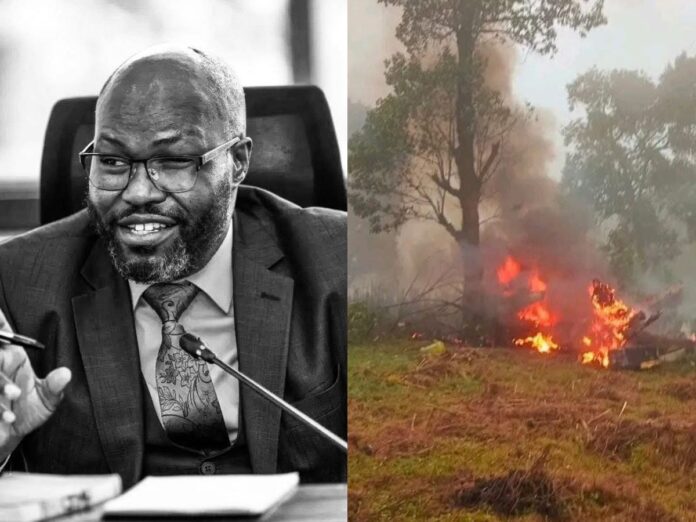
Keter died in the same ill-fated helicopter crash that claimed the life of the MP who had helped him secure the position. The tragedy compressed eight years of waiting into a single month of promise.

Only an appointment letter — now held by grieving relatives who must reconcile hope with loss.

In a country where the word “permanent” carries near-mythical weight, the incident has become a stark reminder of the fragility of human plans.

Friends and colleagues describe him as hardworking and ambitious, with a promising future ahead.
In a heartbreaking turn of events, Carlos had just days earlier received a letter from the TSC confirming his employment as a teacher.

The milestone marked the beginning of what many believed would be a fulfilling professional journey.

A photo circulating online shows a smiling Carlos receiving the TSC letter from the late MP, a proud moment that has since become a painful memory following the fatal crash.

Keter was also building a life with his girlfriend. They were planning to get married and were raising a child.
Friends say he often talked about wanting to provide a good life for his family.

His death has shocked his colleagues and the people in his hometown, who remember him as a respectful and dedicated person.

Many recall that he was a serious teacher who took his job seriously even though he was new to the profession.

As the investigation into the crash goes on, Keter’s family is grieving the loss of a life that had so much potential.

They will always remember him as a determined young man who was just starting to pursue his goals.

Investment Agreement Signed in Caracas Concludes African Energy Chamber (AEC) Mission, Ushering in New Era of Africa–Venezuela Energy Cooperation

CAPE TOWN, South Africa, March 4, 2026/ — The African Energy Chamber (AEC) (https://EnergyChamber.org) signed a wide-ranging Memorandum of Understanding (MoU) last week in Caracas with the Ministry of People’s Power for Hydrocarbons of the Bolivarian Republic of Venezuela and Petróleos de Venezuela, S.A. (PDVSA). The agreement establishes a structured framework for long-term collaboration across the full hydrocarbon value chain. 

The agreement, signed at the culmination of a high-level working visit, sets in motion clear implementation mechanisms, including a Joint Working Group to define project pipelines, work plans and progress metrics. The MoU articulates coordinated outreach, joint studies and investment-ready frameworks while committing to structured capacity-building initiatives.

“This visit was about moving from conversation to coordination. The MoU we signed in Caracas is not a symbolic agreement – it is a working framework that aligns Africa and Venezuela around concrete investment, trade and training priorities. What we built this week is the foundation for sustained collaboration,” said NJ Ayuk, AEC Executive Chairman.

Structured Hydrocarbon Partnership

The MoU followed productive engagements between the AEC delegation and Venezuela’s petroleum leadership, where officials charted a 12-month action plan to accelerate hydrocarbon rehabilitation, gas development and cross-continental capital flows. Meetings included Venezuela’s Deputy Minister of Hydrocarbon Geopolitics, Deputy Minister of Gas, and PDVSA executives – all conveying a strategic intent to revitalize Venezuela’s oil and gas sector with targeted investor participation and clear regulatory models.

The plan identifies priority areas such as mature field workovers in the Faja del Orinoco, refinery modernization at Paraguaná and El Palito, gas commercialization and mechanisms to facilitate African operator entry via Production Participation Contracts and joint venture structures. Importantly, discussions extended into trade finance and structured LPG and bitumen flows to African markets, opening immediate avenues for South-South commercial energy supply chains.

Practical Trade and Reciprocal Investment

A focal point of the visit was advancing practical trade and investment cooperation between Africa and Venezuela, anchored in mutual economic and energy imperatives. Discussions over the course of the week emphasized that both regions face similar challenges – energy poverty, infrastructure bottlenecks and the need for industrial value addition. Rather than transactional engagements, the aim was to build longer-term institutional alignment that supports bilateral trade flows, joint ventures and shared technical platforms.

Venezuela’s enormous hydrocarbon endowment – including roughly 300 billion barrels of oil reserves and significant gas resources – presents a complementary opportunity for African energy firms with deepwater, heavy crude and gas expertise. African companies were encouraged to explore upstream and downstream opportunities, with the AEC positioned as a facilitator of entry points and partnership structures.

Training Pathways

Beyond commercial deals, the visit foregrounded human capital development and training cooperation as a strategic pillar of the emerging partnership. Meetings with institutions including the Universidad Venezolana de los Hidrocarburos laid the groundwork for structured technical and executive training programs targeting African professionals. These initiatives aim to deepen operational know-how, bolster regulatory competence and reinforce local content objectives across African markets.

This emphasis on skill exchange reflects a deeper recognition: sustainable energy development requires not only capital and infrastructure but also robust institutional capacities. The AEC committed to frameworks supporting long-term training exchanges that will benefit petroleum engineers, geoscientists and industry leaders from both regions.

From Caracas to Cape Town 

All of these outcomes from the Caracas visit resonate directly with the broader themes of African Energy Week (AEW) – the annual platform where ministers, national oil companies, investors and service providers align on policy, investment and industrial strategies. AEW’s agenda centers on catalyzing deals and fostering partnerships – priorities the Venezuela engagement advances through structured cooperation, shared investment roadmaps and deepened South-South trade corridors.

By anchoring this partnership in measurable commitments and multi-layered cooperation, the AEC’s Venezuela mission reinforces Africa’s expanding footprint in global energy diplomacy – one that looks beyond traditional North-South paradigms toward a more multipolar, mutually beneficial energy future.

By Anthony Solly

Why Digital Trust Matters: Secure, Responsible AI for African SMEs?

For years, security for SMEs across sub-Saharan Africa meant metal grilles and alarm systems. Today, the real risks are invisible and growing faster than most businesses realise. Artificial Intelligence has quietly moved into everyday operations. The chatbot answering questions at midnight, the system predicting stock levels—these are now standard features. 

This month’s observance of Safer Internet Day on 10 February, themed ‘Smart tech, safe choices’, marked a pivotal moment. As artificial intelligence tools become more integrated into workflows, the need for privacy-first design and responsible implementation becomes urgent. Businesses that recognise digital trust as a competitive advantage will thrive. 

The stakes are extraordinarily high: more than 70% of South African SMEs report experiencing at least one attempted cyberattack, Nigeria faces an average of 3,759 cyberattacks per week on its businesses, Kenya recorded 2.54 billion cyber threat incidents in Q1 2025 alone, whilst Africa loses approximately 10% of its GDP to cyberattacks annually. 

Digital trust is no longer just an IT concern, but a fundamental business imperative.

The evolving threat landscape and the fragmentation problem

Cybersecurity threats facing sub-Saharan African SMEs have evolved beyond simple email scams. Global cybercrime costs are expected to reach $10.5 trillion this year, driven by generative AI and sophisticated social engineering. Criminals deploy ransomware that encrypts entire systems whilst others quietly extract customer data over months.

What many business owners fail to recognise is that their approach to digital tools may amplify their vulnerability. When a business starts up, it often makes use of the most affordable tools available whilst managing tight budgets. Fast forward two years, and you have what might be called a “Frankenstein” system: ten different apps, ten different logins, and ten different privacy policies. IBM Security’s Cost of a Data Breach Report notes that this fragmentation is costly: data breach costs for companies with fragmented security systems reached $4.88 million in 2024.

So it’s vital that SMEs consider whether every time customer data is moved from one app to another, they are creating a vulnerability. Who has access to that spreadsheet? Is that free marketing app selling their customers’ email addresses to third parties? Because when digital tools do not communicate or share security protocols, they create blind spots that attackers exploit.

Privacy-first AI as a competitive differentiator

As AI capabilities become embedded in business software, SMEs face a choice about how they approach these powerful tools. The risks are not merely theoretical.

Consumers across Africa are becoming more aware of data rights and willing to walk away from businesses that cannot demonstrate trustworthiness. According to KPMG’s Trust in AI report, approximately 70% of adults do not trust companies to use AI responsibly, and 81% expect misuse. Meanwhile, studies show that 71% of consumers would stop doing business with a company that mishandles information.

What this tells us is that trust is hard to gain and easy to lose. In the digital age, a single data leak can destroy a reputation that took ten years to build. When customers share their payment details or purchase history, they extend trust. How you handle that trust, particularly when AI processes their data, determines whether they return or take their business elsewhere.

Privacy-first, responsible AI design means building intelligence into business systems with data protection, transparency and ethical use embedded from the outset. It involves collecting only necessary information, storing it securely, being transparent about how AI makes decisions, and ensuring algorithms work without compromising customer privacy. For SMEs, this might mean choosing inventory software where predictive AI runs on your own data without sending it externally, or customer service platforms that analyse patterns without exposing individual records. When AI is built responsibly into unified platforms, it becomes a competitive advantage: you gain operational efficiency whilst demonstrating that customer data is protected, not exploited.

Unified platforms and operational resilience

The solution lies in rethinking digital infrastructure. Rather than accumulating disparate tools, businesses need unified platforms that integrate core functions whilst maintaining consistent security protocols.

A unified approach means choosing cloud-based platforms where functions share common security standards and data flows seamlessly. For a manufacturing SME, this means inventory management, order processing and financial reporting operate within a single security framework.

When everything operates cohesively, security gaps diminish and the attack surface shrinks. And the benefits extend beyond risk reduction: employees spend less time on administrative friction, customer data stays consistent, and platforms enable secure collaboration without traditional infrastructure costs.

Safer Internet Day reminds us that the digital world requires active stewardship. For SMEs across the African continent who are navigating complex threats whilst harnessing AI’s potential, digital trust is foundational to sustainable growth.

Security, privacy and responsible AI are essential characteristics of any technology infrastructure worth building upon.

Businesses that embrace unified, privacy-first platforms will be more resilient against cyber threats and better positioned to earn and maintain trust. In a market where trust is currency, that advantage is everything.

By Anthony Solly

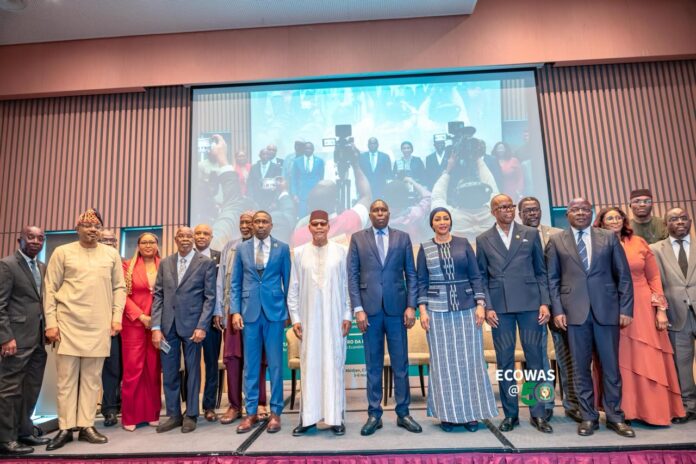
Regional Stakeholders Gather to Define a Renewed Trajectory for Trade, Economic Integration and Sustainable Development in West Africa

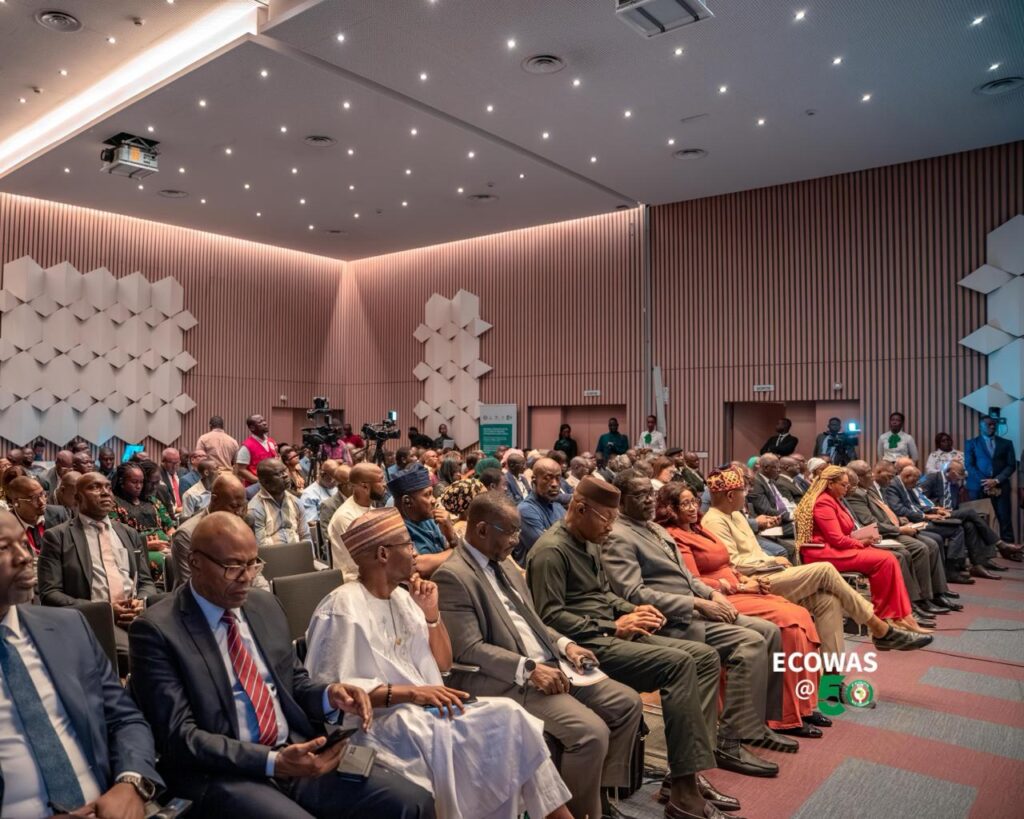
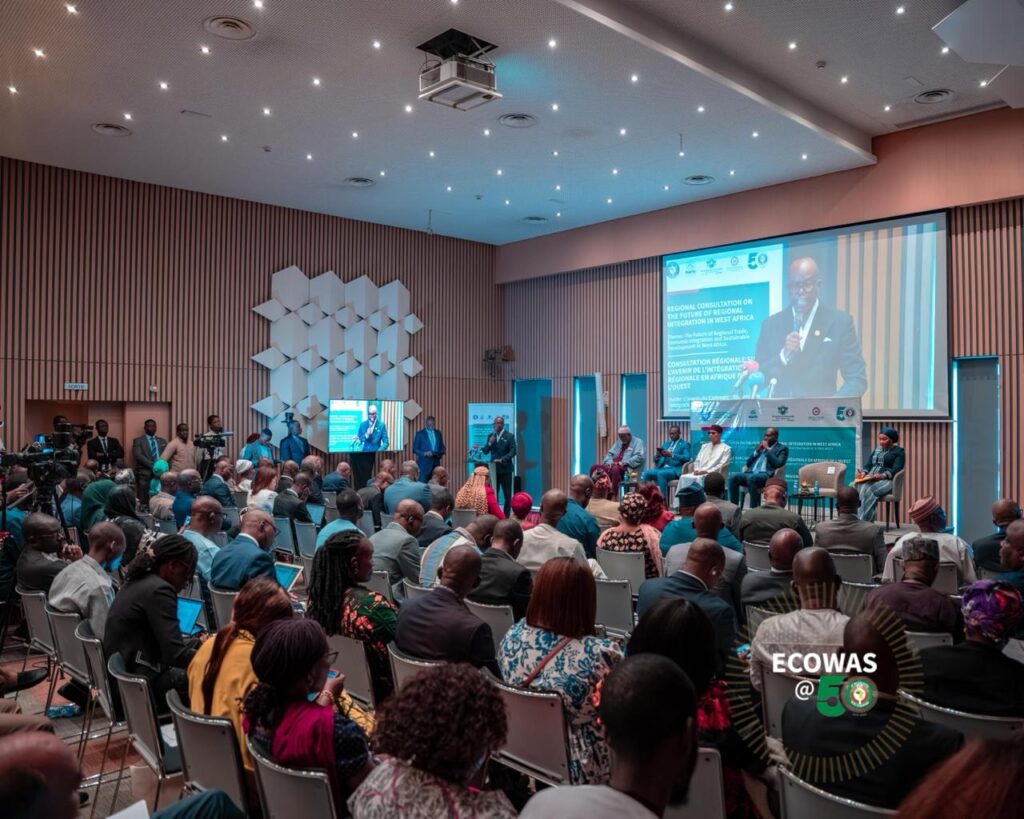
ABUJA, Nigeria, March 4, 2026/ —  From 3 to 6 March 2026, the Republic of Côte d’Ivoire is hosting a regional consultation on the Future of Trade, Economic Integration and Sustainable Developmentin West Africa. Organized by the ECOWAS Commission, this meeting forms part of the preparatory process for the forthcoming Special Summit of Heads of State and Government on the future of the Community.

Since its establishment in 1975, ECOWAS has emerged as a cornerstone of African regional integration, notably through the promotion of the free movement of persons and goods, coordinated peace and security interventions, and the progressive harmonization of economic and sectoral policies. These achievements have significantly strengthened cooperation and solidarity among ECOWAS Member States.

However, evolving geopolitical dynamics, global economic disruptions, persistent security challenges, rapid digital transformation, and mounting climate pressures call for a comprehensive strategic reassessment of the Community’s integration agenda. In this context, renewed collective commitment and innovative policy responses are essential.

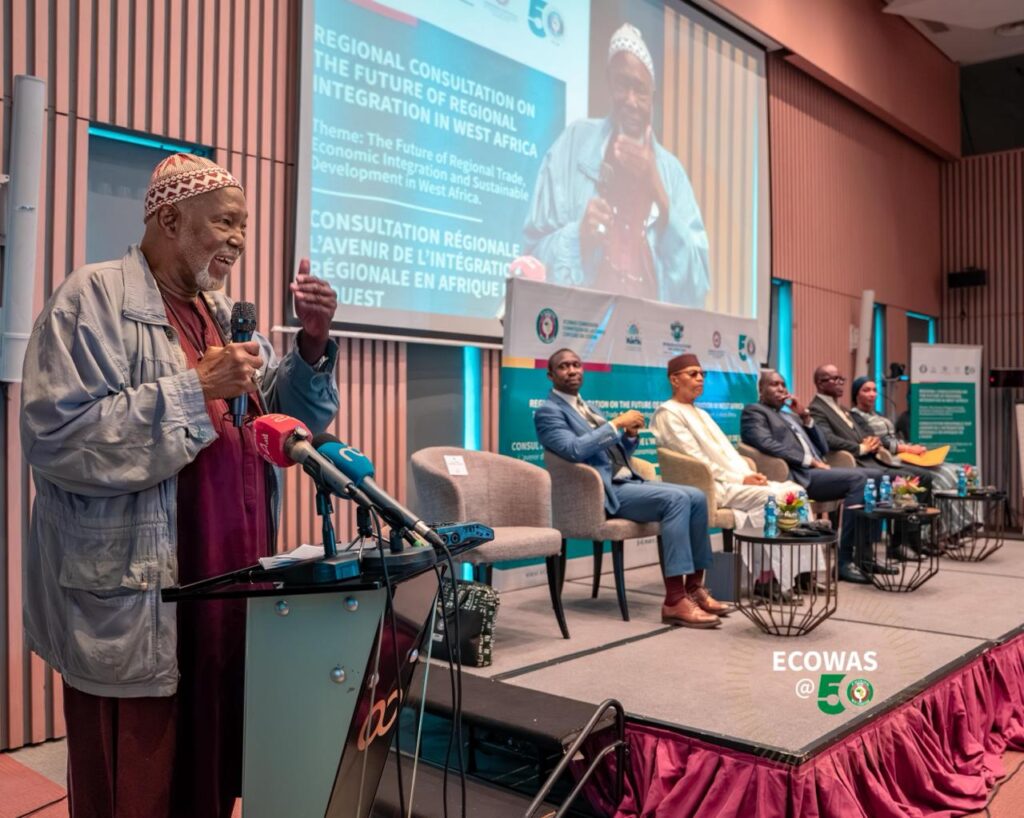
Held under the theme, “Future of Trade, Economic Integration and Sustainable Developmentin West Africa” the consultation provides an inclusive and forward-looking platform for dialogue on the current and emerging challenges facing regional integration in West Africa.

The official opening ceremony took place on Tuesday, 3 March 2026, in Abidjan. The opening address was delivered on behalf of the Government of Côte d’Ivoire by H.E. Adama Dosso, Deputy Minister to the Minister of State, Minister of Foreign Affairs and International Cooperation, in charge of African Integration and Ivorians Abroad.

Other distinguished speakers included Mr. Cassimir Migan, First Vice President of the Federation of West African Chamber of Commerce and Industry (FEWACCI), representing Mr. Faman Touré, President of the FEWACCI; Cheikh Mouhamady Cissokho, Honorary President of ROPPA; Honourable Adjaratou Traoré, Member of Parliament of Côte d’Ivoire and Second Vice-President of the ECOWAS Parliament, representing the Honourable Hadja Mémounatou Ibrahima, Speaker of the ECOWAS Parliament; Honorable Dr. Kalilou Sylla, Commissioner for Economic Affairs and Agriculture of the ECOWAS Commission; and Dr. Mohamed Ibn Chambas, Chair of the ECOWAS Trade Liberalization Scheme Task Force and former President of the ECOWAS Commission.

In his remarks, Dr. Kalilou Sylla emphasized that the consultation aims to initiate an in-depth and constructive debate on regional economic integration, and multilateralism in order to formulate responses aligned with the aspirations of present and future generations.

He noted that the meeting represents a decisive step toward building a people-centered ECOWAS founded on peace, shared prosperity, and inclusive and sustainable development.

At the heart of the discussions is the advancement of economic integration and sustainable development within an international environment marked by renewed protectionist policies, trade tensions, intensified competition for strategic minerals, the rapid rise of artificial intelligence and emerging technologies, as well as the challenges posed by climate change and demographic pressures.

Particular emphasis is placed on the inclusion of youth and women as essential drivers of transformation and regional resilience.

Despite notable progress, intraregional trade remains below 15 percent, reflecting the persistence of non-tariff barriers, infrastructure deficits, and continued dependence on primary commodity exports.

Participants will therefore examine practical measures to accelerate the effective implementation of the ECOWAS regional common market, in line with Vision 2050, which seeks to establish a fully integrated region supported by strong institutions that uphold fundamental rights and promote sustainable growth.

The consultation brings together key stakeholders from across West Africa, including representatives of national ministries responsible for regional integration, the organized private sector, regional professional associations, civil society organizations, and academia.

Deliberations are structured around plenary sessions and thematic working groups addressing the realization of the regional common market, the pathway toward a single regional currency, the strategic role of women and youth in a transforming global economy, and climate-smart agriculture as a pillar of food security and sovereignty.

In addition, a multi-stakeholder panel will provide an opportunity to share Côte d’Ivoire’s experience in regional integration and to explore forward-looking perspectives aimed at strengthening economic cooperation and sustainable development throughout the Community.

By Anthony Solly

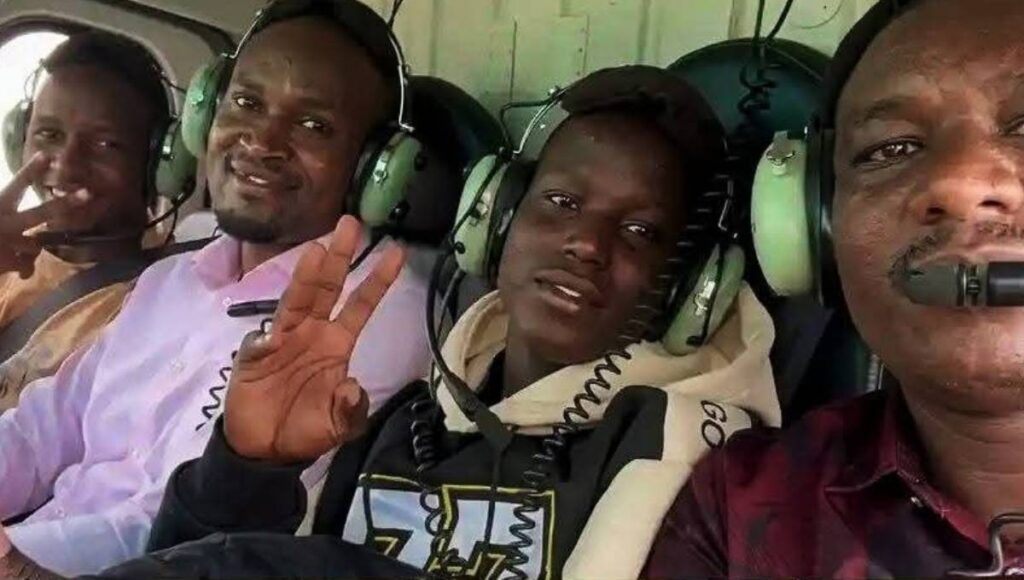
Who was Nick Kosgei? MP Johana Ng’eno’s videographer who unknowingly filmed his own final flight

Born in Bomet on 31 December 2001, Nick was an upcoming young Kenyan journalist who had recently risen to prominence in the field of media and public communication.

His talents behind the camera and his instinct for news made him a well-respected member of both his peers and audience on multiple platforms.

He unfortunately died at the young age of 24 in Mosop, Nandi County, when the helicopter he was travelling on with five other people crashed on 28 February 2026, while he was working as the official photographer for MP Johana Ng’eno.

At such an early age, Nick has exhibited leadership skills and passion.

He pursued his education at Koibeiyon Secondary School and completed it in 2018. He then joined Maseno University to further his education and graduated in 2023.

While at Maseno, he was actively involved in the activities of the university’s media and leadership. He was the SOMU editor and the leader of the best student magazine ever produced in Maseno for the year 2022/2023.

He was a News Anchor and a political show host at 98.1 Equator FM, actively shaping the discourse of the students at the university, as well as informing his peers.

His passion also led him to become the President of the Student Council in Bomet County, a position he held from 2017 to 2019, actively advocating for the rights of the students.

Media Career and Professional Growth

After his graduation, Nick’s media career took off.

In 2022, he worked with NTV Kenya, especially during the 2022 Election Coverage, in which his contributions assisted in explaining issues of politics and their implications to the public.

Additionally, he interned with KBC Channel 1 TV from July to December 2022.

By December 2023, Nick was employed by the Parliament of Kenya as a journalist until he died in 2026.

In his role, he worked closely with various members of Parliament and key figures in the reporting of major issues of interest in Parliament and in politics in general.

His role required technical knowledge of photography as well as of politics, which he handled professionally.

Tragic Final Assignment

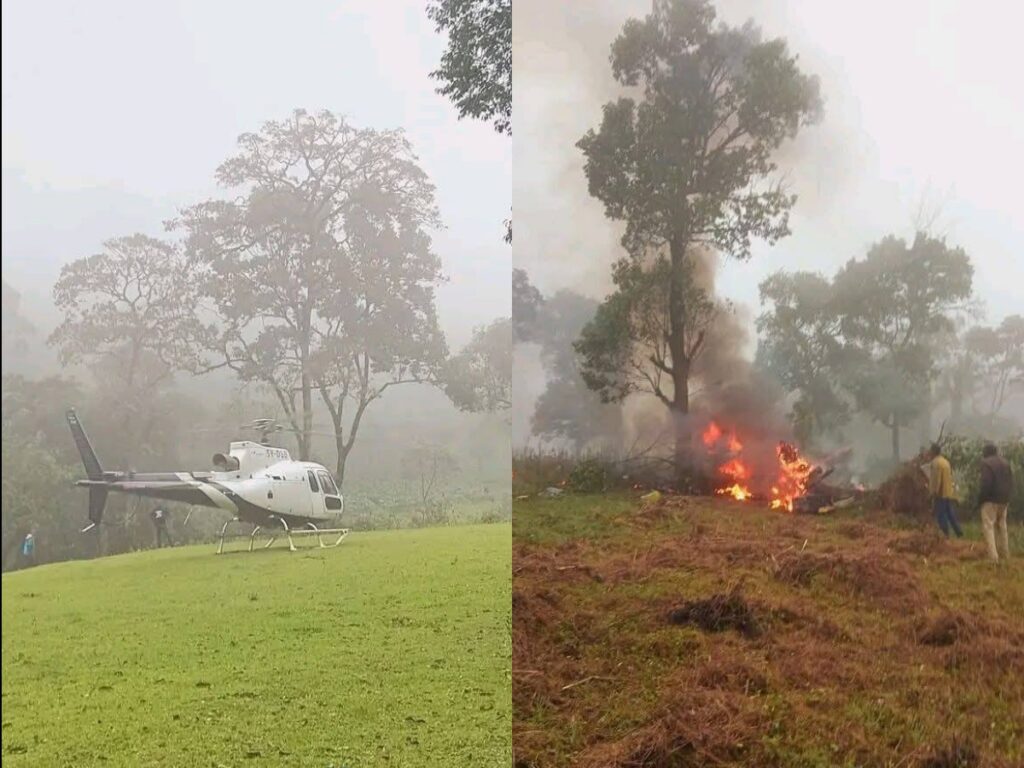
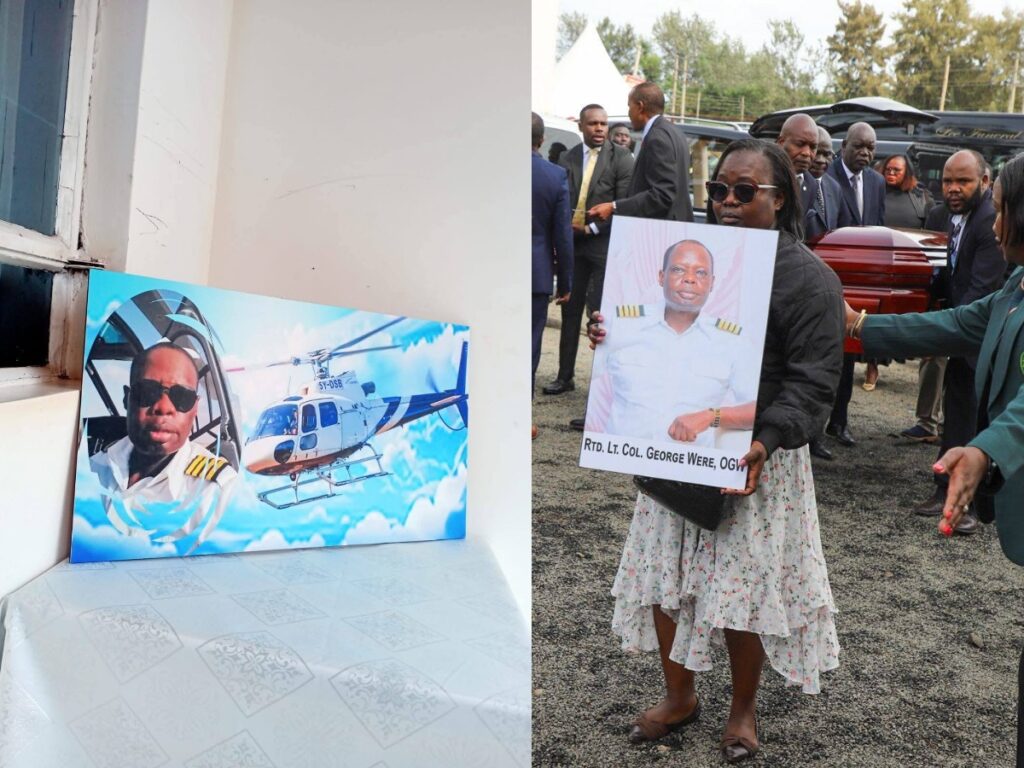
On 28 February 2026, an AS350 helicopter (registration 5Y-DSB) carrying Emurua Dikirr MP Johana Ng’eno and five others, including Nick, crashed in Chepkiep, Mosop Sub-County, Nandi County.

The craft was reported to have made an emergency landing due to bad weather before attempting to take off again, ultimately crashing around 4:30–4:45 pm, killing all six occupants.

This tragic news sent the nation into a state of shock, especially after the death of the three-term MP, Ng’eno, who was remembered for his efforts in housing policy development, as well as his contributions to the development of the community.

Nick was remembered for his efforts in telling the story, which mattered, as he impacted the Kenyan media scene at a young age.

Legacy of a Promising Journalist

The career of the promising journalist, although brief, is a reflection of the drive and dedication of a journalist who is passionate about his work and committed to the truth.

From community radio to the national legislative arena, the career of the promising journalist is a reflection of his relentless pursuit of excellence in his chosen profession, as his known slogans say, “Destiny is all”.

Kenya introduces World Health Organization (WHO) child development assessment tool in national health survey for the first time

NAIROBI, Kenya, March 4, 2026/ — For the first time, Kenya has measured how children under five are growing, learning, and developing as part of a major national health survey, a move that could reshape how the country designs and delivers support for its youngest citizens.

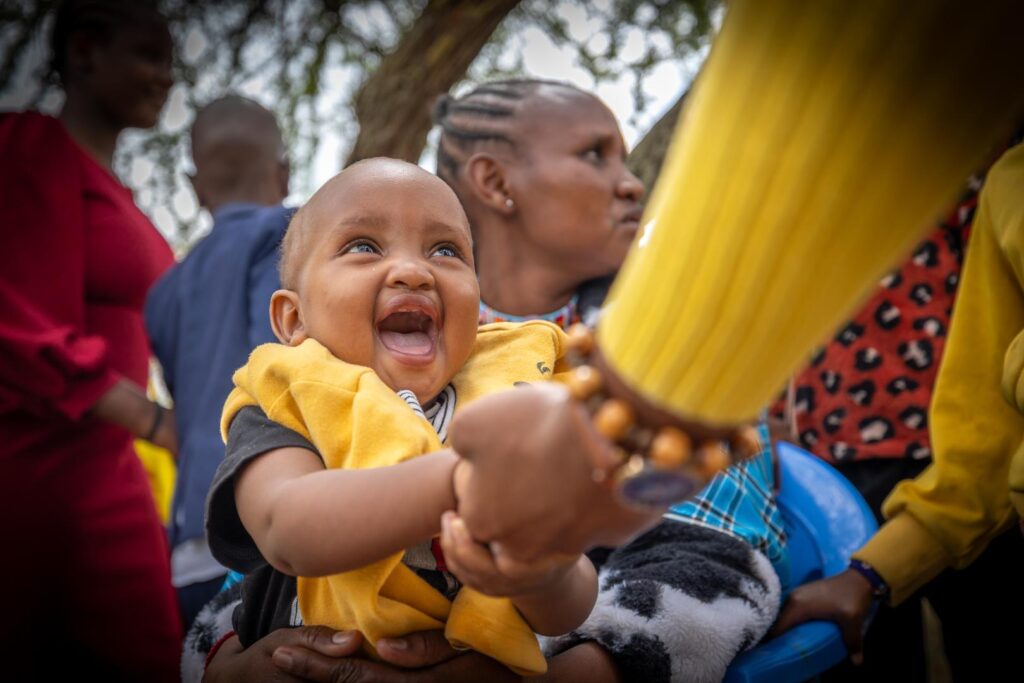
The early years of a child’s life are widely recognised as the most significant period of brain development. The quality of nurturing care a child receives during this time, including good health, adequate nutrition, safety and security, responsive caregiving, and opportunities for early learning, can shape children’s growth and help them reach their full potential.

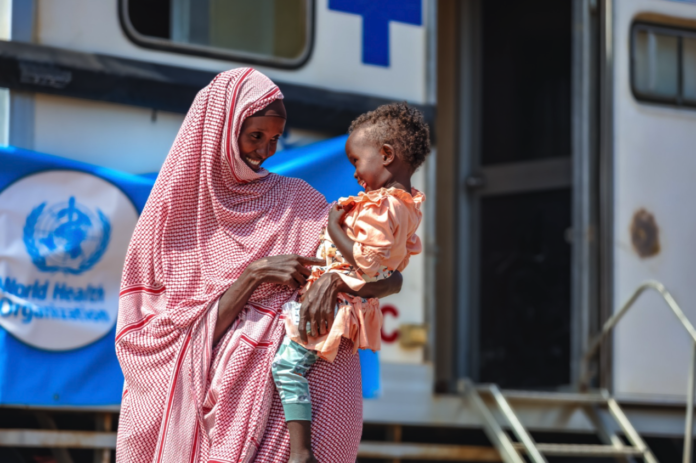
The Kenya National Bureau of Statistics completed data collection earlier this year across 30,000 households in 1,000 communities nationwide. Alongside established health indicators, the survey incorporated the World Health Organization’s Global Scales for Early Development (GSED), a tool specifically designed to assess the holistic development of children from birth to three years old, capturing not just physical health but also how children are thinking, communicating, and interacting with the world around them.  

The tool was adapted for the Kenyan context, translated into local languages, and delivered using simple, engaging picture cards. Alongside it, a complementary tool developed by UNICEF, the Early Childhood Development Index 2030, was also incorporated into the survey measuring the development of children from three to five years old. Together, the two tools provided comprehensive coverage of early childhood development from birth to five years old.

“Feedback from data collectors confirmed that mothers responded positively to the simple, engaging picture cards, creating a welcoming environment that supported effective data collection,” said Dr Makeba, WHO Kenya technical lead for child health.  

A key part of WHO’s contribution was building the capacity of the Kenya National Bureau of Statistics, the Ministry of Health, and partners through dedicated training on the WHO tool, enabling field teams to implement it successfully across all survey sites. The Kenya National Bureau of Statistics then took this training to the field, equipping 150 data collectors across all 47 counties.

The findings, once analysed, are expected to give Kenyan authorities a clearer picture than ever before of whether children are thriving and whether they are falling behind, and crucially, why.

The survey, formally known as the Kenya Mini Demographic and Health Survey 2025/26, was designed to provide an important health check between the Kenya Demographic and Health Survey 2022 and the next full national survey. It also gathered broader health data from women aged 15 to 49, covering maternal and child health, family planning, reproductive health, health insurance, and domestic violence.

Analysis of the results is now underway. The expectation is that the evidence gathered will directly inform national policies and spending decisions, giving planners the tools to direct resources where children need them most.

“WHO is proud to be part of this journey, and we look forward to seeing the final results and the opportunities they will create to improve the health and wellbeing of children across Kenya,” said Dr. Neema Rusibamayila Kimambo, WHO representative a.i. to Kenya.

By Anthony Solly

White Cap Announces Ksh45 million Sponsorship for WRC Safari Rally 2026

Nairobi, Monday, 2nd March, 2026: Kenya Breweries Limited (KBL), through its premium beer brand White Cap, has committed Ksh45 million in sponsorship towards this year’s World Rally Championship (WRC) Safari Rally.

For the sixth year in a row, the energy-filled event is set to take place from March 12th to 15th in Naivasha bringing together elite local and international rally drivers, reinforcing Kenya’s status as a global motorsport hub.

During the sponsorship unveil at the Tusker Brew House in Ruaraka, Whitecap was also named the Official Pouring Partner for the event.

Under the sponsorship, White Cap will be the Official Responsible Drinking Partner for the event, reinforcing its commitment to championing responsible enjoyment at social events.

The brand will redefine the fan experience at the spectator zones with a premium paddock-inspired area, drawing from the hospitality of iconic Formula 1 circuits. Set against the backdrop of the legendary Miti Mbili jump, fans will enjoy elevated viewing decks and exclusive zones designed for optimal comfort and excitement, with live on-screen coverage delivering every moment of the rally in thrilling detail.

Speaking at the announcement, KBL Managing Director Andrew Kilonzo reinstated the significance of hosting the Safari Rally to Kenya’s sporting landscape, adding that it matches with the country’s ambition to transform the sector from a traditional athletics powerhouse into a global, multi-sport, and commercialized hub by 2030.

“We have increased our sponsorship for the Safari Rally by Ksh25 million as a demonstration of our commitment to the sport and adventure for our consumers and fans of the rally. The increased investment will go towards WRC event logistics and the elevation of the overall village experience at the 2026 rally. We have all been witnesses of the impact the Safari Rally has had on our sporting landscape for decades. For four years in a row now, we have continued to play a part in this sport, capturing the imagination of fans as we indel our mark as a longstanding partner in the sports sphere in the country,” said Kilonzo.

Beyond sports, Kilonzo further highlighted KBL’s dedication to championing responsible drinking and environmental sustainability, stating that the company will leverage this partnership to promote its key corporate responsibility pillars.

“Our partnership is grounded in a strong sense of responsibility and purpose. As a responsible corporate citizen, KBL ensures that its support for sports extends far beyond entertainment. We are abusiness that is anchored on environmental sustainability, and the Safari Rally offers us an opportunity to champion environmental protection and water conservation to ensure it remains intact for future generations. In addition, while the spectators experience the thrill of the rally, we encourage everyone to prioritize their safety and embrace responsible enjoyment,”Kilonzo said.

WRC Safari Rally Kenya Representative Jerry Orode expressed gratitude to White Cap for their support, acknowledging the significant role sponsorship plays in the success of the event.

“For the history of Safari Rally event, it has always captured the soul, passion and energy of millions of Kenyan spectators and those who travel far to come enjoy the thrill. As organizers, we are committed to delivering exceptional experience to all, as usual. KBL has always played a critical role in our sports, and this sponsorship will go a long way to boost the delivery of the event,” he said.

For the first time since the return of the Safari Rally, spectators will get a chance to watch the event shake down during the 2026 edition where the competitors will tackle 20 special stages covering around 350 competitive kilometers of some of the most iconic and punishing terrain in world rallying. 

“This year is different because the shakedown has shifted to Naivasha, giving fans an array of spots to access the rally stages. Thanks to the new location at Nawisa, right next to the service park in Naivasha, rally enthusiasts can come and watch the cars as they prepare for the competition. This is a historic moment for our fans here in Kenya and for the global rally audience watching on live.”

My clarion call to all attendees is to obey traffic marshals and ensure they are responsible for their own safety,” Oreode added

By Anthony Solly

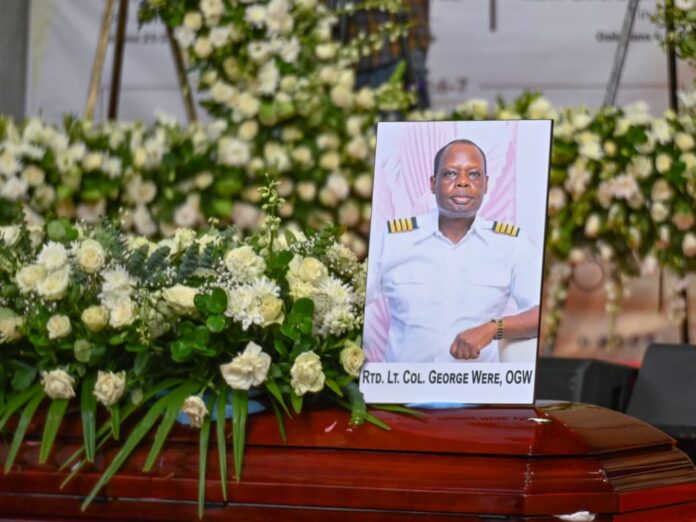
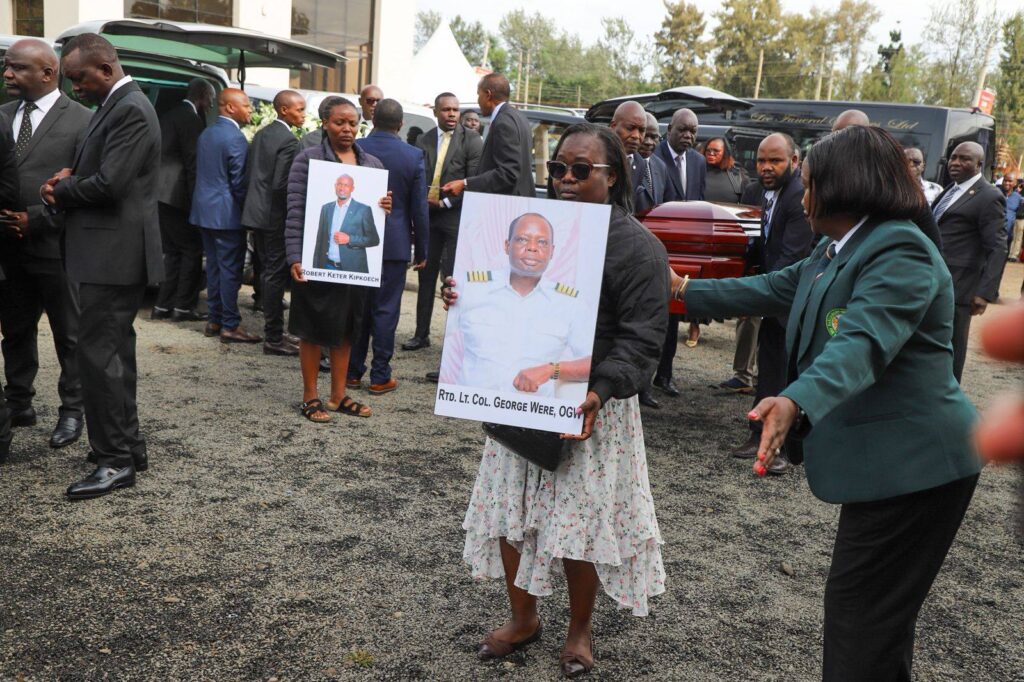
Who Was George Were? High-Profile Pilot Who Flew Johana Ng’eno Before Crash

George Were, a highly experienced 65-year-old retired military aviator and one of the most respected civilian helicopter pilots at Wilson Airport in Nairobi, lost his life on February 28, 2026, when the helicopter he was flying crashed and burst into flames in Mosop, Nandi County.

 Background of George Were

George Were was born and brought up in Kabienge village in Nyakach, Kisumu County. He grew up in a military family. His father, the late Major Were Oyaro, was a respected officer in the Kenyan military, and this strongly influenced George’s decision to join the armed forces and become a pilot.

As the firstborn, George naturally took on a leadership role at home. He guided and supported his siblings and extended family, providing stability and encouragement throughout their lives.

The family spokesperson, Francis Were, described him as disciplined, devoted, caring, dependable, community-oriented, easy to befriend, and someone who avoided unnecessary conflicts while living a life centered on service and family.

Career

George began his career in the Kenya Air Force, where he rose through the ranks to the rank of Lieutenant Colonel.

He served as a Captain in various aviation roles. His colleagues described him as an excellent military pilot, calm, highly skilled, and brave, saying he handled dangerous missions and tough situations with confidence and professionalism.

After leaving the military, George moved to civilian flying and became known as one of the best and most trusted helicopter pilots at Wilson Airport in Nairobi. With more than 40 years of experience in flying and maintaining helicopters, he logged over 4,000 flight hours.

People knew him for his professionalism, discipline, patience, and sense of humor. He was warm, dependable, and handled long, tiring flights across Kenya’s tough terrain and unpredictable weather with great skill.

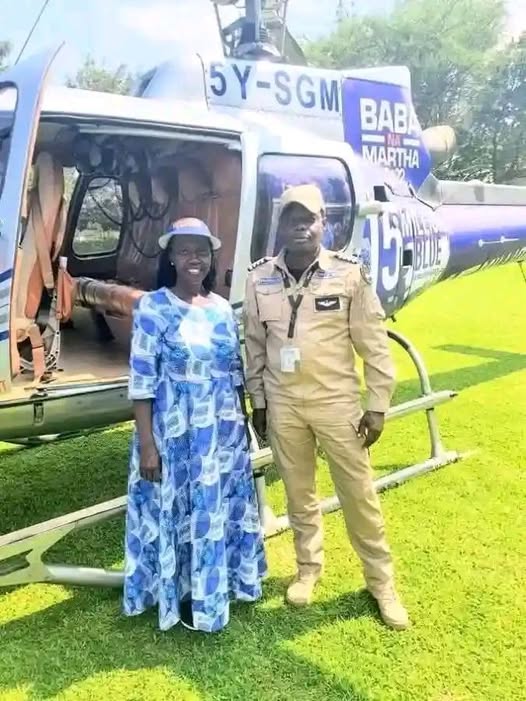
He also flew important missions, including serving as Martha Karua’s pilot during the 2022 Azimio la Umoja campaign, where he was praised for his commitment and calm nature.

In her heartfelt tribute following the crash, Martha Karua recalled how George flew her across the country through exhausting days and challenging routes, always offering encouraging words and a rare personal warmth that left a lasting impression on everyone he worked with.

“George was my assigned pilot during the 2022 Azimio presidential campaign. He flew me across this country through long days, difficult terrain, and demanding schedules. George was patient and expressed Karua’s heartfelt condolences. She added,”to his family, George brought something rare to his work, a warmth that stayed with you long after you landed. That is a rare gift. All those who had the privilege of knowing him will remember him.”

Tragically, George Were was only months away from full retirement, scheduled for September 2026, after decades of dedicated service to the nation in both military and civilian roles.

George’s Legacy

George Were’s death came just months before he was set to retire, leaving his family and the entire Nyakach community deeply heartbroken.

Francis said it was extremely painful to lose him just when he was about to finally rest after many years of work, urging the authorities to carry out a thorough and honest investigation to determine exactly what caused the crash.

George was known as a quiet, hardworking, and skilled pilot who treated people with kindness.

On February 28, the helicopter left Wilson Airport at about 11:04 a.m. for several stops related to the MP’s duties.

Later in the day, bad weather, heavy rain, mist, and poor visibility forced the pilot to make an emergency landing in Tabolwa at around 4:20 p.m. Shortly after, the helicopter took off again but flew very low, hit trees, and crashed at around 4:45 p.m.

All six people on board died in the accident.

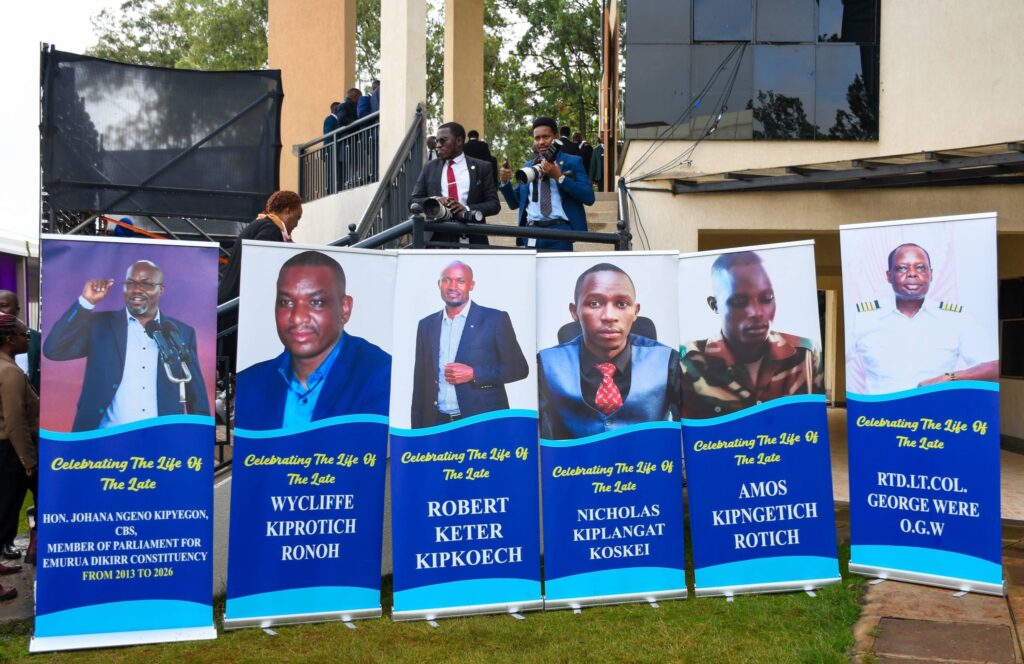
They were Emurua Dikirr Member of Parliament Johana Kipyegon Ng’eno, KFS ranger and bodyguard Amos Kipngetich Rotich, photographer and journalist Nick Kosgei, teacher Robert Kipkoech Keter, and Narok County protocol officer Wycliffe Kiprotich Rono.

CS Murkomen explains why Johanna Ng’eno was an underrated leader

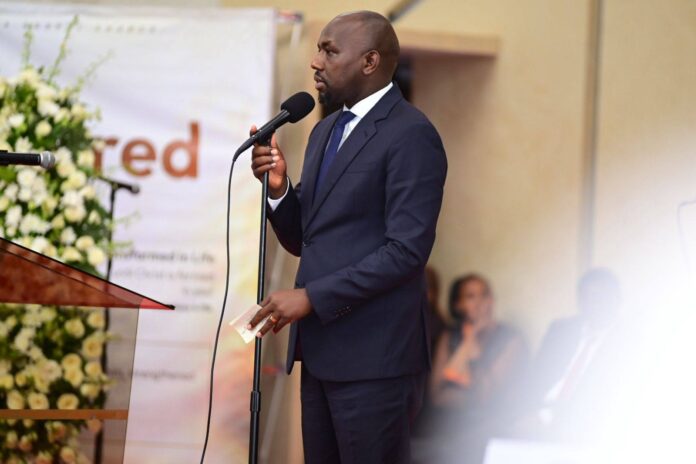
Interior Cabinet Secretary Kipchumba Murkomen has come out to state that the late Emurua Dikir MP Johanna Ng’eno was an extremely underrated leader.

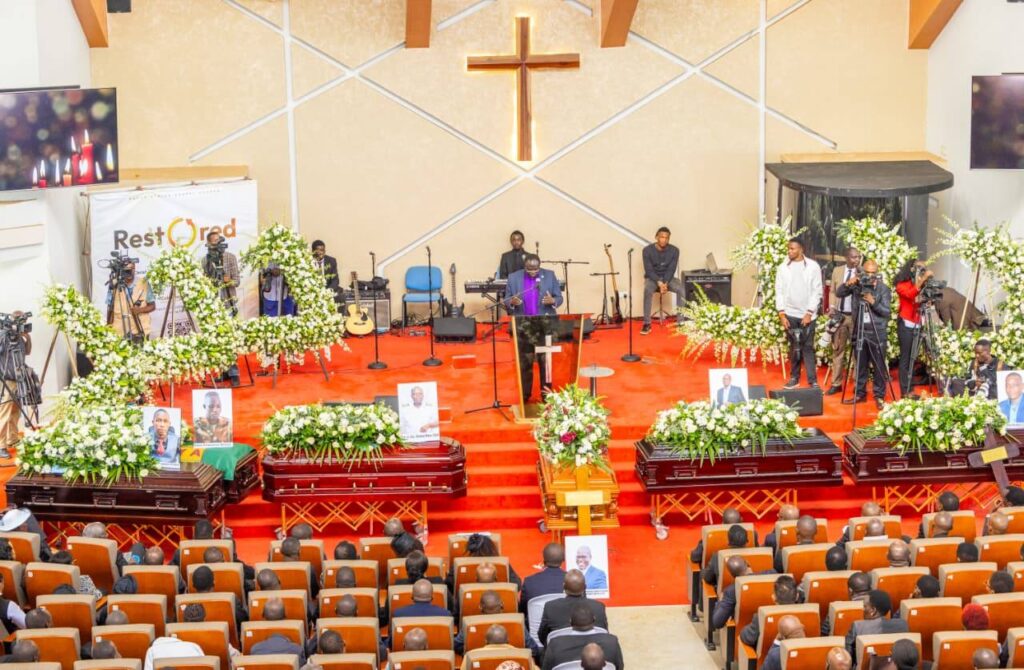
Speaking during the requiem mass at the African Gospel Church in Karen on Wednesday, March 4, 2026, he stated that it only took sitting down with the late MP for one to realise how resourceful he was.

He explained that Ng’eno’s style of politics and his close engagement with the Emurua Dikir community led many to underestimate the self-declared Kipsigis kingpin and overlook his academic credentials and the depth of intellect he had.

Murkomen added that, for a person who studied at Maseno School, earned his first degree outside the country, completed a second degree locally, and pursued a master’s degree in the country, many never focused on this side of him.

According to Murkomen, the late MP never flaunted his academic achievements but addressed matters in a manner that resonated deeply with Emurua Dikir constituents. Something that made many think that he had a low understanding of issues.

“The more I stayed at Ng’eno, the more I realised he was an extremely underrated leader, for a person who went to Maseno School and did his first degree outside the country in Kief and then had a second degree here,” Murkomen stated.

“He was the kind of person who all of us assumed that because of his side of politics, and the way he mingled with the people in emurua dikir, and the way he never threw his card of achievements all over, we actually underrated his intellect and his capability.”

He continued to state that it is only after one has sat down with him that one could truly appreciate the level of intellect, knowledge, and understanding of issues that the late MP possessed.

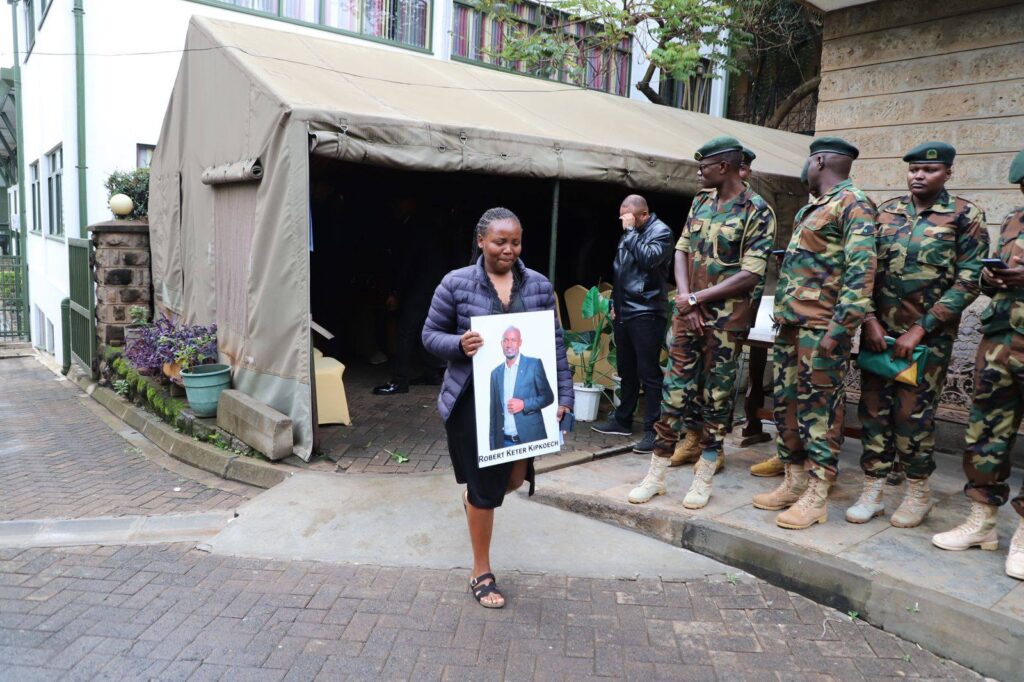
The requiem mass for the six victims was held in Nairobi. Ng’eno’s body is set to be ferried to his home on Thursday, March 5, 2026, for a night vigil ahead of his burial the following day.

Johana Ng'eno during a past event. PHOTO/https://www.facebook.com/Ngong Ngeno Ole Kisiara
The late Johana Ng’eno during a past event. PHOTO/https://www.facebook.com/Ngong Ngeno Ole Kisiara

The body of another victim, SportPesa’s Rono, will also be ferried alongside the late lawmaker for a night vigil in their respective homes, with a joint mass to follow the next day.

The bodies of the remaining casualties will be ferried directly to the funeral scene on Friday, March 6, 2026, without night vigils, as they were unmarried.

Narok Governor Patrick Ole Ntuntu, who is also a relative of the late MP, stated that he will cover the funeral costs for Ng’eno and the other five victims.

Johanna Ng’eno was serving his third term in Parliament before the tragedy and had served on various committees, most notably the Housing and Public Works Committee, where he oversaw the implementation of the Affordable Housing Program.

Wetang’ula reveals advice he offered to MP Johanna Ng’eno on plans of being Kipsigis kingpin

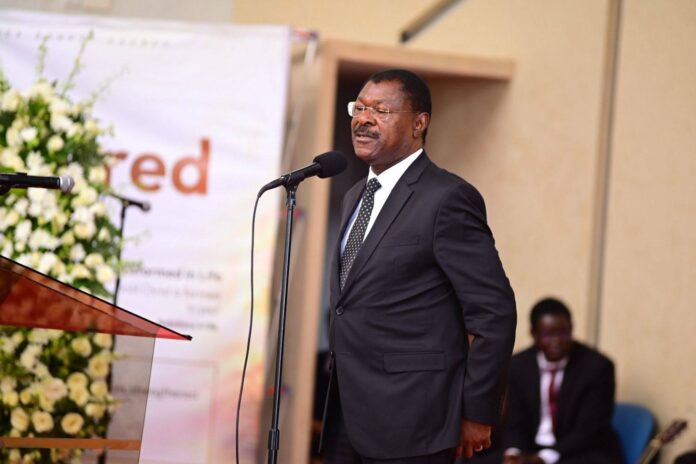
National Assembly Speaker Moses Wetang’ula has recalled the advice he gave to the late Emurua Dikirr MP Johanna Ng’eno after Ng’eno confided in him about his endorsement by the Kipsigis community to be their kingpin.

Speaking during the requiem mass of the late MP at AGC Church in Karen, Nairobi, on Wednesday, March 4, 2026, Wetang’ula stated that at one point, the late MP approached him, saying that his Kipsigis community wanted him to be their spokesman and kingpin.

Wetang’ula added that, during lighter moments between them, he advised Ng’eno first to consult Kericho Senator Aaron Cheruiyot, who is also a Kipsigis and a regional leader, along with other local leaders in the area.

Ng’eno aliniambia watu wa Kipsigis wanataka akuwe kingpin wao, nikamuambia aende aongee na Aaron Cheruiyot,” Wetangula said.

The late Johanna Ng’eno met his death in a tragic plane crash that claimed his life along with five others in the Mosop area. The pilot, identified as George Were, attempted to fly through invisible weather, with the plane crashing shortly after an emergency landing attempt.

Before his death, Ng’eno had established himself as the kingpin of the Kipsigis community, which is spread across Kericho, Bomet, and parts of Narok. This position saw him arrested on several occasions as he defended his locals, particularly on land matters that had long affected the region.

The requiem mass for the six victims was held in Nairobi. Ng’eno’s body is set to be ferried to his home on Thursday, March 5, 2026, for a night vigil ahead of his burial the following day.

The body of another victim, SportPesa’s Rono, will also be ferried alongside the late lawmaker for a night vigil in their respective homes, with a joint mass to follow the next day.

The bodies of the remaining casualties will be ferried directly to the funeral scene on Friday, March 6, 2026, without night vigils, as they were unmarried.

Narok Governor Patrick Ole Ntuntu, who is also a relative of the late MP, stated that he will cover the funeral costs for Ng’eno and the other five victims.

Johanna Ng’eno was serving his third term in Parliament before the tragedy and had served on various committees, most notably the Housing and Public Works Committee, where he oversaw the implementation of the Affordable Housing Program.

Create a free account, or log in.

Gain access to read this content, plus limited free content.

Yes! I would like to receive new content and updates.

Sponsored Ad

Ad 1
Ad 2
Ad 3
Ad 4
Ad 5
Ad 6