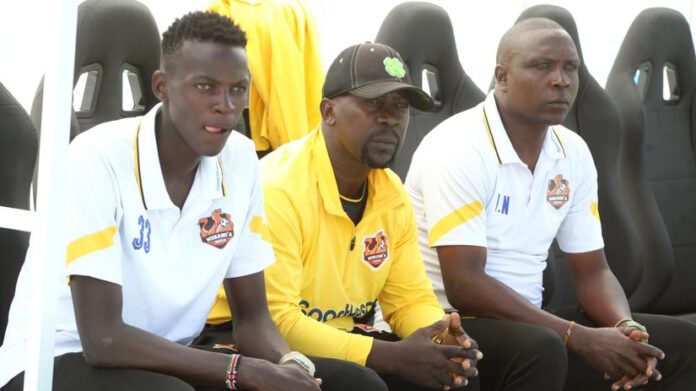
After a successful season which saw them gain promotion to the Football Kenya Federation Premier League (FKFPL) for the first time, Murang’a Seal FC assembled at Mumbi Catholic Church, Murang’a on Monday for a Thanksgiving Mass.
“God above everything,” the team proclaimed.
SEAL, an acronym for Sports Excellence Academy Limited, had a great run in the just ended National Super League (NSL) – finishing second behind champions Shabana FC.
Both sides gained promotion to the top tier set to begin in August for the 2023-24 season.
“We took time to thank God for his mercies and protection throughout the season. We went to Mumbi Catholic Church, Murang’a today to proclaim that we have seen the hand of God.”
SEAL would have tasted Premier League action last season, but management confusion in Kenyan football saw them miss the opportunity after the disputed 2021-22 season, run by government appointed Caretaker Committee was scrapped.
Founded by Robert Macharia, a lawyer who was inspired after attending a Premier League match between Manchester City and Arsenal in England and after visiting Southampton FC famous football academy, ambitious SEAL is already planning for life on the table of men.
The St. Sebastian Park club are expected to let go of up to ten players with coach Vincent Nyaberi looking to create a competitive squad for their FKFPL debut.
Players whose contracts with the team came to an end in June were not offered extensions while others will be put up for sale or involved in swap deals.
Right back Gedion Were, former Tusker Youth player Cetric Atsango, John Mwangi, Alvin Odoyo, creative midfielder Erick Sinje and Henry Omollo have been released from the club upon expiry of their contracts.
SEAL will begin their season with a potential thriller against Police FC on Sunday, 27th August 2023.
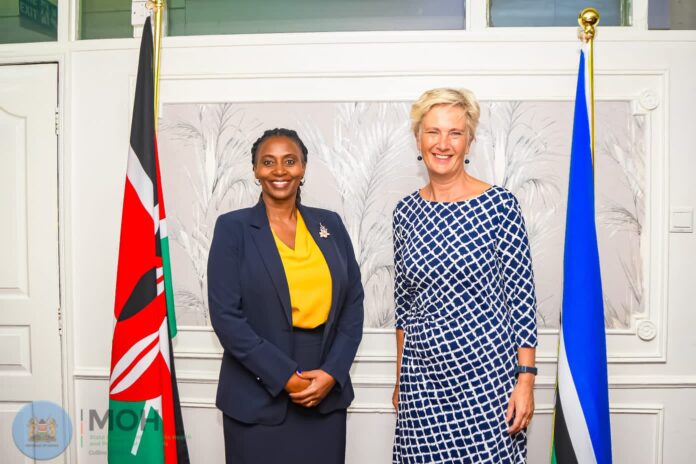
Principal Secretary Mary Muthoni held a productive meeting with the Ambassador of Sweden to Kenya, H.E Caroline Vicini.
The discussions centered around exploring collaborations throughout the entire cancer management value chain.
Focus areas included raising awareness of cancer, developing screening programmes, and improving treatment options.
Through substantial investments in the field, the Kenyan government has demonstrated its dedication to improving cancer prevention, treatment, and management services.
The Ministry of Health is actively looking for strategic collaborations as part of its ongoing efforts to guarantee affordable and top-notch cancer services for all citizens.
Swedish pharmaceutical firms AstraZeneca and Elekta have already been helpful partners to the Ministry of Health, aiding cancer treatment and vaccination distribution.
Also in order to advance the Universal Health Coverage (UHC) goal, the Principal Secretary emphasized that the government intends to take advantage of these current relationships.
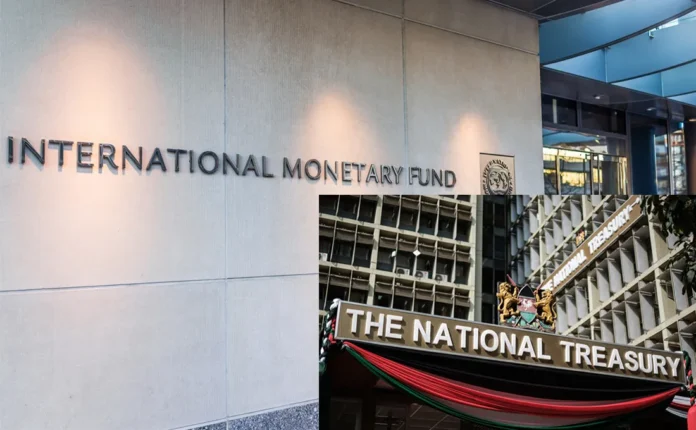
The International Monetary Fund’s executive board on Monday signed off on nearly $1 billion (the equivalent of Ksh.141.4 billion) in new funding for Kenya that could ease pressure on government finances in East Africa’s largest economy, the global lender said in a statement.
The IMF said the board completed the fifth reviews under Kenya’s Extended Fund Facility and Extended Credit Facility, allowing for an immediate disbursement of about $415.4 million (Ksh.58.57B), and extended those arrangements to 48 months from 38 to give Kenya more time to implement reforms.
It also approved a new 20-month arrangement under the IMF’s Resilience and Sustainability worth about $551.4 million (Ksh.77.96B) that will support Kenya’s climate resilience efforts.
The IMF said Kenya had made good progress in implementing economic reforms despite facing the worst drought in decades, as well as a challenging external environment.
IMF Deputy Managing Directory Antoinette Sayeh said Monday’s actions would allow Kenyan authorities to continue to address such challenges, sustain market confidence, promote growth, and advance ongoing reforms.
She said approval of Kenya’s fiscal 2023-2024 budget and the 2023 Finance Act were “crucial steps” needed to support ongoing consolidation efforts and reduce debt vulnerabilities while protecting social and development expenditures.
Tighter financing conditions also required a “prudent debt policy” and continued efforts to prioritize concessional loans, she said.
1$ has been equated to Ksh.141.4 according to exchange rates on July 18, 2023.
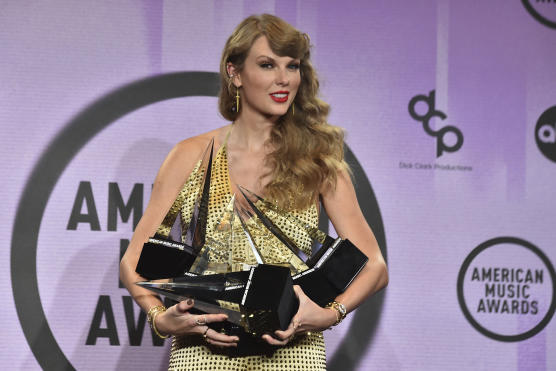
Taylor Swift poses in the press room with the awards for artist of the year, favorite music video for "All Too Well: The Short Film," favorite female pop artist, favorite pop album for "Red (Taylor's Version)," favorite female country artist and favorite country album for "Red (Taylor's Version)" at the American Music Awards on Sunday, Nov. 20, 2022, at the Microsoft Theater in Los Angeles. (Photo by Jordan Strauss/Invision/AP)
Taylor Swift now has more number one albums than any other female artist in history following the recent release of “Speak Now (Taylor’s Version),” Billboard said Monday.
The record debuted at the top of the Billboard charts, becoming the pop queen’s 12th number one album and surpassing Barbra Streisand for the most among women.
For male performers, Jay-Z and the Beatles both have over a dozen number one albums, though Billboard notes it has changed its album ranking system over the decades to include anthologies.
Swift, 33, has also become the first living artist in nearly 60 years to have four albums in the top 10 at the same time, the organization added.
They include “Midnights,” “Lover” and “Folklore.”
Billboard said Swift had also become the first living artist to have 11 albums in the top 200 simultaneously.
Swift’s record-breaking feats come as she performs many of her best hits on the fan-frenzied “Eras” tour.
The 106-date stadium concert series kicked off in March and is within striking distance of becoming the first billion-dollar tour.
“Speak Now” was originally released in 2010. Swift has vowed to re-record her first six albums so she can control their rights — a process she was contractually allowed to begin in November 2020.
She has also re-recorded “Fearless” and “Red.”
Last October, Swift became the first artist ever to simultaneously nab all 10 spots on the top US song chart after the release of her tenth studio album “Midnights.”
A small plane crashed into a hangar at an airfield near Warsaw on Monday, killing five people, officials said.
Rescuers said three people were aboard the plane when it collided with the corrugated iron hangar, where 13 people were sheltering from a storm.
“Five people died and eight others were injured, two of them seriously,” said Warsaw police spokesman Sylwester Marczak, adding that the pilot was among the dead.
The plane came down in the village of Chrcynno, 47 kilometres (29 miles) from Warsaw, at a small airport known for parachute jump training.
The Cessna aircraft had been adapted to carry parachutists.
The local fire department posted a photo on Facebook showing the tail of the plane sticking out of the hangar.
Marczak said police were alerted shortly after 1730 GMT and would launch an investigation.
A pilot of a small plane suffered a medical emergency in the air, prompting a passenger to take over controls and make a crash landing with no landing gear at Martha’s Vineyard Airport, authorities said.
Police say the woman, 68, suffered minor injuries, and the man was extricated from the plane and flown to a Boston hospital in serious, life-threatening condition.
The Federal Aviation Administration and National Transportation Safety Board are investigating the incident, the FAA said in a statement to CNN.
To witness Lionel Messi make his US debut might require a payday as big as his.
Tickets for his expected first match on Friday for Inter Miami in the Leagues Cup are selling for as much as Ksh.15.6 million ($110,000), according to a search on ticket reselling website Vivid Seats. That’s one of the most expensive ticket prices ever recorded for a MLS team.
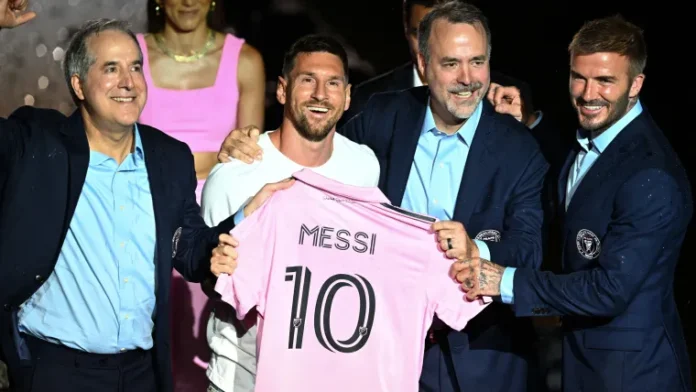
Prices for some seats soared after the soccer superstar officially signed with the Major League Soccer team on Saturday in a deal reported to be worth between $50 to $60 million per year.
Still, there are much cheaper options available for Friday’s game. The average price is $487 (Ksh.69,000), and some fans are travelling nearly 700 miles (1126 kilometres) to see the match against Mexican team Cruz Azul, a Vivid Seats spokesperson said. Tickets to last year’s League Cup match between Inter Miami and FC Barcelona cost about half of that.
Prices for Messi’s MLS debut on August 20 against Charlotte are averaging $288, according to Vivid Seats, surging nearly 900% since early June when speculation began that Messi was coming to the US. Ticket prices overall for Inter Miami, currently dead last in the standings, have also jumped about 700% since then.
Messi, 36, is one of the most decorated athletes ever, winning the prestigious Ballon d’Or award seven times and was part of the World Cup-winning Argentinian side last year. His deal includes an option for part-ownership of the club and a cut of the revenue from new subscribers to Apple TV’s MLS Season Pass streaming service, according to multiple reports.
In an unveiling event Sunday, Messi said he’s “very excited” to be in Miami. “I come here with the same desire to compete, desire to win and help the club to continue to grow,” he told a packed stadium.
“Messi mania” extends beyond the field, too.
Hard Rock Cafe unveiled last week the “Messi Chicken Sandwich,” which is a crispy Milanese-style fried chicken breast that’s topped with melted provolone. The sandwich is now on sale at its hotels and restaurants.
Tanzania is among five African countries that have committed to ending AIDS by 2030, the country’s health minister, Ms Ummy Mwalimu, has said.
She said that 96 percent of Tanzanians living with HIV infection are aware of their health condition.
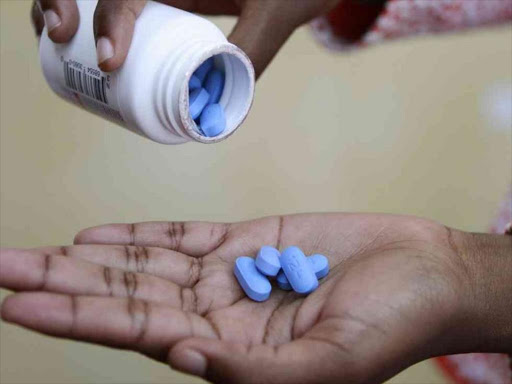
The minister said that 98 percent of people living with HIV in the country attend treatment and care centers for the use of antiretroviral drugs (ARVs), and 97 percent of people who use ARVs have improved conditions.
The minister mentioned the four factors that contribute to reaching that point: political will, good and sustainable cooperation among local and foreign stakeholders, including GlobalFund, PEPFAR, UNAIDS, and WHO.
She also mentioned the improvement in the effectiveness of HIV services and the presence of strong systems for monitoring and evaluating the progress of the AIDS response as contributing factors to this success. According to UNAIDS, the countries of Botswana, Eswatini, Rwanda, Tanzania, and Zimbabwe have reached the goal of ’95-95-95′ targets for ending AIDS by 2030.
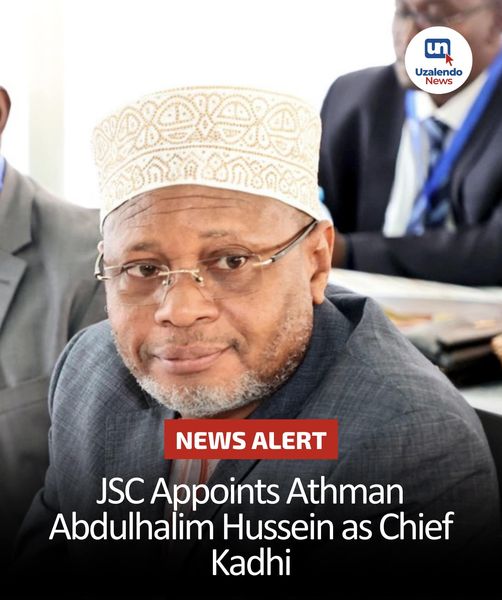
Chief Justice Martha Koome announced that the Judicial Service Commission (JSC) has appointed Athman Abdulhalim Hussein as the new Chief Kadhi of the Republic of Kenya.
The decision was made following interviews conducted with the five shortlisted candidates.
CJ Koome stated, “Following deliberations and careful consideration of the various candidates, JSC has appointed Athman Abdulhalim Hussein as the new Chief Kadhi of the Republic of Kenya.”
Athman Abdulhalim Hussein, the former Kadhi of the Nairobi region, will assume the prestigious role, previously held by Ahmed Muhdha.
The JSC had shortlisted Sukyan Hassan Omar, Idris Nyamagosa Nyaboga, Athman Abdulhalim Hussein, Kutwaa Mohamed Abdalla, and Omari Hassan Kinyua for the position, which had been advertised on 14 April 2023.
The Chief Kadhi position now holds the same status as that of a chief magistrate under the revised policy of the Judicial Service Commission scheme of service.
The permanent and pensionable position offers benefits such as housing and commuting allowances, medical insurance, and leave.
Critics of previous appointments have urged the JSC to ensure wider consultation with all Muslim groups in order to break the tradition of selecting individuals solely from one region.
They emphasize the importance of providing a fair chance to all Muslims across the country for the position of Chief Kadhi.
Established under Article 170 of the Constitution, the Kadhi Courts have jurisdiction limited to matters pertaining to Muslim law concerning personal status, marriage, divorce, or inheritance, where all parties involved profess the Islamic faith and submit to the court’s authority.
In the latest sign of rising homophobia in different African countries, a Kenyan opposition MP is leading a campaign for parliament to further criminalise the country’s small LGBTQ community.
George Peter Kaluma’s move comes after neighbouring Uganda adopted a tough new anti-gay law, rejecting threats by US President Joe Biden to impose sanctions and travel restrictions on “anyone involved in serious human rights abuses”.
When I met Mr Kaluma – a member of veteran Kenyan opposition politician Raila Odinga’s Orange Democratic Movement – he was sitting behind his desk at his office in the capital Nairobi, proof-reading and making corrections to a bill that he intends to table in parliament soon.
“We want to prohibit everything to do with homosexuality,” Mr Kaluma tells me, adding that his bill will be much broader than the legislation passed by Uganda’s parliament and approved by President Yoweri Museveni in May.
It proposes life imprisonment for anyone convicted of homosexuality, and the death penalty for so-called aggravated cases, which include having gay sex with someone below the age of 18 or where someone becomes infected with a life-long illness such as HIV.
On the other side of the continent, MPs in Ghana earlier this month unanimously voted in favour of amendments to the country’s anti-gay legislation, pushing it closer to being enacted into law. Though less harsh than Uganda’s new law, the Promotion of Proper Human Sexual Rights and Ghanaian Family Values Bill proposes a three-year prison sentence for anyone who identifies as LGBTQ and a 10-year sentence for anyone who promotes homosexuality.
So why are different African countries proposing anti-LGBTQ measures at the same time? Some think that US evangelical groups may be playing a role by pushing their agenda on the continent.
In a trip that Mr Kaluma says was paid for by Kenya’s parliament, he attended a meeting of the newly created African Interparliamentary Forum on Family Values and Sovereignty held in Uganda in March.
Lawmakers, religious leaders and campaigners from more than 20 African states participated, sharing ideas on how to tackle what they see as threats to conservative religious and social values.
“The bill will propose a total ban on what the West calls sex-reassignment prescriptions and procedures, and prohibit all activities that promote homosexuality, in terms of… gay parades, drag shows, wearing the colours, the flags, the emblems of the LGBTQ group,” Mr Kaluma says.
Gay sex is already illegal in Kenya, but the government can also be tolerant of gay people – for example, it has given asylum to people from other African countries, including Uganda, who faced persecution in their home countries because of their sexual orientation.
Mr Kaluma tells me he wants their asylum to be revoked, and for them to leave Kenya.
At a small, hidden church set up to offer comfort and support to LGBTQ people in central Nairobi, the female pastor says Mr Kaluma’s bill is causing “a lot of panic, anxiety, fear”. The pastor and members of the church ask that we keep them anonymous because they say they have faced numerous security threats since it was established about 10 years ago.
She believes the proposed legislation will increase violence against them. “It gives power to anybody that would want to do something to the queers. It fuels some kind of violence that now people are planning but holding back on,” she tells me.
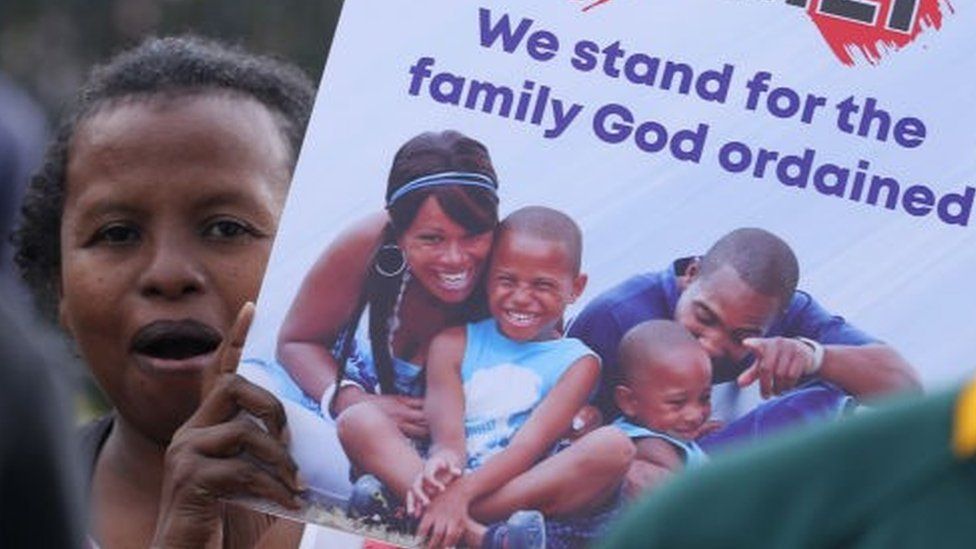
Image caption,Many Kenyans believe that gay rights are against their religion – whether Christian or Muslim
Although the meeting in Uganda was billed as an attempt to protect the “sovereignty” of African states, it was actually co-sponsored by an American Christian right-wing organisation, Family Watch International (FWI).
Dr Kapya Kaoma, a Zambian priest in the Anglican Church and an academic at Boston University in the US, says African countries are being targeted by FWI and similar US-based organisations, and that the impact of its lobbying has been “horrible and inhumane” in parts of Africa, fuelling what he calls “militant homophobia”.
“It is one thing to say: ‘I don’t agree with you being gay’, but we didn’t have the militant one, where politicians now are saying: ‘You go to jail for life, you go to jail for talking about being gay, you go to jail because you’re living with your fellow woman’,” Dr Kaoma says.
FWI’s Mormon founder Sharon Slater denies that the group promotes anti-gay laws in Africa.
“Family Watch opposes legislation that penalises a person for having sexual attractions or for how they identify,” she says in an emailed response to the BBC.
Mrs Slater addressed African lawmakers, clerics and campaigners at their forum in Uganda’s lakeside city of Entebbe in March, and later appeared in a group photo with President Museveni at his official residence.
For more than 20 years, Mrs Slater has lobbied governments on what she calls “family values” and has made it her mission to campaign against children and young people being given Comprehensive Sexuality Education (CSE), a curriculum-based sex education programme championed by the United Nations and other organisations.
She cites a United Nations Population Fund (UNFPA) manual for out-of-school youths in east and southern Africa, saying it promotes homosexuality and is too explicit.
“It desensitises children to sex,” she says.
Mrs Slater also quotes from the manual, including lines which say that facilitators of lessons should have “a neutral, accepting attitude towards homosexuality”.
When I contact Maria Bakaroudis, UNFPA’s CSE specialist for east and southern Africa, for comment, she says she is not keen to talk about the “opposition”, as she refers to FWI.
She adds that the manual is only a guideline, and each country can tailor it to suit their context.
Ms Bakaroudis defends CSE, saying it provides “life-saving information” to curb high rates of unintended pregnancies, HIV, and sexually transmitted diseases.
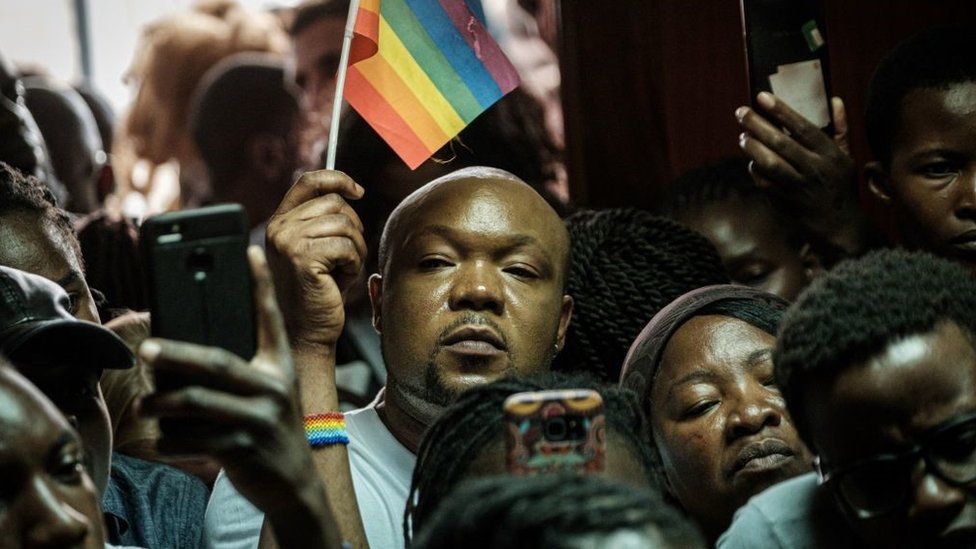
Image caption,Kenya’s LGBTQ community has been waging a long-running campaign to demand equal rights
Although Mr Kaluma attended the meeting in Uganda co-sponsored by FWI, he denies working with the group on his bill, which he says will propose a ban on teaching CSE saying it is part of the “LGBTQ agenda”.
“It’s being pushed by the West very hard, including in Kenya. We will be banning it completely in the bill, to allow us to have sex education, which is age, developmental, and culturally appropriate in our context,” he says.
Mr Kaluma argues that the “LGBTQ agenda” has become a “big industry, especially in the West” and, despite opposition to it from some of their own citizens, Western governments want to promote it in Africa.
The majority leader in Kenya’s lower parliamentary chamber, Kimani Ichung’wah, tells the BBC that the ruling Kenya Kwanza alliance does not have a position on Mr Kaluma’s proposed legislation but it will give its MPs a free vote if it is tabled.
Mr Kaluma is confident that the bill will become law, raising deep concern in Kenya’s LGBTQ community.
Some of the dozen or so people at the Nairobi church tell me that Mr Kaluma’s proposals are not just part of a political debate, but go to the core of their fight, simply to exist.
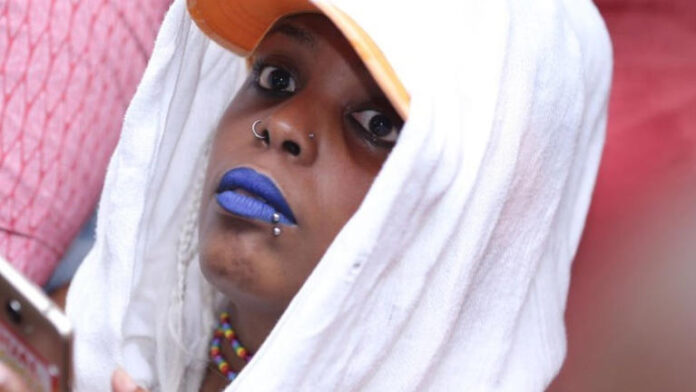
“I can’t reverse what I am. This is me. We are also human beings. We do our work. We pay the bills. We pay taxes, so they have to accept us,” one transgender woman says.