Sponsored Ad

Ad 1
Ad 2
Ad 3
Ad 4
Ad 5
Ad 6
27.3 C
Kenya
Sunday, May 24, 2026
Home Blog Page 9

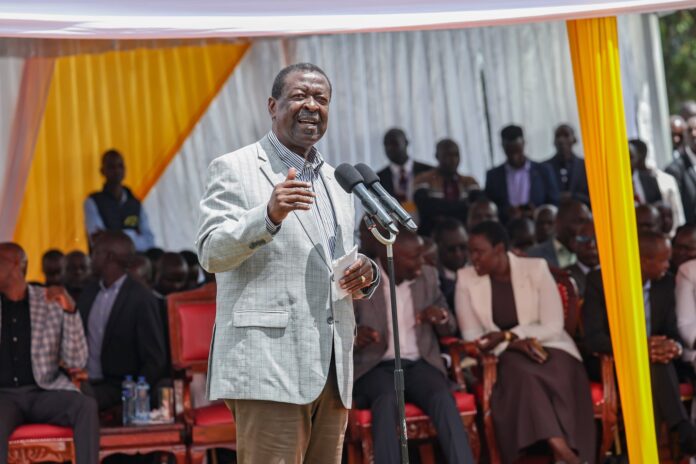
‘Prepare for tougher times ahead!’ Prime CS Mudavadi tells Kenyans

Kenyans should brace themselves for tougher economic times ahead, Prime Cabinet Secretary Musalia Mudavadi has warned.

Mudavadi said this is a result of the normalcy of the global economy being systematically destabilized by cascading global shocks.

He said severe economic pressures driven by a combination of surging fuel prices as a result of the crisis in the conflict prone middle east coupled with other emerging global trends should be an awakening call to Kenyans.

“In the recent past humanity has been affected due to what is going on globally, affecting economies, livelihoods and destabilizing societies. Kenyans must realise that it is not going to be like instant coffee to fix some of the challenges we are facing now,” warned the Prime CS.

“It might not be business as usual in the next three or four months as a result of what is happening in the middle east, and the surge in oil prices is only one of the indicators that we should begin thinking of alternative solutions that will be available to make us survive.”

Mudavadi said these challenges are fueling widespread inflation, increasing transport and production costs, and threatening job security across the board.

He hence said Kenyans should be wary of the net effects, stop finger-pointing and rally together to find both medium and long-term solutions for sustainability.

Mudavadi, who also doubles as the Foreign Affairs CS, said from the COVID-19 shock that shook the world as well as the Russia-Ukraine war, many nations are yet to fully recover and stabilize their economies.

He was speaking when he officially closed the week-long Science, Technology, Research and Innovation week that was held at the Kenyatta International Convention Centre (KICC) in Nairobi.

“Advancements in solutions from skills in technology and innovation, based on enhanced science and research should be the central focus for us. We need to think outside the box to help society adjust to the global shocks through accelerated research and innovation.” said Mudavadi.

“We should begin thinking of what innovations we are bringing to the market and be honest with each other that the impact of these shocks, especially what is happening in the middle east, is going to be with us for sometimes.”

Mudavadi said not only Kenya but the globe is walking on a tight rope and fixing some of these challenges will not be like instant coffee.

He said the globe will be feeling more pressure in the near future and called on Kenyans to psychologically prepare for tougher times and embrace new ways of survival.

“Ramping up the whole idea of science and technology, therefore remains very important for us as a country. Research, science, technology and innovation remain to be essential drivers of Kenya’s economic transformation and inclusive growth,” he said.

The Prime CS said that Kenya is among the leading innovation-driven economies in Africa and the government is committed to enhance funding for research, science and innovation to at least two per cent of Kenya’s Gross Domestic Product to reflect a strong and growing foundation for the ecosystem.

He said President William Ruto has strategically placed science, technology and innovation at the core of Kenya’s socioeconomic transformation journey by effectively harnessing science, technology and innovation for sustainable development and societal transformation.

Mudavadi said scientific knowledge becomes more useful when it is transferred to communities, markets, industry, policy and the next generation.

“The task before us now is to build upon these possibilities deliberately, decisively and at scale to drive national growth and shared prosperity. It is equally important that we confront the constraints that continue to limit the full realization of our national science, technology and innovation potential as a driver of national development,” Mudavadi said.

“I am confident that the establishment of the State Department for Science, Research and Innovation will help resolve the coordination and governance issues. It will ensure that we collectively drive the changes required so that research informs policy, inventions are translated into market-ready innovations and science delivers measurable economic value in the daily lives of Kenyan citizens.”

The Prime CS also launched the Masterplan for Research Financing and Capacity Strengthening document, which is supported by the United Kingdom’s Foreign, Commonwealth and Development Office.

Present were Principal Secretaries Prof. Shaukat Abdulrazak (Science, Research and Innovation) and Beatrice Inyangala (Higher Education) among other distinguished scholars, researchers and innovators drawn from various sectors of the economy.

Tuchel names England World Cup squad as Alexander-Arnold misses out

Ruthless Thomas Tuchel has left a number of high-profile names out of his England squad for the World Cup, while striker Ivan Toney has earned a shock recall.

“I love the tough decisions,” Tuchel said on the squad being announced, and he has been true to his word.

Cole Palmer, Phil Foden, Trent Alexander-Arnold and Harry Maguire are the eye-catching names to have missed out on selection after Tuchel confirmed his 26-man squad for this summer’s tournament in North America.

England’s World Cup squad in full

Goalkeepers: Dean Henderson (Crystal Palace), Jordan Pickford (Everton), James Trafford (Manchester City).

Defenders: Dan Burn (Newcastle United), Marc Guehi (Manchester City), Reece James (Chelsea), Ezri Konsa (Aston Villa), Tino Livramento (Newcastle United), Nico O’Reilly (Manchester City), Jarell Quansah (Bayer Leverkusen), Djed Spence (Tottenham Hotspur), John Stones (Manchester City).

Midfielders: Elliot Anderson (Nottingham Forest), Jude Bellingham (Real Madrid), Eberechi Eze (Arsenal), Jordan Henderson (Brentford), Kobbie Mainoo (Manchester United), Declan Rice (Arsenal), Morgan Rogers (Aston Villa).

Forwards: Anthony Gordon (Newcastle United), Harry Kane (Bayern Munich), Noni Madueke (Arsenal), Marcus Rashford (Barcelona), Bukayo Saka (Arsenal), Ivan Toney (Al Ahli), Ollie Watkins (Aston Villa).

Angry crowd sets Ebola hospital tents on fire in DR Congo

By Bonface Mulyungi

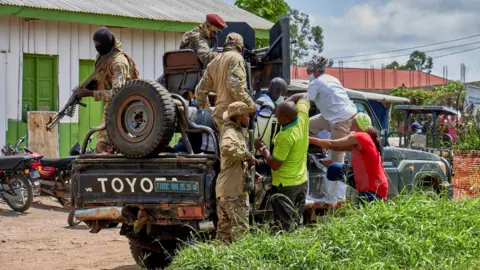
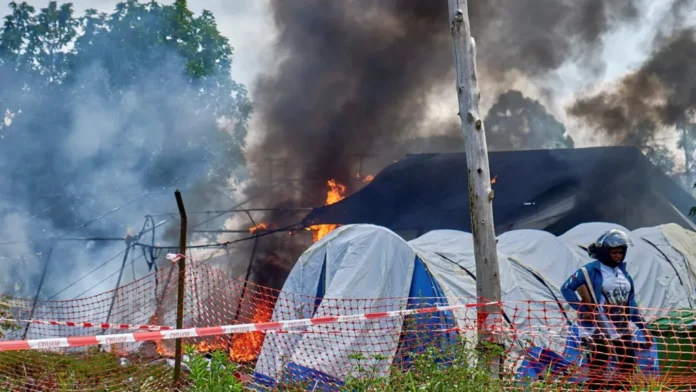
An angry crowd set alight a section of a hospital at the epicentre of the Ebola outbreak in the eastern Democratic Republic of Congo after family and friends of a young man thought to have died from the virus were prevented from taking his body away for burial.

“They started throwing projectiles at the hospital. They even set fire to tents that were being used as isolation wards,” local politician Luc Malembe Malembe told the BBC about the scene he witnessed at Rwampara General Hospital.

In the chaos, police fired warning shots to disperse the crowd.

The body of a dead Ebola victim is highly infectious and the authorities need to ensure safe burial to stop the spread of the virus.

Medical workers at the Rwampara hospital, located near the city of Bunia in Ituri province, where almost all of the cases have been reported, were placed under military protection as the police moved in to restore order.

A healthcare worker was injured by stone-throwing protesters before law enforcement agents intervened, a hospital worker told the AFP news agency.

The man who died was a popular figure in the local community and those upset by his death did not “grasp the reality of the disease,” Jean Claude Mukendi, who is co-ordinating the security response to Ebola in Ituri, told the Associated Press.

Witnesses told Reuters the young man was a footballer who had played with several local teams. His mother told the news agency she believed her son had died of typhoid fever, not Ebola

Malembe said the crowd did not believe the virus, which has so far killed more than 130 in eastern DR Congo, was real.

“People are not properly informed or sensitised about what is happening. For a certain segment of the population, especially in remote areas, Ebola is an invention by outsiders – it does not exist,” the politician said.

“They believe it is the NGOs and hospitals creating this to make money, and this is tragic.”

He said two tents had been burned down, along with a body that had been due to be buried.

Congolese Foreign Minister Thérèse Kayikwamba Wagner called it a “very frightening situation” for communities to be in.

“I think it is normal and it would be normal in any setting that all sorts of reactions are triggered, including challenging or questioning narratives that they might not feel comfortable with,” she told the BBC’s Newsday programme.

She went on to say that the authorities were “ramping up” their activity in affected areas to ensure communities feel safe, understood and heard.

The World Health Organization (WHO) recommends “safe and dignified burials” for Ebola victims, with trained teams using protective equipment to handle bodies.

Six patients had been receiving treatment in the tents on the grounds of the hospital – and it was reported they may have fled in the mayhem.

But according to the medical charity Alima, which reportedly ran the tents, they are all accounted for and “are currently being cared for at the hospital”.

Reuters Medical staff climb aboard a military vehicle on the grounds of Rwampara General Hospital. One soldier pictured in camouflage has a large machine gun.
Medical staff were placed under military protection

The unrest came as it was announced that DR Congo’s national football team had cancelled its pre-World Cup training camp in the capital, Kinshasa, because of the outbreak.

The WHO has called it a “public health emergency of international concern”, but said it was not at pandemic level.

On Wednesday, the WHO said 139 people in DR Congo were thought to have died from Ebola, out of 600 suspected cases.

However, on the same day, Congolese Health Minister Samuel Roger Kamba told state broadcaster RTNC TV that authorities had registered 159 deaths.

Two cases of the virus have been detected in DR Congo’s neighbour, Uganda.

The authorities there have temporarily suspended flights, buses and all other public transport crossing the border as a result of the outbreak. Passenger ferries are also not permitted on the Semliki River, which forms part of the border between DR Congo and UganWhy does Ebola keep breaking out in DR Congo?

The outbreak has been caused by a rare species of Ebola known as Bundibugyo. There is currently no vaccine for this species and the WHO has said it could take up to nine months for a jab to be ready.

On Thursday, the M23 – a rebel group that controls parts of eastern DR Congo – said it had confirmed the first case of Ebola in the South Kivu province, which is hundreds of kilometres away from the epicentre in Ituri.

The 28-year-old, who had travelled from Kisangani, died before the diagnosis was confirmed, according to a rebel statement.

Kisangani is a large city in north-central Tshopo province where no Ebola infections have currently been recorded.

There are growing concerns about access to areas under M23 control.

The group has never managed a crisis like Ebola, but has said it will work with international partners to contain the virus.

‘I’m worried, but not intimidated!’ Governor Orengo claims life in danger after security withdrawn

By Bonface Mulyungi

Siaya Governor James Orengo now claims his life is in danger following what he described as the arbitrary withdrawal of his security detail by the government on Tuesday evening.

Speaking to Citizen TV on Thursday, Orengo said nine security officers attached to him in both Nairobi and Siaya counties were recalled without explanation, leaving him exposed at a time when political leaders are increasingly facing violent attacks.

The Governor warned that Inspector General of Police Douglas Kanja should be held personally responsible should anything happen to him.

“I’m worried about it, but I’m not intimidated,” Orengo said during the interview.

The county boss linked the withdrawal of his security to recent incidents in which opposition political leaders have allegedly been attacked by hired goons during public functions.

He cited a recent incident involving Vihiga Senator Godfrey Osotsi, who was reportedly attacked in broad daylight in Kisumu, as well as his own experience while attending a funeral in Seme, where he claimed he was also confronted by goons.

Orengo further referenced the killings of former minister Tom Mboya and former MP J.M. Kariuki, arguing that the withdrawal of security from political leaders could expose them to grave danger.

“Mboya was killed in broad daylight in Nairobi because his security detail was not with him. J.M was abducted in the middle of this town because he had no security with him,” he said.

“So if something happens to me, or if I’m attacked by goons like Osotsi was attacked, I’ll hold the IG responsible.”

The remarks came barely a day after Orengo formally protested the withdrawal of his security in a letter addressed to IG Kanja.

In the letter, the Governor termed the move abrupt and unprocedural, saying the officers stationed at his Nairobi residence and other designated areas were withdrawn without prior notification, formal communication or replacement.

He maintained that security for State officers is a constitutional and statutory entitlement, not a privilege or discretionary favour.

Orengo demanded an official explanation for the withdrawal and called for the immediate reinstatement of the officers.

Matatu operators call off strike after talks with President Ruto

By Bonface Mulyungi

Matatu operators have officially called off their planned strike following talks with President William Ruto, ending uncertainty over a possible return of transport disruptions next week.

The operators had earlier suspended the industrial action for seven days to allow negotiations with the government after a nationwide protest over soaring fuel prices brought public transport services to a near standstill in many parts of the country.

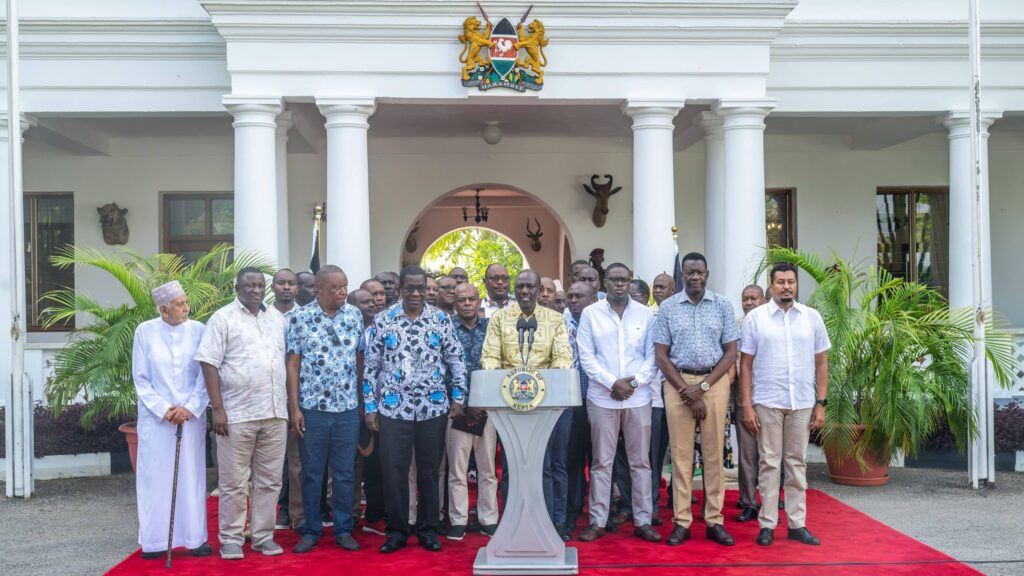
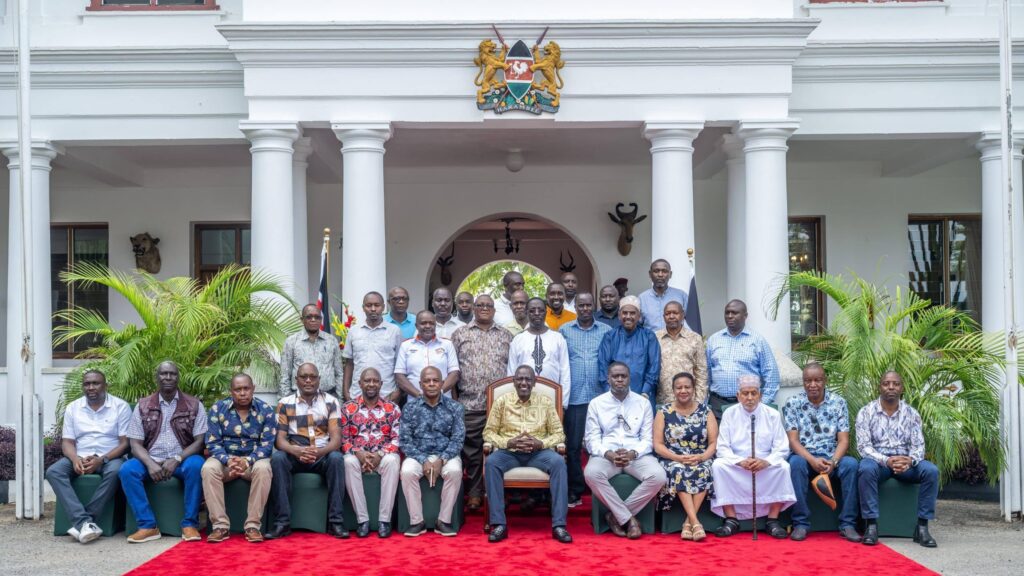
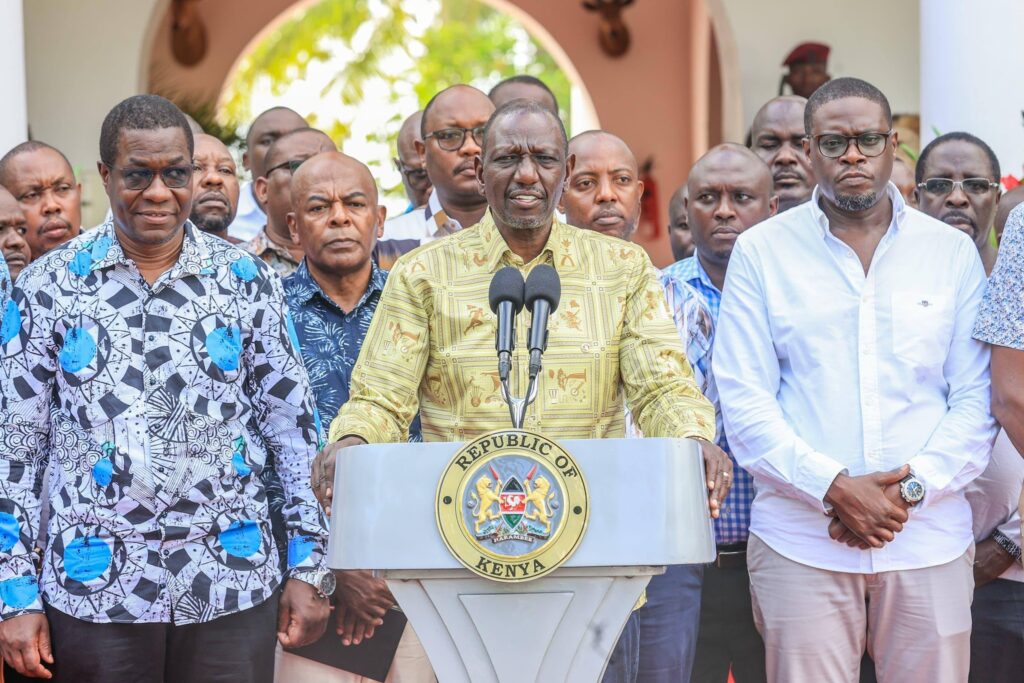
Addressing the nation from State House, Mombasa, on Friday morning, Ruto said he held lengthy consultations with leaders from the transport sector on Thursday as part of efforts to find a lasting solution to concerns raised by operators.

The President announced that the government would further reduce the price of diesel by Sh10 per litre in the June-July fuel price review, building on earlier measures introduced to cushion consumers and businesses from the impact of rising global oil prices.

The latest reduction is expected to lower the cost of diesel to Sh222.86 per litre in Nairobi, offering relief to public transport operators, logistics companies, farmers and manufacturers who heavily depend on the fuel.

National Chairman of the Matatu Owners Association (MOA) Albert Karakacha said the fresh intervention, coupled with continued engagement between the government and transport stakeholders, had persuaded operators to abandon plans for further industrial action.

“We have called off the strike. We had suspended the strike, but we have called it off. We will not have a strike next week; we are going to work,” Karakacha said.

He thanked the government for the measures it has taken to stabilise fuel prices and pledged the sector’s support in efforts aimed at protecting livelihoods and sustaining economic activity. Karakacha also singled out Nairobi Governor Johnson Sakaja for his role in mediating between transport operators and the government during the crisis, saying the engagement helped prevent further disruption in the capital.

“We know that the county of Nairobi lost a lot of money, and we agreed with him that we have to work together to make sure that everything is going to work. So, we want to thank the government, we want to thank the President. They have sorted out a lot of our issues which have been pending for long,” he said.

The fuel crisis was triggered by the May 14 review by the Energy and Petroleum Regulatory Authority (EPRA), which increased the price of Super Petrol by Sh16.65 per litre and Diesel by Sh46.29 per litre, pushing pump prices in Nairobi to Sh214.25 and Sh242.92 respectively.

The sharp increase sparked outrage among transport operators and motorists, culminating in a two-day nationwide strike organised by the Transport Sector Alliance.

Thousands of commuters were forced to walk long distances to work as matatus, online taxi operators, cargo transporters and motorcycle riders withdrew services in protest.

The government subsequently reduced diesel prices by Sh10.06 per litre and initiated negotiations with sector representatives. Although operators initially rejected the concession, insisting it fell short of their demand for a reduction of between Sh30 and Sh35 per litre, further consultations paved the way for a temporary truce and eventual resolution.

As normal transport services resume across the country, Karakacha urged leaders and the public to avoid politicising the fuel crisis and instead focus on rebuilding the economy. “Let’s build our country; politics will come in 2027,” he said.

President Ruto announces further Ksh.10 cut on diesel prices in next fuel review

By Bonface Mulyungi

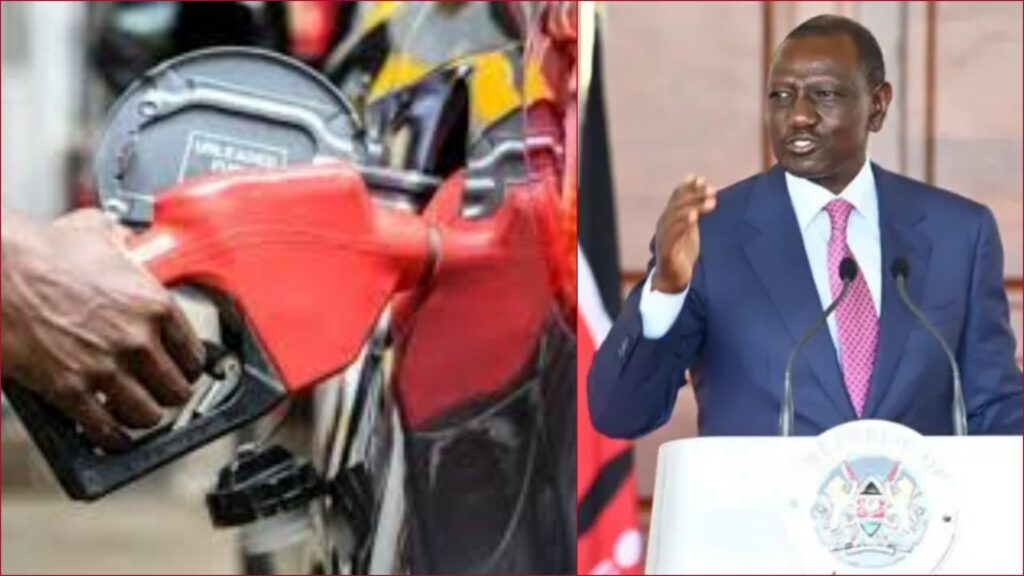
President William Ruto has announced a further reduction in diesel prices beginning the June/July fuel pricing cycle, as the government moves to cushion Kenyans from the effects of the global fuel crisis.

Speaking during a live press address from State House in Mombasa on Friday, President Ruto said the government will lower the price of diesel by Ksh.10 per litre following consultations with leaders in the transport sector.

The President said the move is aimed at stabilizing pump prices and easing pressure on consumers grappling with the rising cost of living.

“I have directed that in the next pricing cycle, we’re going to further reduce the price of Diesel by a further Ksh.10 for the June/July cycle to help stabilize pump prices and provide additional relief to consumers,” said Ruto.

Ruto attributed the current fuel price crisis to global market disruptions triggered by the escalating conflict involving Iran since February 28, 2026, which he said had severely affected oil supply routes through the Strait of Hormuz.

According to the President, the crisis has caused sharp increases in global fuel prices, with diesel prices rising by 118 per cent internationally.

He noted that Kenya, which imports all its fuel from the Gulf region, has inevitably felt the impact of the global supply shock.

The President defended the government’s fuel stabilization measures, saying the State had spent Ksh.28.19 billion across the April/May and May/June 2026 pricing cycles to cushion consumers through direct subsidies and tax relief interventions.

Ruto said the government had also reduced Value Added Tax (VAT) on petroleum products from 16 per cent to 8 per cent, foregoing Ksh.14.4 billion in tax revenue to ease the burden on households and businesses.

According to the President, without the government interventions, diesel prices would currently retail at Ksh.277.75 per litre instead of the current Ksh.232.86.

He further defended the government-to-government fuel import framework, saying it had helped guarantee stable fuel supplies and protected the Kenya shilling from further pressure during the ongoing crisis.

“Through the government-to-government (G2G) fuel supply framework, we have secured guaranteed fuel supplies despite global supply chain disruptions, ensuring uninterrupted fuel supply availability across the country. The arrangement has stabilized fuel pricing compared to the old sport market system, where prices fluctuated sharply every month,” he said.

“Before the G2G arrangement was introduced in 2023, oil importers faced intense pressure to secure US dollars within short timelines, driving rapid depreciation of the Kenya shilling and threatening fuel supply stability. By easing pressure on foreign exchange demand and ensuring predictable supply terms, the framework has protected the economy during the crisis as the one we have now. Without it, the country’s situation would be much worse.”

The Energy and Petroleum Regulatory Authority (EPRA) earlier this week lowered the pump price of diesel by Ksh.10.06 per litre while raising kerosene by Ksh38.60 in a mid-cycle review announced after a day of protests and a transport shutdown by PSV operators over high fuel costs.

EPRA said it recalculated the maximum pump prices to be in force from May 19, 2026 to June 14, 2026 following a petition by public transport operators, citing the need to minimise the risk of fuel adulteration arising from the price difference between diesel and kerosene.

Under the new prices, Super Petrol, Diesel and Kerosene now retail at Ksh.214.25, Ksh.232.86 and Ksh.191.38 per litre, respectively.

The move came a day after matatu operators and other transport stakeholders called a nationwide strike, disrupting movement in several towns as they demanded tax cuts and other interventions to lower pump prices.

Government waives duty on first 100,000 electric vehicle imports

By Bonface Mulyungi

President William Ruto has announced that the first 100,000 electric vehicles imported into Kenya will be exempt from import duty, as the government moves to accelerate the country’s transition from fossil fuels amid the ongoing global fuel crisis.

Speaking during a live address from State House Mombasa on Friday, Ruto said the tax relief will apply to both public service and privately imported electric vehicles as part of broader efforts to reduce Kenya’s dependence on volatile global oil markets.

“I’m also making a declaration that the first 100,000 electric vehicles to be imported into Kenya, whether for public service or private use, will be duty free,” said the President.

Ruto said the government is also working with private investors to establish electric vehicle manufacturing facilities locally in a bid to position Kenya as a regional hub for clean energy mobility.

At the same time, the President revealed that the government has already ordered 3,000 electric vehicles through the Ministry of Interior for use by security and administration officers.

He said the shift towards electric mobility forms part of a long-term strategy to shield Kenya from recurring global fuel shocks.

“We must embrace electric vehicles as a first step,” said Ruto, adding that the country was also accelerating investments in renewable energy, modern public transport systems and energy security infrastructure.

The Head of State further disclosed that Kenya, together with East African partner states and the private sector, is pursuing plans to commercialize oil reserves in Turkana and across the region while developing a regional refinery to reduce dependence on external supply chains.

According to Ruto, the measures are aimed at building a more self-reliant and economically secure country in the face of continued instability in the global energy market.

“The government of Kenya, working together with our East African partner States, and the private sector, is determined to bring into production our oil reserves and resources in Turkana and across the East African region, alongside the development of a regional refinery to reduce our vulnerability to disruptions beyond our control,” he said.

“Equally, we are accelerating investments in renewable energy, electric mobility, modern public transport and energy security infrastructure so that future generations of Kenyans are less exposed to global fuel instability.”

President Ruto orders NTSA to allow graffiti on matatus

By Bonface Mulyungi

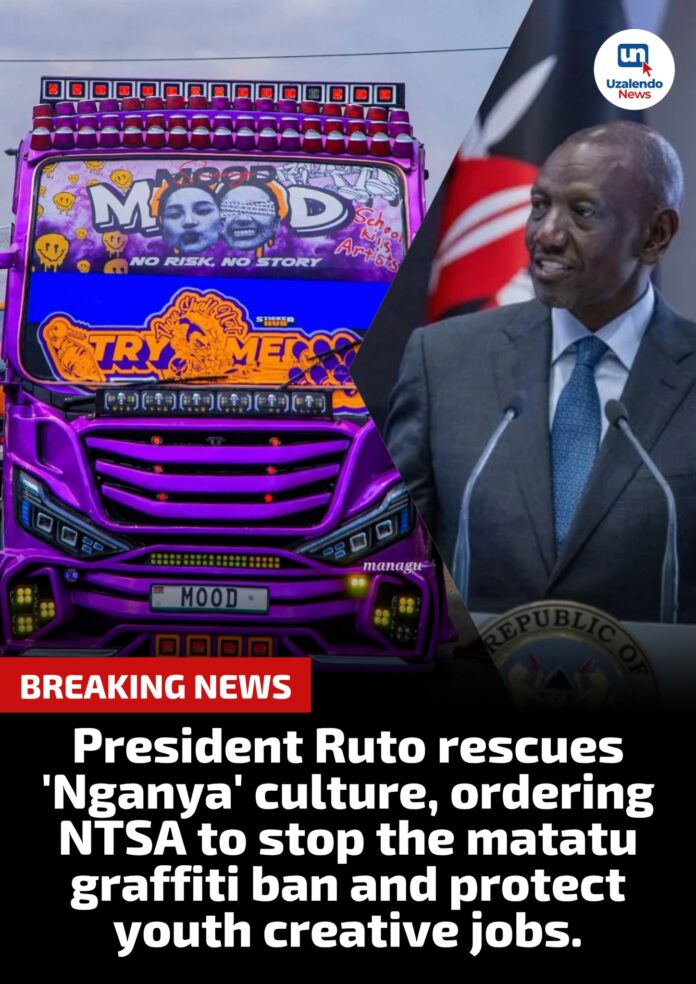
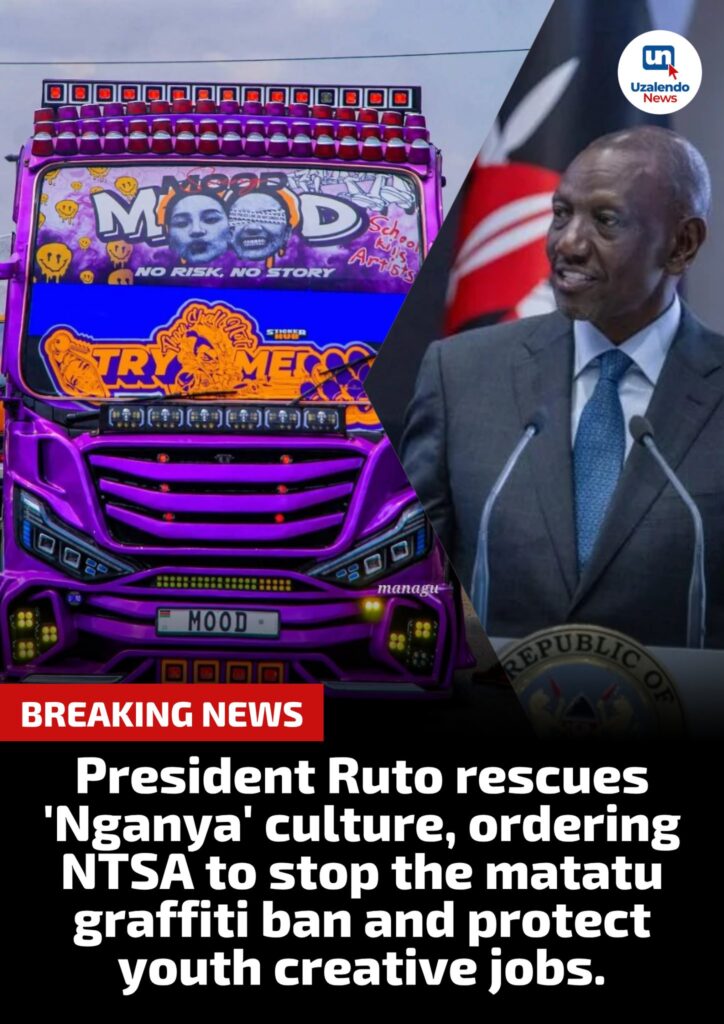
President William Ruto has directed the National Transport and Safety Authority (NTSA) to allow matatu operators to continue using graffiti and artwork on Public Service Vehicles (PSVs), in a move likely to reignite debate around regulation of Kenya’s vibrant matatu culture.

Speaking during a live address from State House Mombasa on Friday, Ruto said the government would facilitate an enabling environment for matatu operators to maintain artistic expression on their vehicles while ensuring safety and respect for other road users.

“Recognising the important role of creativity and self-expression within our transport culture, I have directed NTSA to facilitate an enabling environment for matatu operators to continue utilising artwork and graffiti on their vehicles,” said the President.

The directive comes months after the High Court dismissed a petition seeking to block an NTSA directive regulating graffiti, tinted windows and decorative lighting on matatus.

In the case, petitioners had challenged NTSA regulations requiring public service vehicles to maintain clear visibility standards and limit excessive modifications, arguing the measures threatened Kenya’s unique matatu culture.

However, the court upheld the directive, ruling that NTSA acted within its mandate to enhance road safety.

Ruto’s remarks came as he announced a raft of measures following consultations with stakeholders in the transport sector amid the ongoing fuel crisis.

Among the measures, the President said the Ministry of Transport would engage banks and financial institutions to explore temporary relief measures for transport operators struggling with loan repayments.

He also directed the Ministry, together with the Insurance Regulatory Authority (IRA), to address disputes surrounding insurance claims affecting public transport operators.

At the same time, Ruto ordered an immediate review of the Insurance Act and the Auctioneers Act within the next three months to create what he termed a fairer and more responsive framework for players in the transport sector.

The President further announced that NTSA would engage ride-hailing companies and drivers operating under digital taxi platforms to develop regulations on minimum taxi fares and address long-running disputes within the sector. 

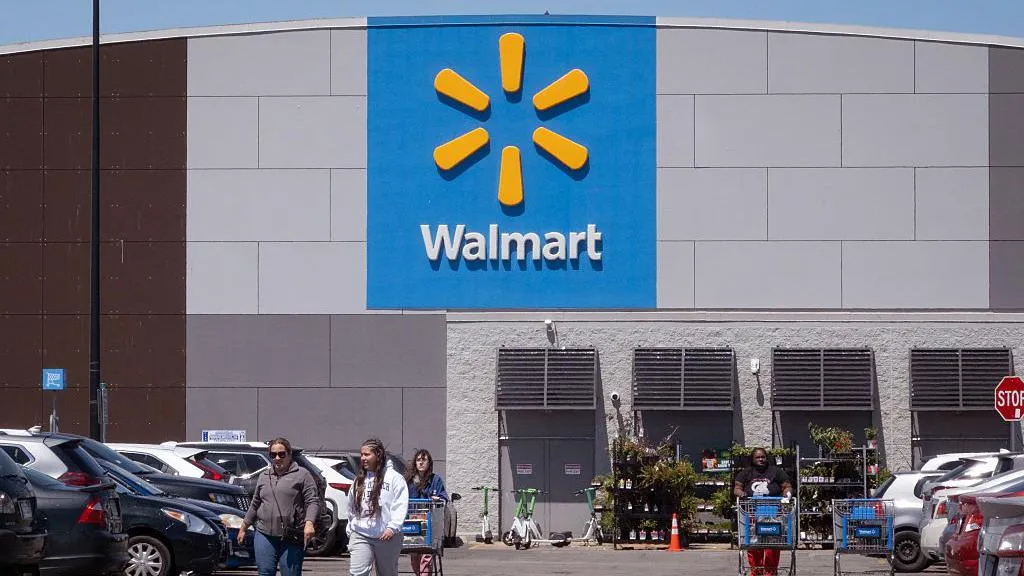
Walmart warns US shoppers are cutting spending as higher petrol prices bite

Stacy Boit,

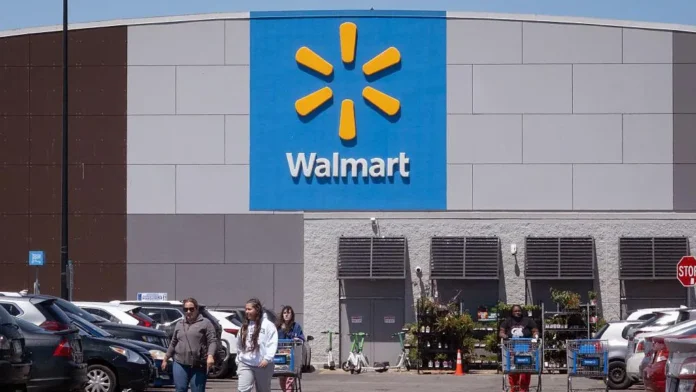
Walmart has warned higher petrol prices are causing US consumers to cut spending elsewhere as the war with Iran continues to squeeze household budgets.

The retail giant expects its sales growth between May and July to slow significantly from the previous three months, with higher prices at the pump to blame.

The conflict in the Middle East has led to a surge in wholesale oil prices, in turn pushing up the price of petrol for Americans.

Data from motoring group AAA shows the average price of a gallon of petrol has hit $4.56 (£3.40), up from $3 when the war began.

In an interview with CNBC, Walmart finance boss John David Rainey said the rising cost of living had so far been offset by higher tax returns as a result of tax cuts in President Donald Trump’s One Big Beautiful Bill Act (OBBBA).

But he warned shoppers would be under increasing strain as that effect drains away in its current financial quarter.

“I think higher tax returns muted some of the pressure related to higher fuel prices and as we’re in a period of time right now where those tax refunds are largely not coming in, I think consumers are going to feel more of that pressure from higher fuel prices,” he said.

The retailer was “keeping a close eye” on petrol prices but expects them to remain high for the coming months, Rainey said.

Walmart is the biggest private employer in the US and one of its biggest retailers, so its earnings offer an insight into how American consumers are being affected by the fallout from the Iran war.

On a call with investors, Rainey also warned that if the closure of the Strait of Hormuz continues, it could force the retailer to hike food prices due to shortages of fertiliser, nitrogen and phosphates.

Jailed Vietnamese tycoon’s Birkin bags sell for more than $550K

Stacy Boit,

Two luxury handbags confiscated from jailed Vietnamese businesswoman Truong My Lan have sold for more than $535,000 (£399,000) in a government auction.

Both found new owners in just 30 minutes of bidding – one of the white Hermès Birkin bags alone fetched $440,144, with the other selling for $94,858.

Hermès’s exclusive Birkin bags can be worth hundreds of thousands of dollars.

The disgraced tycoon is serving a life sentence for embezzling from a major Vietnamese bank and has been ordered to return $27bn in reparations.

Truong My Lan was sentenced to death in April 2024 after a court found that she had secretly controlled Saigon Commercial Bank, the country’s fifth biggest lender, and taken out loans and cash over more than 10 years through a web of shell companies, amounting to a total of $44bn.

The sentence was commuted to life in prison last June, after Vietnam abolished the death penalty for a range of crimes.

During her trial, Truong My Lan had tried to hold on to her two Hermès bags, telling the court that she had bought one of them in Italy and the other was a gift from a Malaysian businessman. She said she wanted to leave the bags as “keepsakes” for her children and grandchildren.

In January, Ho Chi Minh City’s Civil Judgment Enforcement Agency said that it was seeking experts to appraise the value of two crocodile skin Hermès Birkin bags seized from Truong My Lan.

The bags were among 1,200 seized assets to be sold at the Ho Chi Minh City Asset Auction Service Center on Monday, according to local media.

The bag that sold for the lesser price was a size 30. The more expensive bag – a size 25, was embellished with rhinestones on the clasp and trim – went for nearly seven times the starting bid.

Nicholas Parnell, founder of Agency Parnell, a wholesale luxury fashion agency, said the price of Birkin bags had been increasing year-on-year “for a long time”.

“It is one of one of the most sought-after bags and that has been achieved primarily by Hermes restricting access to people,” he said.

Parnell said the handbags themselves were “pieces of art” and “extremely rare” and were considered investments by many people.

“It becomes something you cherish and hold on to,” he said.

“The price is quite limitless in a way because there are so many special editions.”

Auction house Sotheby’s advertises the bags for tens of thousands of dollars each.

Sotheby’s Paris sold the original Birkin bag for €8.6m (£7.4m; $10.1m) in July 2025, making it the most valuable handbag ever sold at auction at the time.

Create a free account, or log in.

Gain access to read this content, plus limited free content.

Yes! I would like to receive new content and updates.

Sponsored Ad

Ad 1
Ad 2
Ad 3
Ad 4
Ad 5
Ad 6