By Andrew Kariuki
A constitutional petition has been filed at the High Court seeking a declaration that the use of State House and State Lodges for partisan political activities violates the Constitution.
The petition, lodged at the Constitutional and Human Rights Division of the High Court in Nairobi by lawyer Lempaa Suyianka, alleges that public resources have been improperly used to advance the interests of the ruling United Democratic Alliance (UDA) party.
Named as respondents in the case are the Attorney General, the Comptroller of State House, the United Democratic Alliance (UDA), and President William Ruto, who has been sued in his official capacity.
The petitioner is asking the court to compel UDA to refund the State for all costs incurred during political activities allegedly held at State House and State Lodges.
He is also seeking a permanent injunction barring all political parties from holding meetings, forums, or other partisan engagements at State House facilities.
According to court documents, the petition argues that State House and State Lodges are national institutions reserved exclusively for official State functions and are funded by public resources approved by Parliament.
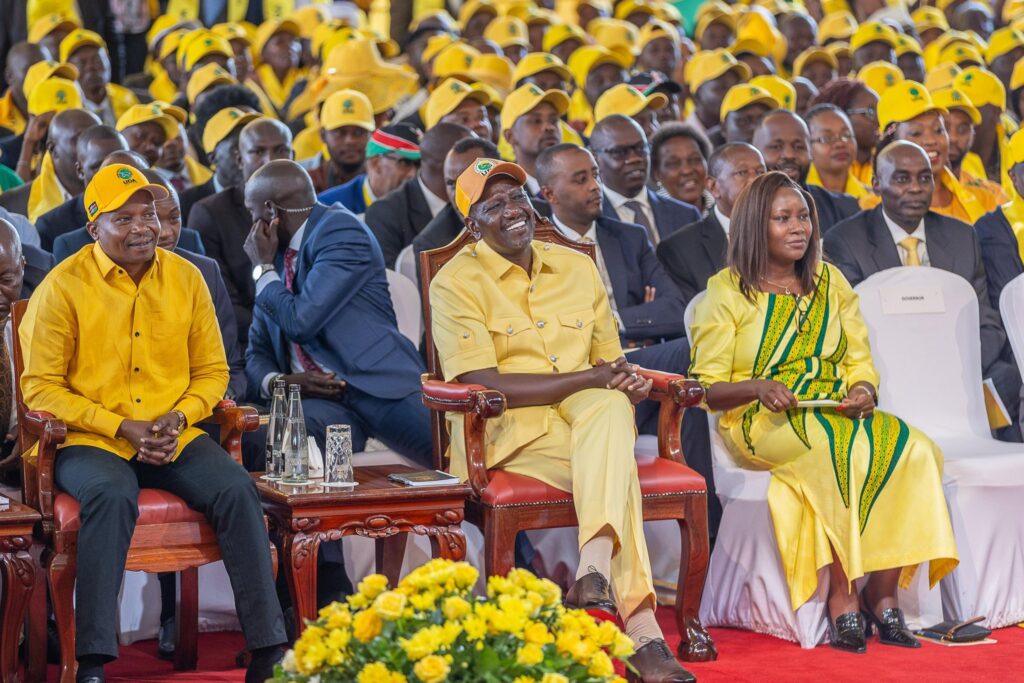
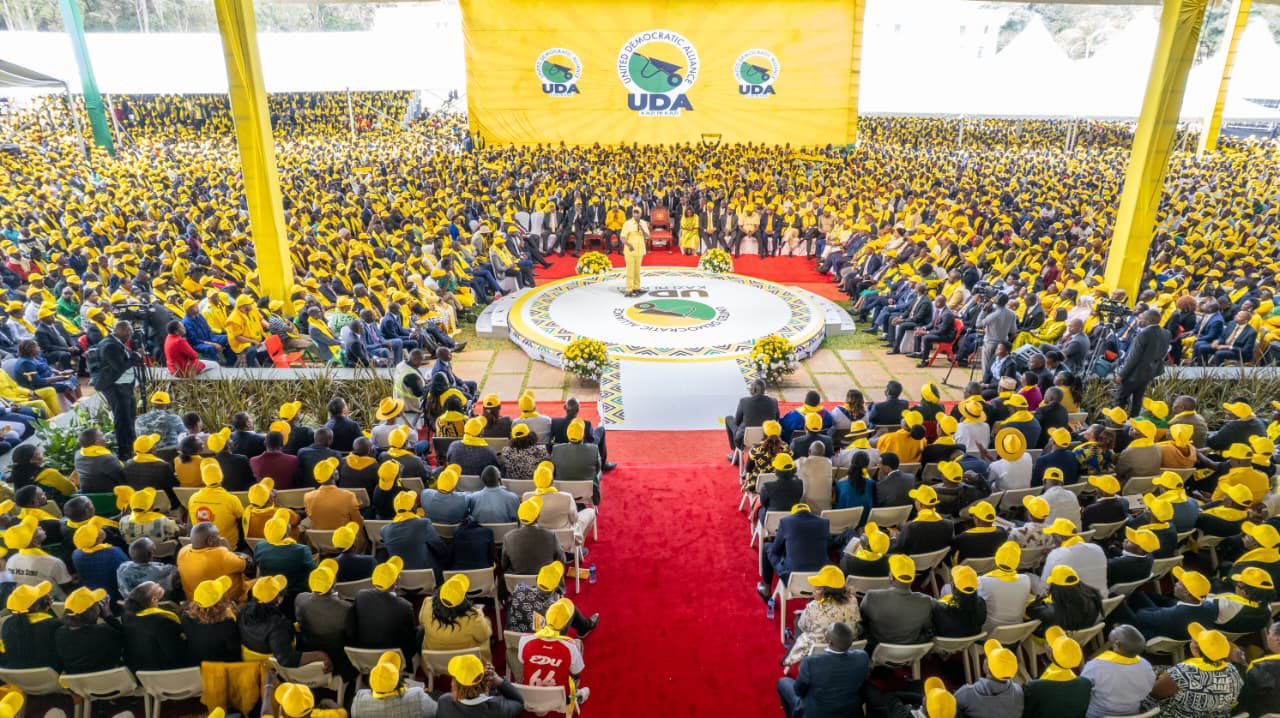
The petition lists several political gatherings allegedly held at State House between April 2025 and February 2026, including meetings with regional political leaders, party consultations, and a UDA aspirants’ forum said to have attracted thousands of party members and officials.
The petitioner contends that the meetings were not official State functions but political party activities involving party officials, aspirants, and elected leaders acting in their political capacities.
He argues that State House facilities and resources; including security, staff, logistics, catering, and communication infrastructure, were deployed during the events, yet no public disclosure has been made regarding the costs incurred or whether the ruling party reimbursed the State.
The petition further accuses the Controller of State House of failing to account for the use of public resources during the alleged political activities, contrary to constitutional requirements on accountability and transparency.
The lawyer maintains that permitting a political party to use State House confers an unfair advantage over other parties, undermines multiparty democracy, and blurs the constitutional separation between the State and political organisations.
He cites alleged violations of multiple constitutional provisions, including Articles 10, 73, 75, 129, 131, 201, and 226, as well as sections of the Political Parties Act that prohibit the use of public resources to promote political party interests.
Among the reliefs sought, the petitioner wants the court to declare the use of State House for partisan political activities unconstitutional and to order the Controller of State House to disclose the full costs incurred during the disputed events.