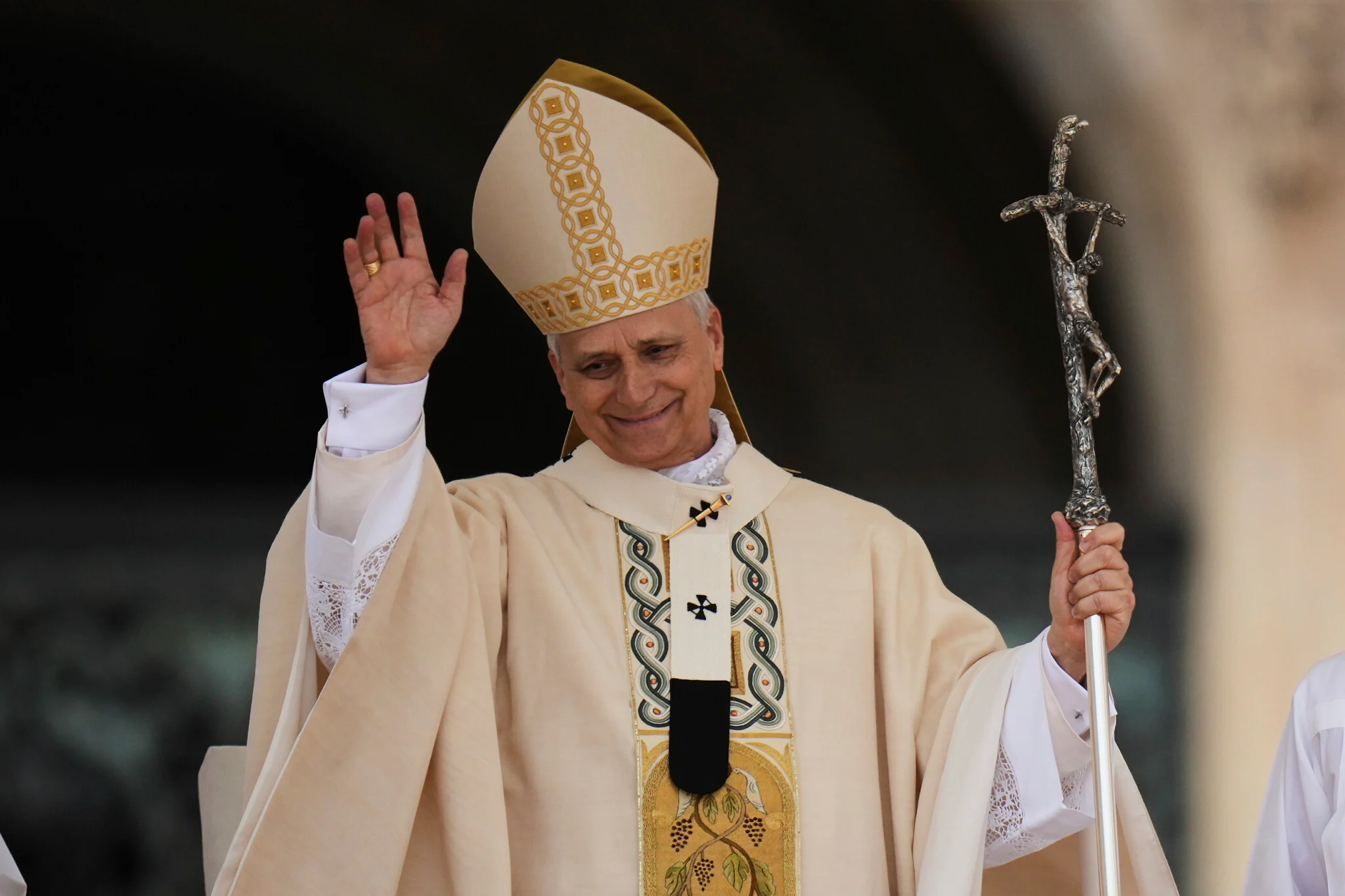
In an era where faith meets the algorithm, Pope Leo XIV has become a global online phenomenon, his profile exploding across digital platforms following his surprise election in May.
The Wikimedia Foundation’s annual rundown of English Wikipedia’s most-viewed pages, unveiled on 2 December, places the new pontiff’s entry at number five, a testament to the insatiable curiosity sparked by the first American-born pope.
Traffic to all Wikimedia sites hit an unprecedented 800,000 views per second in the weeks after his selection, shattering records and dwarfing normal levels by more than sixfold.
The surge followed the death of his predecessor, Pope Francis, on 21 April after a 12-year papacy that reshaped the Church with its emphasis on mercy and the Global South. Francis’s page clocks in at 11th, as users delved into the life of the trailblazing Argentine, the first Latin American pontiff.
Wikipedia, the volunteer-driven behemoth that ranks fifth among the world’s most-visited sites in 2025 (trailing only Google, YouTube, Facebook and Instagram), captured the moment perfectly. “As people rushed online to learn about Leo, we saw our biggest ever spike,” the foundation noted.
Google’s “Year in Search 2025” echoed the frenzy. Worldwide, Leo XIV ranked fifth among trending people, while his election vaulted to fourth in news searches. In the US, his birthplace, he tied for fifth in people queries, with the conclave seventh in news and Francis seventh among the year’s deceased figures.
The Chicago-born Robert Francis Prevost, 70, an Augustinian friar with deep roots in Peru, chose “Leo” to honour his 19th-century namesake’s social justice legacy amid today’s AI-driven upheavals.
His rapid rise from obscurity to icon reflects a Church at a crossroads, where ancient rituals collide with viral virality.