By Andrew Kariuki
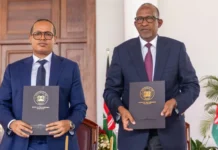
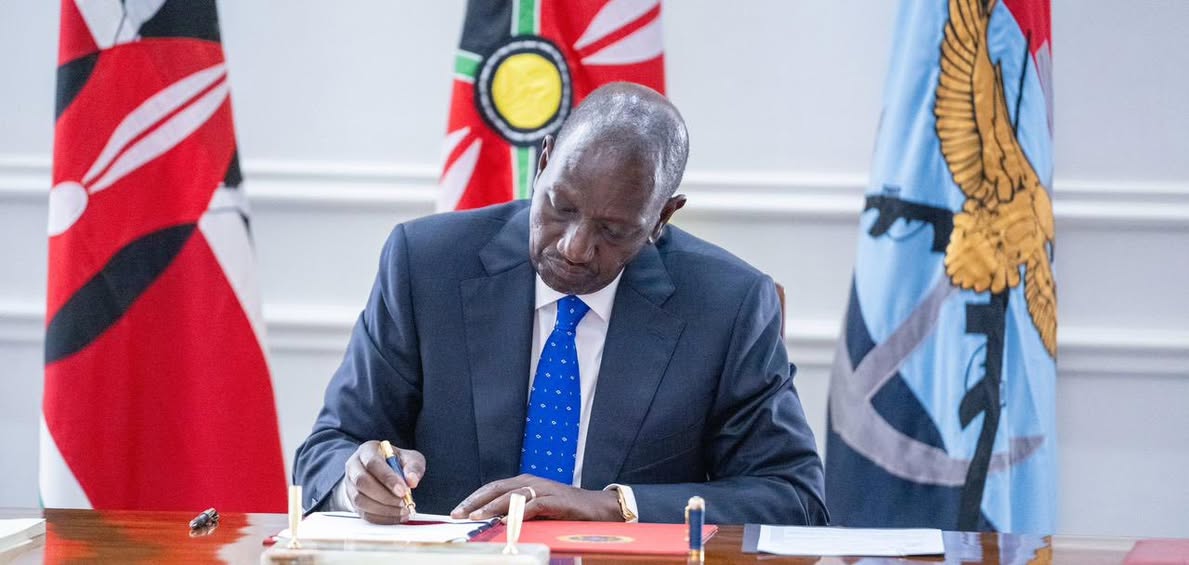
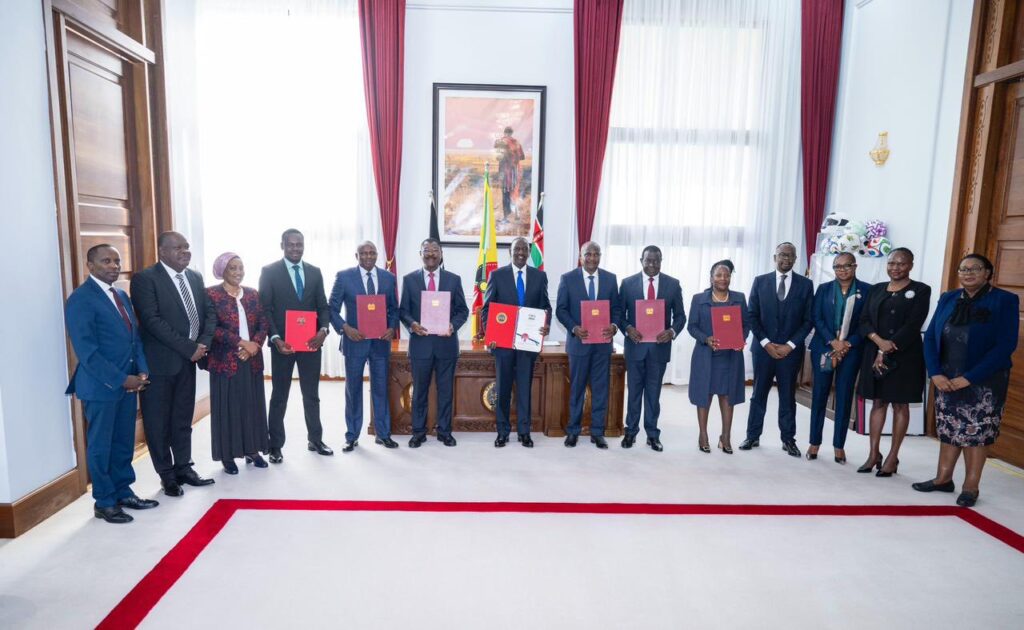
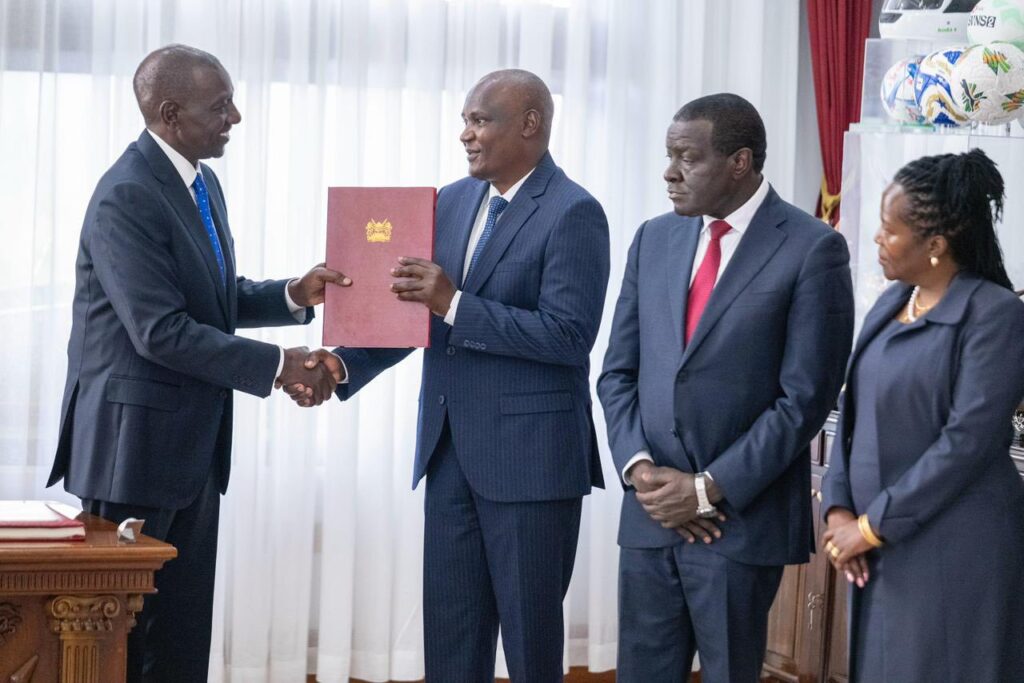
President William Ruto has signed into law the Ksh 5 trillion National Infrastructure Bill, 2026, paving the way for major development projects across the country, including the planned expansion of Jomo Kenyatta International Airport (JKIA).
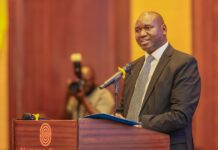
The legislation, sponsored by National Assembly Majority Leader and Kikuyu MP Kimani Ichung’wah, establishes a National Infrastructure Fund (NIF) designed to finance large-scale projects in sectors such as roads, railways, ports, irrigation and energy.
The National Assembly approved the Bill as part of the government’s strategy to shift infrastructure financing toward an investment-led model that attracts private capital, rather than relying primarily on borrowing or taxation.
Under the new framework, the fund will operate as a corporate investment fund rather than a traditional government financing mechanism, with the aim of mobilizing Ksh 5 trillion over a period of ten years.
President Ruto said the expansion of JKIA will be the first project financed under the fund, structured with approximately KSh 20 billion in equity participation from the NIF and domestic institutional investors.
“The Fund is not an experiment. It is a model that has been adopted successfully around the world,” Ruto said, citing examples such as the Nigeria Infrastructure Fund established in 2011, the Ghana Infrastructure Investment Fund launched in 2014, India’s National Investment and Infrastructure Fund created in 2015, the Canada Infrastructure Bank established in 2017, the United Kingdom’s National Wealth Fund, and South Africa’s Infrastructure Fund.
The President also highlighted Kenya’s growing domestic investment capacity, noting that pension fund assets increased by KSh 700 billion last year, representing a 25 percent growth, bringing the total pension assets to KSh 2.81 trillion.
The National Infrastructure Fund will be managed by a board of eight members, including four independent directors recruited competitively, three public officers appointed based on expertise or position and a chief executive officer who will serve as an ex officio member.
Oversight of the board will be provided by a governing council, which will include National Treasury Cabinet Secretary John Mbadi, Central Bank of Kenya Governor Dr. Kamau Thugge, the Attorney General, and six additional members drawn from outside public office.
The council will provide strategic direction, oversee the development of investment policies, and supervise the recruitment of the board of directors.
Among the projects identified as potential beneficiaries of the fund are the Loosuk–Lessos power transmission line, the Galana-Kulalu irrigation project, the Rironi–Naivasha–Mau Summit highway and the extension of the Standard Gauge Railway (SGR) to Malaba.
The government says the initiative is aimed at accelerating infrastructure development while leveraging private investment to support Kenya’s long-term economic growth.