By Bonface Mulyungi
President William Ruto has defended the planned Ebola preparedness facility at Laikipia Air Base, urging politicians and other leaders to stop politicising what he described as a critical national health security initiative.
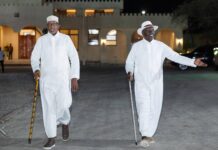
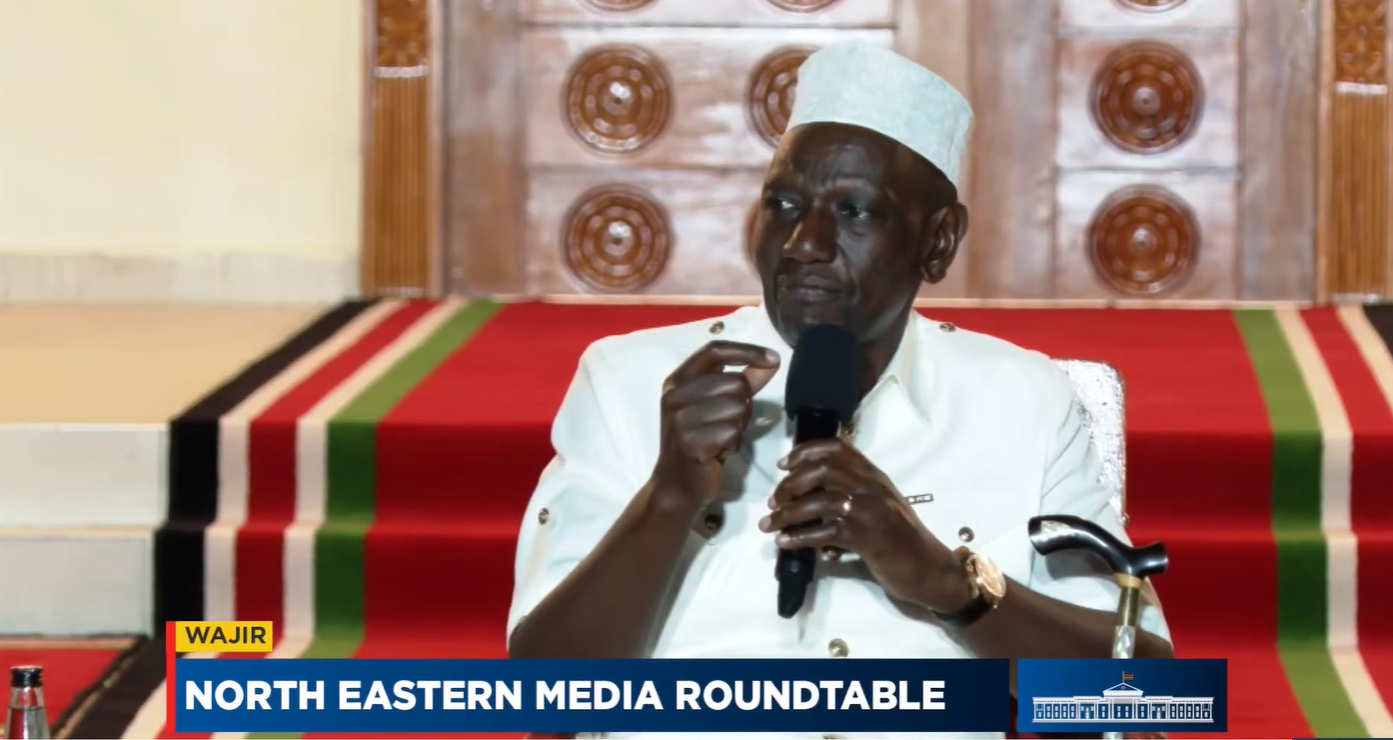
Speaking during a roundtable interview with North Eastern-based journalists at the Wajir State Lodge on Monday, the President dismissed criticism surrounding the project, saying the government was acting responsibly to protect Kenyans from future disease outbreaks.
“We are a responsible government. We know what we are doing. People should relax. Politicians should avoid reckless, unnecessary talk that doesn’t mean anything,” Ruto said.
The President said the facility is part of Kenya’s broader strategy to strengthen preparedness against infectious diseases through long-standing partnerships with the United States and other international allies.
Ruto noted that similar collaborations had helped Kenya respond to major health challenges, including HIV/AIDS, COVID-19 and Ebola.
“The American government accepted to work with us on HIV/AIDS, to work with us on other diseases, and they worked with us on Ebola,” he said.
The Head of State rejected claims that the Laikipia facility was unusual, pointing out that Kenya already operates more than 20 similar specialised facilities across the country, including at Kenyatta National Hospital, the Police Hospital, Moi Teaching and Referral Hospital, Thika and Alupe hospitals.
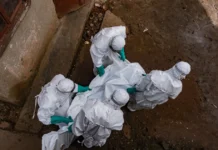
According to the President, the facilities are designed to support early screening, isolation and treatment of Ebola patients in the event of an outbreak, helping prevent wider transmission.
“These facilities are meant to make sure there is proper screening and, if there is any positive identification of people who have Ebola, they are immediately isolated and treated so that we avoid any spread of the disease,” he said.
Ruto questioned those opposing the government’s preparedness efforts, arguing that readiness for health emergencies is a basic obligation of any administration.
“I want to ask those questioning our preparedness: what are they telling us? Are they saying we should not prepare? Are they telling us we should not be ready?” he posed.
The President also cited Kenya’s close ties with the Democratic Republic of Congo, a country that has experienced repeated Ebola outbreaks, saying the government must be prepared to care for Kenyan citizens living and working there, as well as security personnel deployed in the region.
He further clarified that the partnership with the United States is intended to build Kenya’s capacity to respond to future health emergencies and not for any other purpose.
Ruto expressed concern over what he termed misinformation and fear being spread around the project, warning against turning public health preparedness into a political battleground.
“I am wondering why anybody would want to politicize and mobilize negative politics around a matter as serious as a pandemic,” he said.
The President revealed that the United States has provided grants worth close to Sh200 billion to support Kenya’s healthcare infrastructure over the years, describing the support as a reflection of strong international friendship and cooperation.
He said the Ebola preparedness facility aligns with the government’s broader commitment to universal healthcare and safeguarding the country against emerging health threats.
“The same way I am committed to ensuring that every citizen, regardless of their financial or social status, has access to healthcare is the same commitment that drives our preparedness for pandemics, including Ebola,” he said.
Ruto maintained that the country’s security and public health interests must remain above politics.
“I think the security of our country is at stake, and that is why I must speak candidly about this,” he said.Ruto maintained that the country’s security and public health interests must remain above politics.
“I think the security of our country is at stake, and that is why I must speak candidly about this,” he said.