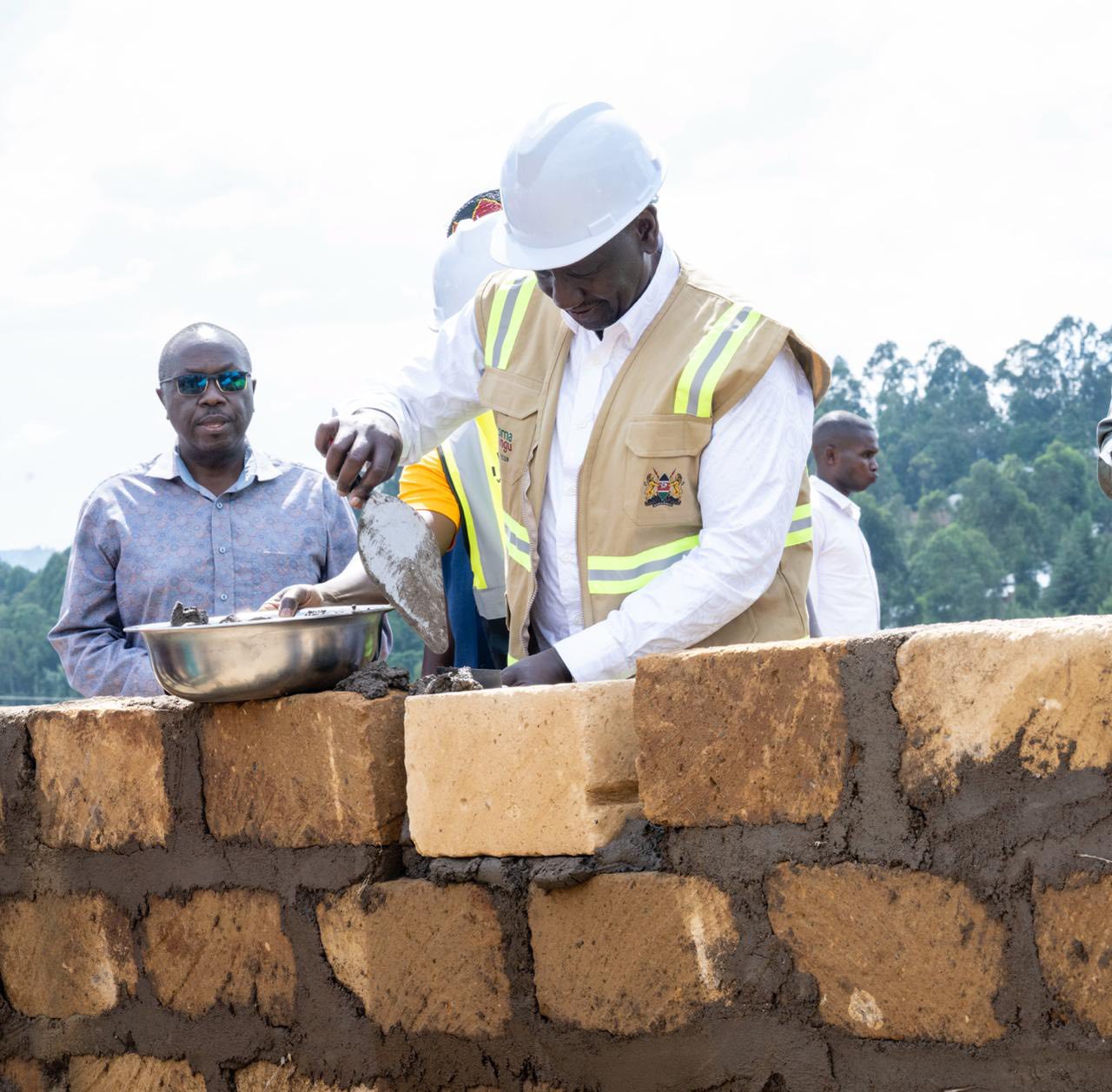
President William Ruto has handed over keys to more than 4,500 homeowners in Nairobi’s Mukuru estate following the completion of the second phase of the Mukuru Affordable Housing Project.
The ceremony marked a major milestone in the government’s Affordable Housing Programme, with families moving from informal iron-sheet dwellings into newly built high-rise apartments. The housing units are fitted with basic services and shared facilities, forming part of a broader plan to redevelop one of Nairobi’s most densely populated informal settlements.
Speaking during the handover, President Ruto said the project was intended to improve living conditions for residents who have lived for years without secure housing, adequate sanitation, or reliable public services. He said the new homes were designed to provide stability and dignity for families affected by long-standing urban neglect.
The Mukuru project is a central component of the Bottom-Up Economic Transformation Agenda, which focuses on upgrading informal settlements through planned redevelopment. In addition to housing, the second phase includes a police station, a fire station, and a hospital to support public safety, emergency response, and healthcare access.
Government officials said the project reflects a shift towards integrated urban planning. Housing developments are being combined with social infrastructure such as schools, health facilities, road networks, and green spaces to support long-term community development.
Residents who received keys described a significant change from their previous living arrangements. Many had lived in single-room structures exposed to flooding, fires, and poor sanitation. The new apartments offer secure tenure and improved access to water, electricity, and sanitation.
A beneficiary employed as a casual worker said the move would provide a safer and healthier environment for his family. He said owning a formal home had previously seemed unattainable.
The project has been delivered in phases. Phase One, completed in May, provided 1,080 housing units. With the completion of Phase Two, the number of finished homes has increased substantially, reducing pressure on the overcrowded settlement.
During the visit, the President also inspected rehabilitation works along the Nairobi River. The clean-up programme focuses on waste management, sewerage improvements, and the restoration of riparian land to reduce flooding in areas including Mukuru, Mathare, and Korogocho.
The river restoration effort is linked to the housing programme, with officials describing it as part of a wider urban renewal plan that includes housing construction, road upgrades, pedestrian walkways, and public green spaces.