Stacy Boit,
Contingency plans for essential services are “ready if required” amid price hikes in the wake of the conflict in the Middle East, the treasury minister has said.
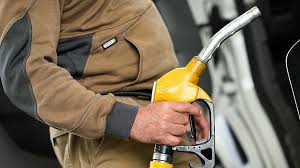
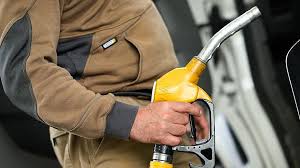
The ongoing situation has resulted in fuel and oil prices in particular surging, as well as some forecourt shortages.
In an update to Tynwald, Chris Thomas said wholesale heating prices had jumped by 70%, while diesel and petrol prices had risen to 189p and 154p per litre respectively.
Although the government was “monitoring impacts on public services”, he said, “no disruption is anticipated”.
“Contingency plans to protect essential services are ready if required, and government is working closely with charities whose support for households remains as important now as ever,” he said.
Thomas warned that further knock-on effects were “likely as costs pass through supply chains”, which would hit food prices in particular later in the year due to the rising price of fertiliser.
Measures such as a reinstated bus fare cap may be necessary, he said, however, the government was not considering offering subsidies.
MHK Lawrie Hooper noted that filling a 900-litre tank of heating oil was now £400 more expensive than it was three months ago.
“That is a significant amount of money for someone to find,” he said and questioned what support was in place for people trying to buy the product.
Michelle Haywood MHK argued there was an “urgent need” to plan for elevated prices that set to continue into the colder months, and said asked if targeted winter assistance measures such as extending the winter fuel payment and eligibility criteria, or specific support for households on heating oil was being considered.
Methods for identifying where the key issues were emerging and what the impacts were questioned by Tim Glover MHK, who noted that those on lower incomes or facing health difficulties were already being particularly affected by the price rises.
In response, Thomas said there were “no plans at the moment for specific support” during the winter.
He said the government had ensured that vulnerable customer registers were being maintained with energy suppliers and arrangements were in place that were adequate for those customers.
He said MHKs had hinted that the government should look at providing subsidies straight away, and while they “might appear at first to be the right fix”, they were “a quick fix and can be very expensive”.
“Energy efficiency, reducing consumption, and investing to insulate ourselves from global energy price shocks” should form part of the response instead, he said.