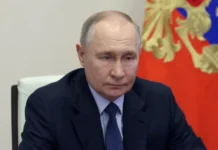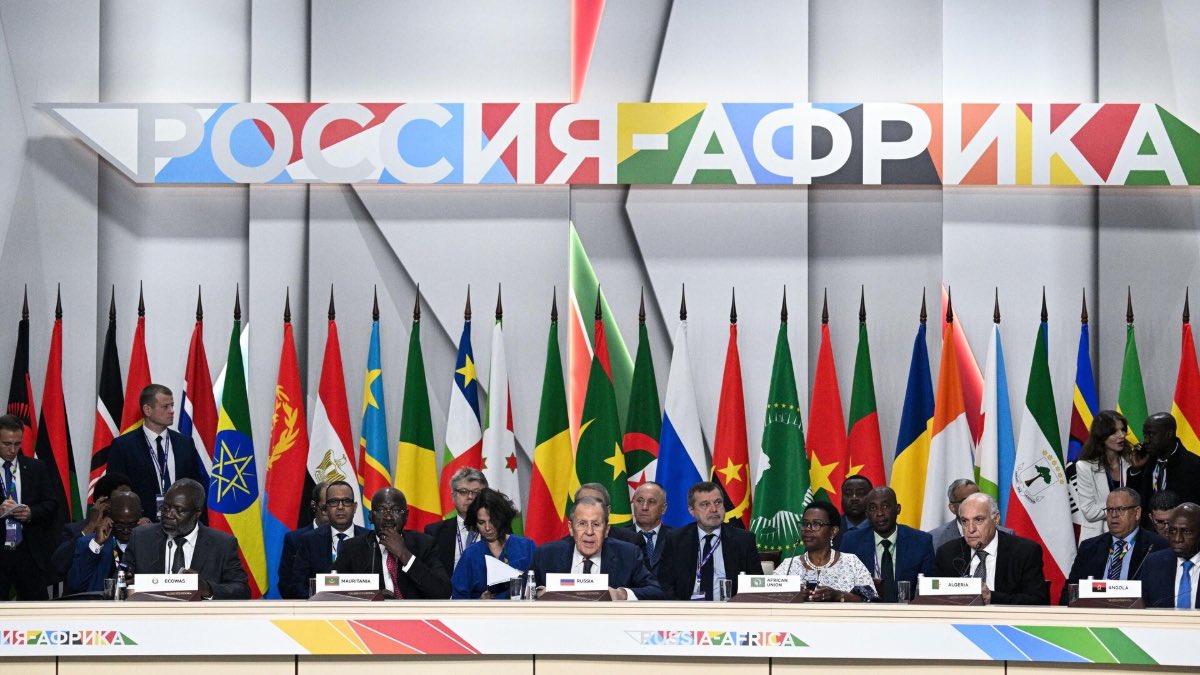
Russian President Vladimir Putin has declared “total support” for Africa, extending Moscow’s reach as several nations on the continent pivot away from traditional Western powers.
Delivered by Russian Foreign Minister Sergei Lavrov at a summit in Sochi, the announcement underscores a burgeoning alliance between Russia and African governments, particularly in the face of growing jihadist threats.
With Burkina Faso’s Foreign Minister Karamoko Jean-Marie Traoré openly stating that Russia is a more favorable partner than France, it’s clear that many former colonies are reassessing their allegiances.
Mali’s Foreign Minister Abdoulaye Diop echoed this sentiment, emphasizing the Kremlin’s “sincere” partnership compared to the perceived “neo-colonial” ties with the West.
He outlined military collaboration and potential joint ventures in critical sectors such as energy, telecommunications, and mining, noting that Russian firms are already heavily involved in these areas.
The presence of Wagner mercenary forces—now rebranded as the Africa Corps—has solidified Russia’s influence, particularly following the expulsion of French and UN troops from these regions.
While Moscow offers its military support in exchange for access to valuable resources, its efforts to combat Islamist violence have seen limited success. Nonetheless, the Kremlin remains optimistic, with foreign ministry spokeswoman Maria Zakharova proclaiming that the summit has thwarted Western hopes for Russia’s isolation.
Despite Putin’s promises, there remains skepticism about the actual impact of Russia’s involvement. Emanuela Del Re, the EU’s special representative for the Sahel, acknowledged that while Russia is a “malicious actor,” it has deep ties with Africa that predate independence. Meanwhile, nations like Rwanda are forging ahead in their partnerships with Moscow, with plans for nuclear power cooperation highlighted by Rwandan Foreign Minister Olivier Nduhungirehe.