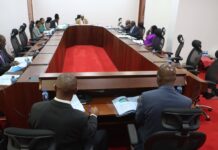
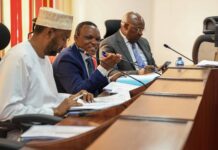
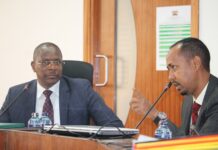
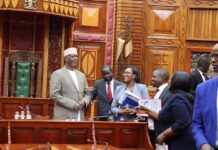
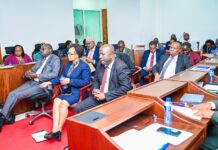
The National Assembly Committee on Regional Integration chaired by Hon. Irene Mayaka has called on the management of Lamu Port to take advantage of the National Infrastructure Fund (NIF) to finance key operational infrastructure, including berth construction, port equipment procurement, cargo handling facilities and large-scale transhipment to increase cargo volumes and boost the country’s GDP.
The call was made during the Committee inspection visit to the Lamu Port, where the MPs were apprised on the challenges bedeviling the port.
During the visit, Hon. Mayaka sought to be briefed on policies and regulatory gaps that hinder Lamu Port from being autonomous and fully realizing its potential as a regional integration hub.

“We need to understand the specific policy issues. Allow me to bring you to speed on how EAC works. Any country within the EAC region is allowed to initiate a policy-related issue that will go through treaty ratification. It’s not necessary for all countries to agree; if a country gets 65 per cent endorsement, then it will be considered,” Hon. Mayaka informed the management.
She further urged the Lamu Port management to engage the Regional Integration Committee on budgetary matters.
“We need to understand the budgetary issues that Lamu port is facing so that we may act as a go-between. The responses that you give us will be useful to the growth of the port as this Committee will be able to assist,” she said.
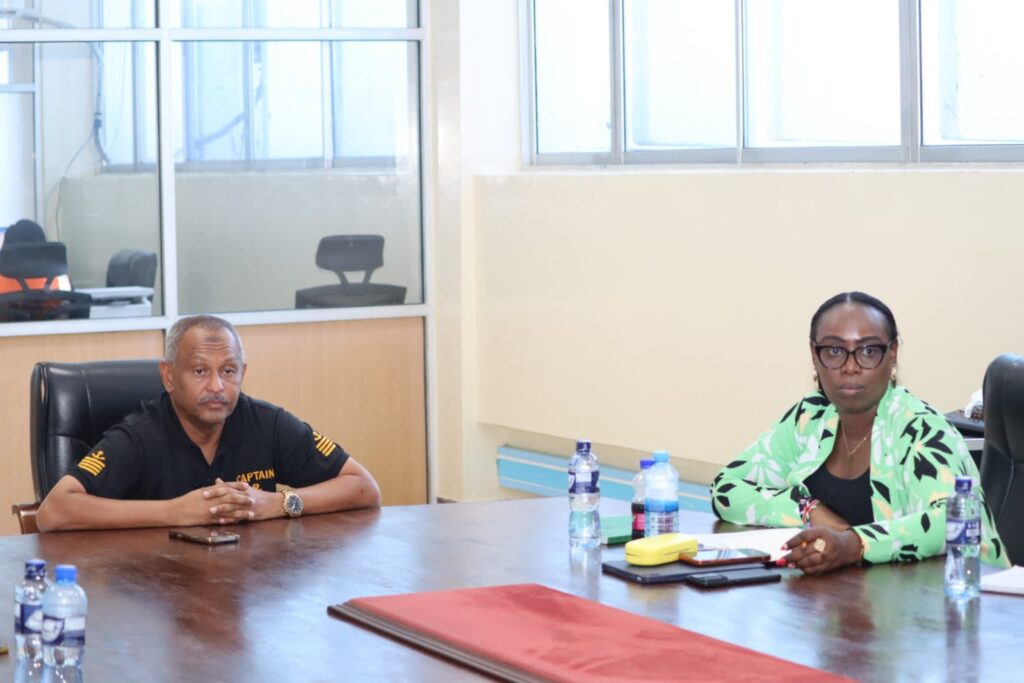
Responding to the Committee’s concerns, the Lamu Port General Manager, Captain Abdulaziz Mzee cited resources shortfall, which he said, had hindered the acquisition of crucial equipment for port operations.
“The workforce here and the equipment are outsourced,” Captain Abdulaziz told the Committee.
The General Manager also identified, incomplete road infrastructure linking the port to Ethiopia and South Sudan, pending land ownership issues, policy limitations and the need for greater operational autonomy as critical to unlocking the port’s full potential.
On road infrastructure and comoetition, Captain Mzee added, “We are losing business to our competitors because of our roads network. We have bitumen standard roads which cannot be used with heavy tracks. Our competitors have concrete roads which can carry more tonnage,” he observed.
He also raised concerns on the cabotate law, noting that it encourages delays in cargo clearance at the Lamu Port.
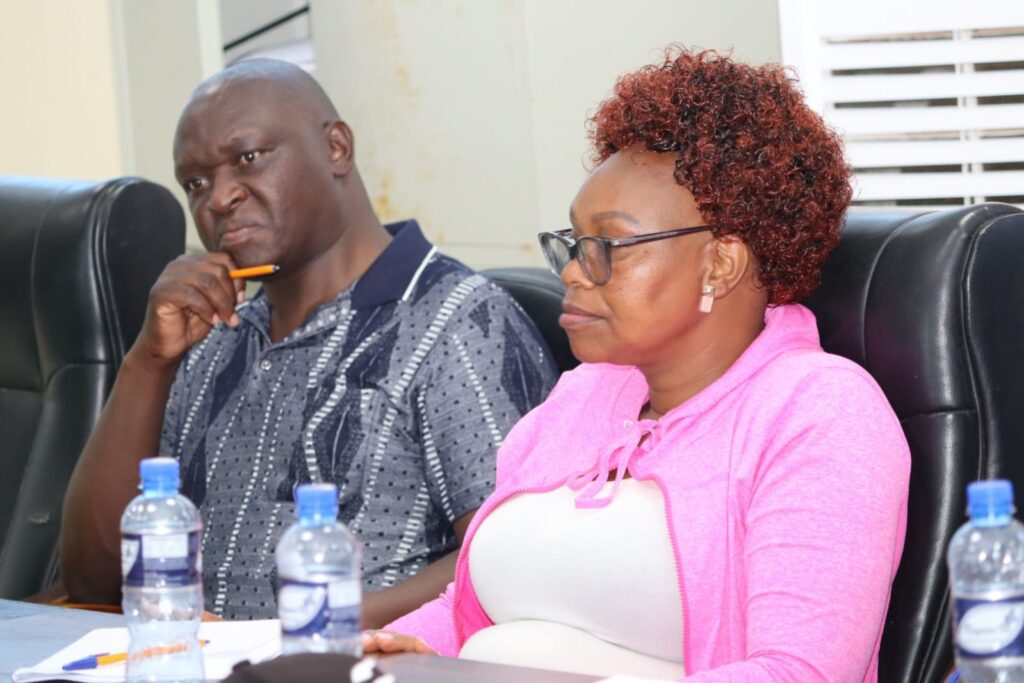
Additionally, Lamu Port management requested the Committee’s intervention in unlocking the impasse on Lamu Port title deed.
The Committee was told that the current deed belongs to LAPSSET, restricting any engagements between Lamu Port and potential clients for warehouses.
“Lamu Port title deed belongs to LAPSSET. KPA needs a title so that it may interact with customers. We will be receiving goods in and out of the port, for those consolidating the cargo, where will they do business?” Posed the General Manager.
However, the MPs tasked management of Lamu Port to submit a detailed report outlining its challenges, financial needs, and policy recommendations for the Committee’s intervention.
By Anthony Solly