







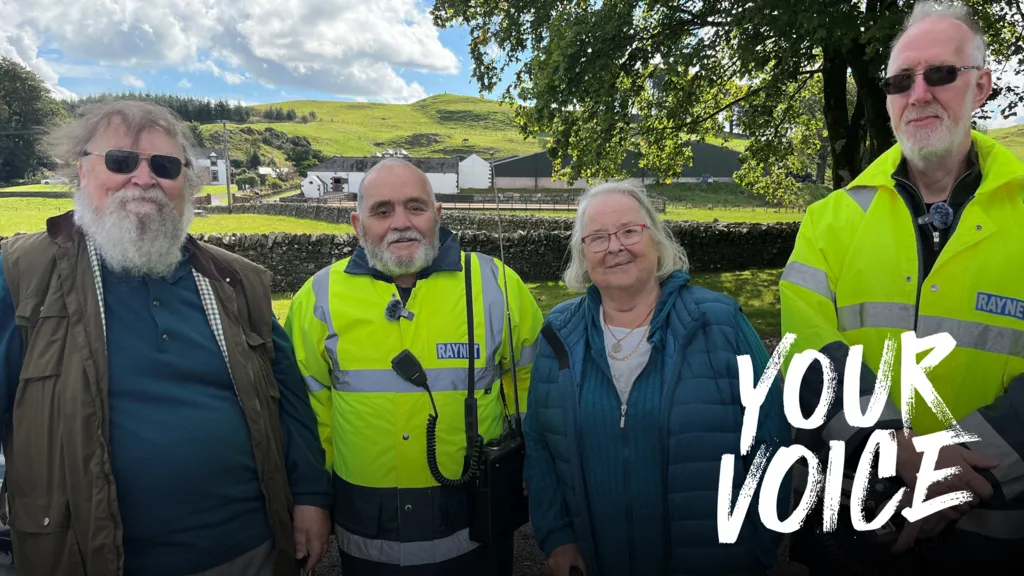
Anne and Ross Campbell were watching the news on the evening of December 21, 1988, their emergency “go-bags” already packed.
As members of the Radio Amateurs’ Emergency Network (Raynet)—a UK-wide volunteer communications service formed after the 1953 North Sea floods—they were trained to respond when ordinary systems failed.
When the report came in that an aircraft had crashed in a small Dumfries and Galloway town, the call from their local controller was brief: “You’re on standby for Lockerbie.”
At the time, Anne and Ross, along with fellow radio enthusiasts Tom Stewart and William Jamieson, were in their 20s and 30s, active in Ayrshire’s Raynet chapter.
They regularly practiced for emergencies, supporting council exercises and road races, always aware that a real crisis could call them into action.
“You never imagined something like Lockerbie,” Ross said.
Pan Am Flight 103, en route from Heathrow to New York, had been torn apart by a bomb over the town, killing all 259 people on board and 11 on the ground.
It remains the deadliest terrorist attack ever to occur on British soil—and for the next several days, these radio volunteers would become a critical lifeline in the shattered community.
By James Kisoo