By Andrew Kariuki
A civil society organization has called for greater transparency and public accountability over the proposed Ebola research and containment facility, warning that several ongoing developments raise significant constitutional and environmental concerns.
In a statement released on June 13, the Justice and Equity Council (JEC) questioned the process through which the proposed facility is being advanced and urged the government to make public all approvals, agreements and assessments connected to the project. The organization said Kenyans have a right to know the purpose of the facility, the safeguards in place and the extent of public involvement in decision-making.
The council argued that projects involving potentially dangerous pathogens require robust public participation, scientific scrutiny and strict adherence to constitutional standards. It maintained that transparency is essential to maintaining public trust in matters touching on public health and national safety.
Beyond the proposed facility, the organization expressed concern over reports of continued encroachment on public land and called for an independent review of disputed land allocations across the country. It urged authorities to halt any contested transactions until their legality and compliance with constitutional requirements can be independently verified.
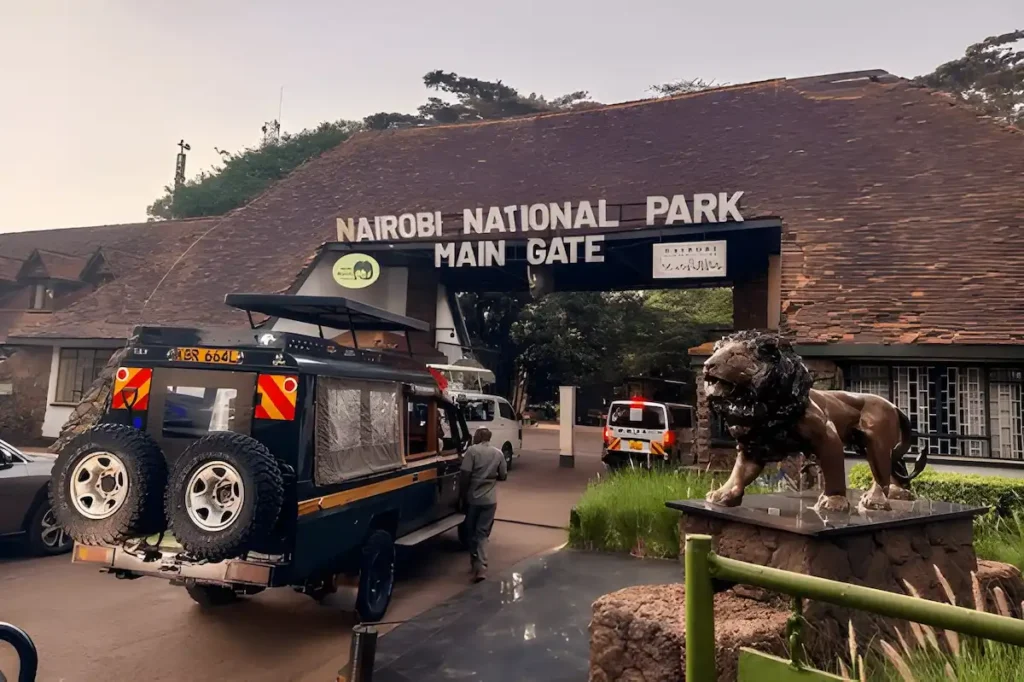
The council also voiced concern over developments affecting Nairobi National Park, describing the park as a critical national asset whose ecological value extends beyond conservation to tourism and national heritage. According to the organization, any project that could affect the park’s ecosystem or wildlife corridors should undergo comprehensive environmental review and meaningful public consultation.
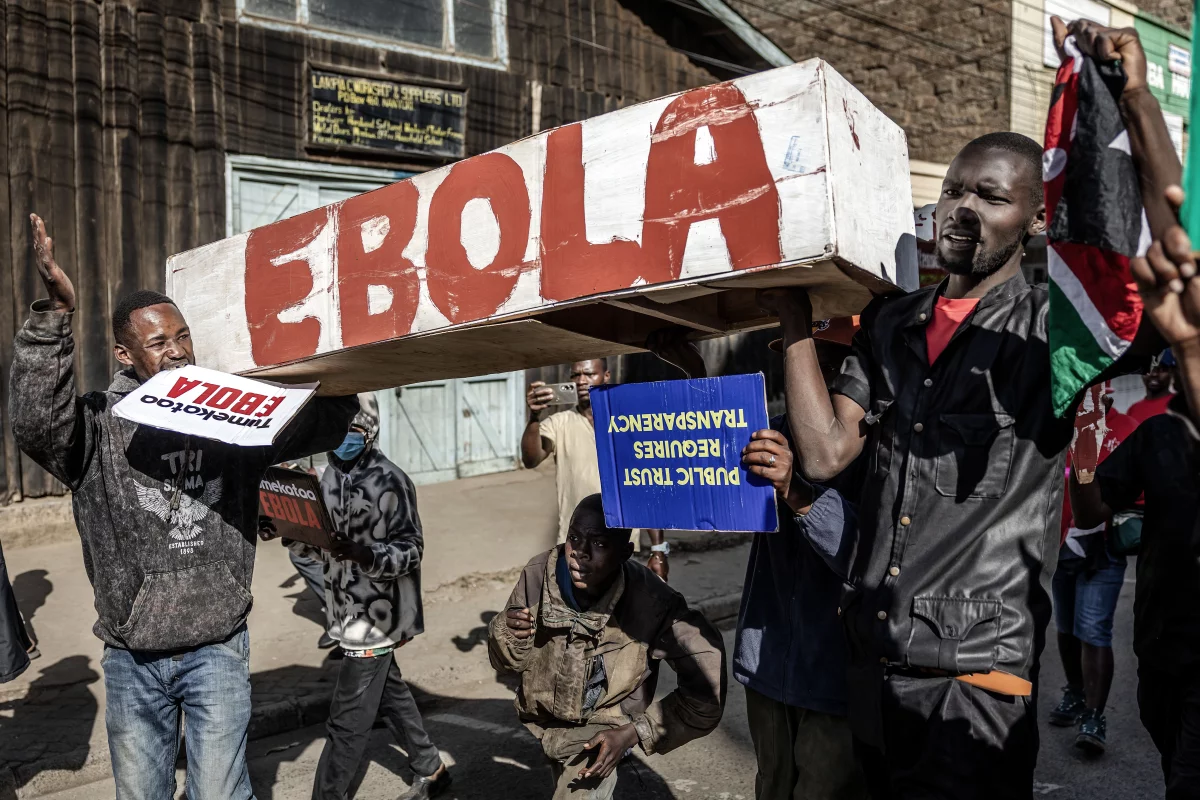
At the same time, JEC criticized what it described as increasing pressure on citizens participating in demonstrations related to environmental protection and public land matters. The group maintained that peaceful assembly and protest are rights guaranteed under the Constitution and called on authorities to respect those freedoms.
The organization further announced plans to engage lawmakers, legal experts and civil society groups on mechanisms for ensuring constitutional accountability where public officials are found to have acted outside the law. It stated that constitutional offices must remain subject to scrutiny and accountability whenever credible evidence of misconduct emerges.
Among the measures proposed by the council are the publication of all documents relating to the Ebola facility project, protection of public land, preservation of Nairobi National Park, independent investigations into alleged constitutional violations and stronger parliamentary oversight of major government decisions.
The statement concluded with a call for citizens to remain engaged in matters of governance and environmental protection while pursuing their concerns through peaceful and lawful means.