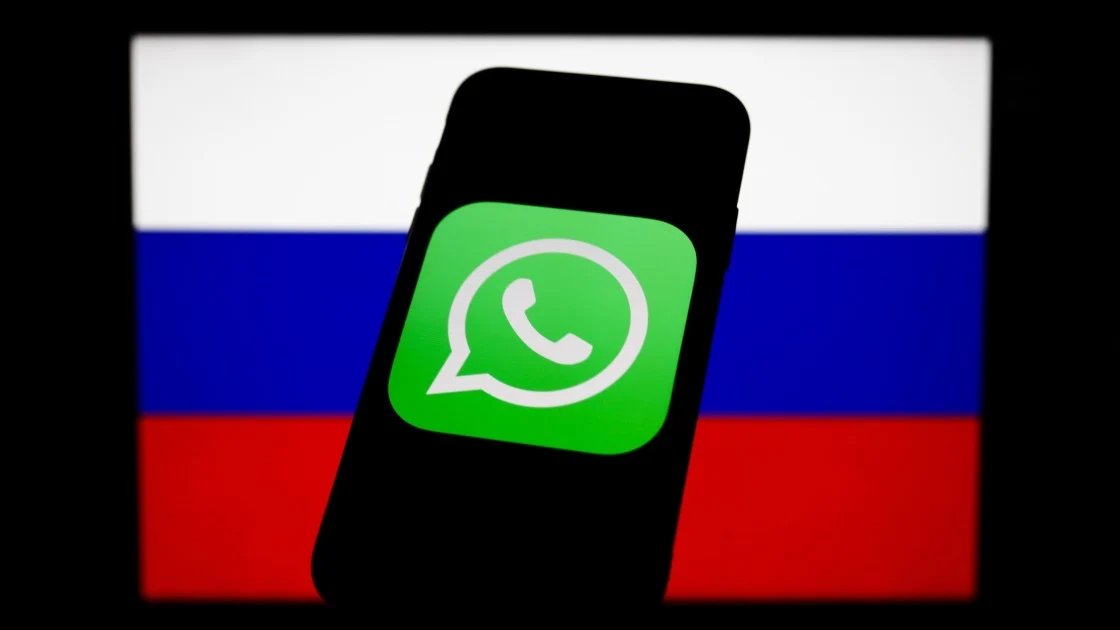
On February 12, 2026, the Russian government officially implemented a nationwide block of WhatsApp, following months of escalating restrictions.
Kremlin spokesman Dmitry Peskov confirmed the move, stating the decision was final due to Meta’s “reluctance to comply with the norms and letter of Russian law”.
WhatsApp has repeatedly refused to store Russian users’ personal data on servers physically located within Russia, a requirement under the Data Localization Law.
Regulators accused the platform of failing to share information with law enforcement in investigations related to fraud and terrorism.
Under Russian “landing” laws, foreign tech companies are required to open a physical representative office in the country, which Meta has not done.
The company has faced numerous fines for failing to delete content deemed illegal by the Russian government.
The Kremlin is actively urging WhatsApp’s estimated 100 million users in Russia to switch to a domestically-developed “super-app” called Max. Max integrates messaging, payments, and government services, similar to China’s WeChat.
Unlike WhatsApp, Max lacks end-to-end encryption, leading critics and WhatsApp representatives to label it a “state-owned surveillance app” designed for political monitoring.
Since 2025, the Russian government has mandated that Max be pre-installed on all new smartphones sold in the country.
Telegram Restrictions: Regulators also began “phased restrictions” on Telegram this week for similar compliance issues.
WhatsApp joins Facebook, Instagram, and YouTube, which were previously blocked or removed from Russia’s national domain system.
While some users continue to access these services via VPNs, Russian authorities are increasingly blocking VPN providers to enforce the digital isolation.
By Anthony Solly